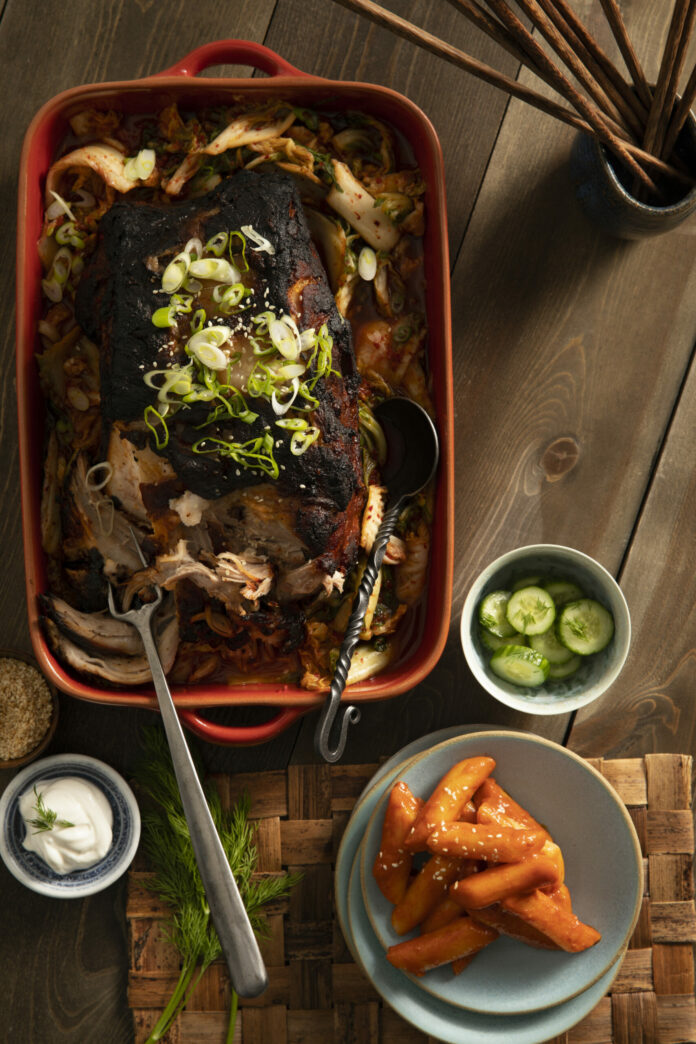
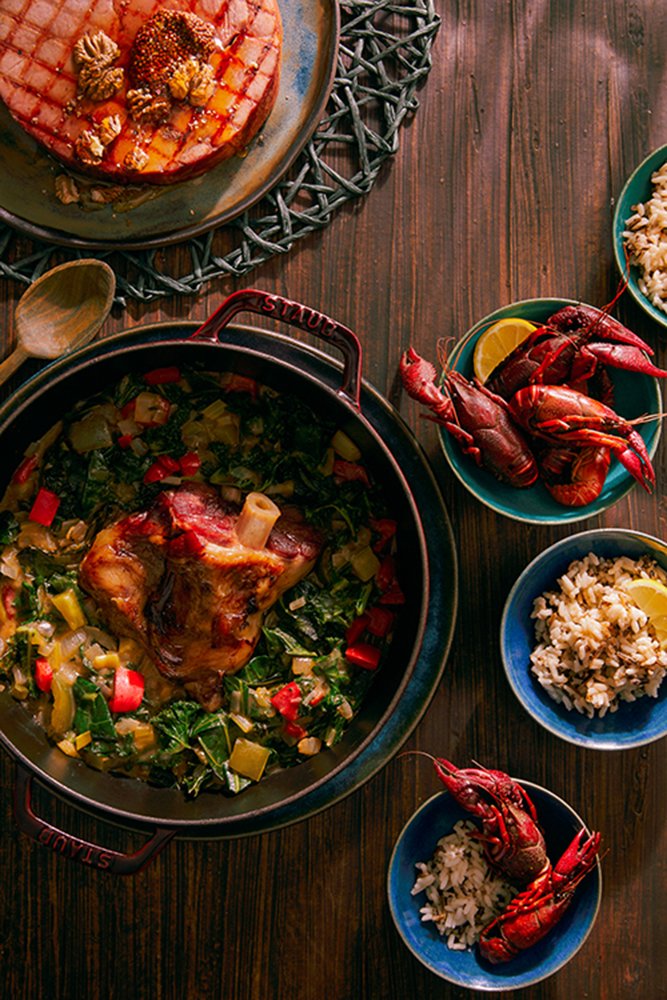
Pork shoulder is a great cut because it has the right meat-to-fat ratio for a flavorful braised dish. If you can find a whole shoulder, use it to minimize the work, or use already-cut pieces as an option. This dish highlights Korean flavors in a simple kimchi-based braising liquid. This recipe can be made in two stages to accommodate your schedule. You can cook the pork shoulder days ahead and finish the braising on the day it is intended to be served. Its optional accompaniment of spicy tteokbokki (rice cakes) contrasts with and balances the richness. You could also make simple white rice instead.
Braised Pork Shoulder & Kimchi Soup with Spicy Tteokbokki Recipe
INGREDIENTS
1 cup gochujang
1/4 cup sesame oil
2 tbsp Worcestershire sauce
1/2 cup sweet soy
1 tbsp fresh ginger, minced
1 tbsp fresh garlic, minced
2 tbsp persimmon vinegar or apple cider vinegar
1 tbsp kosher salt
1 tsp ground black pepper
4 lb whole pork shoulder
2 qt meat or vegetable stock
4 cups kimchi, rough chopped
Fresh dill, sour cream, scallions, toasted sesame seeds for garnish
INSTRUCTIONS
Make the marinade ahead by combining all the ingredients except the pork shoulder and braising. Set aside 1/2 cup of the marinade if making the rice cake side dish.
Marinate by evenly spreading the mix on the pork; cover with plastic in a bowl and refrigerate overnight.
Preheat oven to 375 degrees. In a large braising pan, bake pork shoulder covered in foil for 2 hours. Let cool before refrigerating if you will finish the braise on a later day.
Otherwise, remove pan from the oven and add stock and kimchi around the pork; cover without foil and braise for another hour.
Serve while still hot and with garnishes and side dish.
Note: If replacing the rice cakes with plain white rice, cook the rice and add the marinade after or omit if preferred plain.
Spicy Tteokbokki
2 cups Korean rice cakes, ready-to-cook.
1/2 cup reserved pork marinade
Toasted sesame seeds for garnish
Use ready-to-cook or dried. Rice cakes will need special instructions to prepare before cooking, so check the instructions on the packaging. At the end of the previous recipe there is a note to add a sauce as the liquid reduces and the rice cakes are close to done; add the marinade that was made ahead to save time.
Cucumber Salad with Sushi Vinegar & Fresh Dill
Use one package of Kirby cucumbers or seedless cucumbers. Add enough sushi vinegar to marinate the cucumbers for at least 5-10 minutes. Top with fresh dill.
Story, Recipe and Styling by Rafe Vencio / Photography by Dave Bryce
Root vegetables, with their unique flavors and intricate textures, have been a staple in kitchens since the dawn of time. From the orange hues and crunchiness of carrots to the deep purples and earthy sweetness of beets, these versatile vegetables offer plenty of nutrient-dense culinary possibilities. Whether roasted to caramelized perfection, mashed into creamy purees, or made into vibrant salads, root vegetables allow you to enhance your longstanding dinner favorites or create new, exciting meals. Discover the endless possibilities of these treats from the Earth with some of our favorite root vegetable recipes. Whether you’re looking to use potatoes, carrots, beets, sweet potatoes, or onion, we’ve got the perfect recipe to get you started.
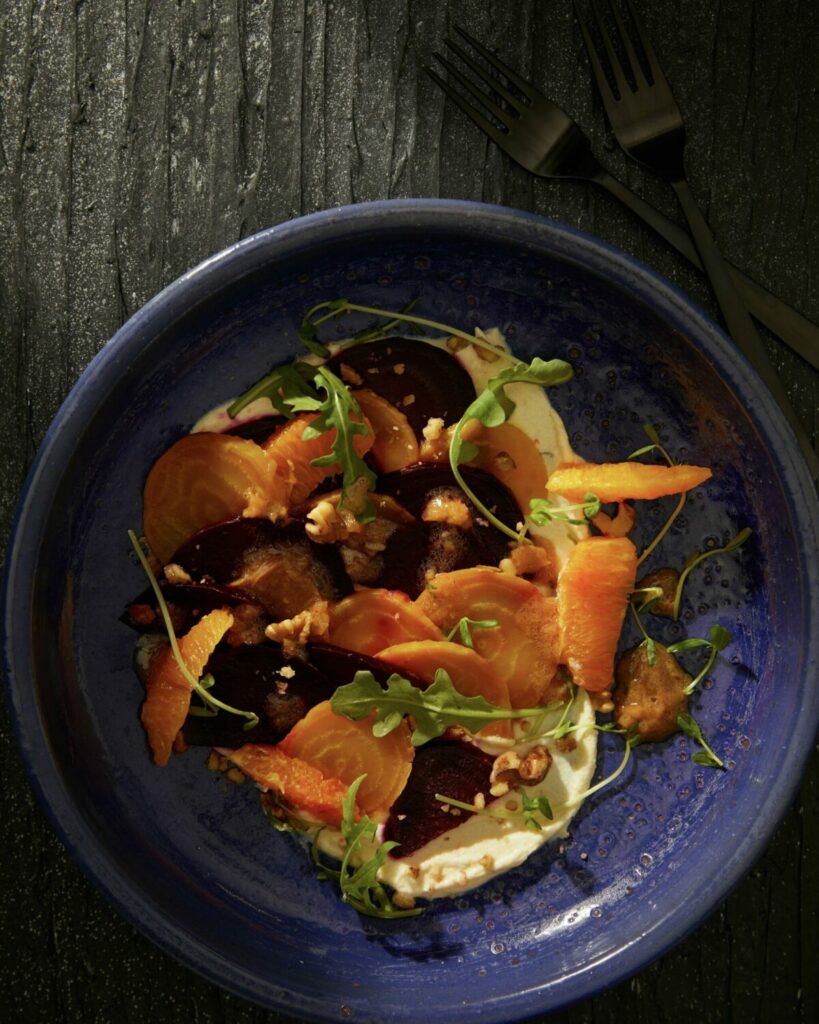
Beets are actually at their best late in the winter season, when they’ve had time to accumulate the natural sugars and earthy flavors they’re so famous for. With this Roasted Beet Salad recipe, you can bring out all their virtues with a quick roasting session, and a drizzle of delicious vinaigrette.
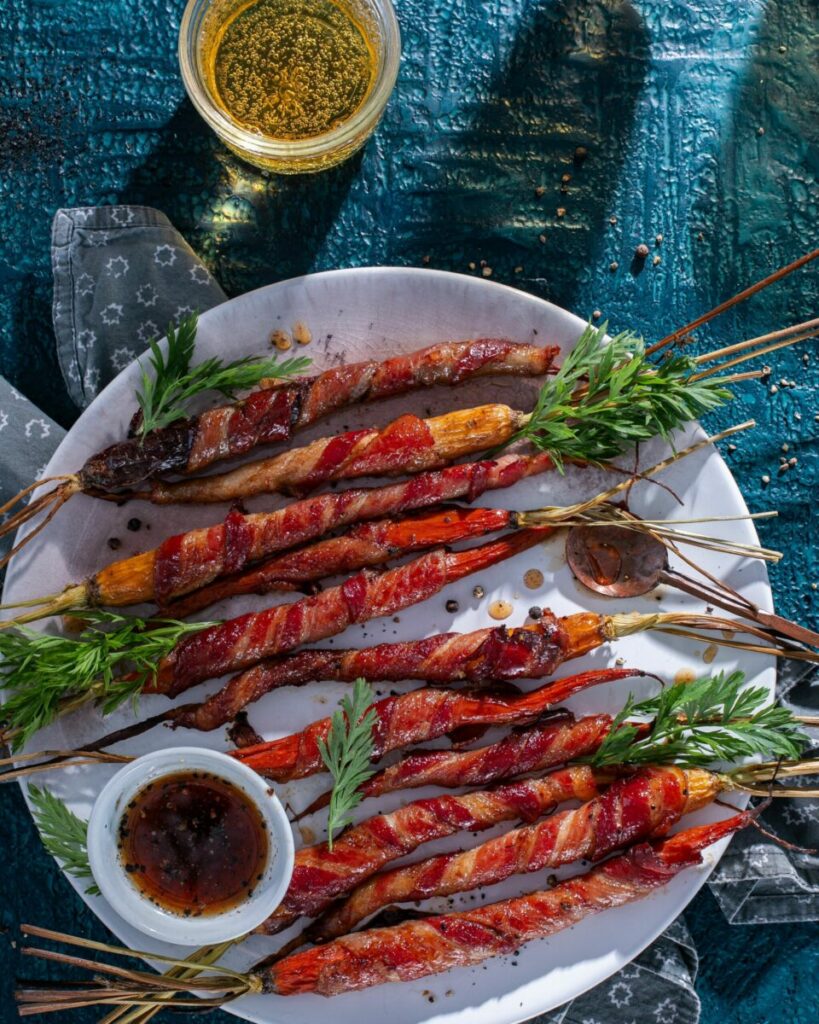
Crispy bacon, crunchy farm-fresh carrots, and coated in a sweet maple-glaze… Do we have your attention? Our Maple-Glazed Bacon-Wrapped Carrots elevate your basic veggie recipe with a beloved maple bacon flavor. Serve it as a side along with a roasted pork loin or on its own for a yummy appetizer.
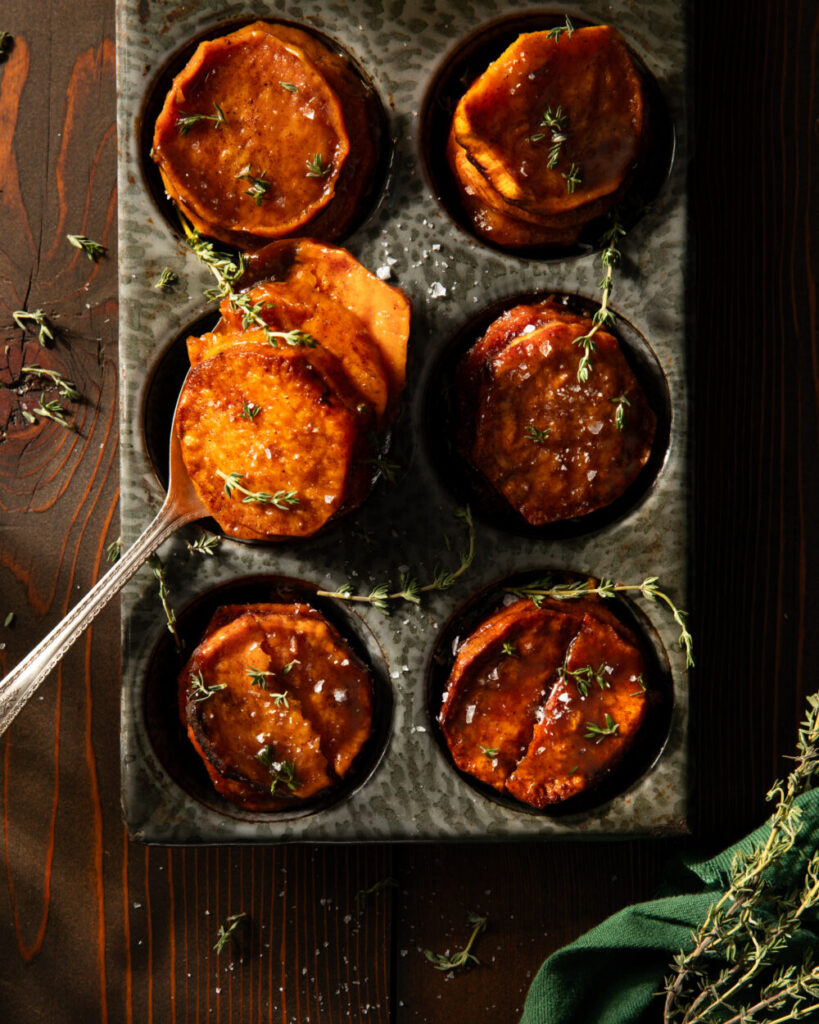
Start with thick slices of sweet potato drizzled with butter and baking spices. Roast for a half hour in the oven. What do you get? Our delicious Sweet Potato Stacks, a side dish with savory undertones, a bit of natural sweetness, and an herbaceous aroma that can’t be beat.
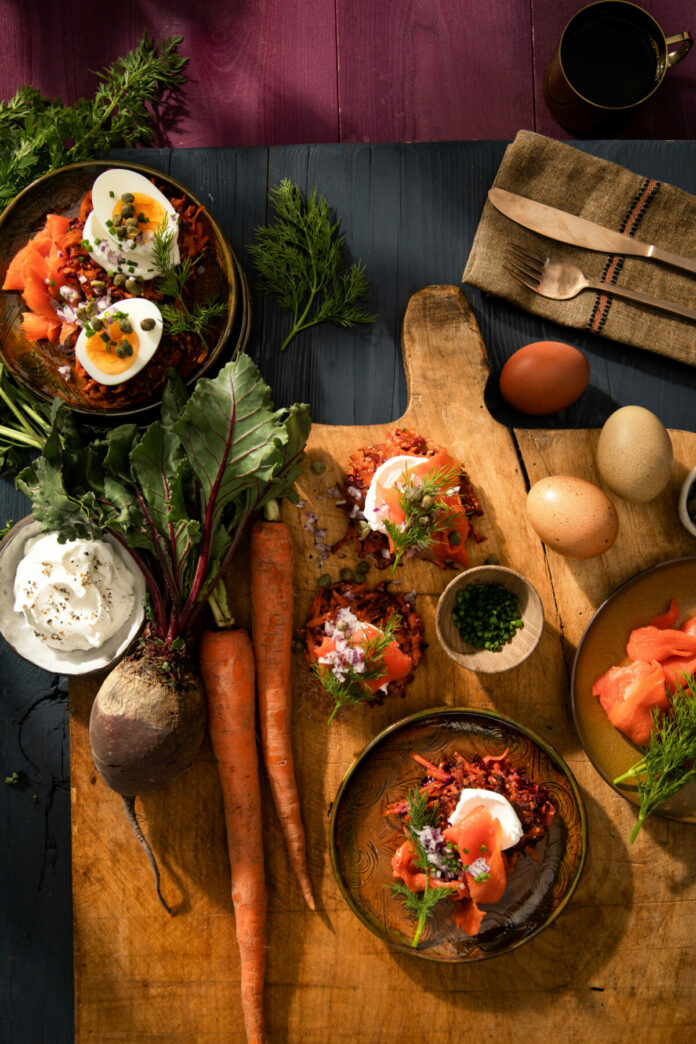
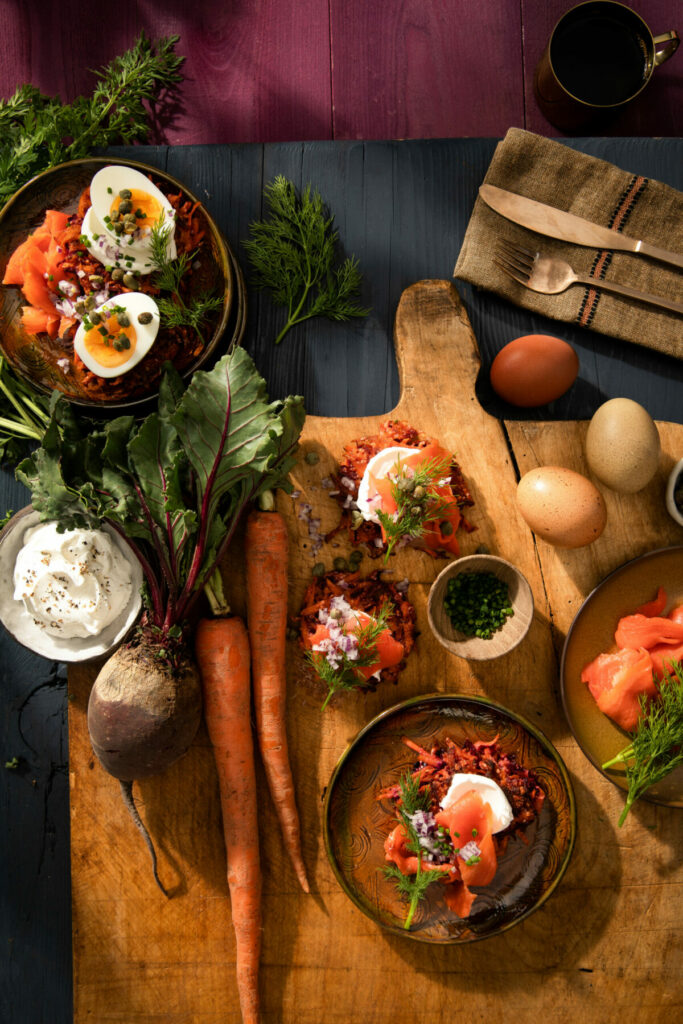
Potato latkes are a favorite for breakfast or lunch but what if we told you that there’s a way to make them even tastier? Instead of potatoes, use shredded carrots and beets for a bit of earthy sweetness, crisped to perfection. Plus, get adventurous with the garnishes like capers and hard boiled eggs.
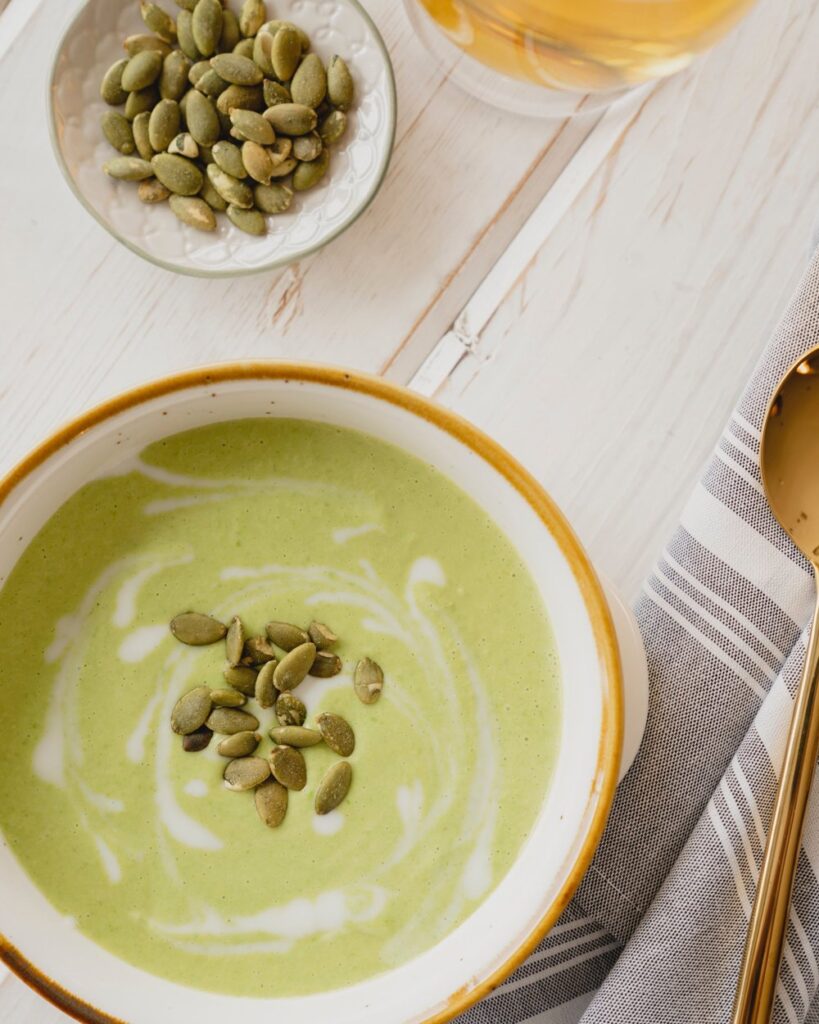
If you’re looking for a farm-to-table winter soup, try our Caramelized Fennel, Onion and Pea Soup! Warm spices come together with fresh fennel, onion, and frozen peas to make this recipe as simple as possible. Cuddle up on the couch with a bowl of our soup on the next winter weather day you’re stuck at home.
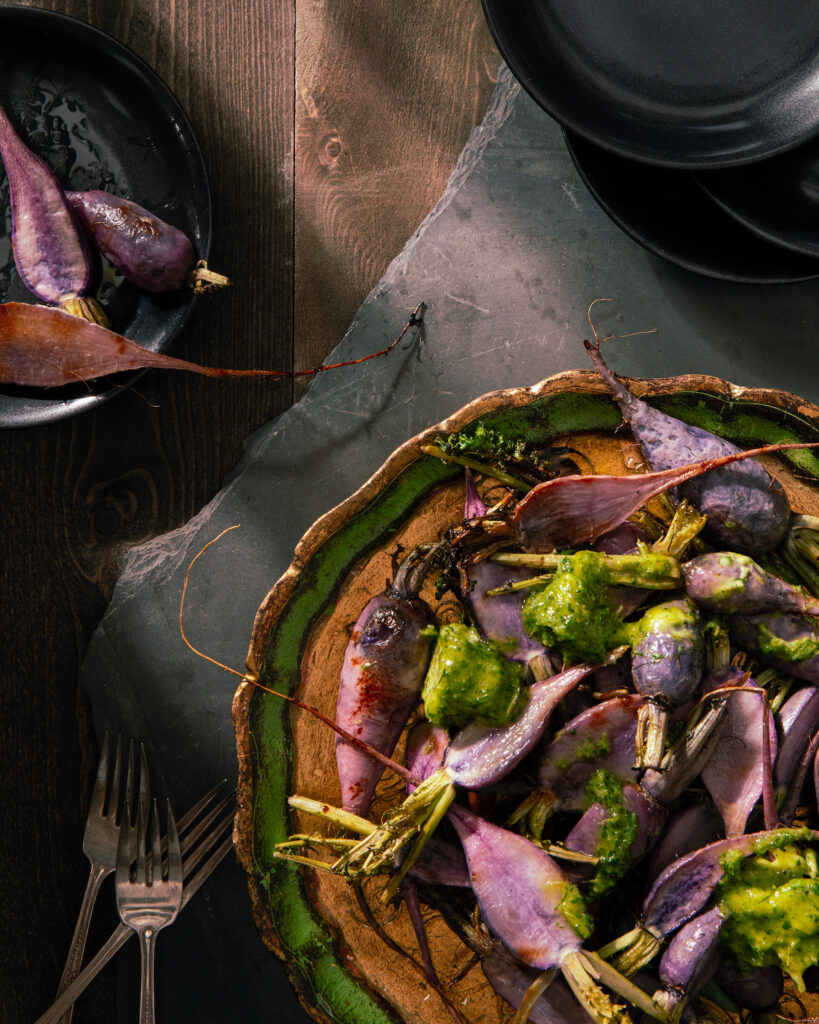
You have to try roasted radishes to appreciate their goodness. The roasting process brings out a sweetness in the radishes that is unexpected but delightful. Garlic scapes complement the Roasted Radishes but you can use garlic and shallots to get the same effect.
Do you need another cookbook? Of course you do, especially when 2023 was a bumper year for food writing. We’ve picked some of our favorite and best 2023 cookbooks — writing that challenges, nourishes, as well as helps put dinner on the table. Bon appétit!
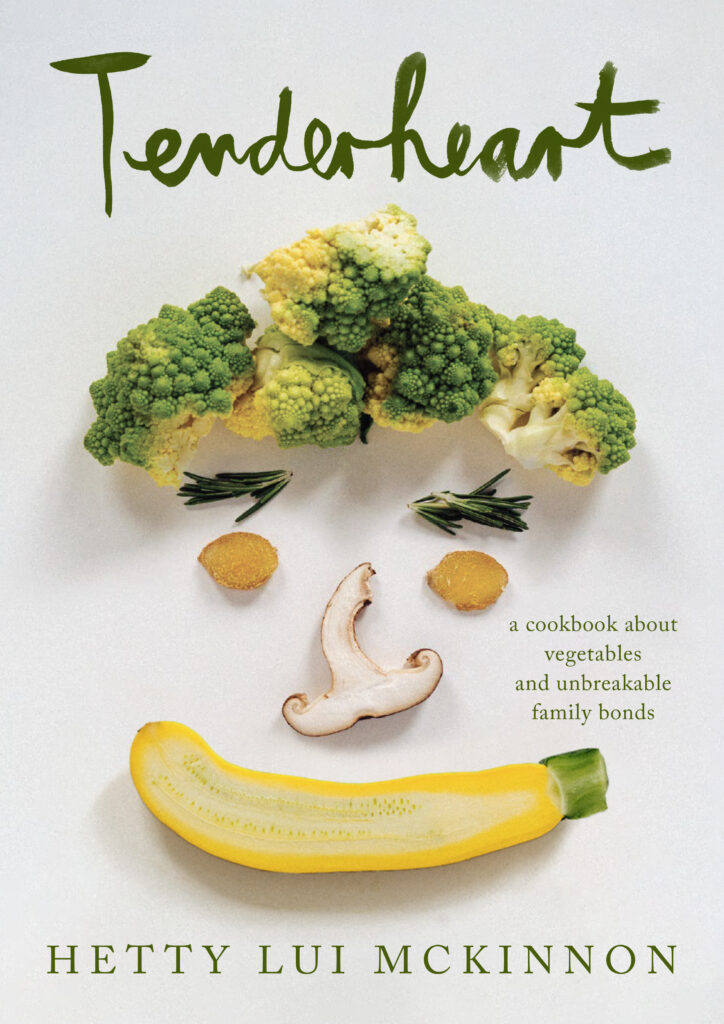
Yes, this is a book about vegetables but it’s also a story of the author’s father – the tenderheart of the title – who rose every morning to go to Sydney’s wholesale fruit and veg market. Divided by vegetable – everything from cabbage to turnips – this is food for both the heart and soul.
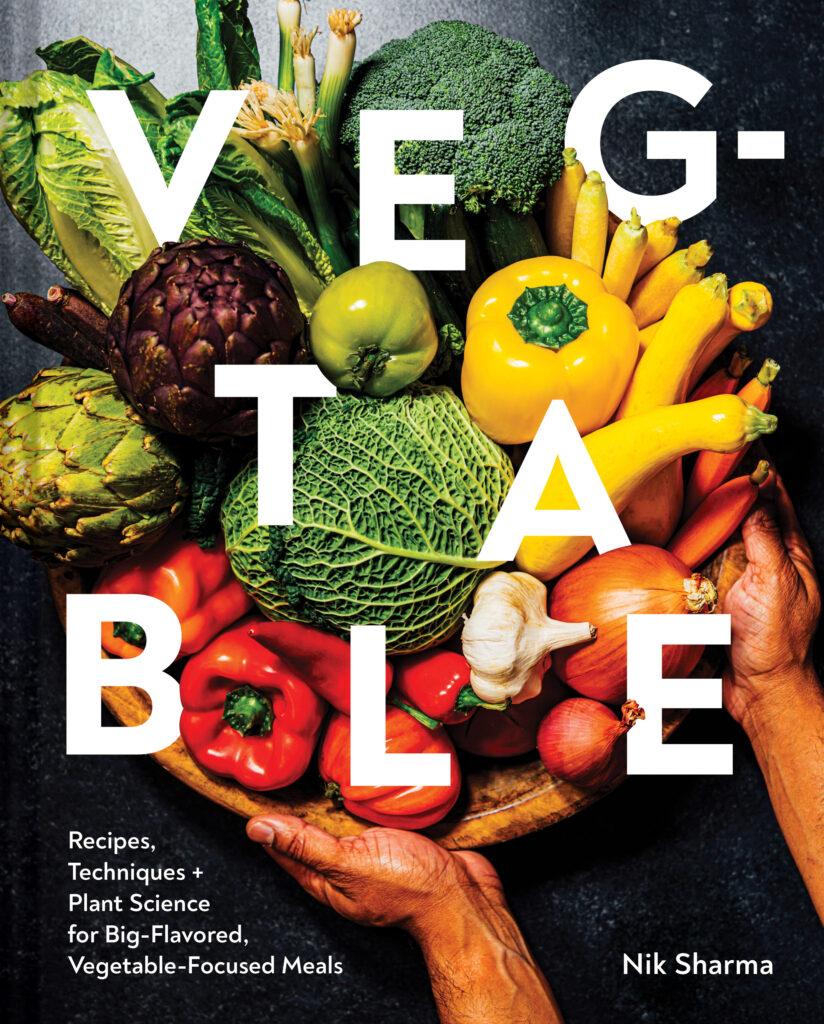
Another buy-me-now, veg-centric book is Veg-Table by one of our favorite food writers, Nik Sharma. Sharma trained as a molecular biologist and he shows as it takes a deep dive into the science of vegetables and how you can tease the most flavor from them. Not only are the recipes stellar (try his Acorn Squash, Kale, and Chilli Miso Sauce recipe), but Sharma also does the sumptuous photography himself. Worthy of a place on your bookshelf.
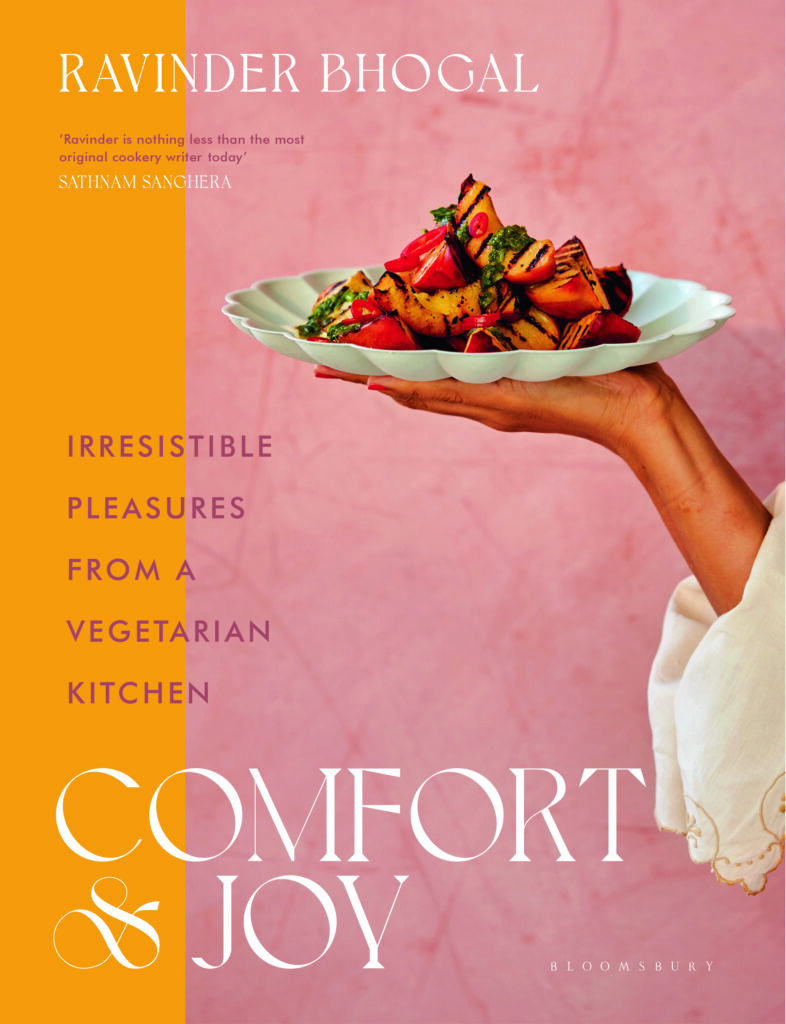
Born in Kenya to Indian parents, Bhogal is chef/owner of Jikoni in London’s Marylebone. In this, her second cookbook, she turns her eye to vegan and vegetarian fare, taking vegetables from side dishes to pride of plate. Recipes like Roasted Muscat Grapes and Figs with Burrata and Bitter Leaves or Whipped Feta with Confit Tomatoes (which she shares with us here) are a riot of color and favor.
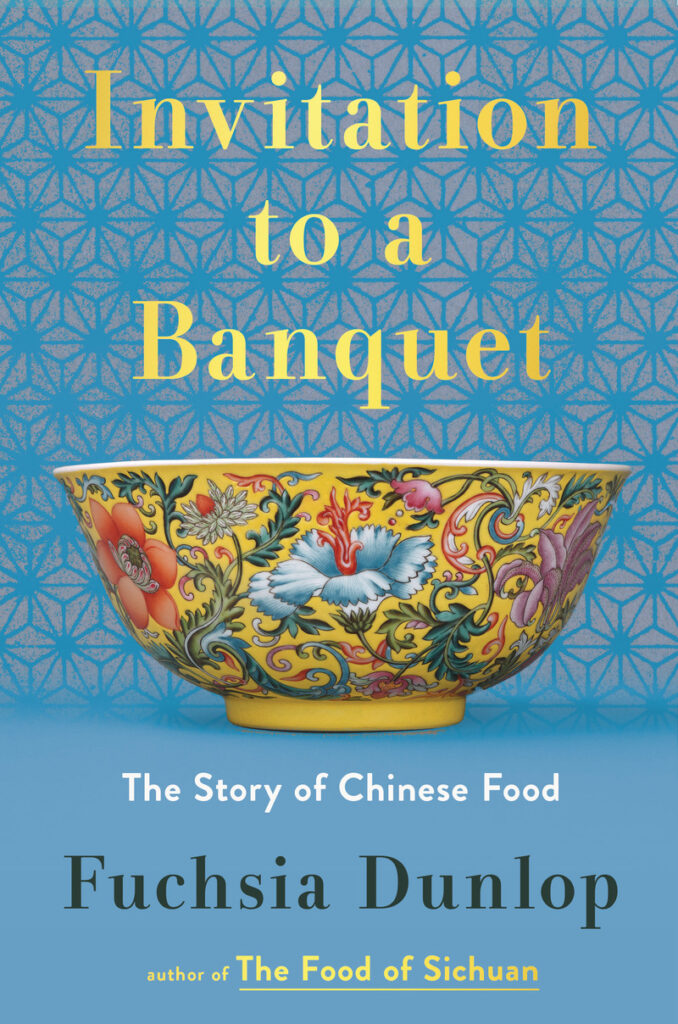
James Beard Award-winning writer Fuchsia Dunlop, was the first Westerner to train as a chef at the Sichuan Higher Institute of Cuisine, and has made China her second home for over thirty years. Not a recipe book but a history of Chinese food told by dish – everything from deceptively simple steamed rice, to the intriguingly-named ‘Catfish Basking in Honors’ – this is the perfect book to tuck into on a cold winter’s day.
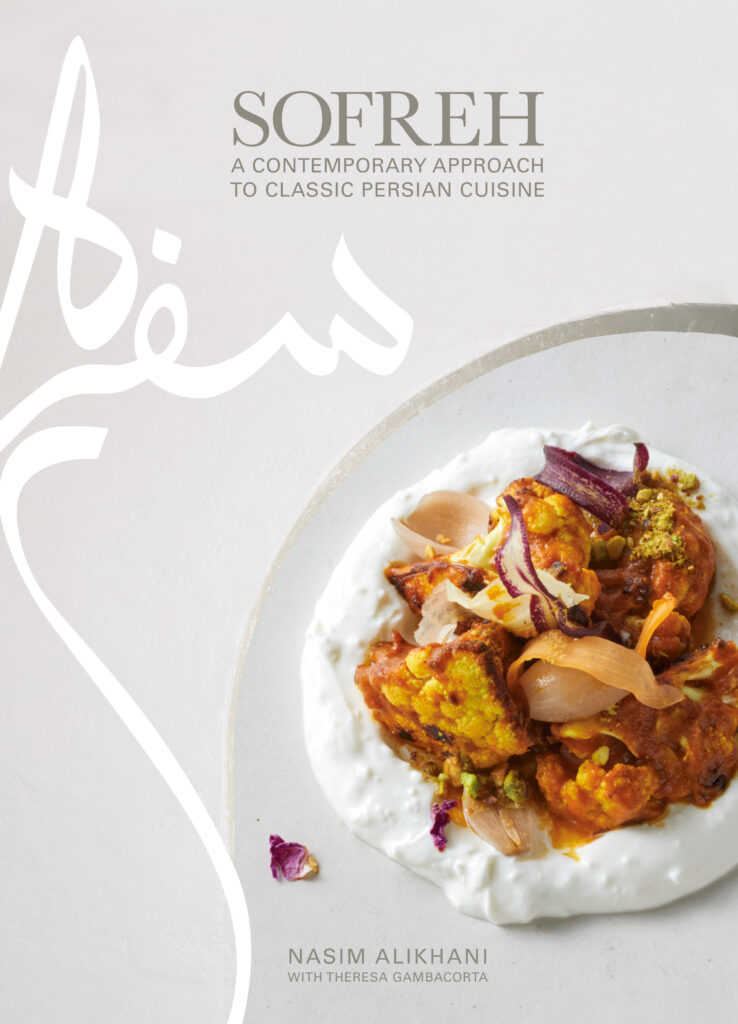
In Farsi, sofreh is the word for the bold, colorful table coverings that serve as a backdrop for Persian feasts. Nasim Alikhani – owner of Sofreh restaurant in Brooklyn – says it also means to ‘sit at the sofreh’ with a table heavily laden with wonderful things to eat and drink. And this, her first cookbook, is filled with just such things from Sour Cherry Rice to Saffron-Marinated Cornish Hens. Food that is as warm and welcoming as the restaurant itself.
Unemployed and mourning the death of her uncle, Dashtaki started making and selling yogurt at her local farmer’s market. What she found was much more: “Yogurt forces you to slow down. It takes a long time for the milk to boil – and even longer time for the milk to cool. And in that time, everything feels better.” A beautifully written ode to Iran where she was born and a guide for readers on how to turn something as simple as milk into something as magical as yogurt.
What Nancy Silverton doesn’t know about baking – she was original pastry chef at Wolfgang Puck’s Spago and went on to open and run La Brea Bakery – can be measured in teaspoons. Now she’s taken a deep dive into how to create the best of everything baked, from the ultimate Peanut Butter Cookie (the holy grail of the title), to Key Lime Pie.
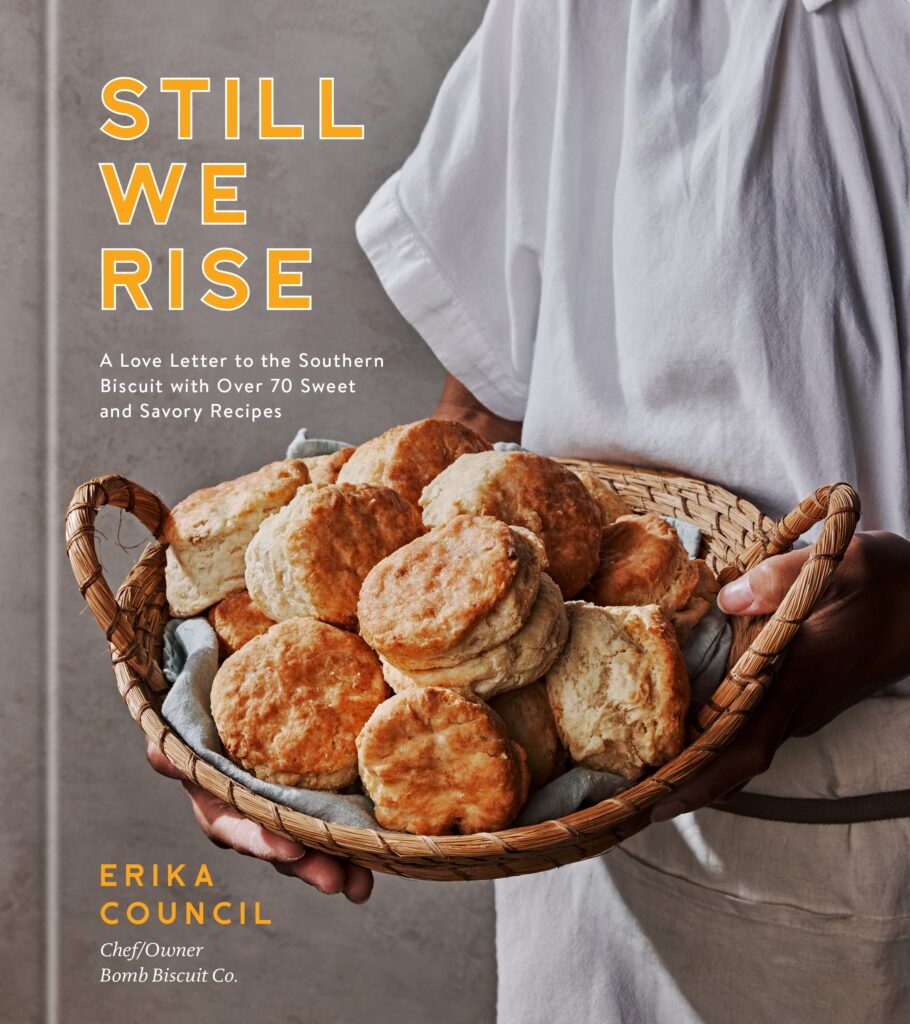
If it’s biscuits you’re baking, then Still We Rise is the bible. Council – chef/owner of the Bomb Biscuit Co. in Atlanta, named by the New York Times as one of the top 50 restaurants in the U.S. – knows a thing or two about biscuits. The recipes are as Council says ‘a love letter to the Southern biscuit’. It’s a letter we’d gladly receive. Check out Erika’s recipe for Pull-Apart Biscuits to get a taste.
Sorrel? It’s lovely paired with eggs, cheese, gooseberries and leeks not to mention white beans and of course spinach. How do we know? Because Niki Segnit’s latest is full of plant-led pairings of foods like sorrel, with recipes and ideas for cooks. Not a traditional cookbook but all the better for it. She’s created a color wheel of flavors from ‘sweet woody’ to ‘sour fruity’, then tells you what foods fall in each category, and what they pair with well. The writing is sublime and whether you read it from cover-to-cover or dip in and out, you’re sure to be inspired.
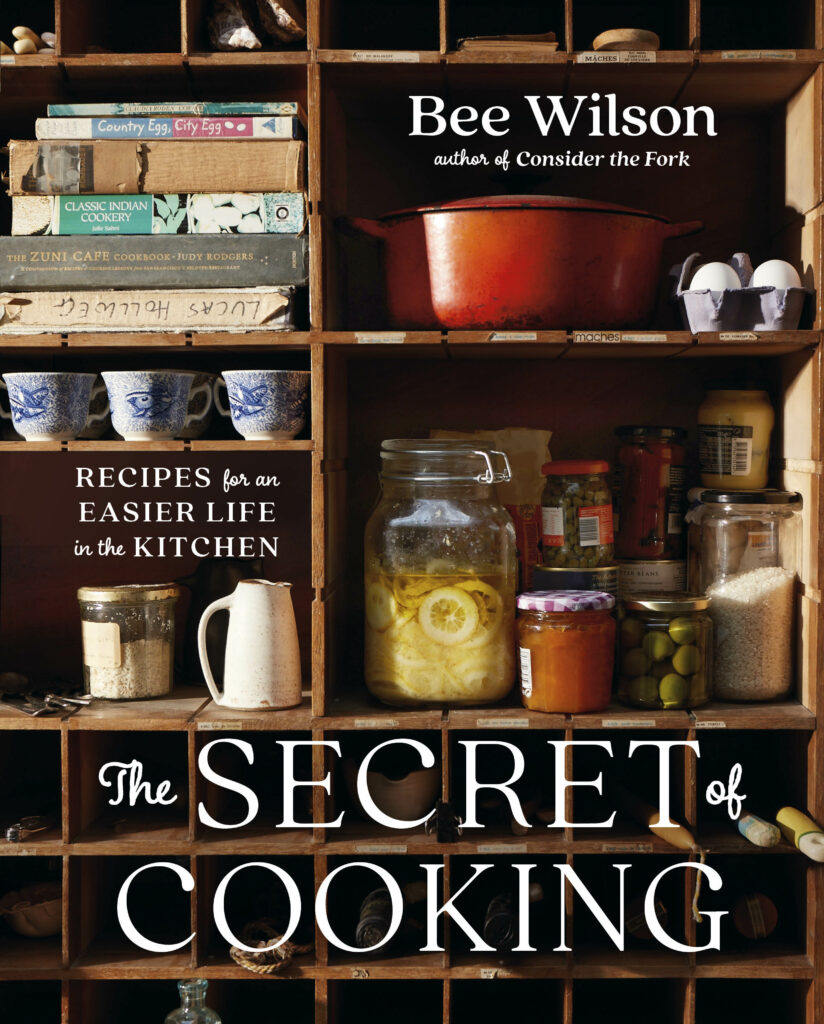
The secret to cooking isn’t equipment or even ingredients, it’s the cook. Wilson gently takes the reader-cook in hand to share what’s she has learned, including sage advice such as thinking of time in the kitchen as an ingredient, followed by a host of ‘universal cooking sauces’ that can be made and stashed in the fridge or freezer. A book that will transform not only how you cook, but how you think about cooking itself. Try her Magic Pasta recipe to see for yourself.
Cooking with confidence is what Start Here is all about whether you’re after the perfect poached egg, puffy pitas, or pot of steamed rice. We love the ‘What the Hell Happened’ so you can find out why your shortbread was less than stellar. Lots of good recipes to test your new found skills with like Chili-Blistered Egg over Brothy Beans or Creamy Lemon Squares with Brown Butter Crust.
When you think of Mardi Gras, also known as Fat Tuesday, you probably think of bright colors, parades, shiny beads around everyone’s necks, and plenty of comfort cooking. This Carnival celebration is an all-out, all-rich-foods celebration right before Ash Wednesday starts the fasting season of Lent. Join in the festivities this year and cook up a feast fit for royalty! You don’t have to be in New Orleans to enjoy the traditional dishes of Mardi Gras. From flaky, delicious desserts to hearty, flavorful, seafood dinner dishes, we’re sure this spread will leave your stomach so full you’ll be happy the fasting season has arrived the next morning.
Celebrate Mardi Gras with These New Orleans Recipes
The King Cake is a tradition for Mardi Gras and the holiday of Epiphany (Three Kings Day) on January 6. This combination coffee cake and cinnamon roll is sweet and delicious with a baby hidden inside to represent baby Jesus. Whoever gets the slice with the figure wins a prize. We recommend decorating your king cake with the purple, yellow, and green frosting or sprinkles to really get into the Mardi Gras spirit.
What says New Orleans more than a big bowl of Jambalaya? It’s warm, spicy, and made from the heart. Our recipe piles the protein high with chicken, shrimp, and smoked sausage mixed into rice, celery, onion, green pepper, and a savory broth. It’s a recipe that reminds you there’s nothing quite like homemade cooking.
Fat Tuesday is right before Lent so feel free to load up your gumbo with ham, andouille sausage, slab bacon, or all three! Our Green Gumbo starts with a rich stock of smoked ham hock or slab bacon, bay leaves, black peppercorn, and allspice berries. Then we add in your choice of protein, onion, celery heart, bell pepper, kale, collard greens, and so much more to make this a fulfilling dish for your celebration.
Grits are another staple of Louisiana, especially when they’re cheesy! In this recipe, we pair them with a Braised Beef Short Ribs recipe whose results are so tender, the meat falls off the bone. A perfect accompaniment to creamy Cheddar Cheese Grits. It’s truly a comfort dish at its finest level that’ll make you feel like you’re at a cafe on the streets of New Orleans.
Who would we be if we didn’t include beignets in our Mardi Gras menu? This recipe combines the vibrant flavors of turmeric and lemon to create a unique and unforgettable treat. These fluffy, golden squares of fried dough are not only delightful in their cloud-like texture but in their punch of flavor as well.
If you’re looking for a smaller bite that still incorporates essentials like shrimp and a little bit of spice, our Zesty Shrimp Rolls are your perfect appetizer. Grab your favorite bun and stuff it up with shrimp, celery, carrots, and fennel, then coat in a zesty, tangy sauce of mayonnaise, sour cream, chili flakes, lime, and lemon. So simple to make and just as easy to enjoy.
Every feast needs a side that matches its excellency. For Mardi Gras, that means red beans and rice which give you a cushion for spicy gumbo and other dishes. Our Wintertime Rice and Beans uses white rice, adzuki beans, black beans, Vindaloo curry spice, and a pinch of saffron for something a little more flavorful than your average recipe.
What better way is there to end a Mardi Gras dinner than with an Oyster Shooter? This combination of deliciously salty oyster with a rich Bloody Mary shot is simple decadence. We welcome you to dress up your oyster as well though our Bloody Mary mix uses horseradish Worcestershire sauce, hot sauce, and fresh ground black pepper.
Ah, Valentine’s Day. What better moment could there be for opening a bottle of wine to share with the one you love the most? This year, instead of turning to a bottle of wine, spice things up with complex, flavorful cocktail and mocktail creations. Not only are the results delicious, you’ll have some bonding time in the kitchen while you shake up these sensual sips.
Below you’ll find the Valentine’s Day cocktails and mocktails of your most romantic dreams, put together with care by contributor Kaitlin Fellers. With lovely ingredients like strawberries, passionfruit, and red wine, how could you deny yourself a drink… or two… or three?
You might think about pairing these cocktails and mocktails with with our Valentine’s Day Dinner Recipes for the perfect evening in.
It’s time to pop open the bubbly with your loved one. This year, be a little More Adventurous with our tasty concoction made from the sweet and sour flavors of passionfruit and an extra burst of lemon. This drink is sure to get the romance flowing from the pop of the cork, and onward.
Get ready to cuddle and cozy up to your beloved with our Melt Your Heart Valentine’s Day Cocktail. You’ll fall in love with this hot, sippable surprise combo of white chocolate and tart cherry. It’s sort of like hot chocolate but much better because there’s tequila involved!
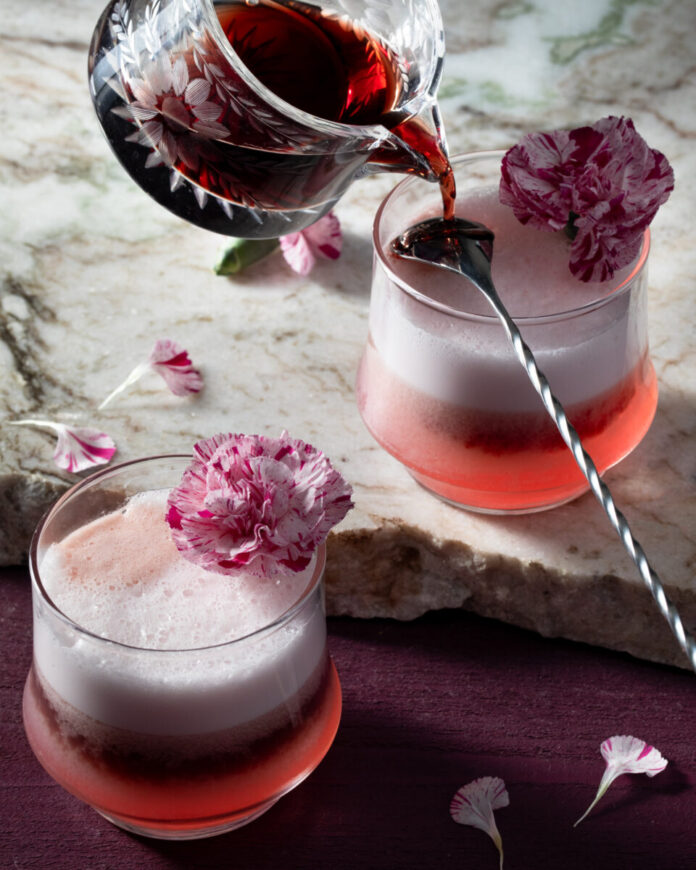
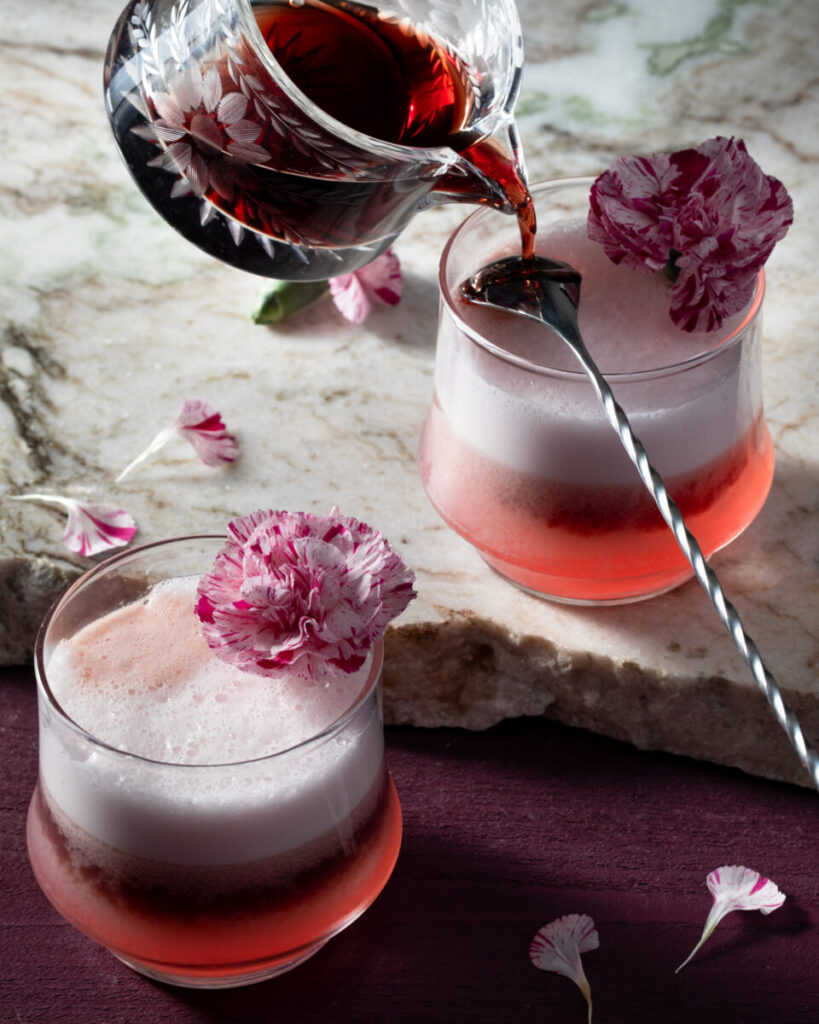
Our intimate take on a Whiskey Sour called Two Slow Dancers starts with a base of robust and spicy bourbon or rye before a rush of fruity relief and creamy texture follows. Watch the way the red wine sways and dances around the glass as it floats on top.
This well-balanced Valentine’s Day Cocktail represents the happy couples around the world who balance each other out. There’s an even-Steven give and take expressed in flavors of lemon and strawberry alongside a smooth base of vodka and dry vermouth.
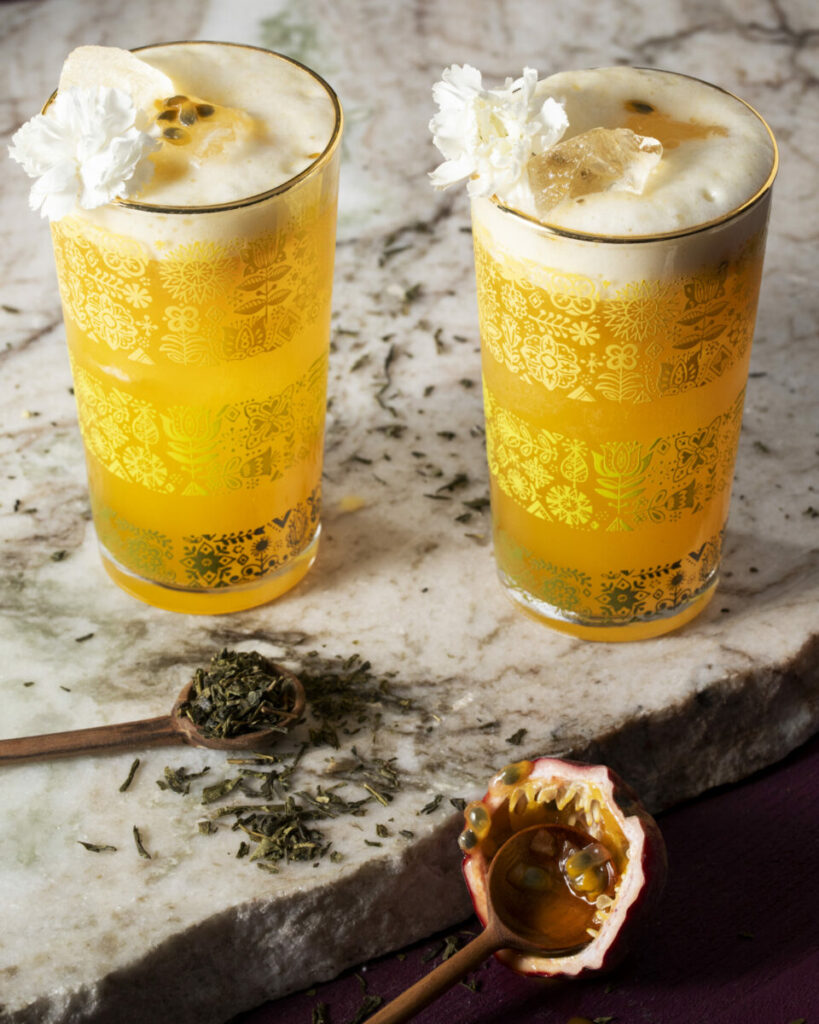
Those abstaining from alcohol can still delight in a special beverage to toast with their beloved on Valentine’s Day. Our Francis Forever Mocktail uses your favorite green tea, delicious, homemade passionfruit syrup, and a squeeze of lemon to help accentuate the flavors.
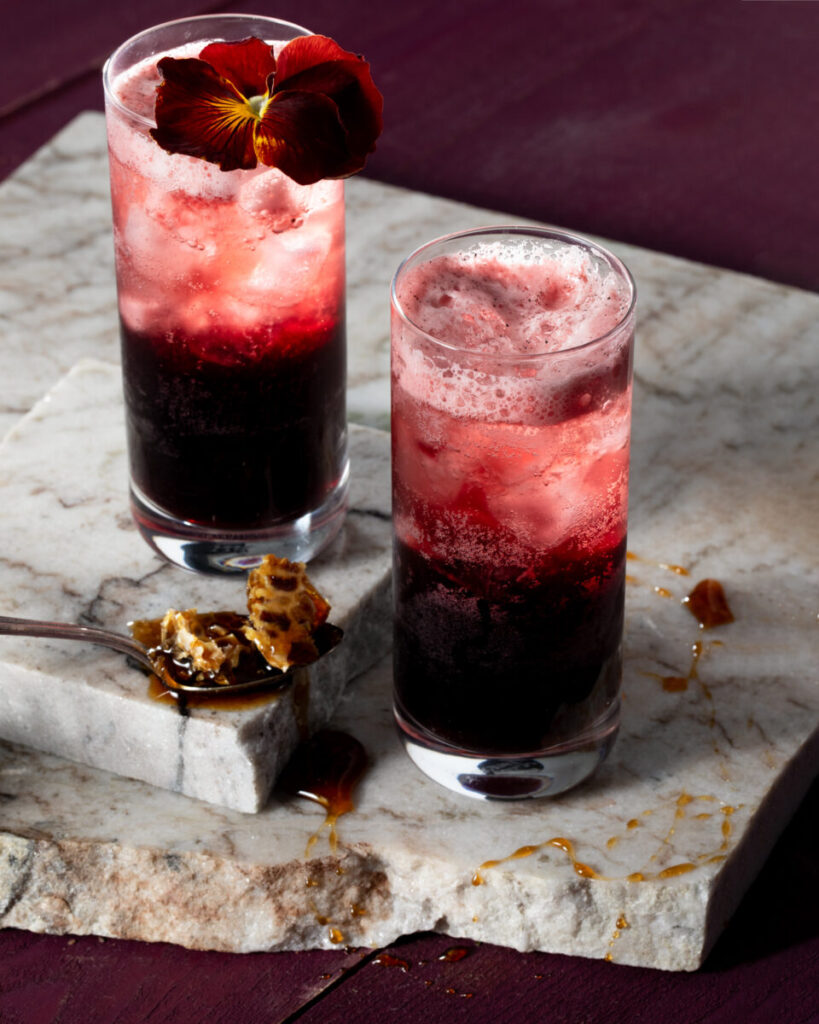
Mocktails don’t have to taste like a boring glass of soda or flavorless seltzer. Our Chateau Lobby #4 Valentine’s Day Mocktail takes a little extra work to make the homemade vanilla honey syrup. We promise, however, that every step is worth the sweet taste at the end.
Recipes by Kaitlin Fellers Styling by Anna Franklin
Photography by Dave Bryce
Story by Kylie Thomas
Nothing says “I love you” like a homemade dinner, cooked from scratch with careful hands and plenty of passion. Instead of spending tons of money on a night out, stay in this Valentine’s Day and surprise your date with an extravagant meal made with your own hands. Many of our recipes use simple steps which help you all along the way, so even if you’re a beginner-level chef, we have the perfect recipe for you.
Now, get prepared with a glass of your lover’s favorite wine, romantic music on the sound system, and settle in for one amazing meal that’ll definitely win you a kiss or two.
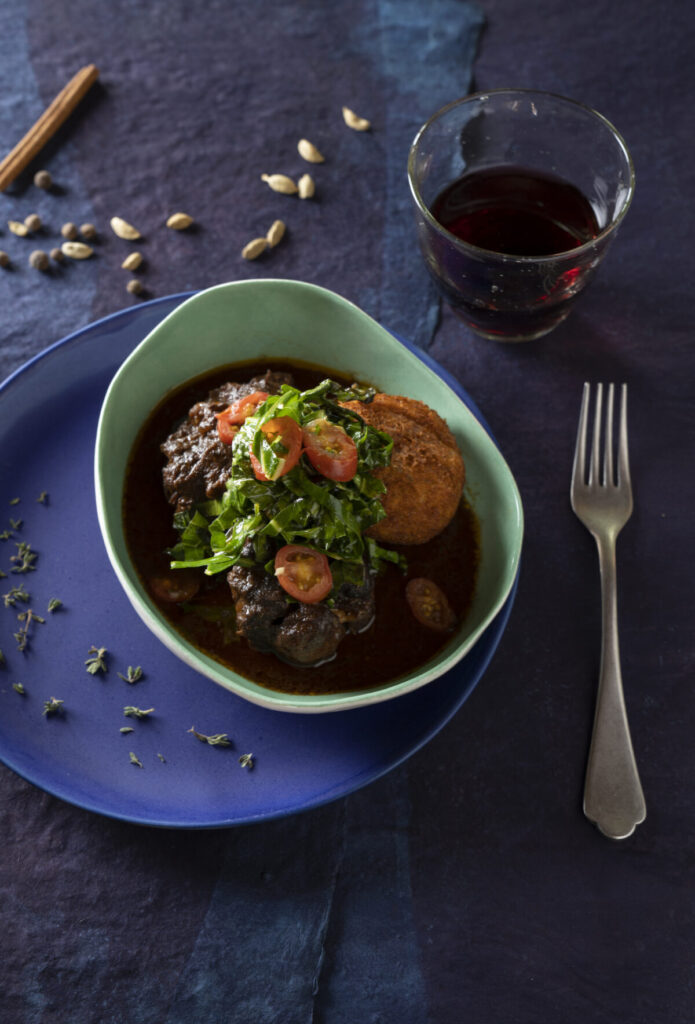
A warm, spiced meal of Slow Cooked Oxtail will not only impress your partner but leave your house with a tasty aroma. Make sure you start this dish the day before your dinner date so you can give time for the rub to work its way into the meat. The end product leaves you with mouth-watering broth, tender, pull-apart oxtail, and plenty of love.
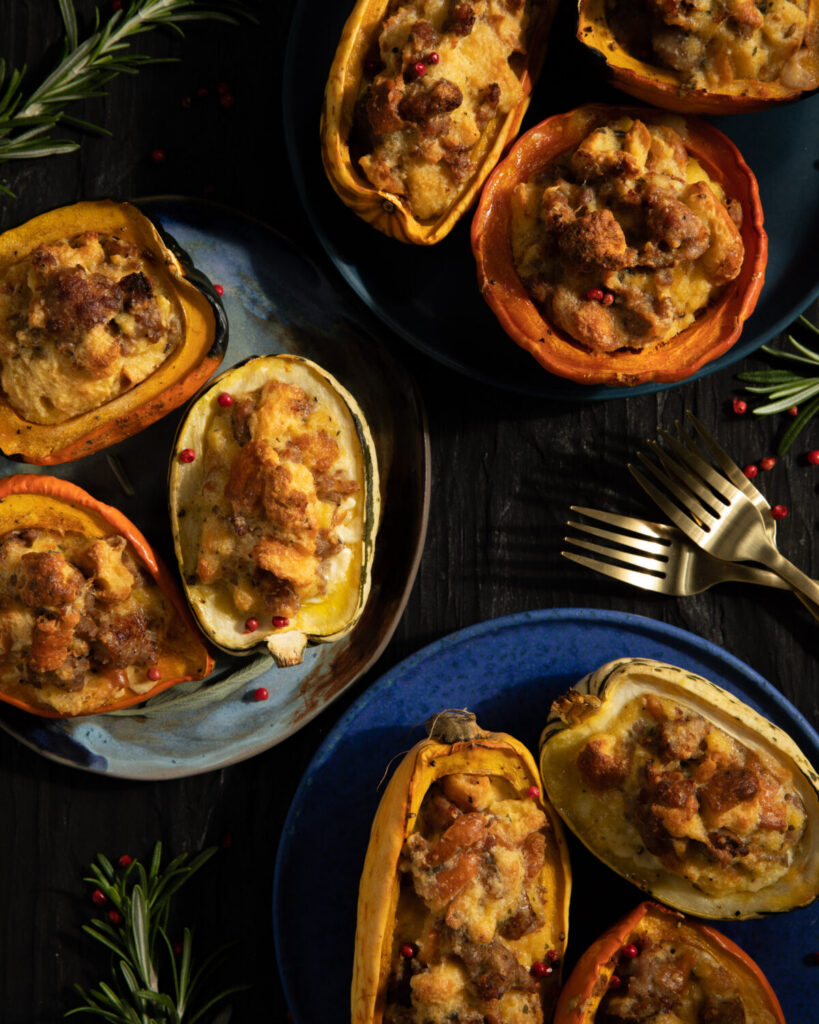
Cook up a seasonal dish that embraces the fresh ingredients that winter has to offer in our Savory Black Truffle Bread Pudding Stuffed Squash. A variety of tender, roasted winter squash such as delicata, acorn, and red kabocha, is stuffed with a savory mix of sweet Italian sausage, fresh herbs, and brioche for a decadent blend of textures and flavors. It’s the addition of the black truffle paste that gives this recipe a rich and luscious touch.
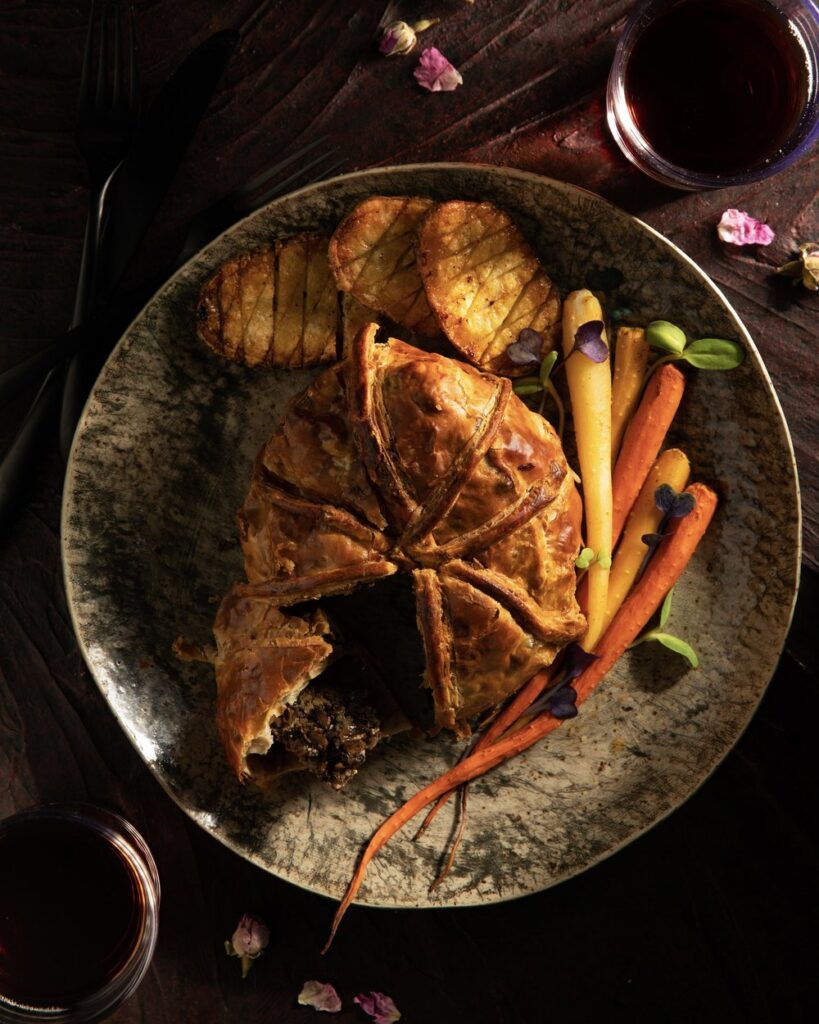
Looking for an elegant main course that’s sophisticated but not too complicated to make? Jackie Page’s Beef Wellington is made easy with store bought puff pastry, other ingredients you probably have in the kitchen already, and simple instructions. Plus, the sides of crunchy Crosshatched Potatoes and sweet Roasted Carrots complement each bite.
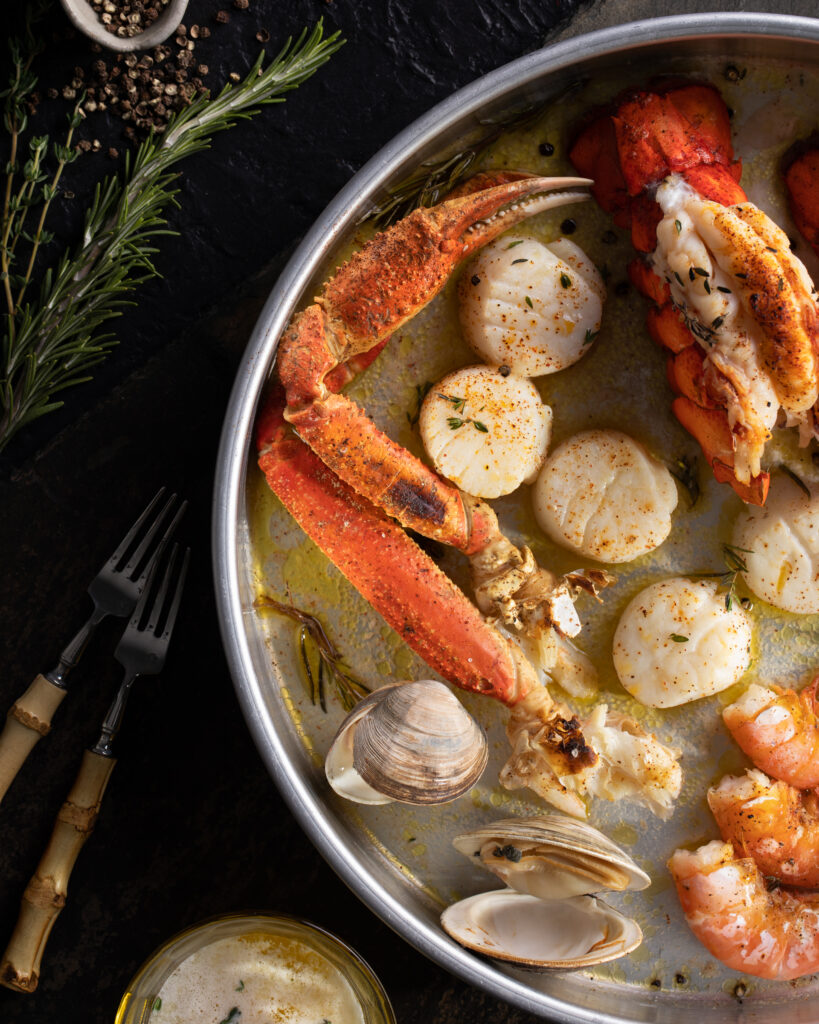
What’s more romantic than a Seafood Broil made from luxurious seafood that you can both enjoy from one pot? In this recipe, we make sure to pack in all your favorites like lobster tails, scallops, snow crab clusters, littleneck clams, and gulf shrimp. Serve with slices of lemon, homemade garlic bread, and whatever else your heart desires for an unforgettable night.
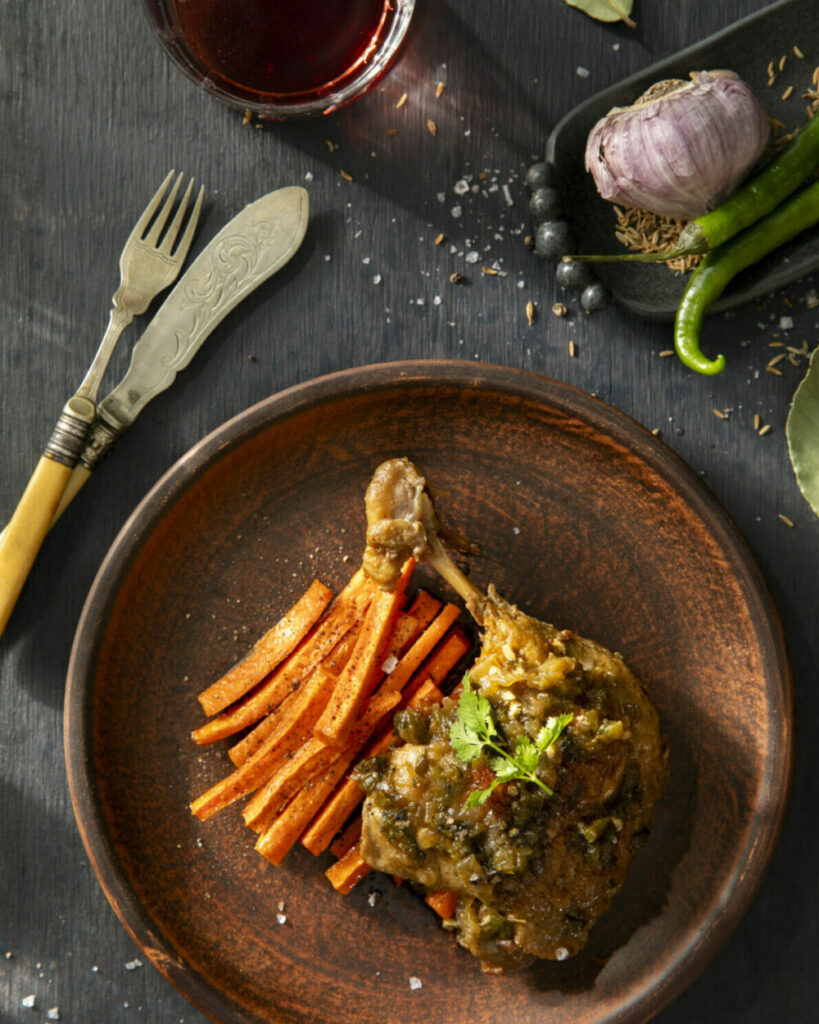
Show off your kitchen skills with delicious duck. It’s tender, juicy and can elevate any dish with nutty-tasting fattiness. For our Braised Duck Leg in Green Chile you won’t need much beyond excellent spices and sliced carrots for the accompaniment. For such an easy dish, the tasty payoff is huge.
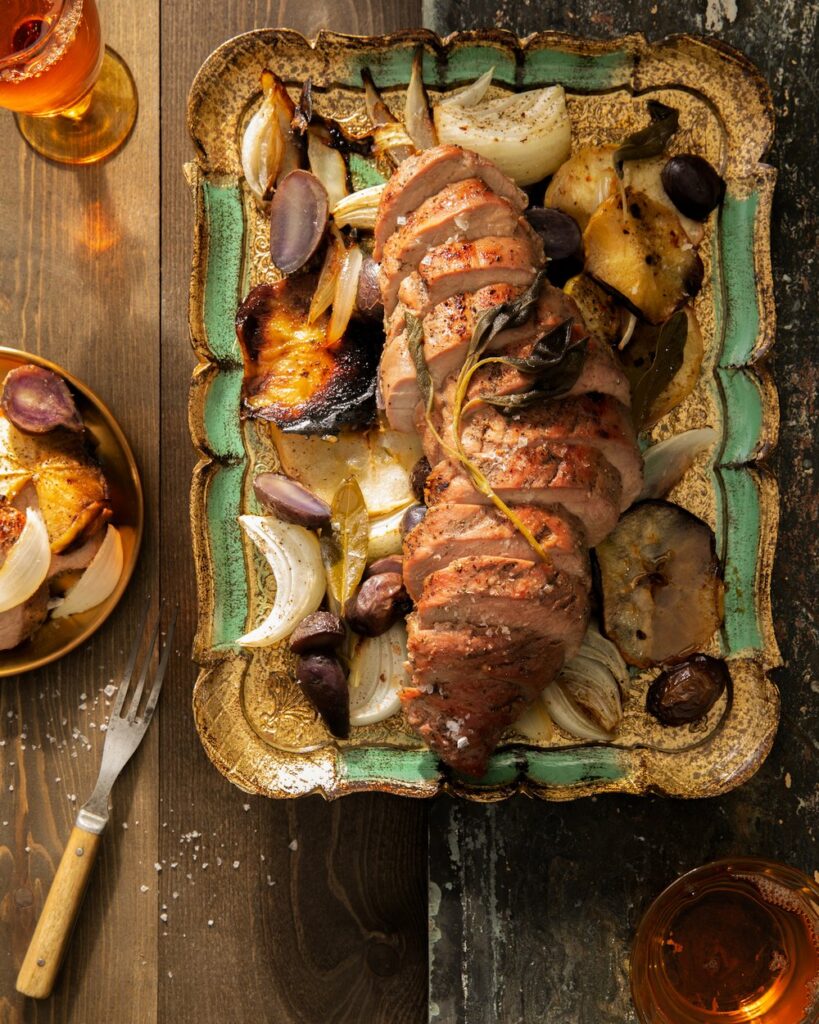
This meal is truly fit for a king… or a lovely couple looking to enjoy their Valentine’s Day. The Cider-Glaze is where this Pork Loin recipe shines. It’s made with apple cider, brown sugar, bay leaves, and sage sprigs for the perfect combination of sweet and savory. Place the loin along with apples and potatoes in the oven and you’ll have yourself a fantastic home-cooked meal that reminds you of home.
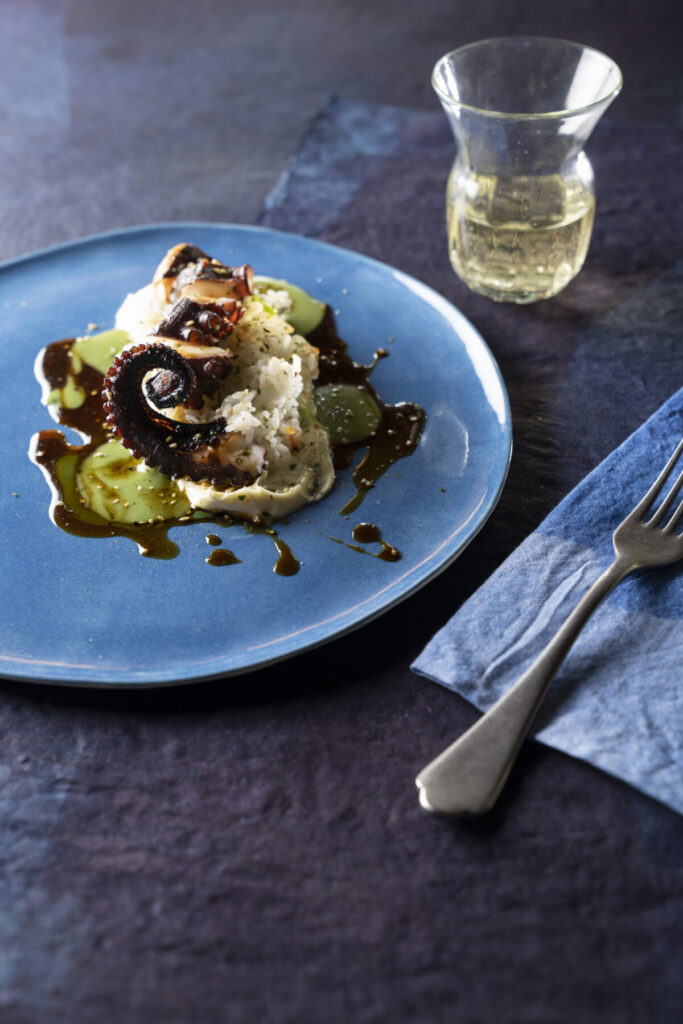
If you want to go all out and treat your loved one to an elevated meal with complex flavors, this Teriyaki-Glazed Grilled Octopus is for you. The recipe isn’t as complicated as it seems. You’ll learn to grill octopus, cook sticky rice, and make your own wasabi emulsion and teriyaki glaze. It all comes together with the richness from the teriyaki, balanced by the acidity from the yuzu and heat from the wasabi
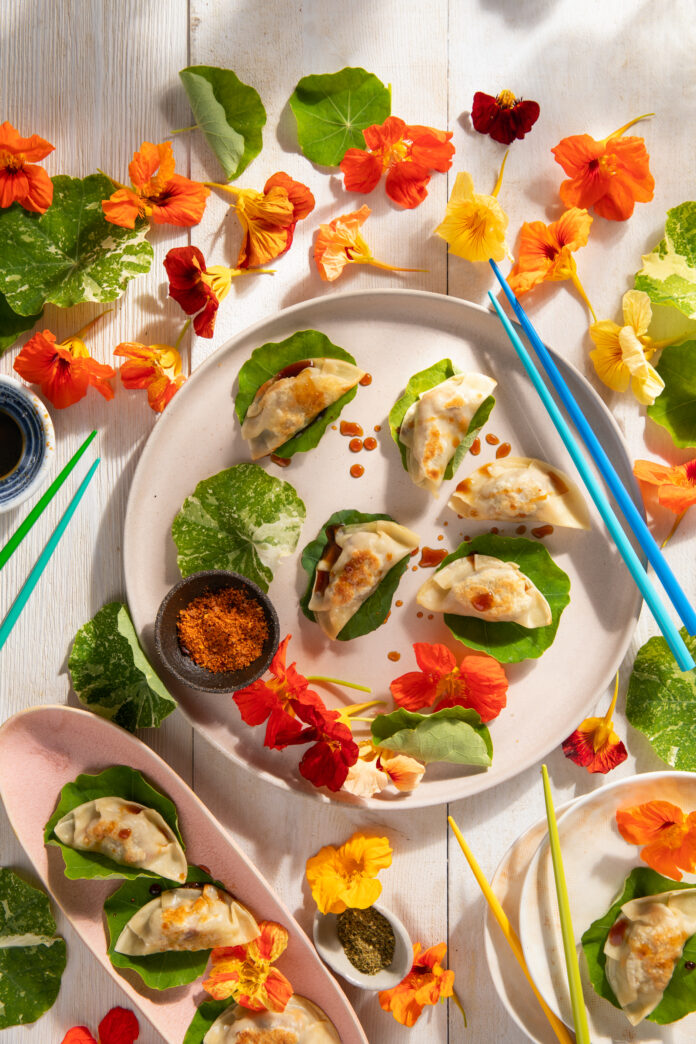
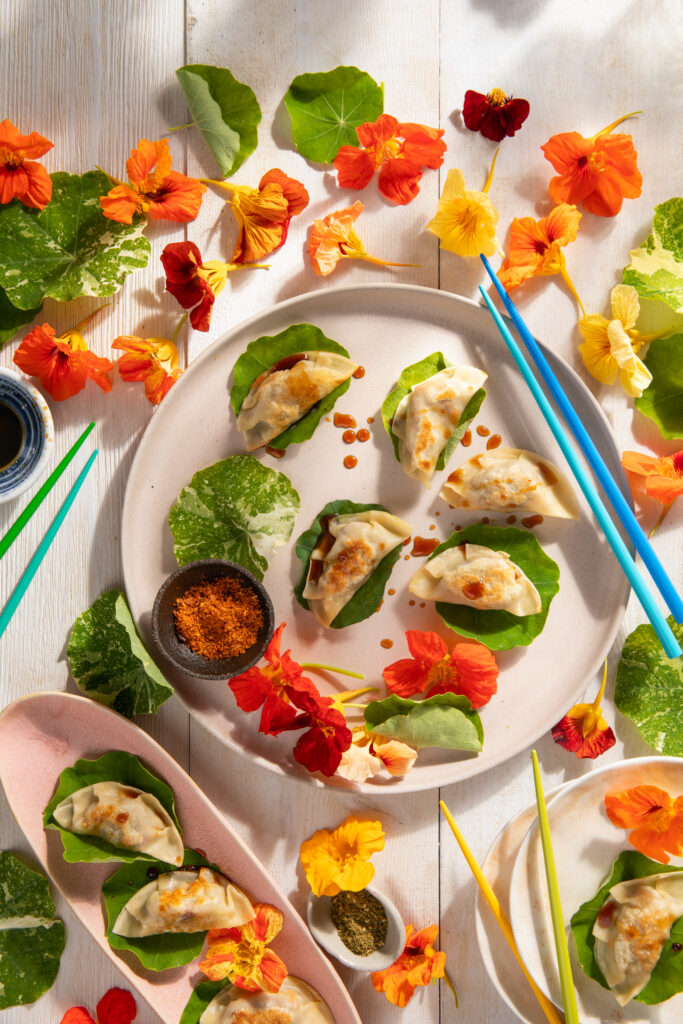
Create an art display right on your plate with the addition of edible flowers to dearly beloved Pork Dumplings. This beautiful recipe takes Asian flavors and infuses them with botanical tastes to make an upscale delicacy. With a spicy, floral bite, you’ll be amazed how much your cooking tastes and looks like a restaurant-quality meal.
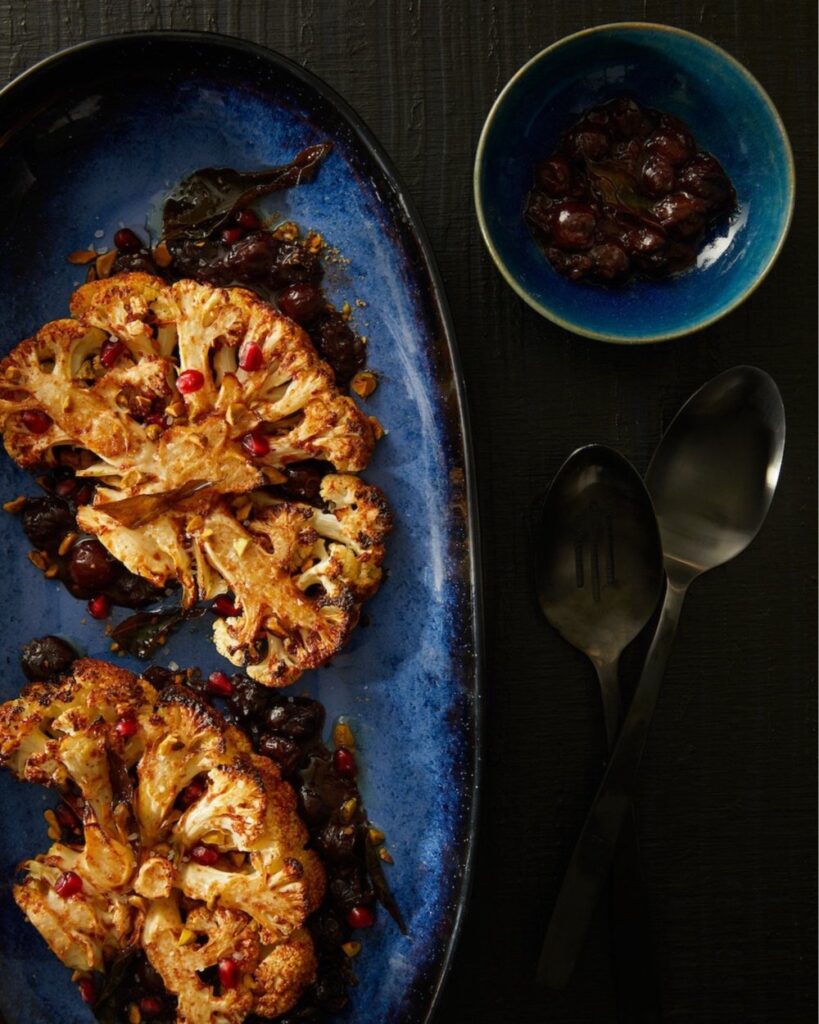
For all the vegetarians out there, don’t think we forgot about you. These Cauliflower Steaks are a delectable meat substitute. Maybe you’ll add a loaded baked potato smothered in cheese and sour cream. Or, you’ll cook up some risotto that’ll go beautifully with the Curry Leaf Oil and Red Wine Cherry Sauce. No matter what path you choose, you really can’t go wrong.
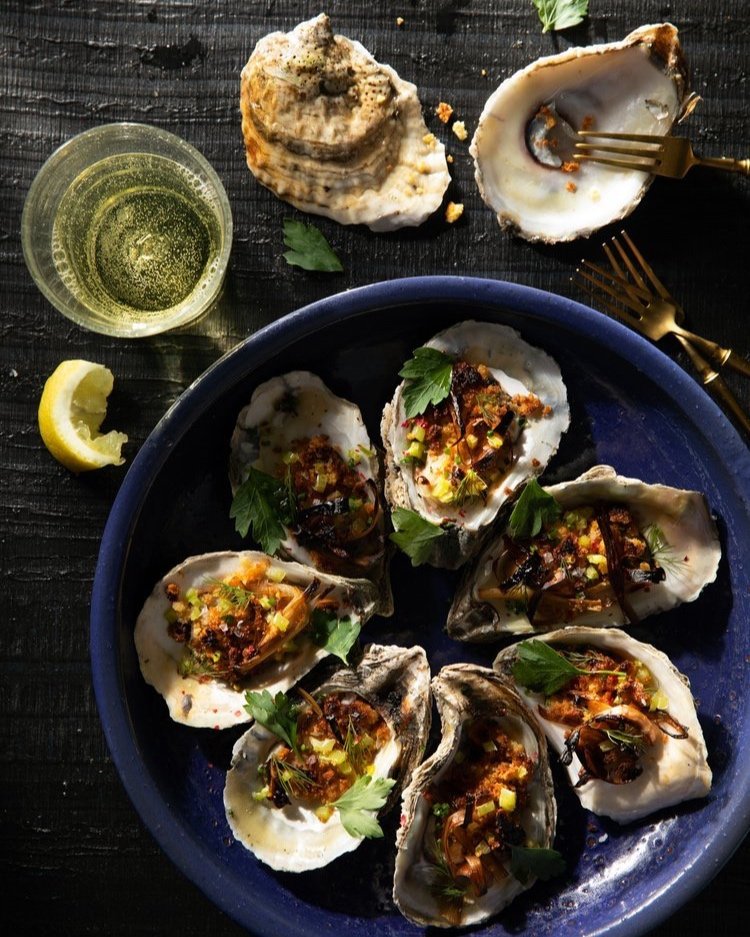
Oysters are one of the most popular aphrodisiac ingredients. They’re rich in zinc, which helps maintain dopamine. But, you won’t find your basic oysters here. Instead, our recipe combines them with Cornbread, Leek, and Banana Pepper Crumble that adds equal notes of sweetness and spice.
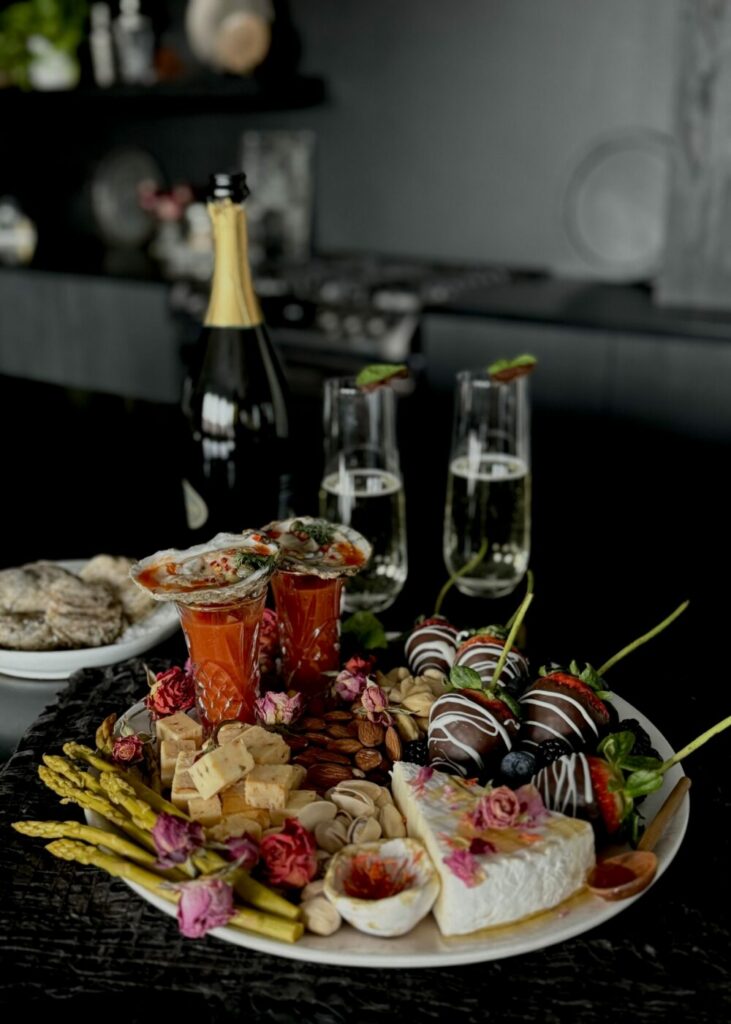
Dinner does not have to consist of just one main course. Instead, split your meal up into bite-size pieces. Our Aphrodisiac has all you need to woo your lover and set the perfect, romantic, intimate mood. You can get creative with your choices depending on if you prefer a more savory or sweet board. But, we recommend adding asparagus, berries, cheese, oysters, nuts, and peppermint leaves to get the blood flowing. It’s a way to have dinner, dessert, and snacks all in one so you can leave the rest of the night for celebrating further.
Nothing says panic shopping like Valentine’s Day. Fatigued financially and emotionally by Christmas-shopping excess, Valentine’s Day sneaks up on us. And let’s face it, we’ve all seen the crazed look as someone throws a bunch of red roses with baby’s breath into their shopping cart, and dashes to the checkout line.
If you’d like something with a bit more style, then we’re here to help.
Give someone your heart with the gift of a Girard Classic Love Mug, based on the motif from design guru Alexander Girard. There’s also a Love Tray, made of laminated plywood, that is perfect for serving your near and dear a heartfelt cup of tea in the aforementioned mug.
For the cerebral Valentine in your life, we turned to our friends at Collected Works for book suggestions that put their ‘heart’ in it. For the hardcore horror fan, My Heart is a Chainsaw. History buff? Definitely Bury My Heart at Wounded Knee. For smaller-sized hearts, there is NOT a Heart. And of course our favorite, The Heart is a Lonely Hunter. Here’s hoping your Valentine’s Day isn’t lonely!
Photo courtesy of TOKo
Dressed in Red
Say it loud and say it proud with show-stopping clothing and accessories from TOKo that have Valentine’s Day written all over them. If your beloved isn’t getting the hint, then this could be the gift you give yourself. And trust us, when it comes to this vibrant red, everyone wears it well.
Something sweet for your sweetheart? We can’t think of a better way to say I love you or even, I think I might like you just a bit…than Dolina’s almond linzer hearts with raspberry jam.
SWAIA Native Fashion Week (SNFW) in Santa Fe, the first-ever American-produced Indigenous Fashion Week, has announced this year’s 14 participating designers. This event works to empower Indigenous designers and creators to narrate their stories through the medium of fashion arts. Audiences will learn about the world of Indigenous fashion and how these designers made a name for themselves. The event culminates in a fashion show.
The week starts off with a media launch event at the New Mexico Governor’s Mansion on Thursday, May 2. The following day at the Santa Fe Convention Center, a fashion mini symposium with panel discussions addresses topics such as, “Why Native American Fashion Matters?” and a “Designer Focused Fashion Hub.” The event finishes on Saturday and Sunday, which are dedicated to the mainstage fashion show featuring looks from each designer and their brand.
Tickets go on sale online in March. Watch SWAIA and SWAIA Native Fashion for complete event details and ticket information.
14 Native American and Indigenous Canadian designers plan to participate, including:
The Mediterranean Diet is considered by quite a few experts to be the best option for many of us. It focuses on the food practices of the Mediterranean region with an emphasis on heart-health. Usually this includes dishes that feature vegetables, whole grains, seafood, beans, nuts and seeds, and especially olive oil, while avoiding foods like red meats, processed sugars, and refined grains. Lowering cholesterol and blood pressure are great goals, but the its the unique flavors and vivid energy boost you get from healthy ingredients will keep you coming back for more.
If you’re not sure how to start incorporating the Mediterranean diet into your lifestyle, here are some recipes that provide the essential ingredients that’ll become your new best friend.
Salmon is one of the top protein choices in a Mediterranean diet and it’s easy to see why. It’s packed with omega-3 fatty acids that help promote heart health through reducing cholesterol and blood pressure. Try it combined with the just as healthy and helpful pomegranate in this Marinated Salmon meal for a lovely blend of tastes and benefits.
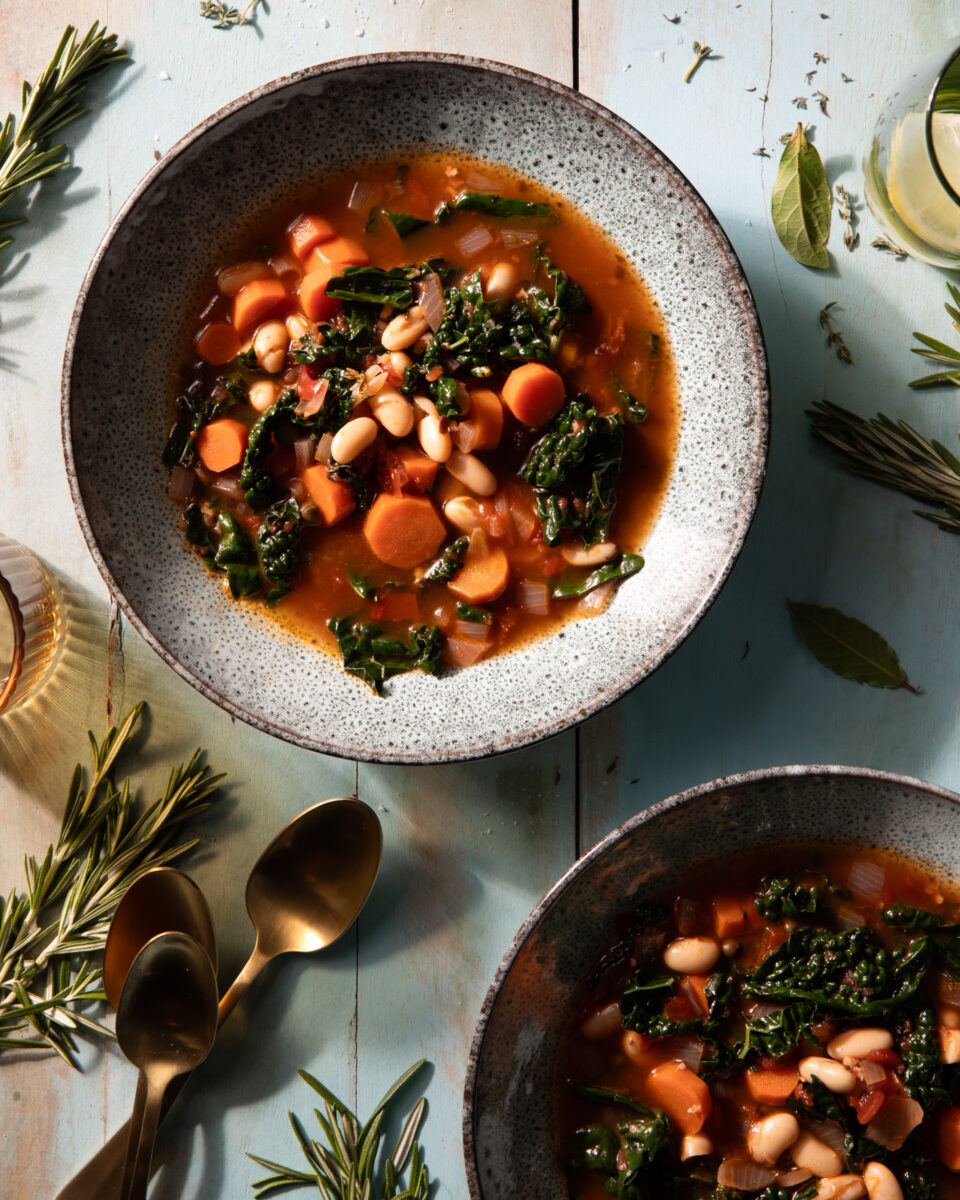
There’s nothing quite like a hearty stew that’ll have your stomach full of fresh, flourishing ingredients. This Mediterranean Stew makes substantial use of farm-grown vegetables, homemade marinara sauce, and plenty of seasonings. Lose yourself in the comforting flavors of cannellini beans, carrots, tomatoes, onion, and kale, all key elements of the diet.
Beans are a satisfying part of a healthy meal. They’re rich in iron, protein, and dietary fiber. These White Bean Tuna Salad Wraps are not only delicious but are loaded with nutrients perfect for midday pick-me-ups. The tuna is also soaked in olive oil rather than water to increase vitamin D and selenium intake.
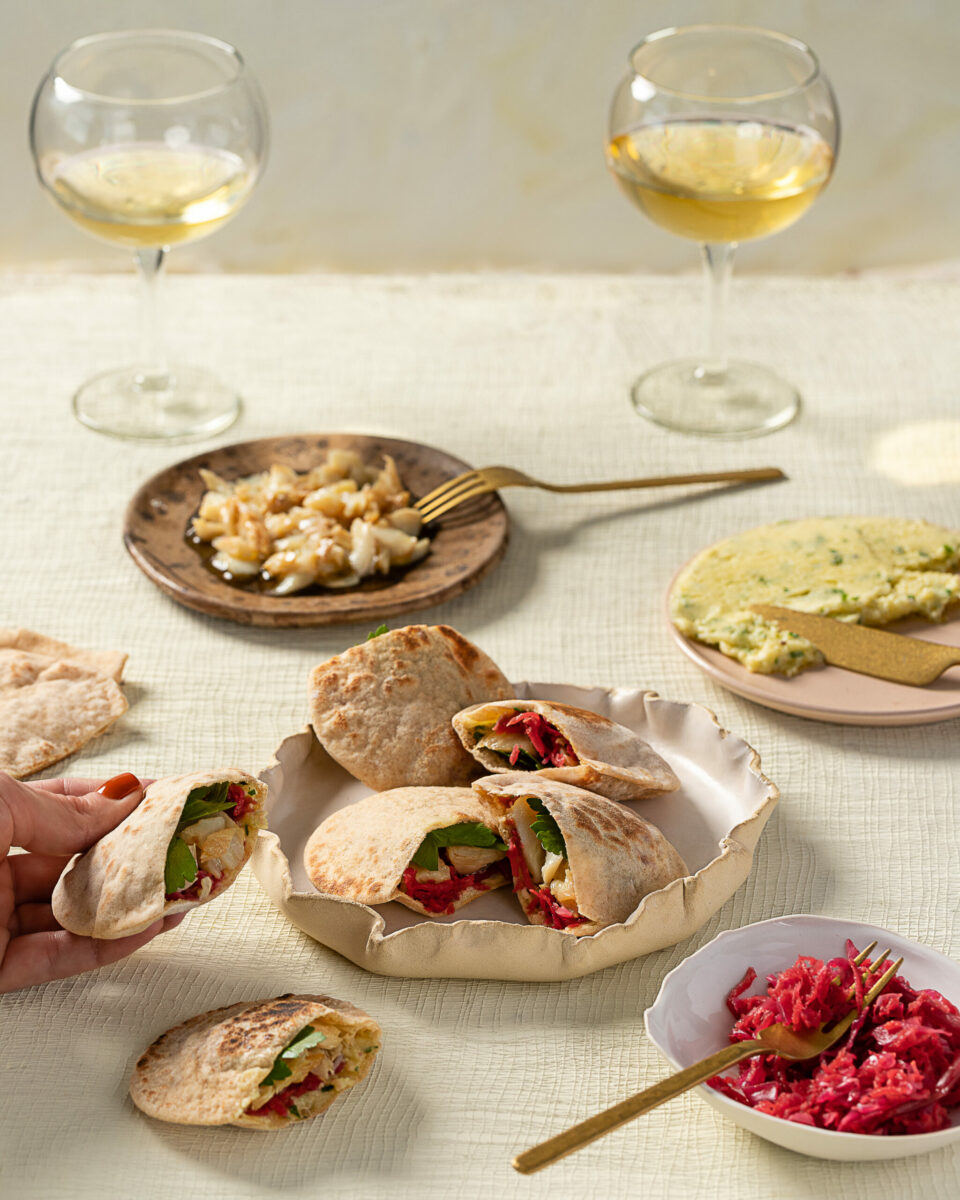
A mixture of hearty potatoes, almonds, Greek yogurt, and other wellness ingredients make up the skordalia in this recipe. When combined on a wrap with salted cod and fermented beets, you’ll see why this dish is a winner for lunch and dinner. Plus, you’ll learn to make your own whole-grain pitas at home.
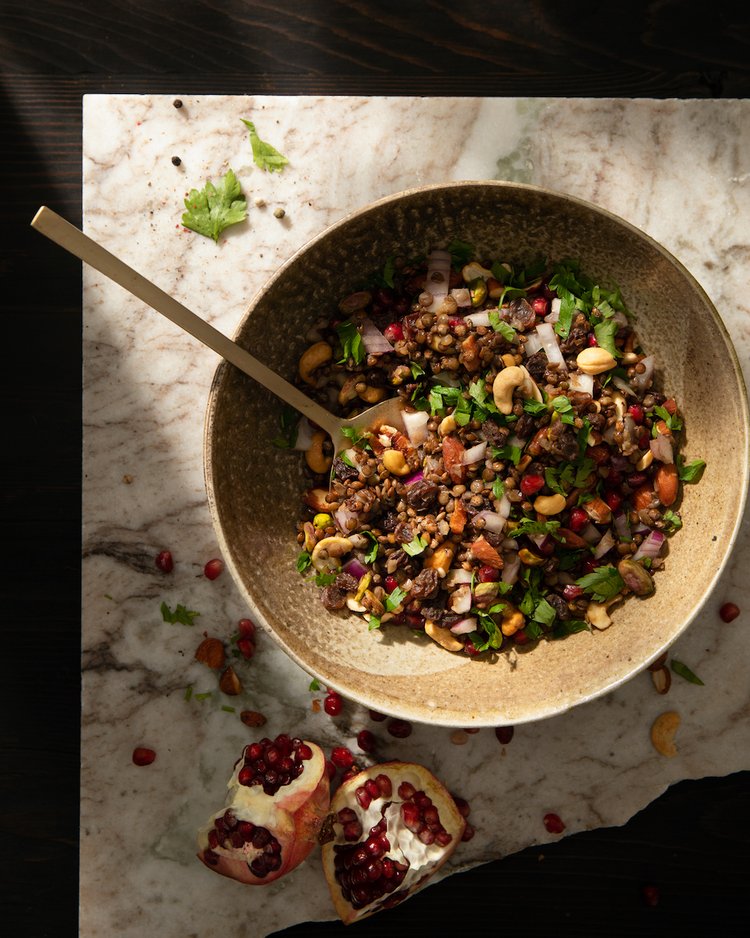
Inspired by Persian dishes like Jeweled Rice, this healthy vegetarian dish fuses the warm, savory appeal of lentils with fresh nuts, raisins, and pomegranate seeds. The addition of nuts and seeds bring in the proteins you miss from meat while also helping lower the risks of heart disease.
Couscous, made from whole wheat flour, contains plenty of protein and fiber. That’s why it’s part of the Mediterranean diet. It’s also a lovely platform upon which to build a meal like this Simple Chimichurri Shrimp with Couscous. Everything you need can be found at your local grocery store…and you can even pick up some store-bought chimichurri in case you don’t have time to make your own.
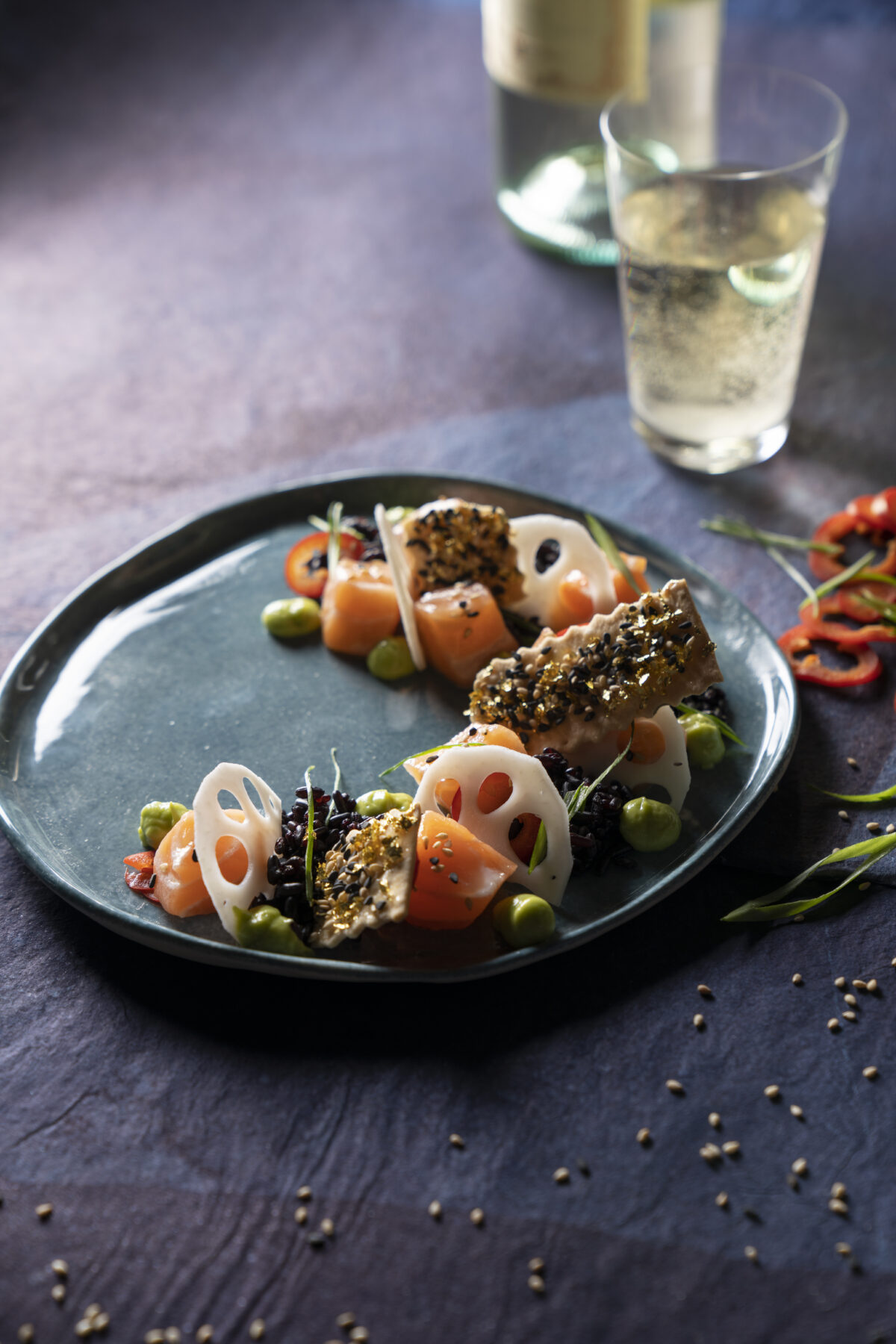
Bring a platter of this Salmon Poke with Yuzu to the table when you want to impress guests with a dinner that just happens to be part of your Mediterranean Diet plan. The ingredients–from the wafer-thin slices of lotus root and Fresno chile, to green pops of color from avocado purée–create a dazzling display of contrasting yet complementary flavors and textures.
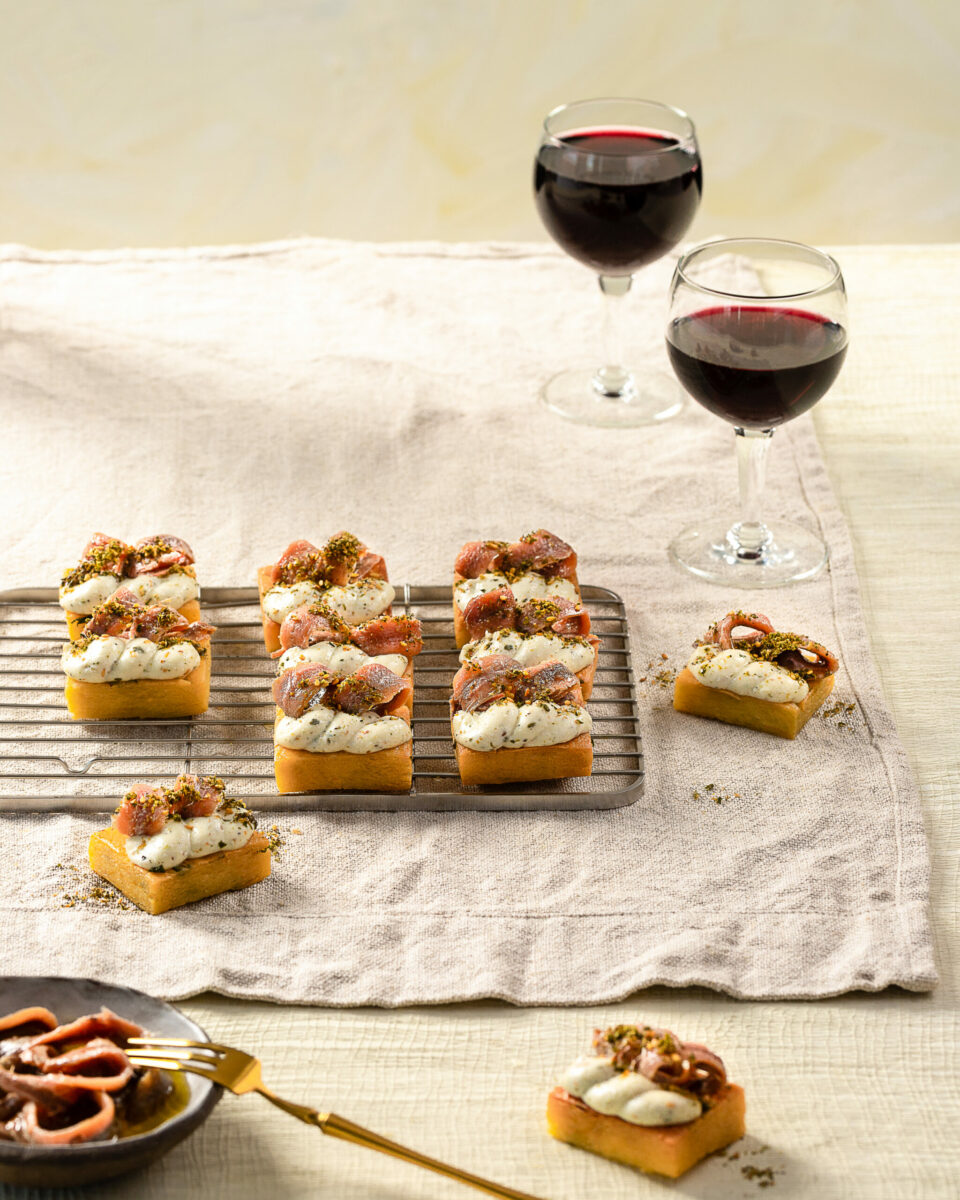
Chickpeas are another excellent source of protein and are used frequently in Mediterranean cooking. After frying up these fritters, you’ll slather them with a homemade ricotta and top with salty anchovies. They make a great snack or can be made as an appetizer for any party.
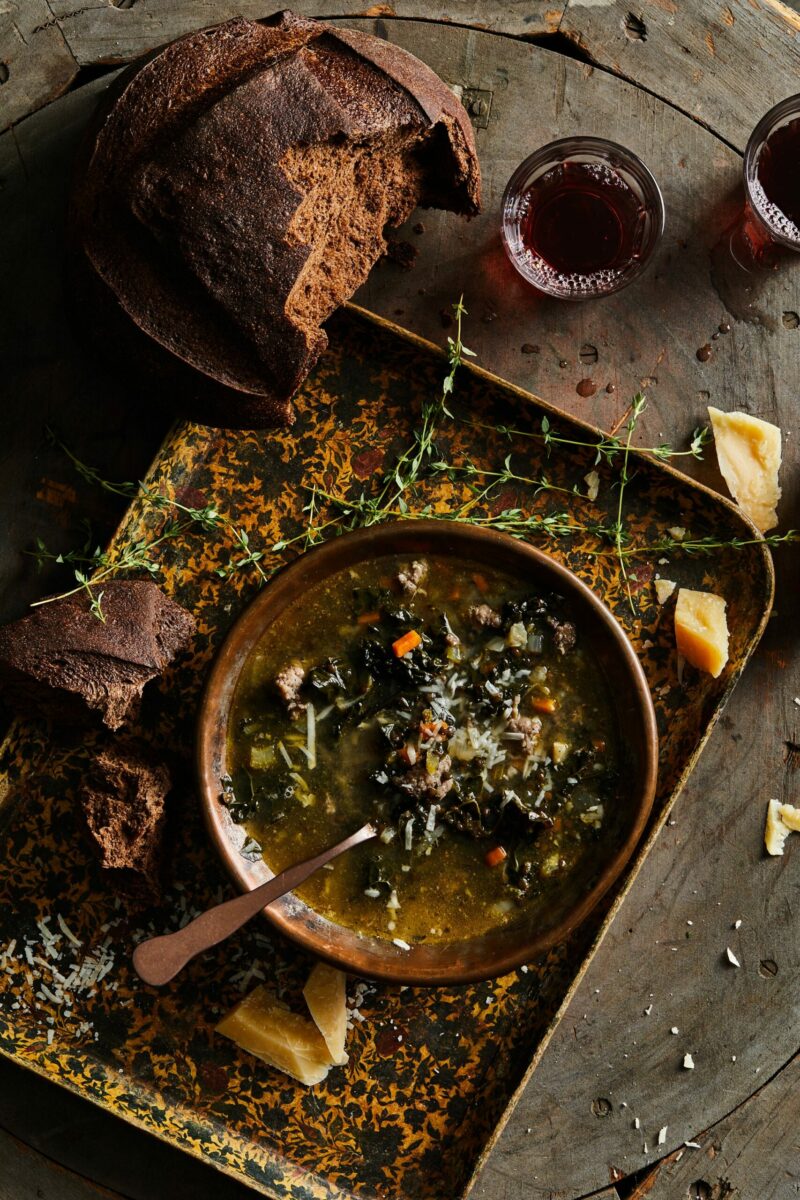
Lentils are high in both fiber and protein, plus they offer up substantial amounts of iron, manganese, folate and phosphorus – all essentials to healthy human bodies. You’ll get your daily helping of lentils along with plenty of veggies in our Italian Lentil Soup. It’s not just great for your body but great for your taste buds too.
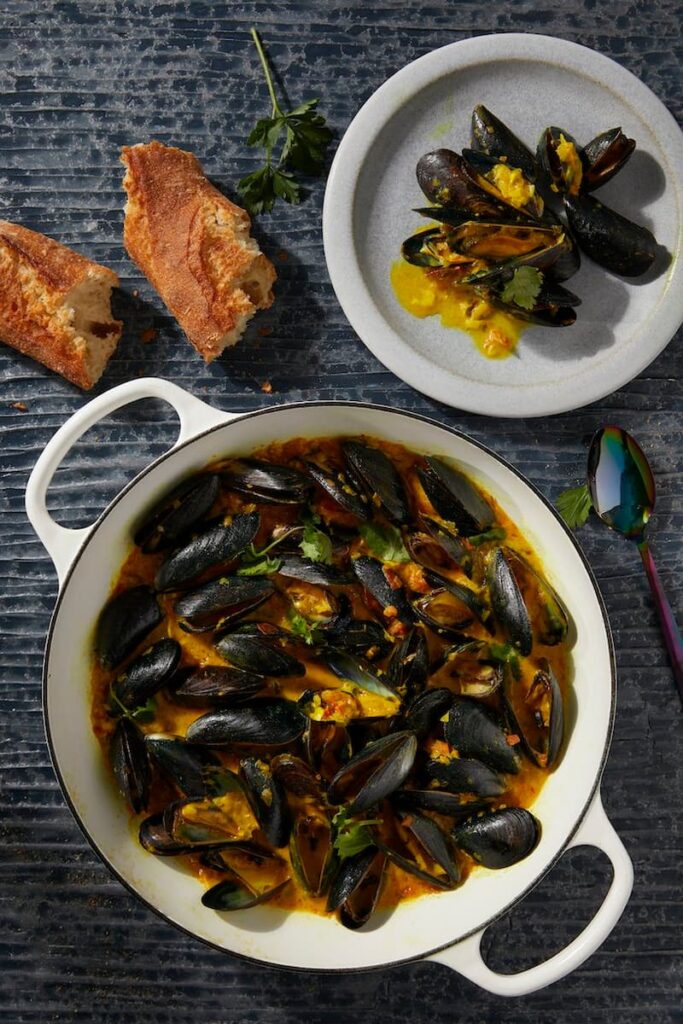
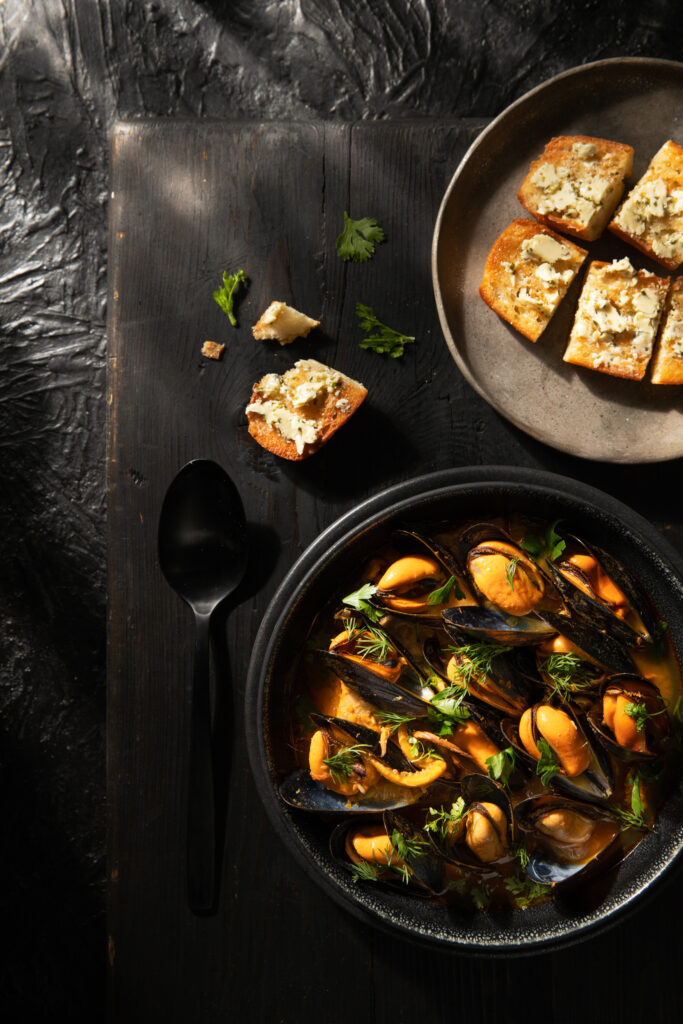
Seafood like mussels are one of the most important parts of a healthy Mediterranean diet. In this case we use them in a recipe for Coconut Curry Mussels. This dish also includes the goodness of olive oil, green chilis, Roma tomatoes, and unsweetened coconut milk. You can even replace the ghee for more olive oil to suit your needs.
Speaking of mussels, this seafood stew takes advantage of fresh mussels, cod, calamari, monkfish, tuna, and shrimp. Our Sopa de Mariscos soaks these ingredients in a seafood stock alongside spices, carrots, fennel, tomatoes, garlic, and onion. This recipe is the perfect way to enjoy a special dinner without the guilt afterwards.
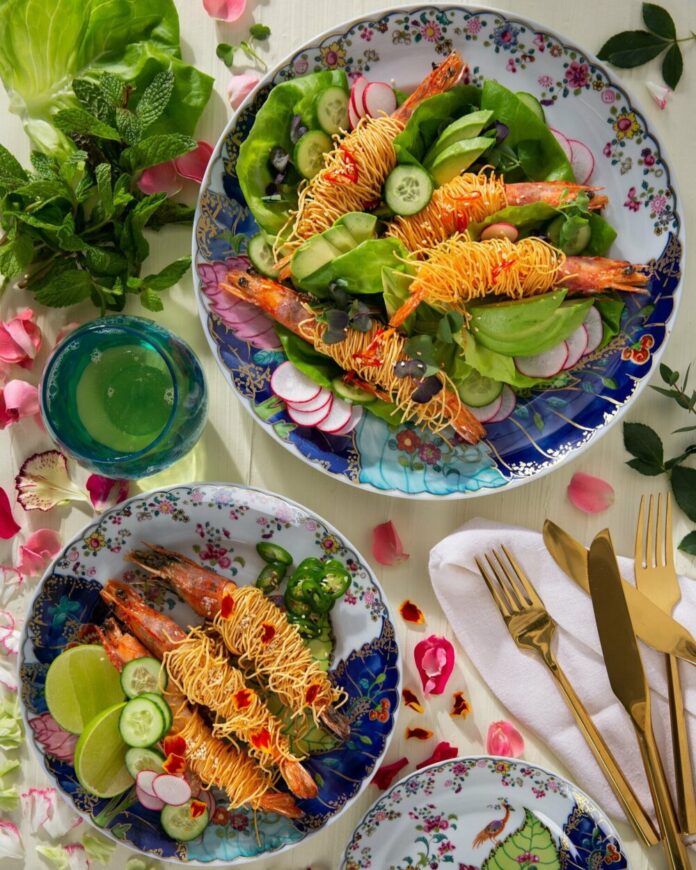
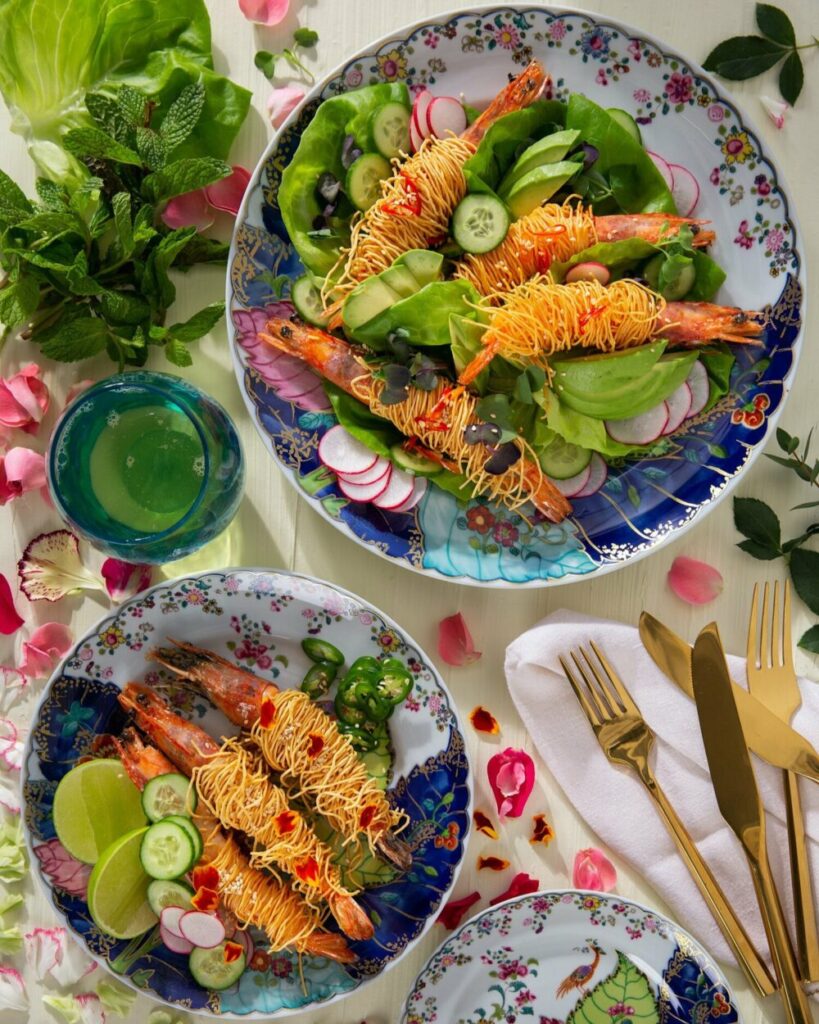
Prawns take center stage in this healthy recipe that’s perfect for lunch or a light dinner. We coddle Wonton Noodle-Wrapped Prawns into lettuce leaves and top with avocados, jalapeños, radishes, cilantro, toasted sesame, cucumbers, microgreens, and a drizzle of sesame ginger dressing. You’ll be completely satisfied when the end product tastes even better than it looks.
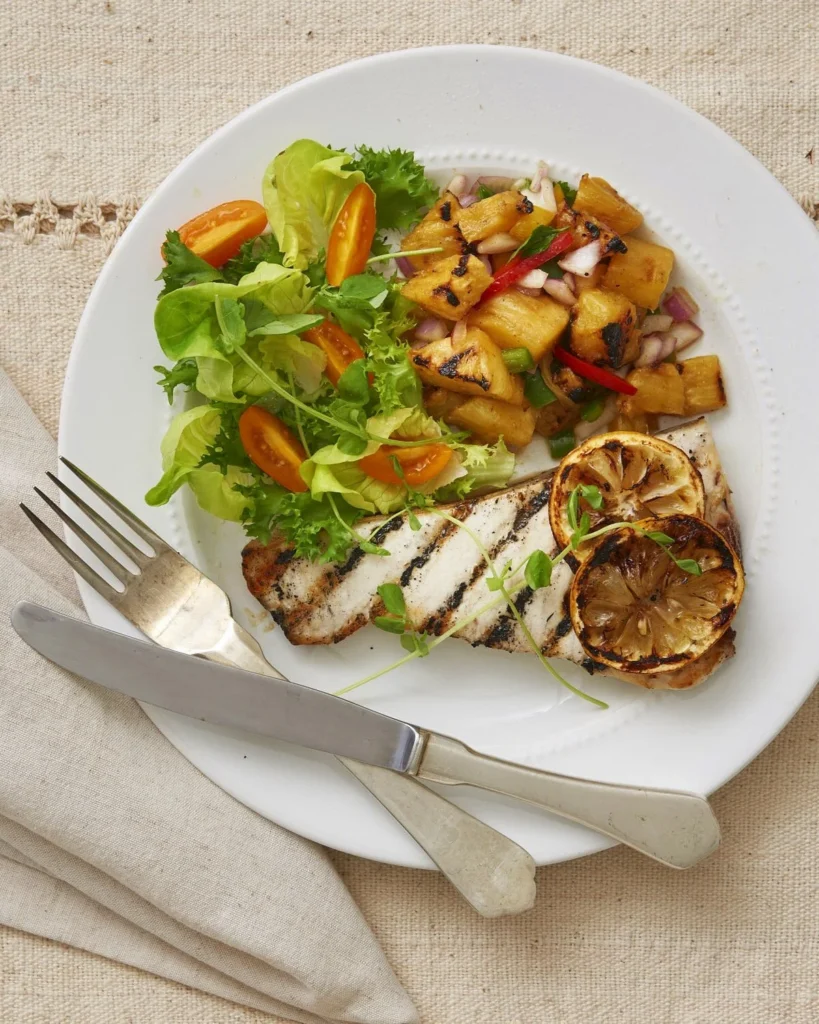
Swordfish and other seafood are encouraged in the Mediterranean diet as lean sources of high-quality protein as well as healthy fats. This Grilled Swordfish recipe combines the smoky flaky nature of swordfish with a pineapple salsa that adds notes sweet, tangy, and spicy flavors.
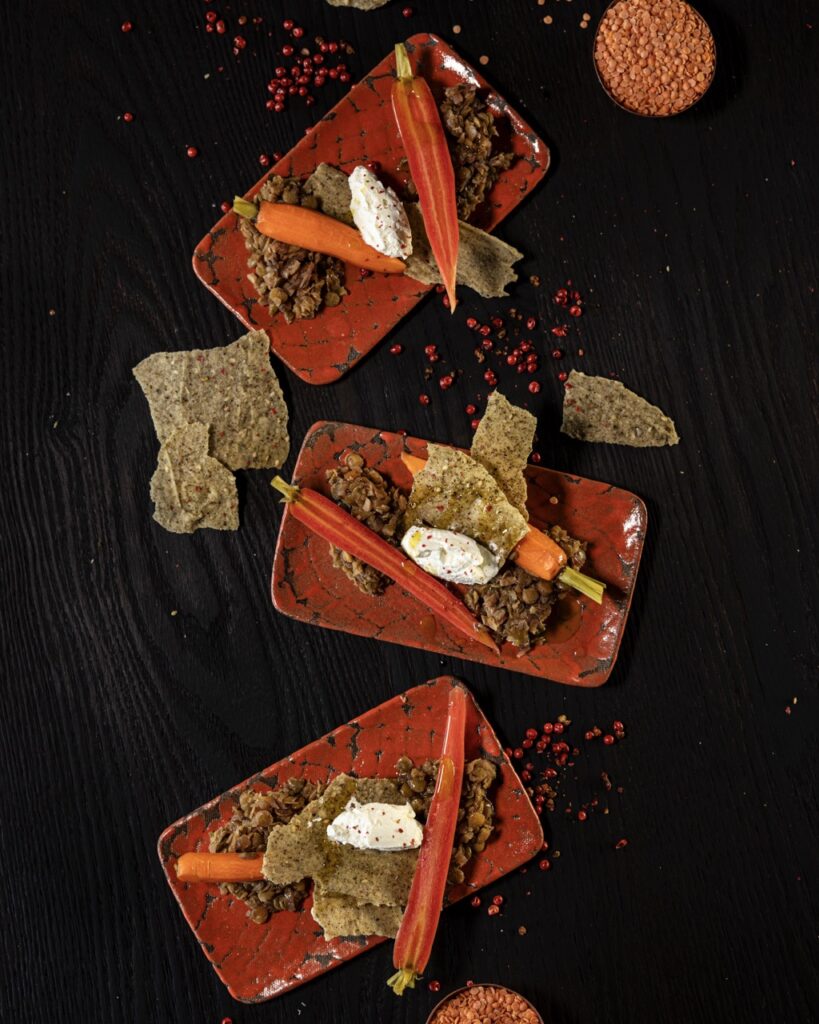
Seeds, lentils, fresh vegetables, this Pickled Baby Carrots recipe has it all. The bright pickled vegetables bring acidity, while the lentils help to healthily fill you up, and a smoked labneh made with the Mediterranean diet staple Greek yogurt finishes things with its creaminess.
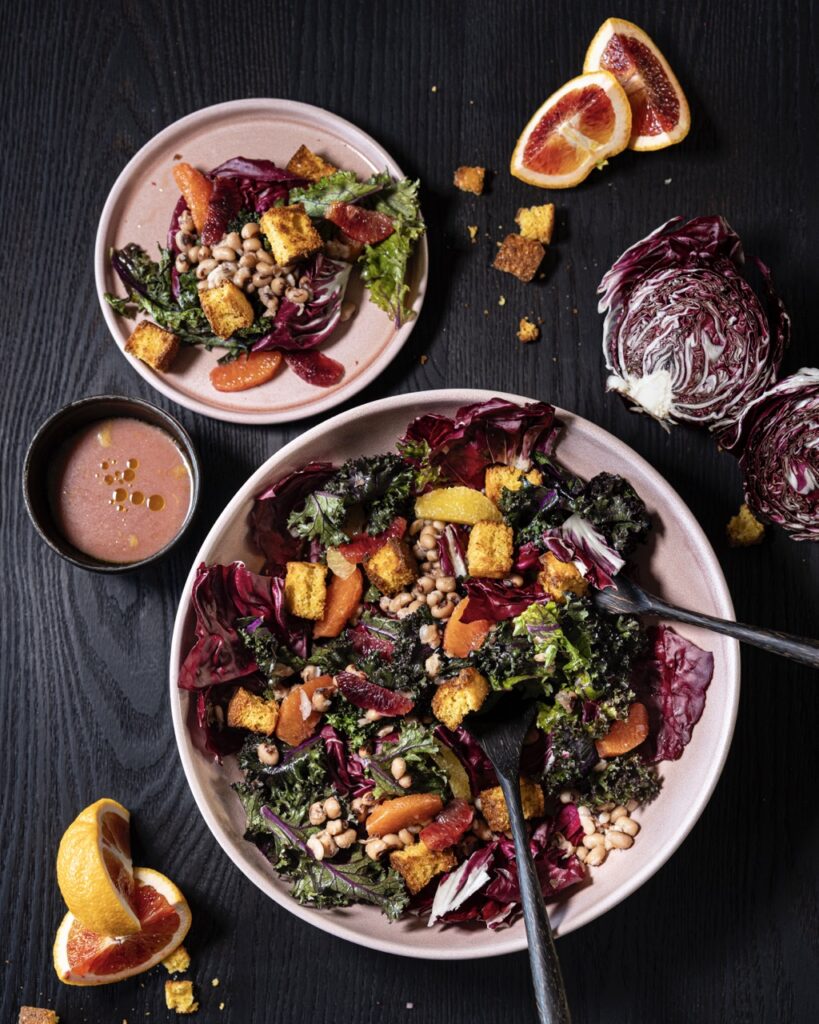
Just looking at this hearty bowl full of wellness makes our mouth water. This Black‑Eyed Peas Salad is packed with fresh vegetables, herbs, and a citrusy dressing. Legumes are another must in Mediterranean‑inspired eating, carrying plant‑based protein, fiber, and essential nutrients.
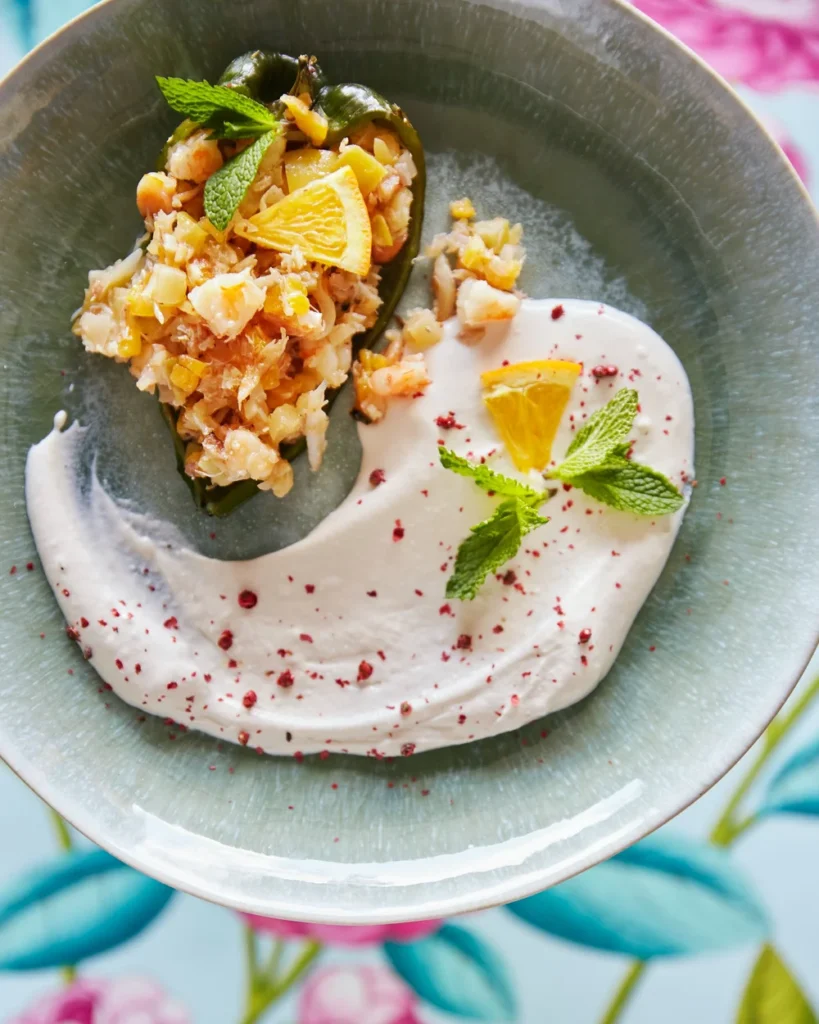
Sweet crab, shrimp, and octopus stuff into crisp roasted peppers over top of a silky cashew sauce for a dish that’s as impressive and flavorful. Even though this Seafood Stuffed Poblano Peppers recipe creates its cashew sauce using crème fraîche, we recommend using Greek yogurt instead for a lower volume of fat.
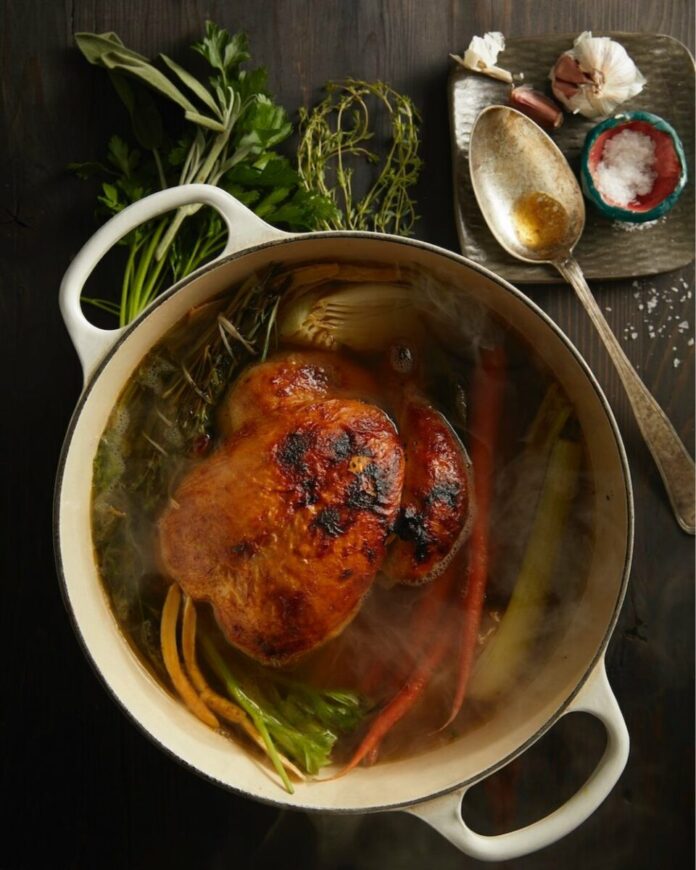
The beginning of the year marks plenty of momentous occasions and unfortunately, one of them is cold and flu season. Don’t let these sicknesses get you down: take the time to prepare your system for the winter with our Immune Boosting Bone Broth recipe. This recipe is made with whole chickens, carrots, celery stalks, and a bowl full of spices. And, plus, bone broth is a great base for homemade soups, stews, and even chili. Who knew that being healthy could be so delicious?
Why is Bone Broth Good For You?
Your body will thank you for the extra boost of warm, savory nutrients in this broth. It contains gelatin, which can reduce gut inflammation and help good bacteria in the digestive system. Bone broth is full of collagen a protein that helps maintain bone strength and integrity, hence its namesake. If you’re trying to lose weight, this high-protein broth, which can help you feel full longer and nourish your system with healthy ingredients, should help you avoid high-calorie, less filling foods. And don’t forget the amino acids that will help you boost your immune system during cold season.
A stew to boost your immune health when you need it the most.
Ingredients
Scale
2 whole chickens
4 carrots cut into large pieces
4 celery stalks cut into large pieces
2 onions cut into large pieces
6 cloves garlic, whole
1⁄4 cup apple cider vinegar
2 tbsp. sea salt
2 tbsp. whole peppercorns
10–15 pieces dried astragalus root
2 whole bay leaves
2 gallons water
Instructions
Roast two whole chickens in the oven until golden brown. No need to worry about the inside being cooked, you just want the outside to brown for extra flavor.
Add everything into a large stockpot and bring to a boil.
Once the broth has come to a boil, allow to simmer for 12 -24 hours, skimming the top occasionally to remove the foam that forms at the top. (the longer you allow your broth to simmer, the more flavor and nutrients your broth will have.) Turn off the heat ad carefully strain your broth. (you may be tempted to save the meat from the chickens but at this point all the flavor and nutrients will be in the broth and no longer in the meat of the chicken.)
Strain your broth and use it in soups, stews, chili, or sip it as is with some cracked black pepper on top!
if ( unit && ( ‘metric’ === unit || ‘usc’ === unit ) ) {
document.querySelector( ‘.tasty-recipes-convert-button[data-unit-type=”‘ + unit + ‘”]’ ).click();
}