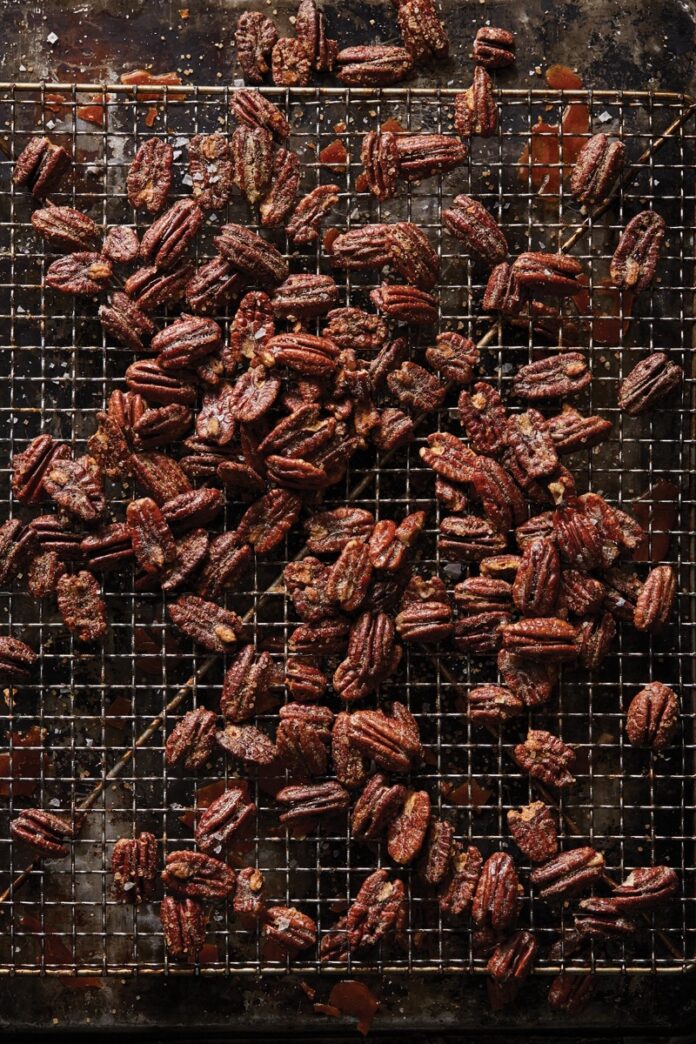
There’s something irresistible about the mix of sweet, salty, and crunchy, and these candied cocktail pecans deliver all three in every bite. Abbey Brown of Feast on Brilliant shares a recipe that’s simple to make yet feels special enough for any occasion. Lightly sweetened with vanilla and sugar, then finished with a sprinkle of flaky Maldon sea salt, these pecans are the kind of snack that disappears fast from the table.
How to Use These Candied Cocktail Pecans
Perfect for holiday parties, cocktail hours, or even as a homemade gift, try this easy candied pecan recipe. It uses just a handful of ingredients and comes together in under 30 minutes. The egg white coating helps the sugar stick, creating a crisp shell around the pecans that bakes to golden perfection. The final touch of sea salt balances the sweetness and makes these nuts stand out from the usual party snacks.
Enjoy them on their own. Pair them with cheese and charcuterie, or package them in jars for a thoughtful edible gift. However you serve them, these sweet and salty pecans are a crowd-pleaser that bring a little extra sparkle to any gathering.
These crunchy pecans are coated in vanilla, sugar, and egg whites, then baked until golden and caramelized. A perfect sweet‑savory snack for holiday gatherings or cocktail hour.
Ingredients
Scale
2 egg whites
2 tsp vanilla
1 tsp kosher salt
4 cups raw pecan halves
1/2 cup granulated sugar
2 tsp Maldon sea salt
Instructions
Preheat oven to 350 degrees.
In a large bowl, combine egg whites, vanilla, and kosher salt; whisk vigorously until frothy. Fold in pecans until completely covered in wet egg mixture. Add sugar to bowl and continue mixing.
Line a sheet tray with parchment paper and spray with pan spray.
Transfer sugared pecans to sheet tray and spread them out to make one even layer. Bake until sugar is bubbly and just golden brown at 350 degrees for 20 to 25 minutes, stirring once halfway through. Sprinkle Maldon sea salt over pecans as soon as they come out of the oven. Let cool. Transfer pecans to an airtight container, breaking up pieces as needed.
Recipe by Abbey Brown, Feast on Brilliant Styling by Ana Kelly Photography by Adam Milliron
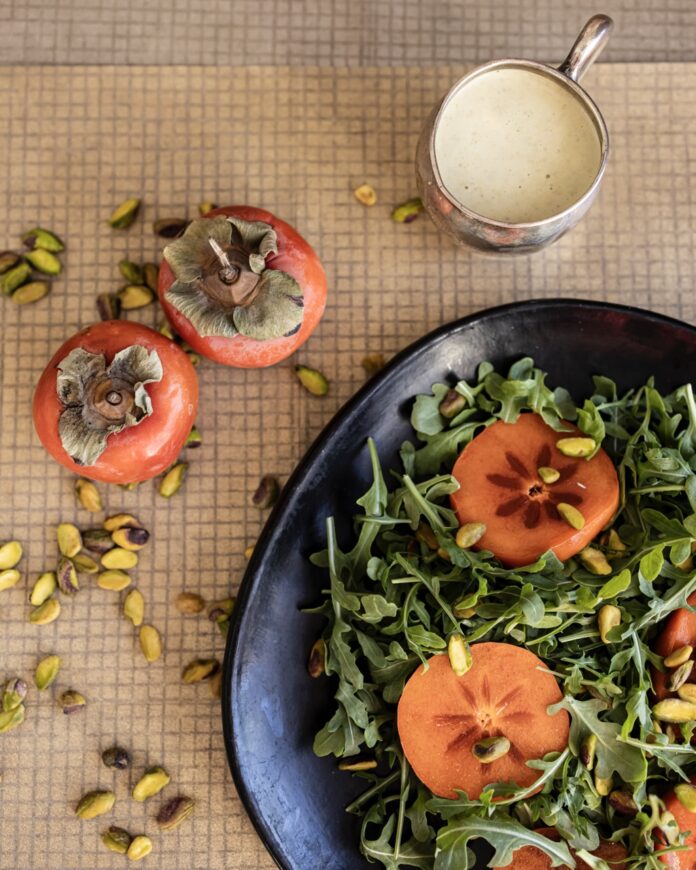
Persimmons ripen in the late fall, just after the colors of the landscape have faded. Jewel-toned fuyu persimmons are a mid-to-late season variety, arriving just in time to dress up the holiday season. They lack the tannins of other persimmons and their candied sweetness makes them a bright spot for both your table and your tastebuds.
How to Use Persimmons in the Winter
Persimmons grow on trees and are technically berries, originating in China and first harvested over two thousand years ago. Like avocados, mangos, and most certainly bananas- persimmons have their precise moment of perfect, ripe, deliciousness. Catch it quickly, because it’s fleeting.
Persimmons are also rich in legend and myth. Korean folklore says that dried persimmon can scare away tigers. In Malaysia and Singapore, large persimmons are viewed as a status symbol. Closer to home, folks in the Ozarks say you can tell how severe winter will be by slicing open a persimmon seed and seeing whether it’s shaped like a knife, fork, or spoon (a fork means mild weather; spoon means snow; and a knife means cold that cuts like a – you guessed it – knife).
One of the traditions surrounding persimmons is hoshigaki, a centuries-old Japanese method of preserving the fruit. It requires peeling persimmons before hanging them on strings and gently massaging the fruit every day for four to six weeks, until it forms a powdery white skin and develops a deep, nuanced sweetness.
Making a Winter Salad
If your holiday season is as frenzied as mine is, you don’t have much free time for massaging persimmons.Here’s a better idea. In minutes you can assemble a healthy, eye-candy salad. Start with handfuls of peppery arugula, top with perfectly ripe, thinly sliced persimmons, and finish off with a generous sprinkle of pistachio nuts, and a lemony vinaigrette dressing.
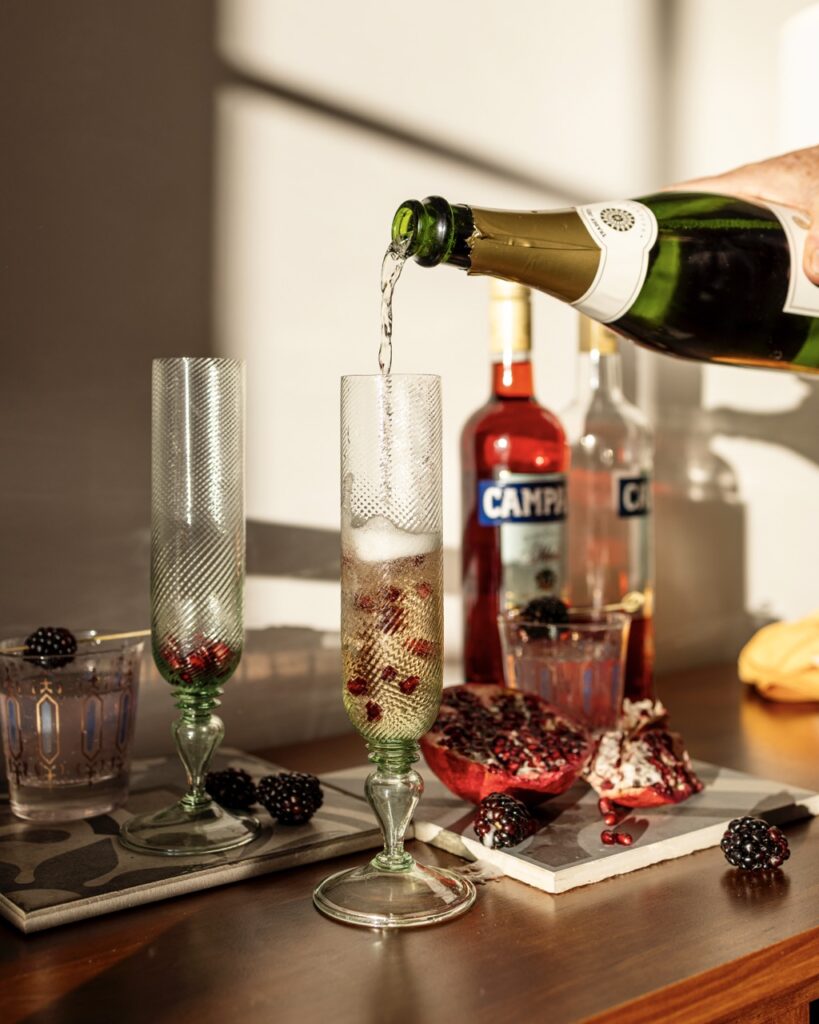
A hit of Campari gives this Christmas-y Pomegranate Prosecco Cocktail a welcome red hue and a hint of bitterness that cuts through the creaminess of the prosecco. Jazz it up with pomegranate seeds and you’ll be ready to toast the holiday season in style. Adjust the quantities based on the size of your champagne flute but think roughly 2 parts prosecco to one part Campari.
Substitutes for Prosecco in our Pomegranate Prosecco Cocktail
If you’re looking for a substitute for prosecco in our Pomegranate Prosecco Cocktail, there are other bubbly options to use and enhance the flavor. Try using champagne and sparkling wine as direct replacements with a slightly acidic taste. Crémant, a French sparkling wine, is a more affordable option with a similar profile. Cava, from Spain, has citrusy notes and a dry finish. There are even Prosecco-style sparkling wines produced by various wineries that can also be used as substitutes. The end product is truly up to what your palate prefers.
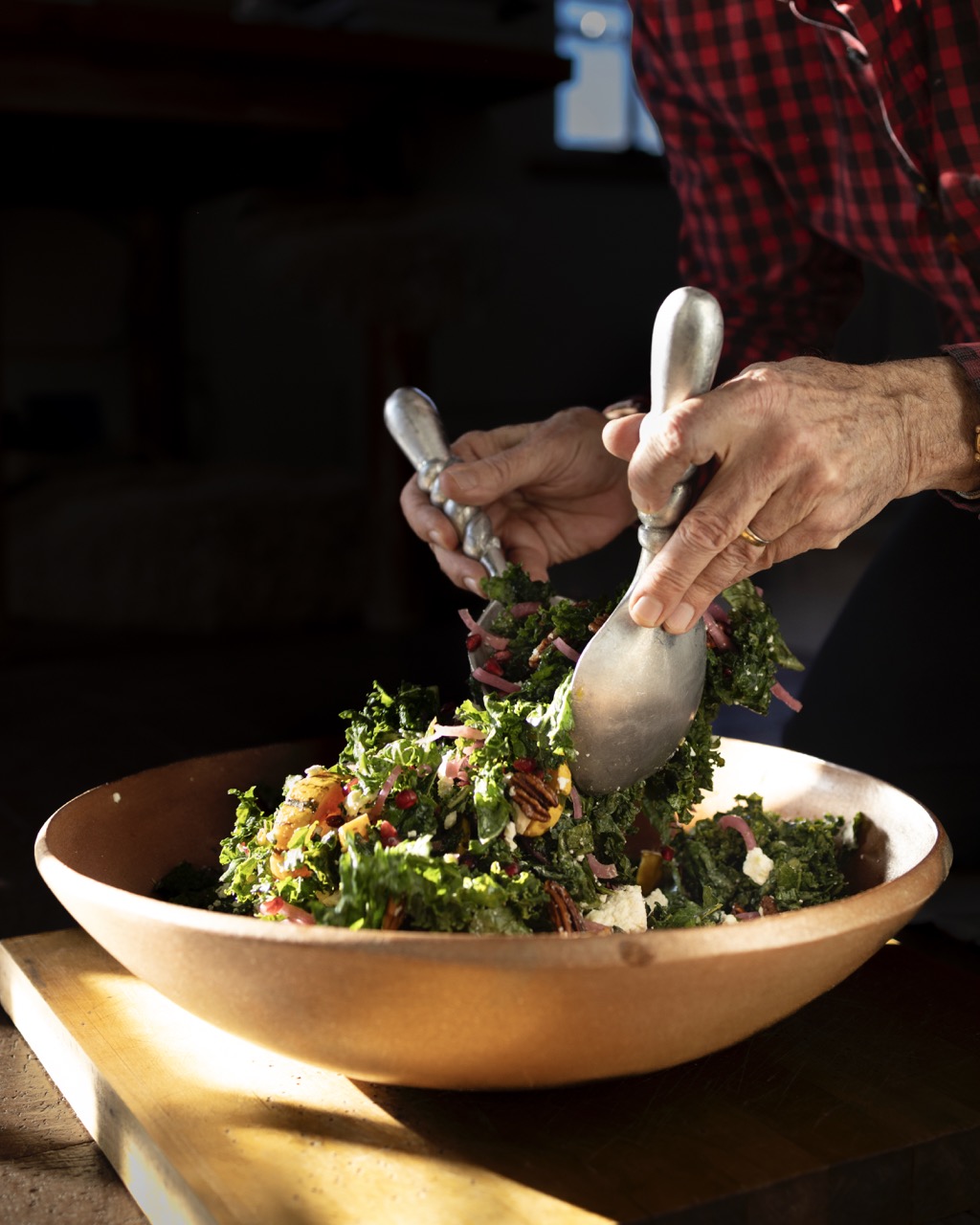
With these holiday batched cocktails, seasonal entertaining doesn’t have to be glasses of warm white wine and ho-hum reds. Dazzle your nearest and dearest with prepare-ahead, batch cocktails. Mixologist Andrea Duran shares some of her favorites along with some insider tips to guarantee cocktail success.
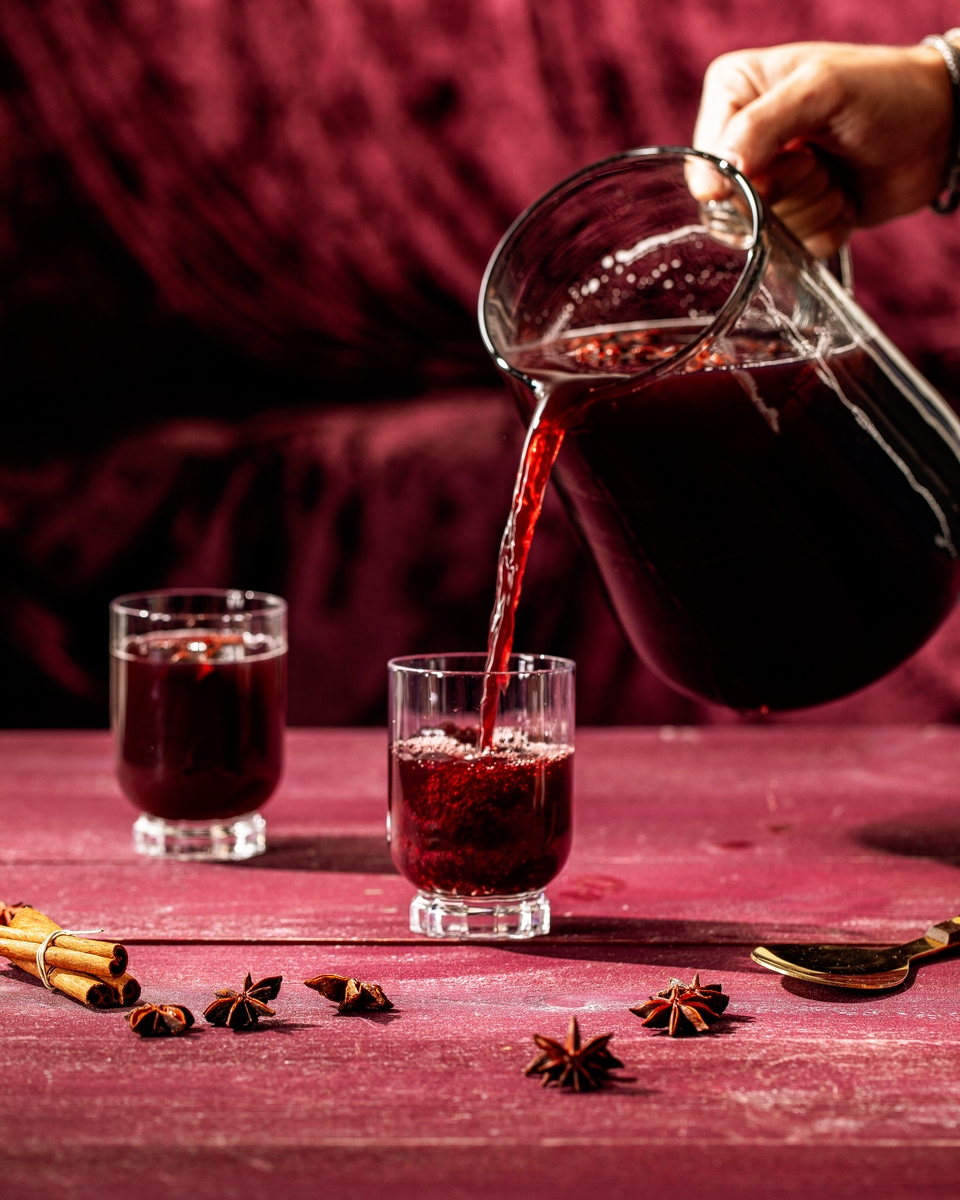
Sangria doesn’t have to be saved for a summer day, especially when it is so nicely spiced with the warm flavors of chai tea. You’ll be reminded of mulled wines and wassails. Top this party-friendly, low ABV sangria with a star anise pod and you’ve got the perfect potion for some fireside chats.
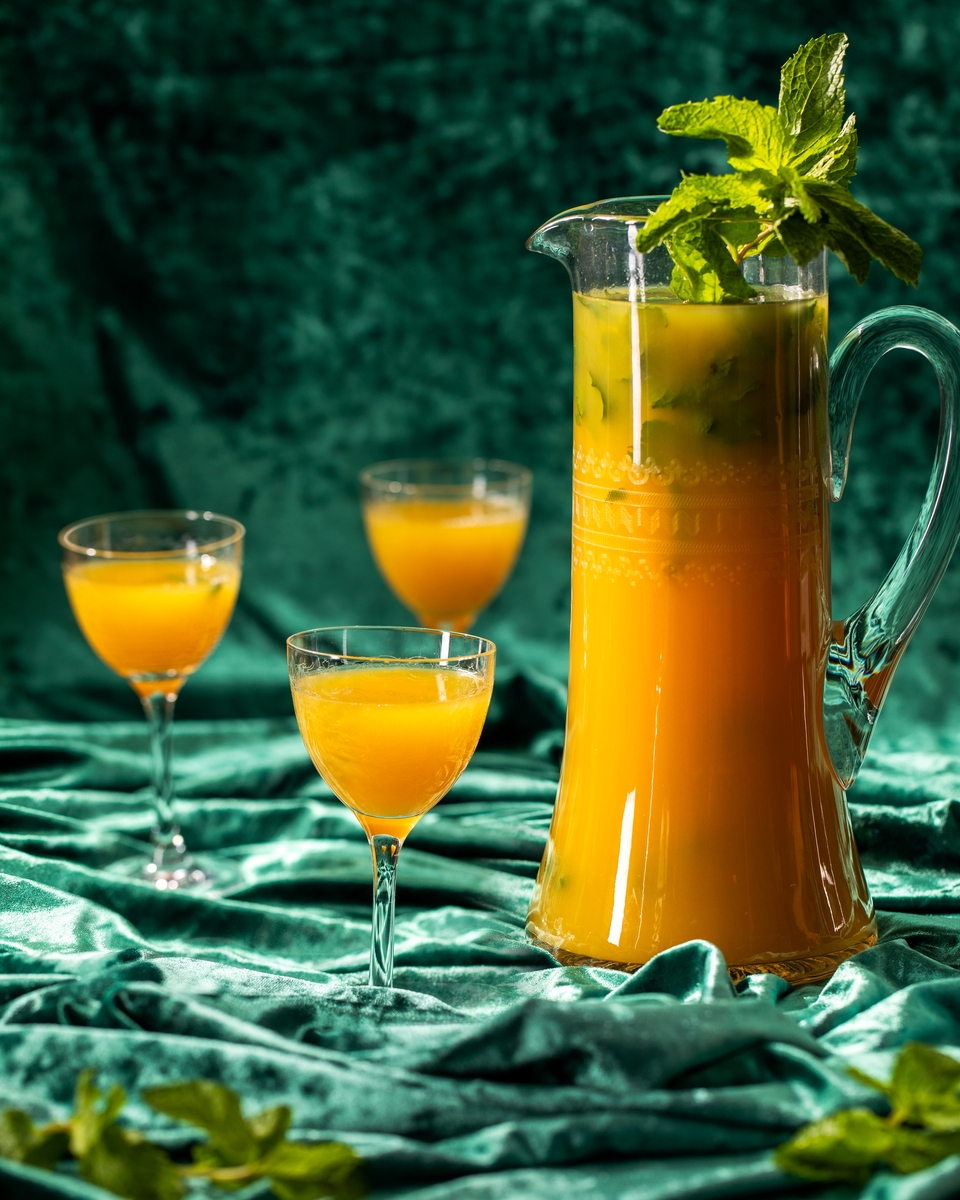
A lush blend of fruit – lemon, apricot, tart cherries and peach – make this an adult version of fruit punch. We think it’s time to revive punch: it’s easy to make, even easier to customize with your favorite flavors, and it looks great in a big pitcher or, better yet, a retro glass or silver punch bowl. Let the celebrations begin!
Short days and long nights call for a bit of star gazing with this Starlight Negroni. A healthy glug of ginger liqueur and a candied ginger garnish make it the perfect tipple to keep you warm while drinking in the night sky. Visions of sugarplums are sure to dance in your head… and you’ll enjoy a long winter’s rest after the party dies down.
Pro Tips for Batching Cocktails
By batching cocktails ahead of time, you can more freely enjoy your guests.
For mixing, use a large pitcher, bowl, Mason jar, water bottle, or clean growler that can hold the entire batch.
Use a funnel to decant the big batch to smaller bottles or pitchers for an easy self-serve scenario.
Chill all ingredients the night before.
Prep fresh juices shortly before the party starts and add them to the refrigerated cocktail batch for optimal flavor.
Keep sealable Mason jars on hand to refrigerate leftovers.
If you’re good at math, you can scale an individual recipe up to the number of servings you need. If you’re not, stick to a batched recipe.
Don’t forget that dilution with melting ice is part of most cocktail recipes. Serve your batched bevvies on the rocks or dilute to taste and chill properly if you’re not serving ice.
Recipes by Andrea Duran Styling by Anna Franklin Photography by Dave Bryce
As the last of the fall color fades, cranberries arrive to brighten the table. They’re one of only three fruits native to North America, along with blueberries and Concord grapes, and the Wampanoag people of what is now southeastern Massachusetts were gathering wild cranberries from coastal bogs long before the first Thanksgiving. Today, most of the country’s crop comes from Wisconsin, which grows about 60 percent, and Massachusetts, which grows about a quarter.
For most families, cranberries show up once a year as a can-shaped sauce, but the tart little berry can do so much more. Below, you’ll find 10 of our favorite cranberry recipes from TABLE’s contributors, including a zesty compote that can stand in for the sauce, a savory main, a winter salad, a party appetizer, three desserts, and three festive cocktails.
Best for: replacing the canned cranberry sauce Makes: about 3 cups
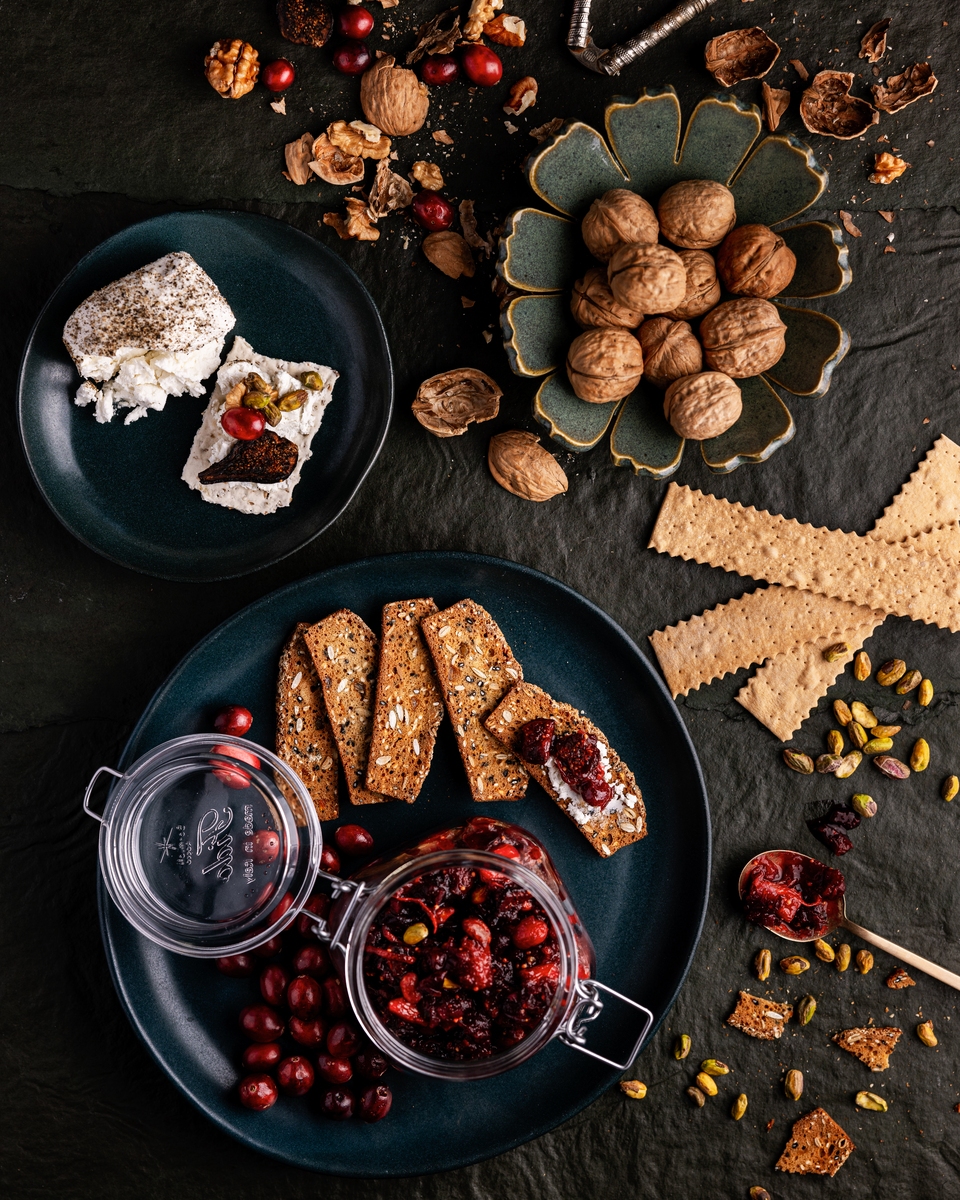
James Beard Award-winning cookbook author Cheryl Alters Jamison simmers fresh cranberries with orange, dried figs, warm spices, and a pinch of red chile. Serve it with turkey, ham, or prime rib, spoon it over soft cheese with crackers, or whisk a little into a vinaigrette. It keeps for more than a week in the refrigerator.
Best for: a holiday main in about an hour Makes: 4 servings
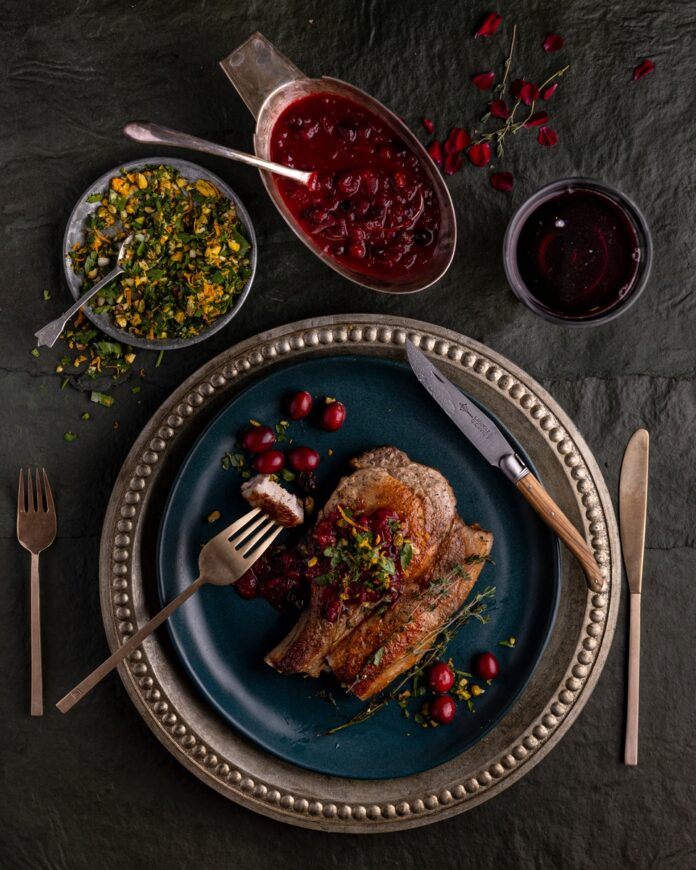
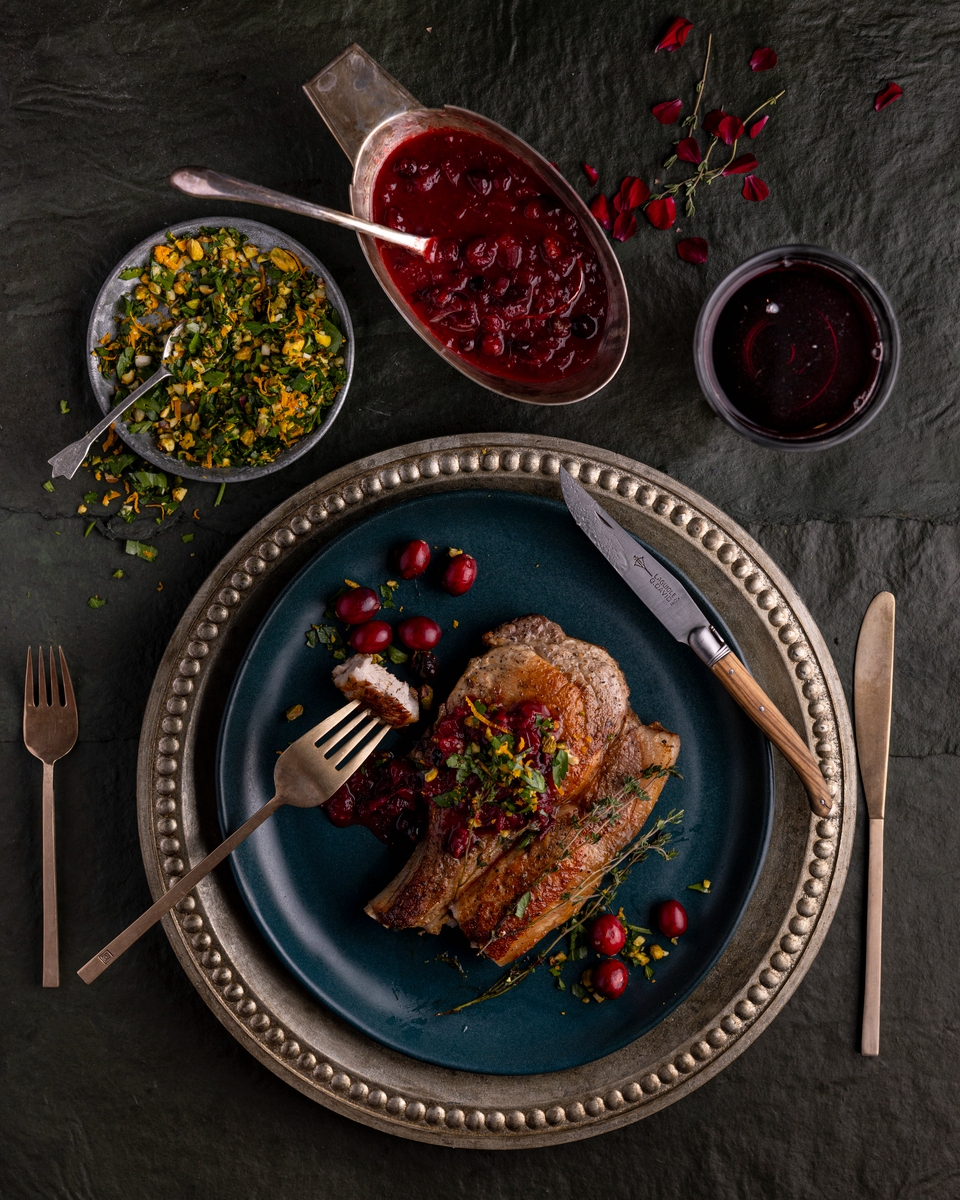
Cheryl sears thick bone-in chops, finishes them in the oven, and builds a cranberry-bourbon pan sauce in the same skillet. A pistachio, parsley, and orange gremolata adds crunch and color.
Best for: a make-ahead winter salad Makes: 6 servings
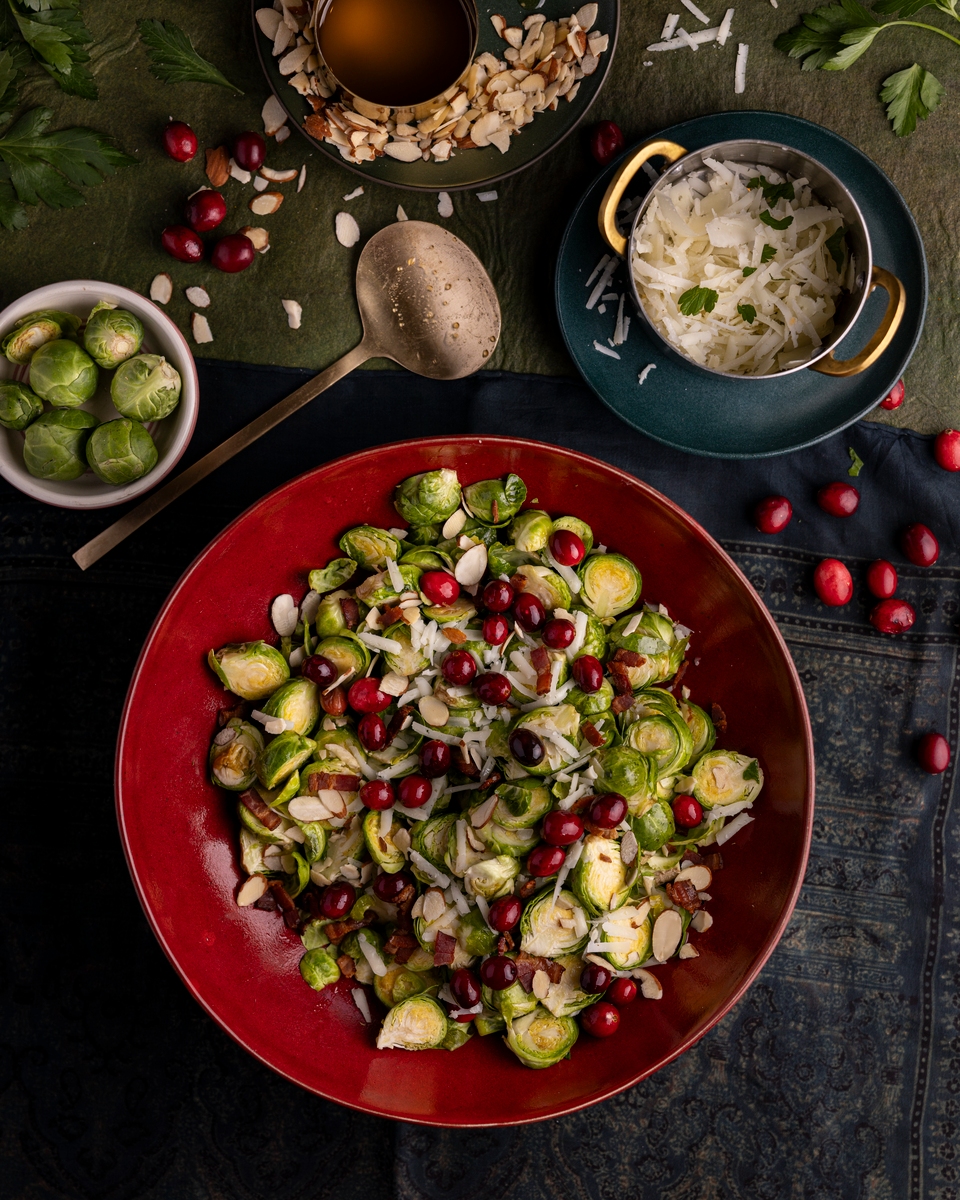
Raw, paper-thin Brussels sprouts get a tangy-sweet Dijon vinaigrette, crispy bacon, Manchego, toasted almonds, and fresh cranberries soaked in syrup until they’re sweet-tart and jewel-like.
Best for: a crowd-pleasing appetizer Makes: about 36 meatballs
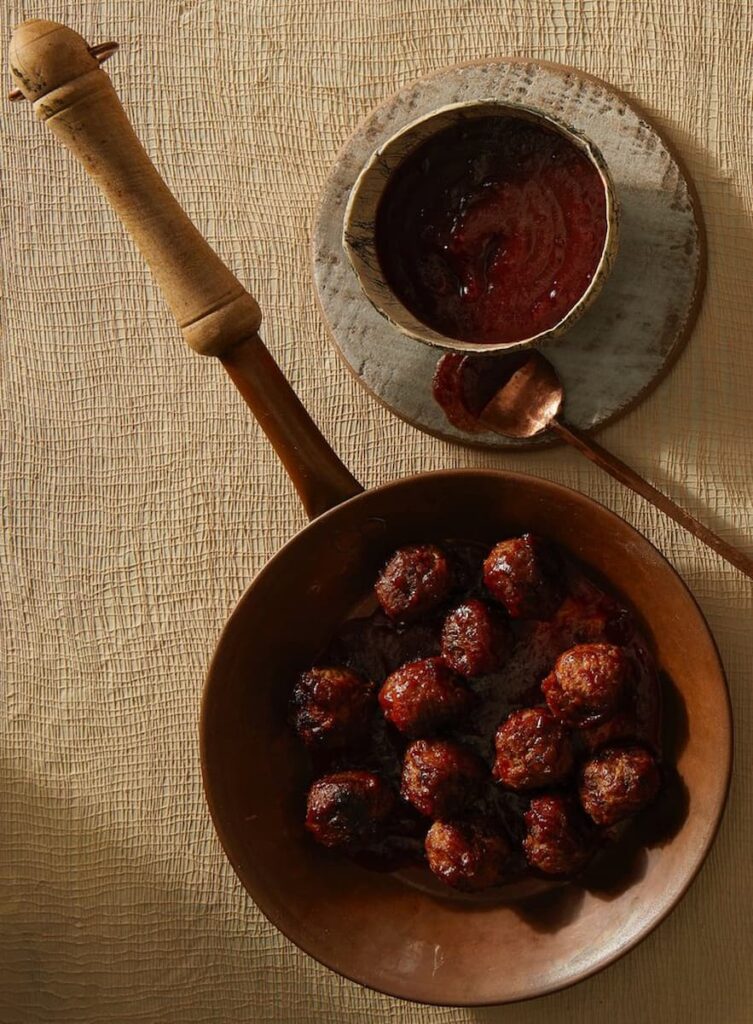
Chef Veda Sankaran seasons pork and beef meatballs with cardamom and gochugaru, then glazes them in a sweet, savory, and spicy sauce of cranberry, gochujang, ginger, and rice vinegar. Keep them warm in a slow cooker for a party.
Best for: a showstopping Christmas dessert Makes: 8 servings
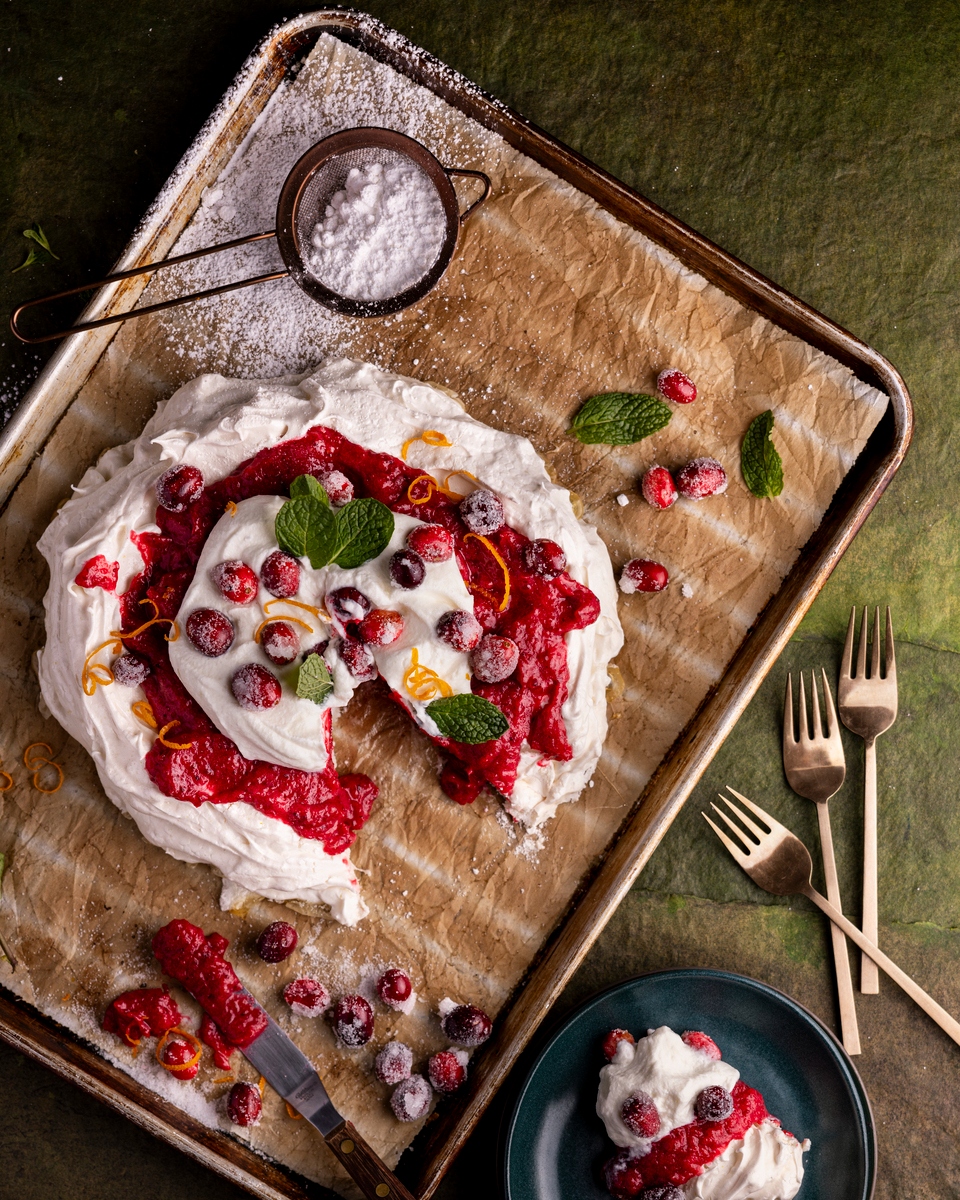
A crisp meringue shell is spread with cranberry cream, mounded with orange-scented whipped cream, and crowned with sparkling sugared cranberries and mint. Make the parts ahead, then assemble within an hour of serving.
Best for: a make-ahead holiday pie alternative Makes: 1 (10-inch) tart
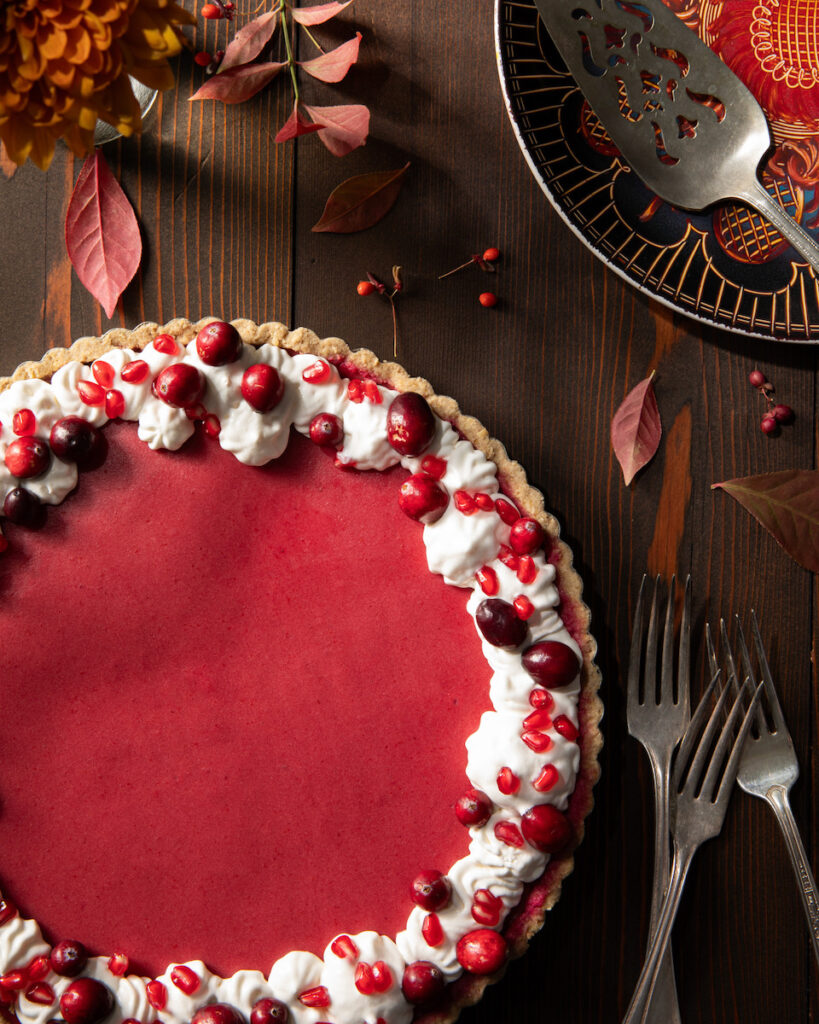
Anna Franklin fills a cinnamon oat crust with a silky cranberry curd flavored with orange and cinnamon, then finishes it with whipped cream and pomegranate seeds.
Best for: holiday brunch or an afternoon coffee Makes: 1 (8-inch) cake
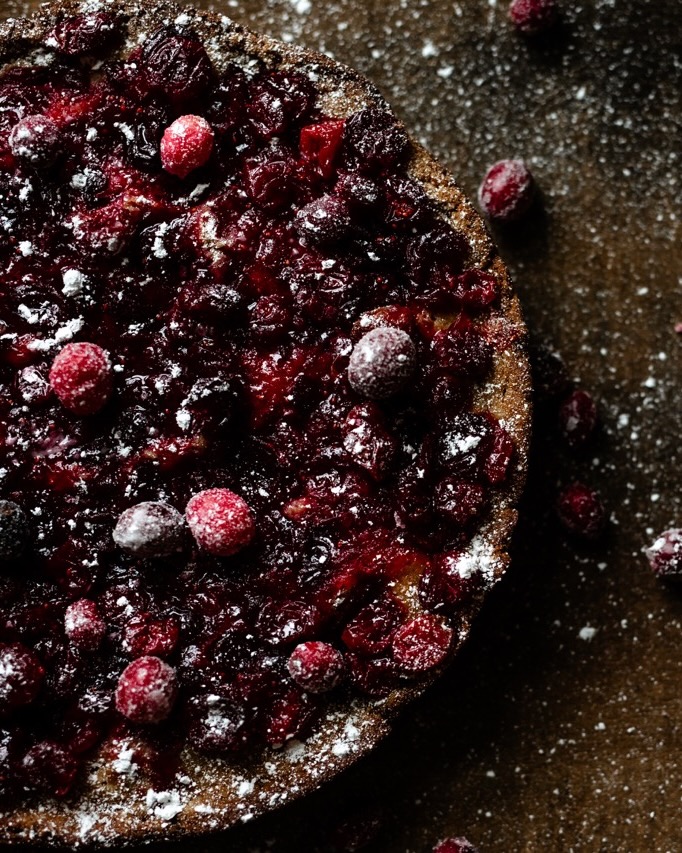
Mascarpone in the batter keeps this cake moist and tender. Leah Hohman tops it with orange-glazed cranberries and finishes it with a snowy dusting of spiced powdered sugar.
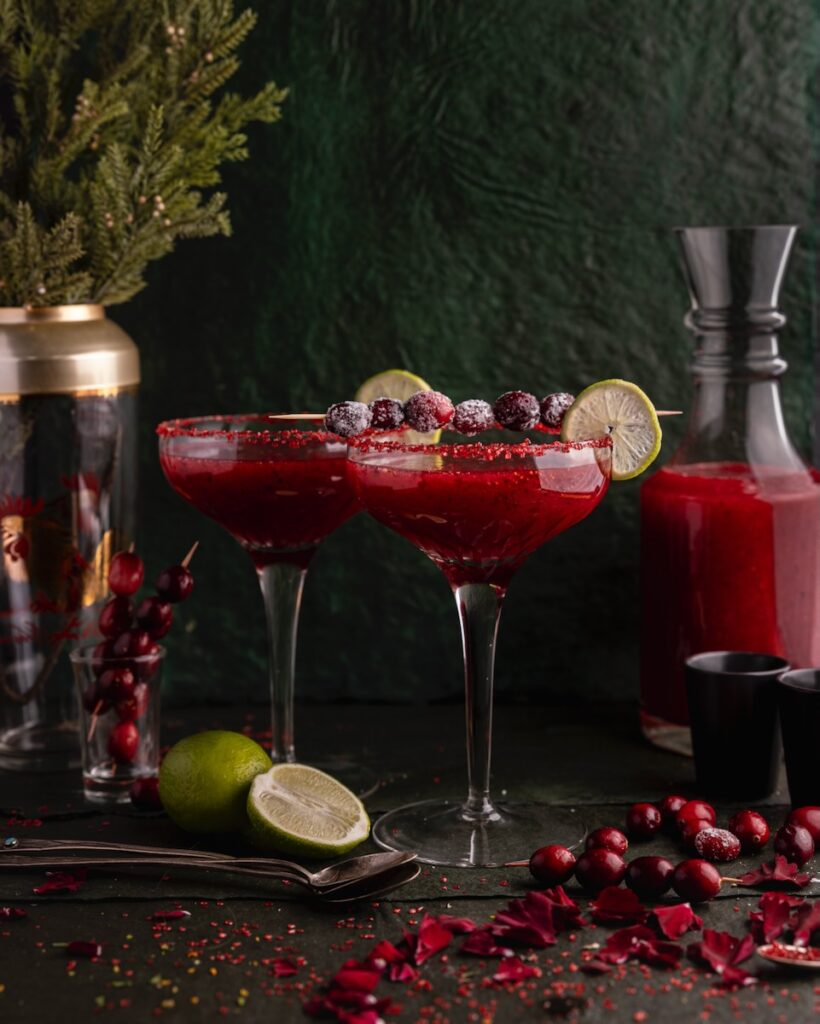
Cheryl blends fresh cranberries, cranberry juice, lime, silver tequila, and Cointreau into a tart, frosty holiday margarita with a sparkling sugar rim.
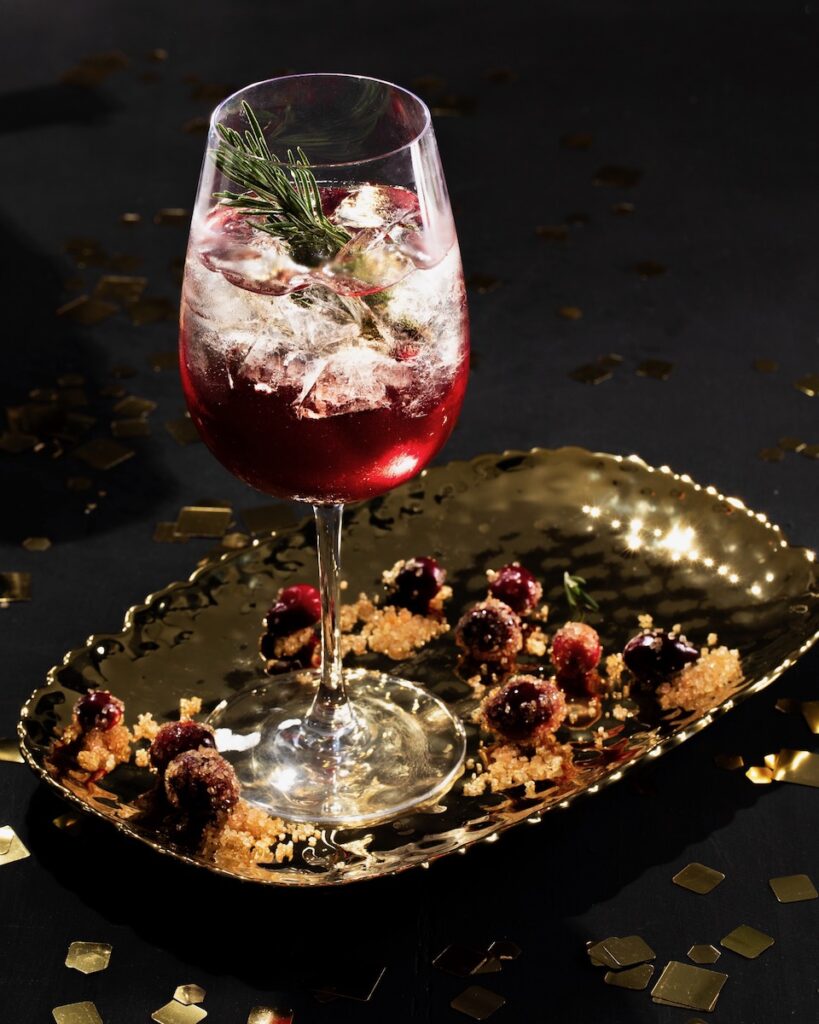
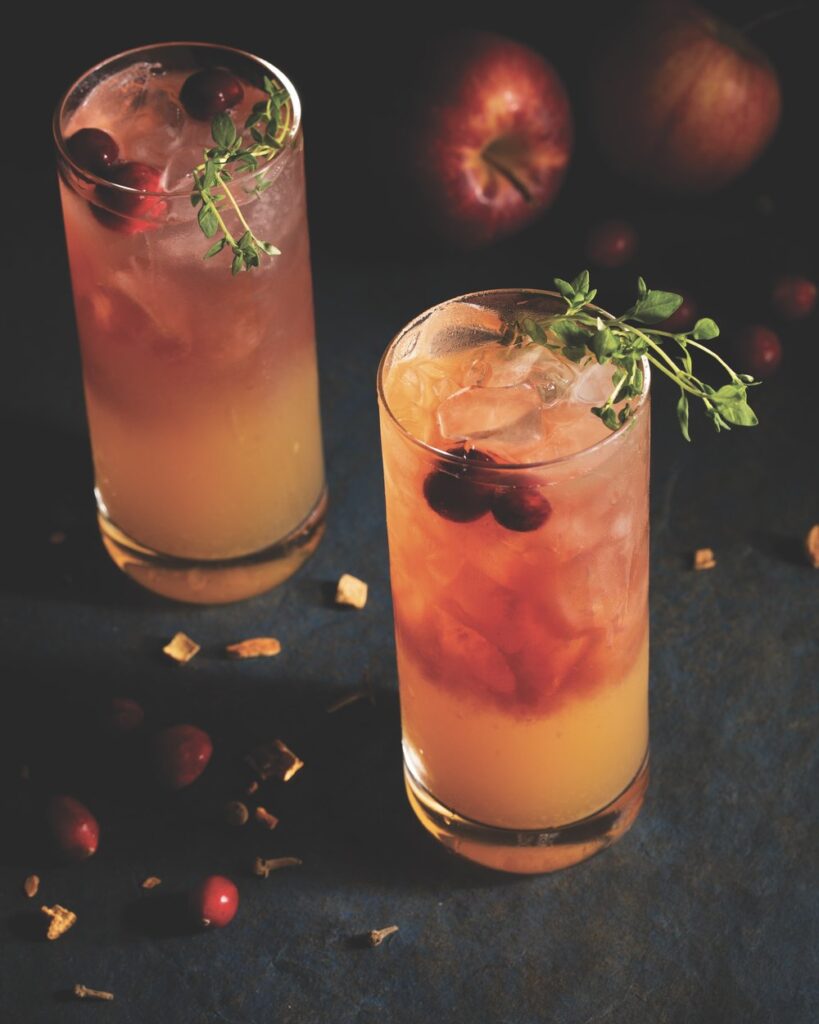
Spiced apple cider, spiced rum, lemon, and thyme syrup are shaken and poured over ice, then topped with a float of sparkling cranberry kombucha for a layered, ruby-and-gold drink.
How Do You Buy and Store Fresh Cranberries?
Fresh cranberries are in stores from about October through December. Look for firm, glossy, deep red berries, and skip any that are soft, shriveled, or brown. Ripe cranberries have tiny air pockets inside, which is why they float in flooded bogs at harvest and why good ones bounce.
Refrigerate them for up to four weeks, and rinse them just before using.
Can I Use Frozen Cranberries in These Recipes?
Yes. Cranberries freeze beautifully for up to a year, so buy a few extra bags while they’re in season and freeze them as is. Add them straight from the freezer to the compote, pork chop sauce, tart, cake, and pavlova purée, and give them a minute or two longer to pop. In the margarita, they make the drink frostier, so use less ice. Use fresh berries for the sugared cranberries and the salad, since they hold their shape best.
Tips for Success
Expect the pop. Cranberries burst as they heat. That’s the signal that they’ve released their juice and pectin, which thickens sauces and curds naturally.
Balance the tartness. Raw cranberries are very sour, so taste as you go and adjust the sugar at the end.
Cook ahead. The compote, cranberry sauce for the pork chops, tart, and pavlova components all keep for a day or more, which frees up holiday cooking time.
What Can I Serve With Holiday Cranberry Recipes?
The compote and salad belong next to roast turkey, ham, or a turkey substitute. The meatballs and margaritas are a natural pair for a holiday open house, and the tart, cake, and pavlova round out a dessert table with pumpkin and pecan pie.
Amanda Reed has written for Popular Science, Pittsburgh Magazine, Pittsburgh City Paper, Very Local Pittsburgh, GearPatrol and TheStreet. Amanda earned the 2021 Ray Sprigle Best of Show Award from the Western Pennsylvania Press Club for a story on stressed-out college counseling centers. She lives in Bloomfield with JunkJunk, a handsome, sad-looking tuxedo cat who wants only wet food and attention.
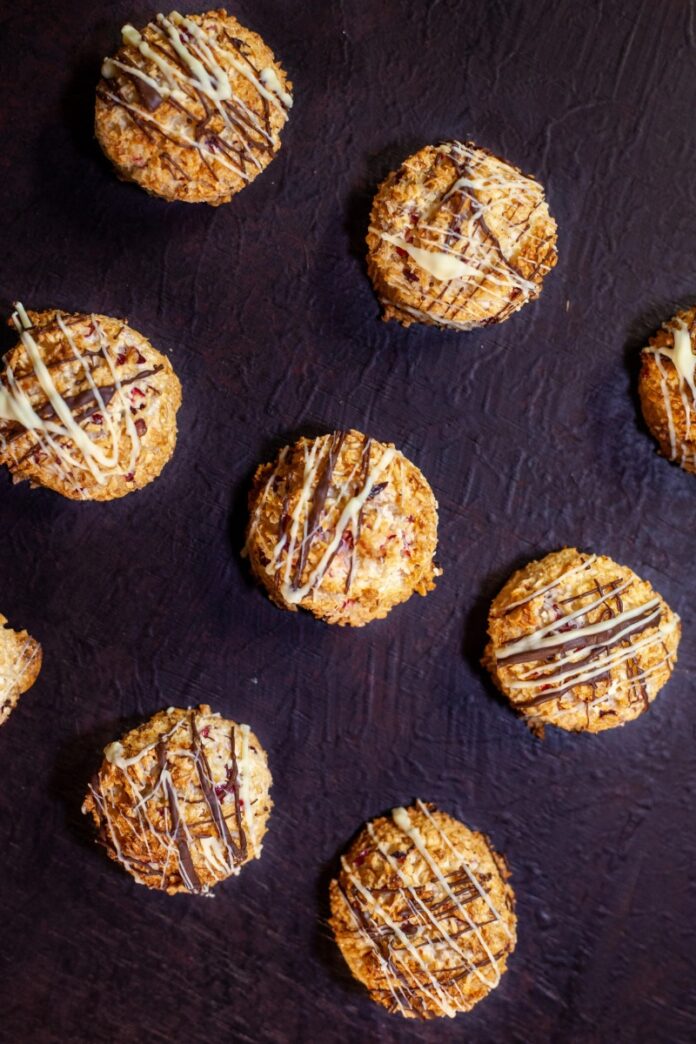
Cranberry and coconut are a perfect match, and these gluten-free macaroons bring the two together in the best way. Casey Renee of Confections by Casey Renee shares a recipe that’s crisp on the outside, soft in the middle, and finished with a drizzle of white and dark chocolate. They’re festive, simple to make, and a great choice for anyone who needs a gluten-free dessert.
The Magic of This Gluten-Free Cranberry Coconut Macaroons Recipe
The recipe uses shredded coconut, sweetened condensed milk, and fresh cranberries for a bright, chewy cookie with just the right amount of sweetness. Whipped egg whites keep the texture light, while the chocolate drizzle adds a touch of richness. These cranberry coconut macaroons are easy to bake in batches, and they freeze well, so you can make them ahead of time for the holidays.
Perfect for a cookie tray, a gift box, or just a sweet bite with coffee, these macaroons are a treat that feels special without being complicated.
These gluten‑free macaroons combine shredded coconut, sweetened condensed milk, and tart cranberries for a chewy, festive treat. Baked until golden and finished with drizzles of white and dark chocolate, they’re a delightful holiday sweet that’s both simple and elegant.
Ingredients
Scale
14 oz unsweetened shredded coconut (I like to use unsweetened shredded coconut, but if you only have sweetened, then omit the powdered sugar.)
14 oz sweetened condensed milk (1 can)
1 tsp vanilla extract
1 cup finely chopped cranberries (you can pulse in a food processor, but don’t go too fine or they will be watery)
⅓ cup powdered sugar
2 tsp cornstarch
3 egg whites
½ tsp salt
White chocolate and dark chocolate for drizzling
Instructions
Combine the coconut, sweetened condensed milk, and vanilla in a bowl.
Separately combine the cranberries, powdered sugar and cornstarch. Fold both together gently.
Whip the egg whites and salt to medium stiff peaks and fold into the coconut mixture in three increments.
Scoop with a ¼ measuring cup or ice cream scooper, pack tightly and bake at 325 degrees for about 30 minutes, rotating the pan halfway through. Until golden.
Let cool and drizzle with white and dark melted chocolate. (Can be made and frozen ahead of time.)
Recipe by Casey Renee Photo Courtesy of Brittany Spinelli
In the marketplace in Almora, the day before Diwali.
Intrepid and observant photographer and writer Michael Benanav takes TABLE readers to the Kumaon. It’s a region of the Indian state of Uttarakhand. While there, he searched for the places described in Rajula-Malushahi, an epic ancient folk ballad.
Discovering Rajula-Malushahi: Defying Time and Tradition
Maybe it’s the way the late afternoon light spills over the hills, filling the valleys with a gauzy glow. Perhaps it’s the staggering terraced fields that wrap around the terrain like contour lines on a topographical map. Maybe it’s the backdrop of snow-covered Himalayan giants, where gods and goddesses are said to dwell. It is all of these things, and more–the most essential, also the most ineffable.
The Panchachuli Peaks (22,651′) tower over the Johar Valley in Kumaon.
Every once in a while, a place will cast a spell over a traveler, delivered in hushed tones. It’s resonant with meaning and a touch of mystery or magic. Different places call, thankfully, to different people. For me, one of them is the Kumaon region in the Indian state of Uttarakhand. I recently wrote for the New York Times.
For that story, I explored the geography of Kumaon’s most important secular folk tale, Rajula-Malushahi. I described as “a sprawling epic of adventure and true love that unfurls across a broad swath of the landscape.” More as if passed down orally–sung as a ballad–for centuries.
Women in traditional Shauka dress dance and sing to welcome their sisters and daughters who have moved elsewhere back to Jimia to celebrate Dussehra.
I first heard of Rajula Malushahi about 10 years ago, at the home of a well-known Kumaoni social activist. A British officer commissioned her house in Binsar during the Raj era. It’s gorgeous stone walls exuded earthy sophistication, while an exquisitely rugged alpine panorama stretched beyond the windows.
Over lunch, Mukti Datta told me that her mother, Marie, had been a Belgian ethnomusicologist. In the late 1940s or early 1950s, she sailed by steamer into Calcutta. She then traveled by foot and donkey through the Himalayas. She recorded folk ballads and later wrote about them. Her major work focused on Rajula-Malushahi.
Villagers in the Gomati River basin.
Sitting there at the table, I instantly imagined a project that would weave together the story of Marie Datta’s life. This would include the folk tale at the center of it. Mukti told me that her mother’s papers and recordings had all been donated to the Indira Gandhi National Centre for the Arts (IGNCA), in New Delhi. I should be able to access all of her work there.
How a Folk Epic Became a Map Through Kumaon
“The song led me on a journey into village feasts, local religious ceremonies, and moments of sheer Himalayan awe.” After several months of emailing with IGNCA, I finally visited the office in person. I learned that they had located Marie’s recordings but had separated them from her writings. They insisted that tape and text don’t belong together. No one knew where her papers were.
Ukha Devi Quiriyal, wearing traditional Shauka dress, dances during Dussehra celebrations in Jimia.
While I spoke with a department head and a staffer, they told me the papers had likely ended up in the ‘dumping ground’. This is a warehouse-sized room where staff had tossed files haphazardly. Finding a specific item among the random piles would be like winning the lottery. But they said they would look. And … nothing.
Weeks later, I was able to reach the director of the archives by phone. He told me they probably didn’t have Marie’s papers anymore, explaining with a verbal shrug, “They’re old.” I wondered what part of the word “archive” had been lost in translation.
Without Marie’s work, I couldn’t see a path forward for the project I hoped to pursue. But my fascination with Rajula-Malushahi remained, as books, academic articles, and transcriptions of various versions sung by Kumaoni bards were read by me.
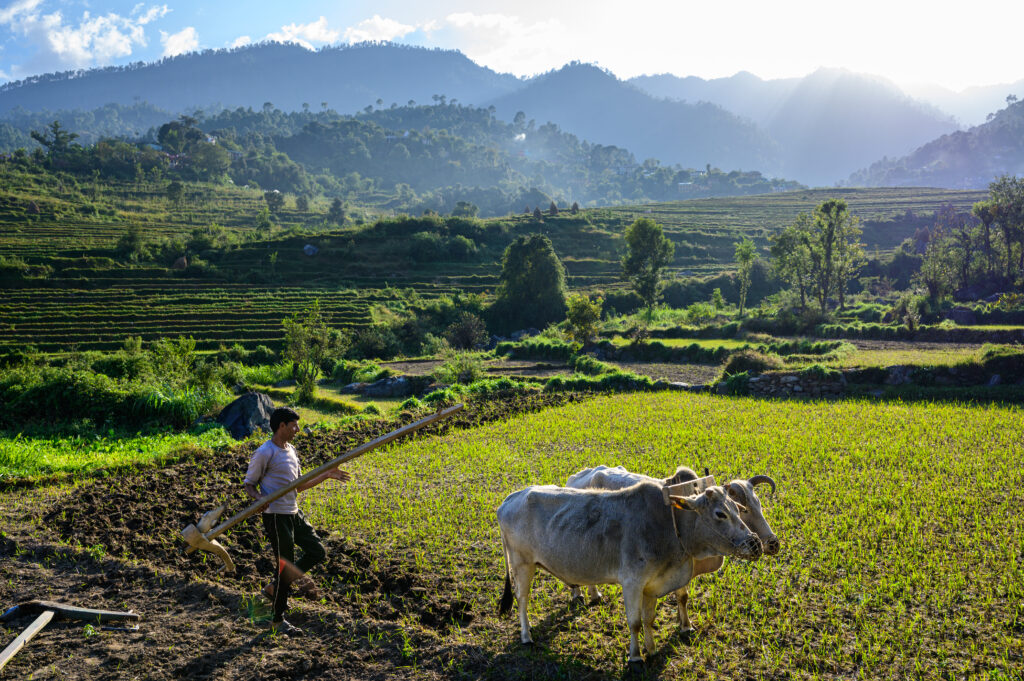
Preparing to hook up the plow, in a field along a tributary of the Gomati River.
Aside from its intrigue, passion, and danger, what drew me most to the story was its surprising subversiveness. The hero is a strong and clever young woman named Rajula who blatantly disobeys her father. She breaks an arranged marriage contract, and runs away from home to pursue her true love. The tale emerges from a male-dominated, patriarchal society where any girl who did such things, even today, would find her reputation in tatters.
Why Some Places Call to Us Again and Again
It strikes me as similar to the dynamic between the audience, the female protagonist, and the cultural norms that surround the Arabian Nights. Just as everyone wants Scheherazade to outsmart her husband the king, so listeners want Rajula to triumph over her father. Both stories appeal to a notion of what’s inherently right which transcends typical gender roles and rules.
Ukha Devi Quiriyal, wearing traditional Shauka dress, dances during Dussehra celebrations in Jimia.
Last fall, I set out to write about my travels through the hills, valleys, and villages where Rajula-Malushahi unfolds. I was hoping to get a glimpse of the essence of Kumaon through a tale that shaped the region’s culture. The tale has shaped centuries, but now slips from collective memory. And I wanted to help share Rajula-Malushahi with the many who had never heard of it, for a story dies when it disappears from people’s imaginations. But that was only part of my motivation.
In many ways, I simply wanted a reason to travel more deeply through a region that enchanted me, and to have a purpose while I was doing so. If my home in New Mexico– with which I’m in a committed long-term relationship–had the capacity to feel, I wouldn’t have blamed it for getting jealous.
Kids use a Katuryi-era temple in Dwarahat as a playground.
The song led me on a journey into village feasts, local religious ceremonies, and moments of sheer Himalayan awe. It culminated with an invitation to visit the home of one of the last great singers of Rajula-Malushahi, for a personal performance. The more I saw of Kumaon, the more enthralled with it I became. I felt deeply alive each day, filled with the kind of gratitude that only the best journeys inspire. I’m already thinking up an excuse to go back.
Graham Dodds, the chef and owner behind NOSA Restaurant & Inn, tucked away in the picturesque embrace of the Ojo Caliente River Valley, is a man straddling two worlds.
From Fine Art to Fine Dining at NOSA Restaurant & Inn
His first spins on the axis of the insatiable wanderlust that courses through his veins, a wanderlust that became apparent when he couldn’t give two hoots about his fine art classes back in college. It set him on a culinary path, where he graced the finest kitchens of Dallas, trekked through cooking school in Portland, OR, and embarked on food-fueled escapades across Europe. The outcome is nothing short of a flurry of culinary creativity, Pollock on every meticulously plated dish.
But there’s another side to Graham, one that’s quieter, more contemplative, and deeply connected to the land. Like so many before him, he’s drawn to the magnetic pull of the Ojo Caliente River Valley. This is where dreamers and thinkers have sought refuge, a place that has nurtured restless souls and offered healing through its ancient spring waters for as long as time can remember.
While notables like Georgia O’Keeffe and Thomas Merton might have staked their claims on Abiquiu, Ghost Ranch, and Christ in the Desert Monastery further west, it’s here, in this valley of spiritual resonance, that Graham Dodds has found his own slice of serenity.
On his visit to the Valley during the pandemic, he crossed paths with the new proprietor of what was once the renowned Rancho de San Juan, a place that had closed in 2012. The encounter ignited a spark in Dodds and, from that moment, he couldn’t help but let his imagination run wild with dreams of opening his very own restaurant.
An Ever-Evolving Menu Rooted in Place
“I obsessed about the place for about eight months. It was this perfect place with four guestrooms, a remarkable restaurant with an incredible history and an apartment in the back for me to live in.”
When the property changed hands, Dodds penned an agreement and began work on what would become NOSA, which stands for North of Santa Fe, or from the Galician language meaning nuestra.
Dodd’s NOSA Restaurant and Inn recently marked its first-year milestone, and in that brief span, has carved out quite a reputation. It’s an establishment that demands a well-thought-out pilgrimage, where you had better have your pre- and post-dinner plans locked in advance. This isn’t the place where you casually stroll up after catching a late-night show at the Lensic.
Here, dinner is an event unto itself, a meticulously curated, seasonal, five-course pre-fixe affair. It’s a culinary conversation that manages the weight of high expectations from the very moment you walk through the door until the final bite disappears. “It’s encouraging that people are loving it.” For the ultimate NOSA adventure, consider booking one of their beautifully appointed suites to immerse yourself in the full sensory experience. But let’s be crystal clear here–the window to indulge in their culinary offerings is not wide.
You’re looking at dinner, exclusively on Fridays and Saturdays, with a singular seating at the stroke of 6:30 p.m. If brunch is more your style, Sundays are your canvas, offering two sittings at 11:30 a.m. and 2:30 p.m. Breakfast is a well-orchestrated affair for the privileged guests of the Inn, but you’ll need to reserve your spot at the table for 9 a.m. sharp. So, if you aim to capture the essence of NOSA, get your plans in gear, choose your moment wisely, and prepare to savor every moment.
The Art of Slowing Down and Savoring
“The menu changes constantly. You get some ingredients that change, and the dishes come together in response to those changes. It’s great to have this environment where you have a small audience and people can come continually and have something different. Typically, it’s a different menu every weekend,” says Dodds.
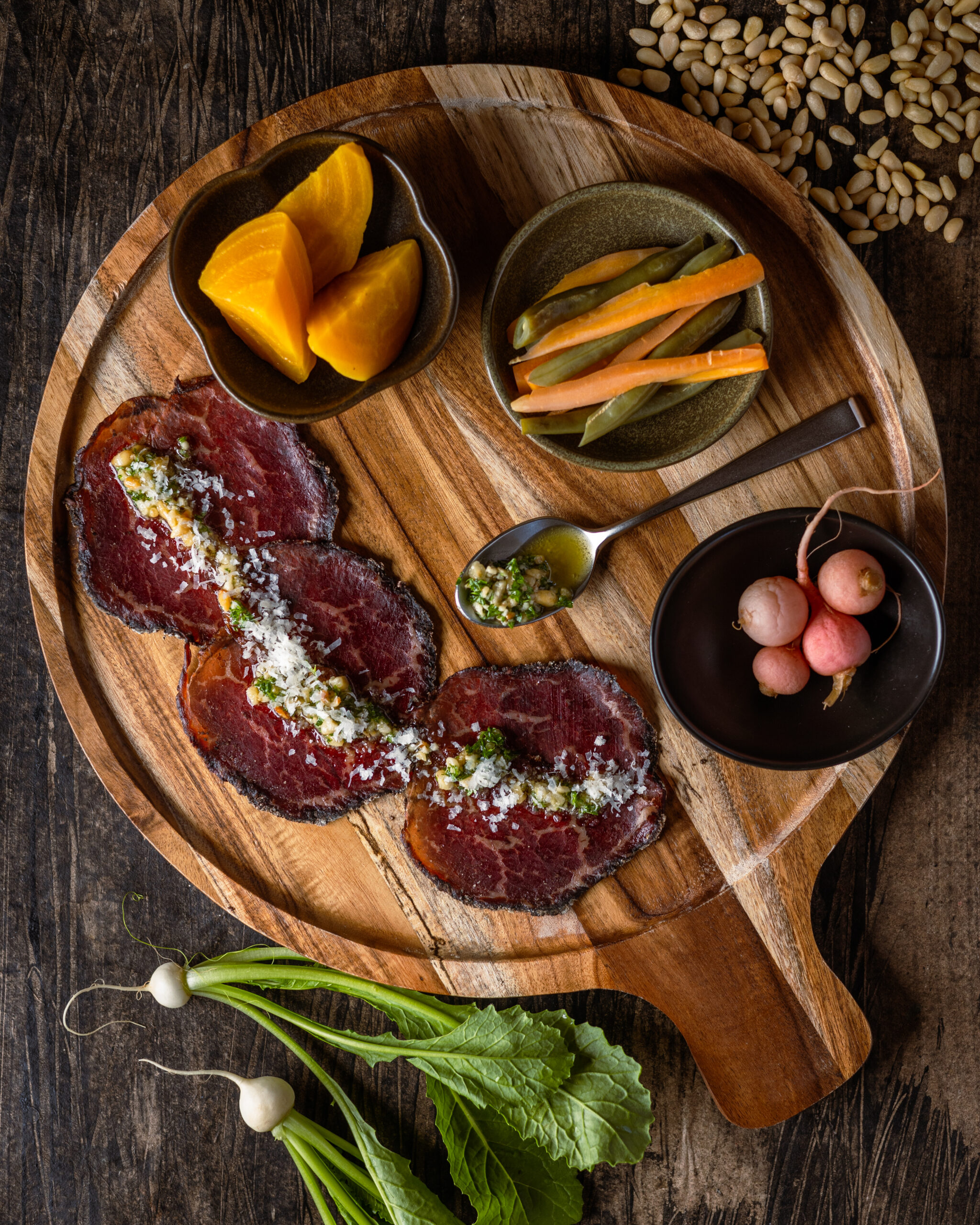
The recent menu is testament to Dodds’ imagination, blending a playful spirit with a profound respect for ingredients. Among his offerings: a succulent Wagyu beef tartare with gribiche, and pickled vegetables served alongside a spelt baguette. The Corn Chowder is a comfort, infused with saffron and a hint of jalapeño, and crowned with a dollop of creme fraiche.
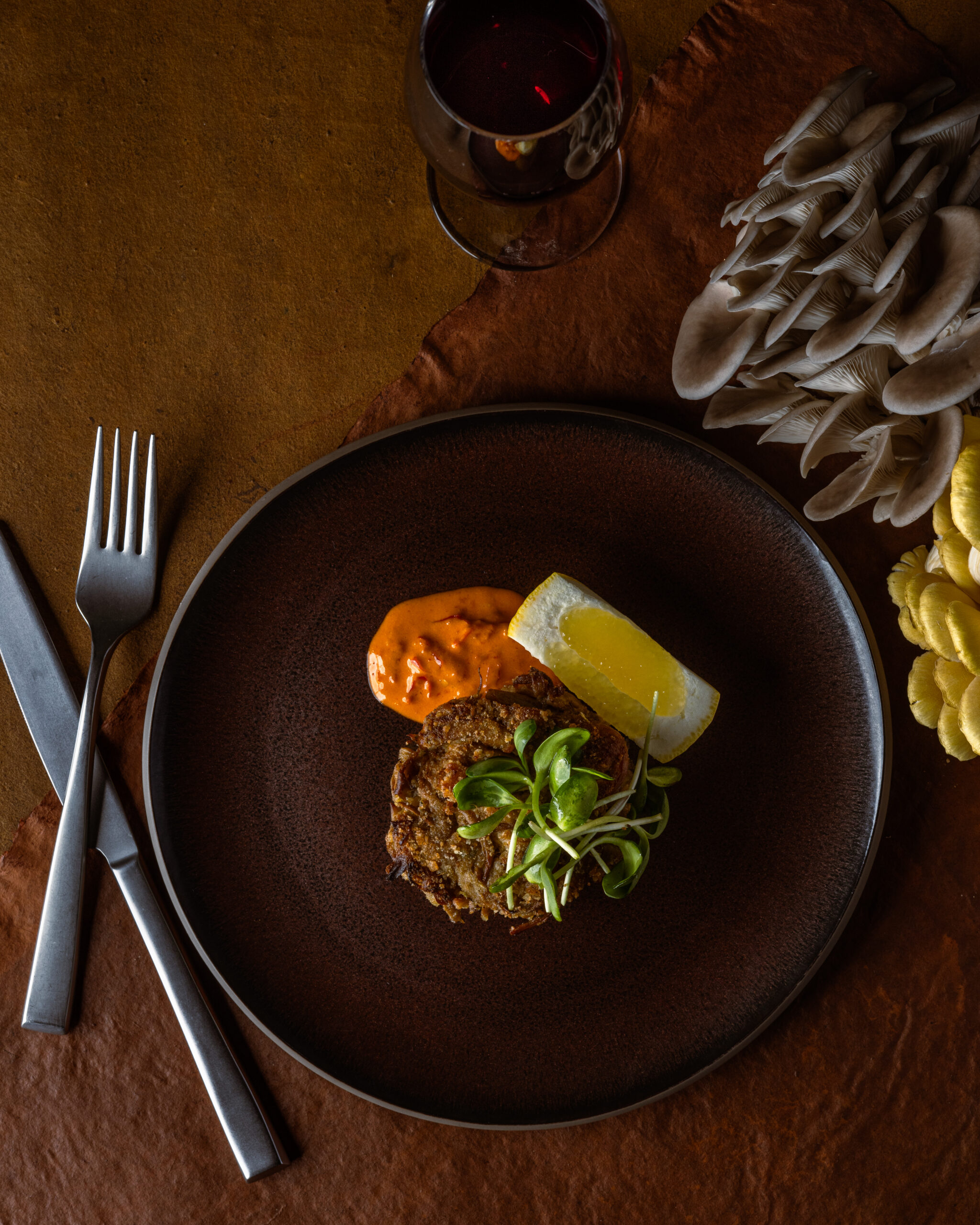
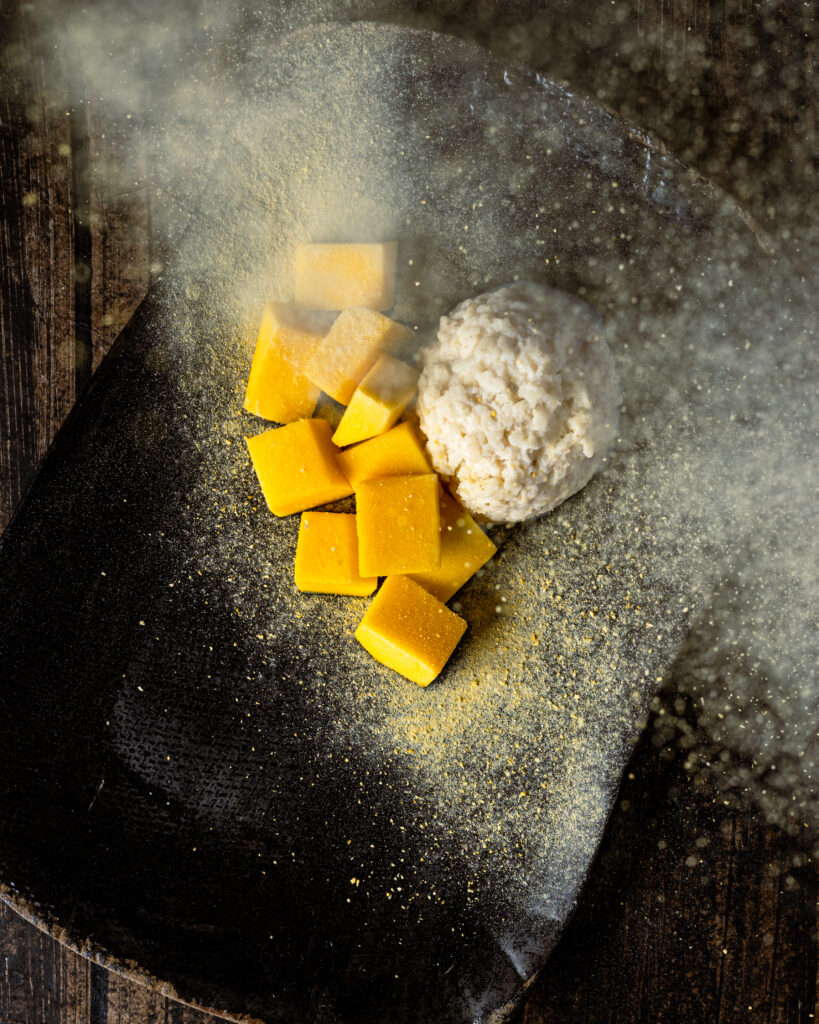
Bison Moussaka makes for a hearty main course which showcases tender bison meat, chestnut mushrooms, and a velvety Parmesan bechamel, all enveloped in a San Marzano tomato sauce. To conclude, a Blackberry Semifreddo beckons, a sweet harmony of blackberries, lavender honey, and local peaches.
It’s often true that some of the most extraordinary dining experiences require a journey off the beaten path. However, it’s equally true that some of the most cherished culinary memories held in heart and mind are right within arm’s reach. In the case of Graham Dodds, he didn’t choose to open his restaurant in the middle of nowhere, but rather in the place where exceptional food should and could be savored – a place where diners can unplug from the distractions of the modern world, and share a meal across the table, immersed in the captivating connection of one another’s undivided attention.
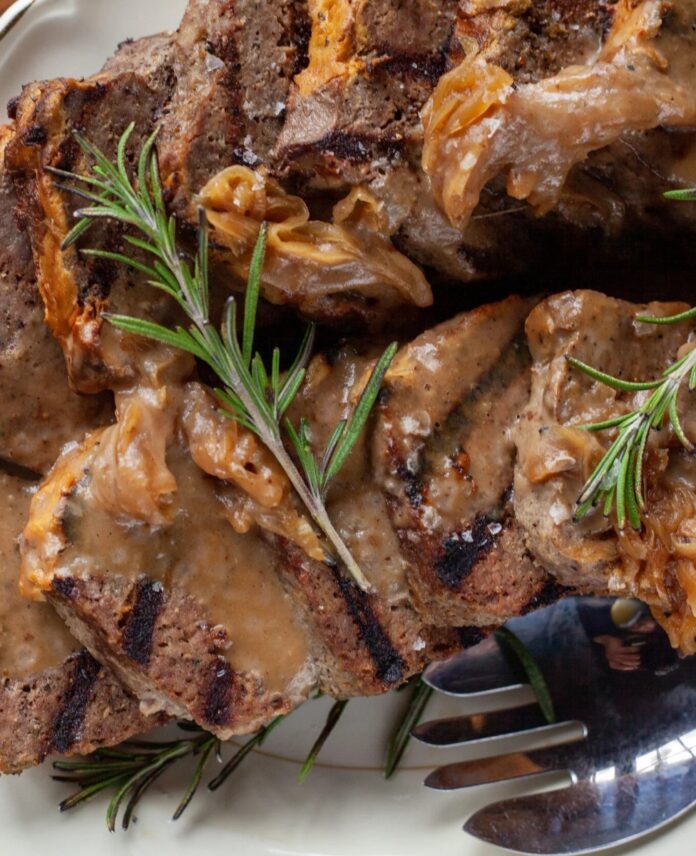
When you think of meatloaf, you probably picture a classic comfort food—hearty, simple, and satisfying. But Chef Chris O’Brien takes this timeless dish to a whole new level with his gourmet meatloaf recipe. By adding rich, flavorful pâté into the mix, he transforms a humble favorite into something elegant, layered, and unforgettable. This isn’t just dinner—it’s comfort food elevated to fine dining.
Chris O’Brien’s Elevated Meatloaf Recipe
This chef-inspired meatloaf combines ground strip loin, 80/20 ground beef, caramelized onions, garlic confit, and fresh sage for a flavor-packed base. The addition of pâté adds depth and richness, while whole grain mustard and ground fennel bring a subtle spice that balances the dish beautifully. Baked in a terrine mold and finished with a Dijon glaze, this meatloaf is as impressive in presentation as it is in taste.
Whether you’re looking to wow guests at a dinner party or simply want to upgrade your weeknight meal, this meatloaf with pâté is the perfect recipe. Slice it thick, grill it to perfection, and serve it with your favorite sides for a dish that’s hearty, refined, and guaranteed to become a new favorite at your table.
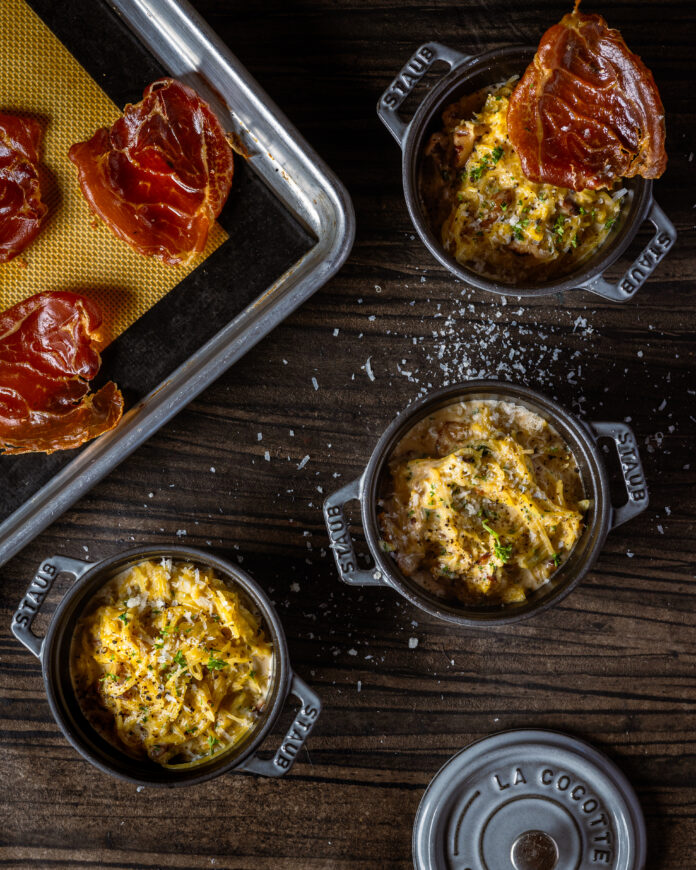
This elevated meatloaf blends strip loin, ground beef, fennel, caramelized onions, sage, and garlic confit with the rich addition of pâté for depth of flavor. Baked in a terrine mold, chilled, then sliced and grilled, it delivers a savory, refined twist on a comfort‑food classic.
Ingredients
Scale
2 lbs ground strip loin
2.25 lbs 80/20 ground meat
2 tbsp ground fennel
3 tbsp rendered pork fat
2 tbsp whole grain mustard
8 oz caramelized onions
¼ cup sage chopped
1 cup garlic confit
3 tbsp salt
9 egg
1 tbsp pepper
2 cup ground panko
4 oz pate
Instructions
Mix ingredients well.
Place in a terrine mold lined with plastic wrap.
Top with a layer of dijon mustard on top of the terrine.
Bake in oven in water bath at 450 degrees for 1-1½ hours.
Cool overnight.
Slice and grill with oil, salt and pepper.
Recipe by Chris O’Brien Photo by Brittany Spinelli
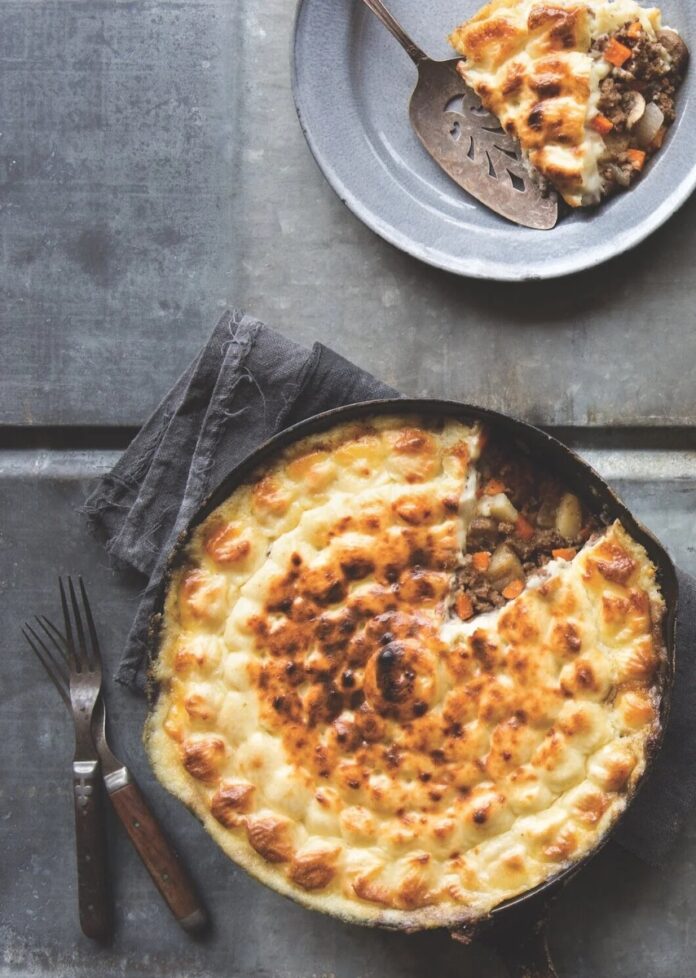
Root – a – what? A crossbreed between turnips and cabbage, rutabagas are a bit homely, and often overlooked among the prettier fall and winter produce. However, these old world root vegetables are wildly versatile and make a wonderfully rich substitute for potatoes, as in this Shepherd’s Pie recipe by Rhonda Schuldt.
Using Rutabagas Beyond This Easy as Shepherd’s Pie Recipe
Once peeled, your options for using this nutrition-packed winter veggie are endless. Raw rutabagas are crisp with a nice bite that is less bitter and pungent than its turnip ancestor, making it far more appealing, and a great addition to salads or crudité platters. Cooking, however, takes the rutabaga to a whole new level, bringing out its sweet yet savory personality.
Cube and toss with olive oil and roast in a hot oven along with other seasonal root veggies for a hearty side dish.
Slice paper-thin, drizzle with olive oil, add a sprinkle of salt and roast in at 225 degrees until crisp for amazing veggie chips.
Dice and add to soups or chowders as a delicious substitute for potatoes.
Or, simply boil and mash with a little cream and butter for a beautiful, rich alternative to your typical mashed spuds.
With so many ways to enjoy, it’s time to incorporate rutabagas into your fall veggie repertoire.
This cozy dish layers a rich filling of beef, lamb, vegetables, and red wine beneath a creamy potato‑rutabaga mash. Baked until golden and bubbling, it’s a hearty winter meal with a sweet, earthy twist.
Ingredients
Scale
Filling:
2 lb lean ground beef
1 lb ground lamb
1 cup diced carrot
1 cup diced onion
½ cup diced rutabaga
12 oz sliced mushrooms (button, crimini, etc.)
½ tsp dried thyme
1 tsp granulated garlic
2 tbsp rice flour (or all-purpose flour)
¾ cup red wine
¾ cup beef stock
Salt and pepper to taste
Topping:
2 large russet potatoes, peeled and cubed
2 rutabagas, peeled and cubed
2 tbsp salt
4 tbsp butter
1/3 cup half and half
½ cup Greek yogurt
1 tsp granulated garlic
Salt and pepper to taste
Instructions
Filling:
Over medium-high heat, brown ground beef and lamb in a large sauté pan.
Cook for 5 minutes. Stir in the flour until thoroughly mixed with browned meat and the vegetables. Pour in the wine and stock, stir and cook until thickened.
Turn off heat and season with salt and pepper to taste.
Topping:
Place potatoes and rutabagas in a large stockpot and cover with water and add salt. Bring to a boil and cook 30 minutes or until tender. Drain. With a ricer or potato masher, mash the cooked potato-rutabaga mixture. Stir in butter, half and half, Greek yogurt, and seasonings.
Spray a cast-iron skillet or heavy baking dish with nonstick cooking spray. Pour in filling. Top with potato-rutabaga topping.
Place in a 350-degree oven and bake for 30 minutes, or until bubbly and topping is lightly browned.
Styling by Quelcy Kogel Photography by Adam Milliron