Margaritas are for celebrations and what better burst of flavor is there for a party than the juicy pomegranate? This vivid, flavorful fruit opens up to reveal enchanting, gem-like red seeds. In our Pomegranate Margarita we use its juice to balance the distinct notes of agave and the sweetness of the triple sec or Cointreau. Not to mention, the it turns the cocktail a rich ruby red that appeals to the eyes just as the taste does to the taste buds.
Another is Carlos “Danny” Herrera, laying his claim in 1938 thanks to actress Marjorie King. King said she was allergic to hard alcohol though not tequila and thus the margarita was born.
A couple of years later, Francisco “Pancho” Morales said he made the margarita on the fly in 1942 when he was asked for a drink he didn’t know how to make.
Unfortunately, there is really no way to tell which of these makers came first. So, we’ll let you decide which story you believe the most.
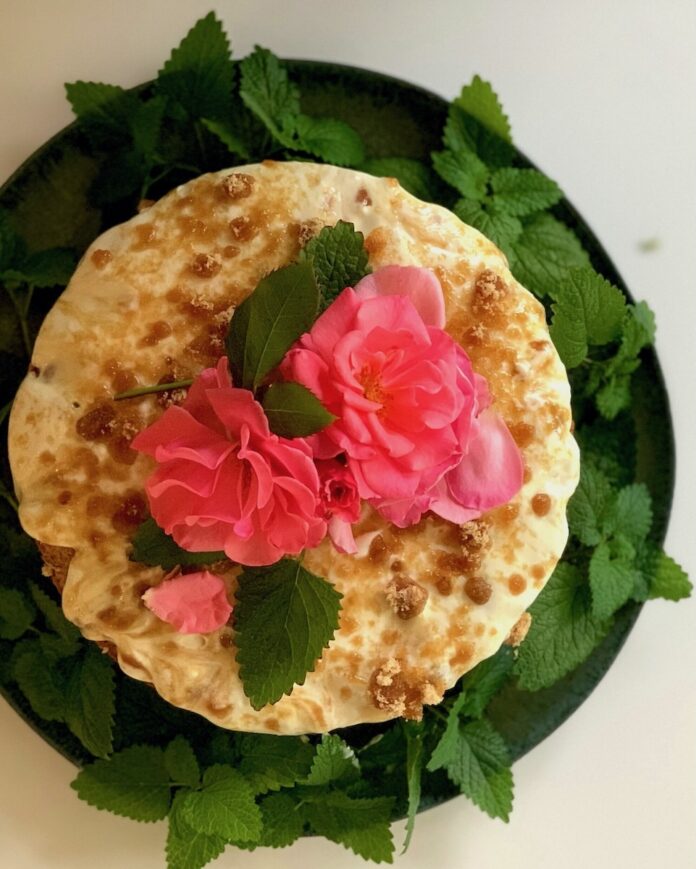
Dad is tough when he needs to be, and tender all the time. Celebrate Father’s Day with a cake that benefits from the firm toothiness of semolina, even as its rich, aromatic flavors embrace the palate. We also topped the cake with edible flowers, and you can decide which garnish you want for the most festive dessert. Enjoy! (And maybe pair with a Father’s Day cocktail?)
Tips for Making Semolina Cake
First off, you want to pick the right semolina for the recipe. There are two types of semolina: fine and coarse. Fine semolina works best for a soft, moist cake, while coarse semolina gives a slightly denser texture. If you want a fluffy and moist cake, go with fine semolina. For a richer flavor and tenderness, you can use full-fat yogurt or milk in your cake batter. This will add moisture and a creamy richness to the semolina. However, it all depends on how you want the cake to turn out, as each choice you make in baking affects the overall outcome.
A cake that’s both tough and tender, just like Dad.
Ingredients
Scale
For the cake:
1¼ cups olive oil
1 ¼ cups sugar
1 ½ cups cake flour
1 cup semolina flour
2 tbsp baking powder
½ tbsp baking soda
½ tsp salt
3 tbsp spiced rum for batter
2/3 cups spiced rum to pour over cakes at the end of baking, plus more for basting the finished cakes
2 tbsp orange zest (use a microplane!)
3 tbsp orange juice
1 tbsp vanilla extract
1 tbsp almond extract
½ tbsp orange extract
1 tbsp ground cardamom
3 eggs
1 cup peach or apricot jam
For the frosting:
2 cups crème fraiche (or 1 c crème fraiche and 1 cup labneh)
¼ cups sugar
½ tbsp orange extract
½ cups light brown sugar for sprinkling
Instructions
Preheat oven to 350°. Thoroughly oil two round 9” cake pans.
Combine flours, baking powder, baking soda, and salt in a medium bowl.
Using the whisk attachment of a mixer, combine eggs, zest, and sugar and beat for at approximately 3 minutes until smooth thick.
While the mixer runs, drizzle in oil. Beat until well combined.
Add dry ingredients a bit at a time, then add wet ingredients. Be sure to scrape bottom and sides of mixing bowl once in a while.
When ready, divide batter evenly between the oiled cake pans. Bake for 35 minutes, until a cake tester shows no crumbs.
Pour 1/3 cup rum over each cake tin, distributing as evenly as possible. Return to oven for 5 min.
Remove and let cool for 10 min. Working carefully with a rubber spatula, loosen the cakes and remove from pans.
While still warm, place a layer on a cake plate. Drizzle with a tablespoon or two of spiced rum. Spread with peach or apricot jam. Top with second layer. Drizzle with a tablespoon or two of spiced rum.
Whisk together frosting ingredients. Let rest for 10 minutes and pour onto the center of the top layer. This drippy frosting will make its way down the sides of the cake. Embrace the unpredictability!
Sprinkle with brown sugar just before serving. Garnish with edible herbs and flowers from the garden.
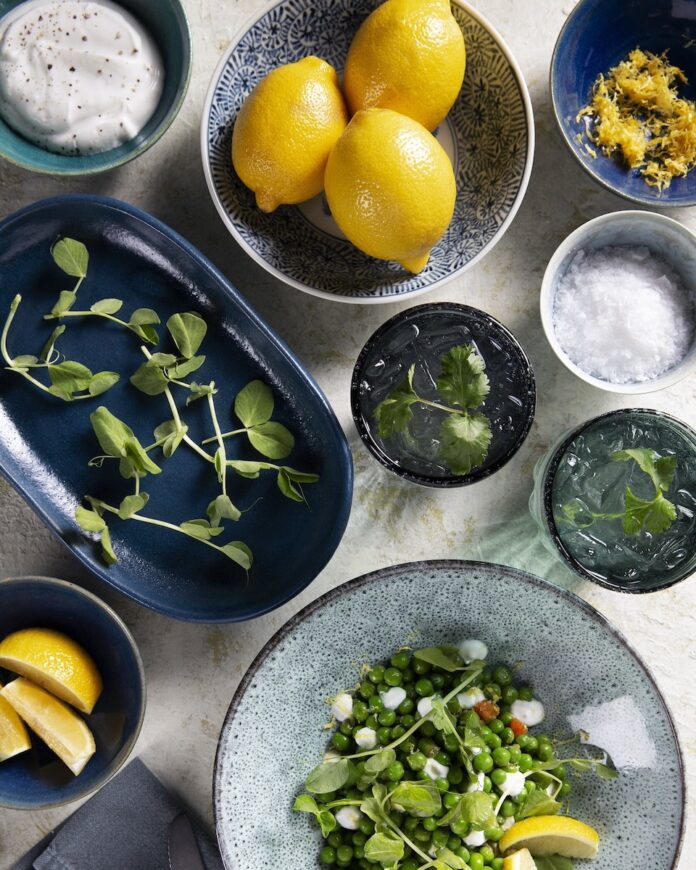
Chef Curtis Gamble dazzled our palate with these English peas with soffritto, yogurt and lemon. They’re shown here with a gorgeous asparagus platter with soft boiled egg, buttermilk dressing, and sourdough croutons tossed in tarragon salsa verde. Maybe pair it with a Sweet Pea cocktail...
What is Soffritto?
The name “soffritto” comes from the Italian verb soffriggere, meaning “to sauté,” referring to the process of cooking the ingredients gently in olive oil or butter. Typically, soffritto is made in Italy from a combination of three key ingredients: onions, carrots, and celery. You finely chop these vegetables and sautée them together until they become tender and aromatic. In some variations, garlic, herbs like bay leaves or thyme, and even pancetta or prosciutto enhance the flavor. Incorporating soffritto into your cooking is an excellent way to add complexity and umami to your meals. Whether you’re making a hearty pasta sauce, a flavorful soup, or this peas with soffritto dish, soffritto is the secret ingredient that can take your cooking to the next level.
In small batches, pulse celery, carrots, onions, and garlic to a fine mince in a food processor. Combine in a narrow pot and cover with olive oil and place over medium low heat.
Gently cook until the olive oil is clean and most of the moisture has cooked off. Cool overnight in the refrigerator.
Spoon several spoonfuls of yogurt on to a serving dish. In a mixing bowl add English peas, soffritto, zest and juice of 2 lemons and extra-virgin olive oil. Salt and pepper to taste and mix well. Spoon over yogurt, top with pea tendrils, and the zest of 2 lemons. Serve.
I know, I know – you’ve had a spritz before. But trust me, this gin spritz from Kaitlin Fellers is like no other. The pineapple syrup gives the fruity, refreshing drink a tropical edge, balanced out with herby, almost licorice-like dashes of Peychaud’s bitters. Grab a bottle of Lawrenceville Distilling’s Jaggerbush American Dry Gin to finish off the drink with a few light botanicals.
About Lawrenceville Distilling’s Gin
This gin spritz uses a dry gin, with a huge roster of botanicals, floral notes, and a peppery finish. Lawrenceville Distilling is a small distiller in Pittsburgh, known also for their absinthe. If you can’t order from them, try to find a gin with a similar flavor profile. For more about picking a gin for a cocktail, you can read our liquor education piece All About Gin.
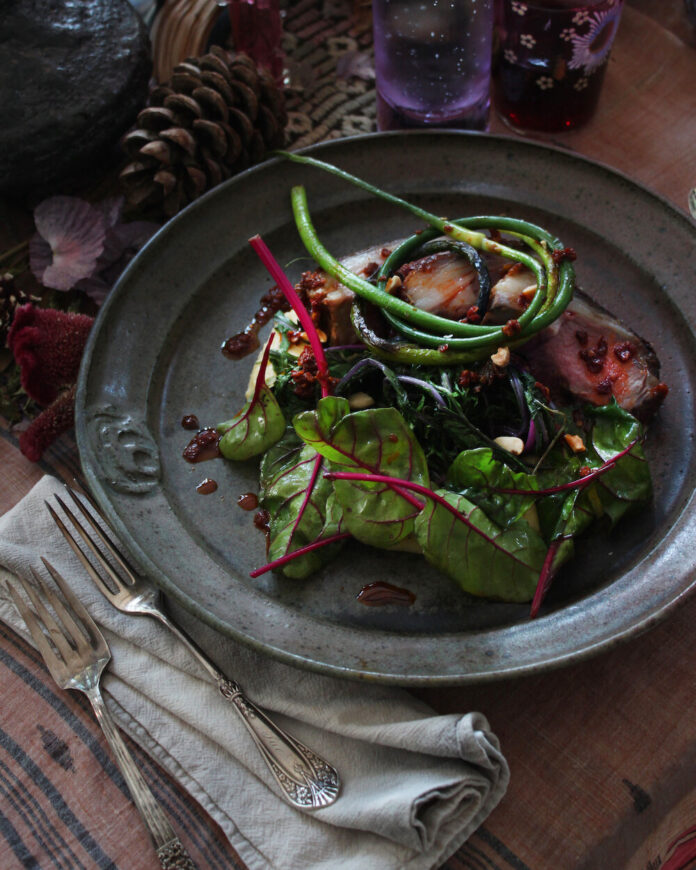
This slow-cooked Lamb Rendang from The Aviary Kinderhook is fork-tender, rich with coconut milk made buttery and smooth in the process, and infused with the indescribably delicious layering of Indonesian flavors. Serve it with sides of sautéed greens and creamy polenta cooked with coconut milk and a bit of salt, and dressed with Indonesian sambal oelek, a ground chili sauce available at many grocers.
How Lamb Rendang Relates to Wine
Rendang is the sort of dish that unfolds as you eat it, inspiring a second helping, another sip of wine, and a long conversation with friends. We open a light but earthy 2019 Beaujolais Château de Fleurie, which plays beautifully with the burnished flavors of the Lamb Rendang.
A bit of coconut milk makes this slow-cooked lamb undeniably buttery.
Ingredients
Scale
2.5–3 whole rack of lamb ribs
3 tbsp canola oil, divided
Kosher salt
Freshly ground black pepper
6 small shallots, peeled and sliced
6 garlic cloves, peeled and sliced
4 oz. fresh red chilies (such as fresnos, red jalapenos, bird’s eye chilies)
1–3” knob fresh ginger, peeled and sliced
3 stalks lemongrass, tender white parts only, smashed
2 tsp ground coriander
1 tsp ground cumin
2 tsp ground turmeric
½ tsp ground cardamom
1 tbsp palm sugar, or more to taste
3 makrut lime leaves
1 cinnamon stick
1 can full-fat coconut milk
1 tbsp tamarind juice
Instructions
To make the rendang paste, process shallots, garlic, chilies, ginger, and lemongrass until finely minced.
In a medium saute pan over med-low heat, add 1 tbsp canola oil and add aromatic paste, spices, palm sugar, lime leaves, and cinnamon.
Cook the spice paste for about 1 hour, stirring occasionally and allowing it to maintain a gentle sizzle as it deepens in color.
Whenever the spice paste starts sticking to the bottom of the pan, add coconut milk a few tablespoons at a time to help dislodge the fond and continue stirring (use up all the coconut milk).
By the end, the rendang paste should be deep brown in color and the coconut oil should have separated from the solids.
Add tamarind juice. Allow paste to cool to room temp before using, or store in the fridge for up to 1 week.
Season lamb rack with kosher salt and black pepper. Heat a large cast iron pan or dutch oven on medium-high and add 2 tbsp canola oil.
When oil just starts to smoke, place lamb rack fat side down in the pan. Turn heat down to med-low and allow fat to render and brown without burning, adjusting heat as necessary (at least 10-15 mins).
Once the fat has rendered, sear the remaining sides until deeply browned.
Remove rack from pan and place onto a sheet tray (cool and save lamb fat for another use). Coat rack generously in rendang paste, and roast at 350F for 15 minutes or until a thermometer probe inside reads 125F.
Rest for 10 minutes before slicing. Serve over coconut milk polenta or jasmine rice, simply prepared vegetables (such as garlic scapes, spring onions, swiss chard), and plenty of sambal.
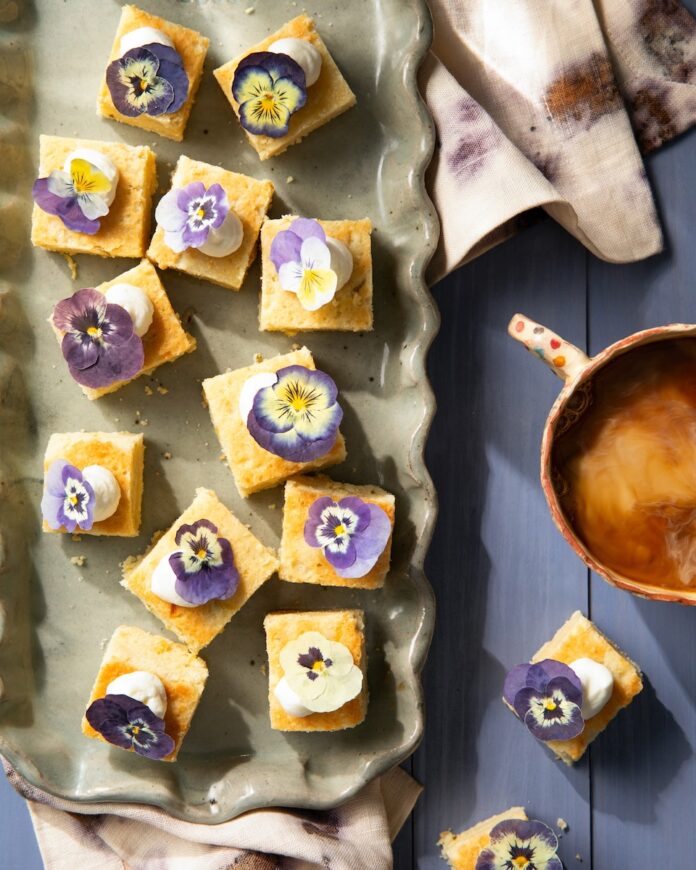
What can we say? We’re suckers for edible spring flowers like pansies. Their reappearance means we can sprinkle them on everything from salads to desserts…like these Triple Citrus Shortbread Squares. Bite into these handheld delights that start with a simple shortbread make with flavor-brightening oranges, lemons, and limes. On top of each of these shortbread squares, you’ll also find a dollop of just-sweet-enough homemade whipped cream. You can even infuse with whipped cream with limoncello. The add edible flowers on top add an extra touch of beauty. Now all you need is a refreshing cocktail or a glass of lemonade under the sunny skies.
How Can I Bring Butter to Room Temperature Quickly?
You will need room temperature butter for our Triple Citrus Shortbread Squares. Though it’s inevitable that you’ll forget to leave out the butter before baking at some point. Thankfully, there are few different ways you can bring your butter to room temperature and use it in a flash. There is the option of slicing the butter you’re using into small cubes and letting them sit on a plate. Smaller cubes means faster softening but you’ll still have to wait 10 to 20 minutes. However, if that’s too long to wait, you could also use the microwave to heat your butter. But, be careful: you’ll want your microwave on the lowest setting and you should only heat the butter for about 5 seconds at a time.
Taurus season arrives when spring is no longer a promise but a presence and we’ve got the perfect menu to accompany this zodiac sign’s time to shine.
It’s a time where air is gentler, the soil warmer, and the early bloom gives way to richer foliage and the first fruits. It’s marked by consistency – longer days, steadier growth, and a sense that nature has found its rhythm. Where Aries breaks the ground, Taurus holds it. This sign belongs to the season of rooting, ripening, and learning to trust in slow, lasting returns.
Taurus, the Power That Rests
The sign of Taurus is represented by the bull, an animal long associated with strength, stamina, and dependability. Taurus isn’t drawn to action for its own sake, but moves with purpose, aiming toward a life that is secure, useful, and richly felt. Hard work, when it comes, is accepted without complaint – the more so if it serves a practical goal. This sign excels not in forceful ambition, but in steady pursuit of what makes life good: warmth, routine, and a sense of earned comfort.
The bull has two horns, and Taurus is slow to use them. Anger or confrontation doesn’t come easily to this sign – but once roused, there is no holding it back. Ancient sources linked the stars in the bull’s horns with both ferocity and the power to raze to the ground. In this image we find an important truth about Taurus: its patience should not be mistaken for passivity. When provoked, this sign is capable of displays of immense strength and, if needed, total demolition.
In classical depictions, the bull of Taurus is shown resting, its hind legs folded beneath it. This quiet posture offers two insights: first, that Taurus can be slow to get moving, preferring rest over exertion unless there’s a real need. But second, and more importantly, it reminds us that strength doesn’t always look like action. There is a power in stillness, and Taurus excels at holding its ground. Whether in conversation, work, or personal values, the ability to sit firm and not rise until ready is this sign’s great asset.
Taurus & The Seasons
The sign of Taurus and the constellation of Taurus are not the same thing. Constellations are groups of stars visible in the night sky, while zodiacal signs are equal divisions of the Sun’s apparent path throughout the year, known as the ecliptic. The zodiacal signs are linked to the seasons, not the stars themselves.
The twelve zodiacal signs can be grouped into three categories based on their relationship to the seasons. The cardinal signs mark the beginning of each season and are associated with change and new beginnings. The fixed signs fall in the middle of each season and are known for their stability, determination, and resolute nature. Lastly, the mutable signs stand between the close of one season and the start of the next. These signs are associated with adaptability, flexibility, and the ability to navigate change with ease.
Spring and Taurus
As a fixed sign, Taurus holds the middle of spring, when the season is fully underway and new growth is all around us. Fixed signs are known for their stability, consistency, and resistance to disruption – and Taurus expresses this through groundedness, physical presence, and steady effort. You don’t rush change, but once your course is set, it’s hard to sway you. This strength of resolve can be a gift when tasks require follow-through and patience. At times, though, it may lead to inertia or resistance to needed change. Recognizing this tendency allows you to remain open to gentle shifts when necessary particularly by staying in conversation with more adaptive or initiating energies – that help you adjust course without undesirable compromises.
New Goals for Taurus
Practice flexibility in small, low-stakes decisions. Your strength lies in consistency, but over time that can harden into resistance to change. Experiment with allowing slight variations in your routine. Try a new route, update a familiar recipe, or delegate a task you usually control. These small shifts help build trust in change without destabilizing your sense of order.
Prioritize movement as a daily ritual. The melancholic temperament and earth element both incline toward stillness and heaviness. Incorporate gentle, regular movement – walking, stretching, or gardening – not for dramatic transformation, but to keep your energy circulating and your body grounded in vitality. Taurus is great at strength and weight resistance, if the gym is more your style!
Revisit and refresh your relationship with comfort. Creating warmth, beauty, and stability is one of your great strengths – so make space to deepen that practice. Are there old pleasures or routines you once loved that have fallen by the wayside? Are there new comforts you’ve been curious about but slow to welcome in? Let this be a season to refine your rituals and surround yourself with what genuinely nourishes you, body and soul.
What Qualities Does Taurus’ Zodiac Sign Have?
The zodiac signs are grouped by both element and modality, each with distinct implications for constitution and character. The earth signs (Taurus, Virgo, and Capricorn) share a grounding presence and are associated with the melancholic temperament, which is cold and dry by nature. These signs are deliberate, measured, and often drawn toward things that endure: traditions, craftsmanship, reliable work, and simple routines that support a stable life.
Among the earth signs, Taurus is perhaps the most bodily. This is a sign deeply attuned to physical sensation, capable of remarkable steadiness and resilience. Taurus is not easily rushed or diverted. When others are quick to pivot or leap to conclusions, Taurus waits, listens, and watches. That slowness should not be mistaken for dullness – it is a kind of animal intelligence, focused on what can be felt, held, and built upon. The melancholic temperament favors solitude, but Taurus finds companionship in shared pleasures: a well-set table, a walk in nature, a good night’s sleep.
Qualities to Take Note Of
Melancholic signs can sometimes lean toward stagnation or excess rigidity, and for Taurus, this may show up as inertia – falling into habits that feel good in the moment but ultimately weigh the body down. This is a constitution that benefits from routine, yes, but also from occasional challenge. Circulation, movement, and warmth are essential to keep Taurus in good health – not just physically, but mentally as well.
Earth signs tend to prefer foods that are dry, dense, or cooling by nature – things like breads, cheeses, nuts, or root vegetables – which can further reinforce their constitutional tendencies. For Taurus, whose instinct is often to seek comfort in these reliable foods, it can be helpful to balance meals with items that bring lightness and warmth: gently spiced broths, lightly cooked greens, or stewed fruits. These support digestion and circulation without disrupting the appetite for simplicity and nourishment.
Best Foods to Balance Taurus
For most seasons, these foods help strengthen and gently support the melancholic temperament associated with Taurus. The focus is on nourishment, warmth, and digestibility – grounding without becoming too heavy, and comforting without encouraging stagnation:
Land: Lamb, beef, pork (especially slow-cooked or stewed), chicken, duck
Alcohol: Earthy red wines, dark beers, spiced meads (in moderation)
Herbs and spices: Ginger, rosemary, cinnamon, cumin, clove, black pepper – warming but not overly stimulating
During autumn, the air turns crisp and dry, amplifying the already cold and dry tendencies of the melancholic temperament. This can result in tightness, both physical and emotional, and a general sense of heaviness or depletion. To temper these effects, favor foods that are warming, moistening, and easy to digest, helping to lubricate tissues and keep energy moving:
Land: Braised meats, slow-cooked lamb, fatty cuts of beef or pork, bone-in chicken stews
Surf: Oily fish like salmon, trout, and mackerel; shellfish in buttery sauces or soups
Grains: Warm porridges made with milk or broth, cooked farro or barley with olive oil
Oh, cold and dry Taurus. Even in the blooming of spring or the dead of winter, you’ll still desire a cold but rich beverage above the rest. Let us introduce you to Chilled Red Wine. It’s a way to nourish this sign without overdoing it. The ice works perfectly with light-bodied red wines which keep Taurus on their feet and off the couch.
Creamy and nutritious, this Pea Soup features an herbal jolt of mint encased in a decadent crème fraîche broth. Beneath the surface lies slow-cooked root vegetables like celery and onions along with green peas. The best part about this soup is that it can be served hot or cold depending on how Taurus is feeling during that particular day or season.
Taurus’ energy needs to be prioritized when it comes to this sign’s diet and we have just the recipe for it. Our Burgundy Braised Lamb Shank Dinner uses slow-cooked lamb in earthy herbs and spices such as rosemary, thyme, and bay leaves. This warming and moistening dish helps reboot Taurus’ body and mind alike.
We couldn’t leave Taurus’ dinner without a side that keeps the liveliness flowing. Pack in all those greens and veggies with this Farro side salad. Ginger soothes the stomach while beets, mustard greens, and farro leave you feeling full even from a small serving. It’s basically a superfood side dish!
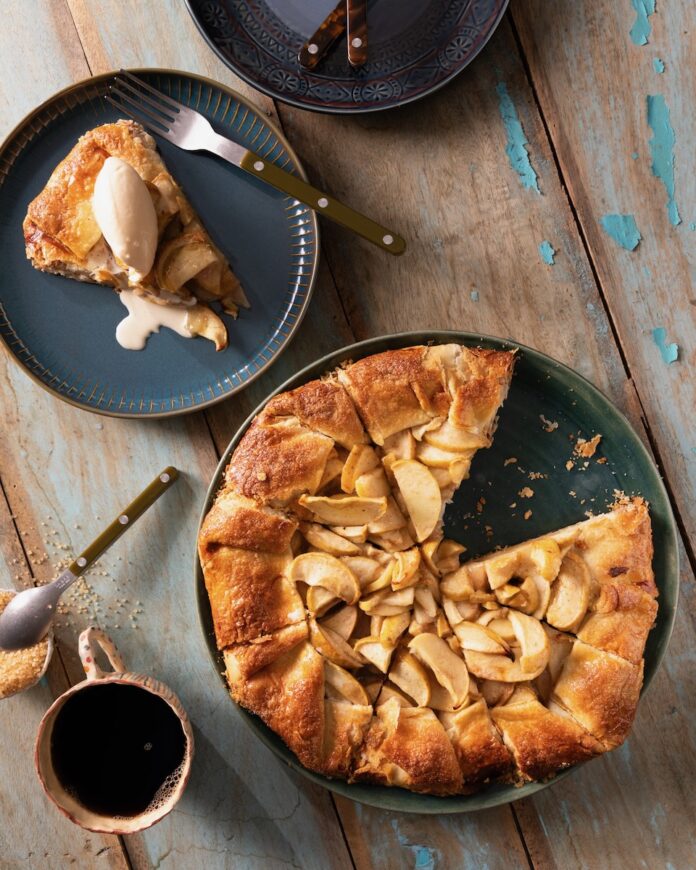
We’re going all out for Taurus’ birthday cake/dessert. Martha Stewart inspired us to create this Apple Crostata and its ingredients check all the boxes for this sign. You’ve got your warming cinnamon beside gooey, full-fat cheddar cheese. Then, golden apples and hints of lemon juice fill the undeniably delicious center. It gives Taurus that bit of sweetness they so dearly crave but still keeps them grounded at the end of the day. Just don’t forget the scoop for vanilla ice cream on top!
Author Bio
Wade Caves, based in Brooklyn, NY, is an astrological consultant and educator specializing in problem-solving applications of astrology. He teaches astrological divination and astronomy at the School of Traditional Astrology. Wade also publishes his work on world astrology through Skyscript’s In Mundo publishing desk. He even hosts the World Astrology Summit. A conference dedicated to the advancement of astrology for global problem-solving. Website: wadecaves.com • skyscript.co.uk/inmundo. Email: hello@wadecaves.com.
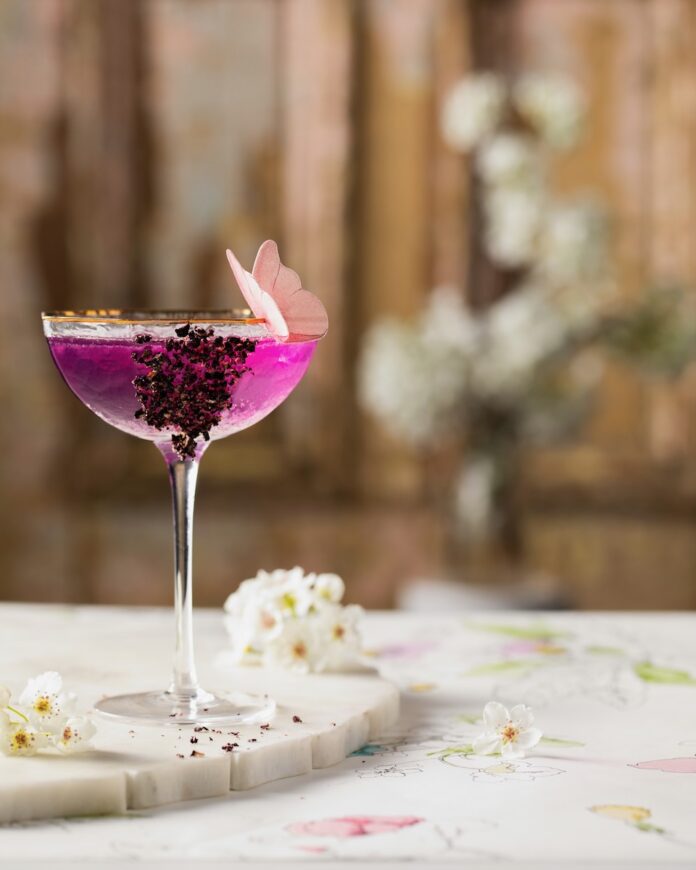
As a mom of three, the In the Butterfly Gin and Tonic is my dream non-alcoholic cocktail/mocktail for Mother’s Day. With a vibrant, enchanting purple hue and an imaginative garnish, this gives the classic G&T cocktail (my fav by the way!) the sophisticated twist mom deserves. Trust us, you’ll want to make sure you pick up the edible butterflies as well as freeze-dried blueberries to make your drinkable garden come to life.
What is the Monday Zero-Alcohol Gin in our Mother’s Day Mocktail?
You can really use any zero-alcohol gin as an alternative to the traditional. But, we recommend Monday Zero-Alcohol Gin for its smooth texture and perfect taste. It’s basically meant to mimic the flavors of a classic London Dry gin. You’ll find a bold, juniper-forward taste featuring lingering notes of bitter lemon, grapefruit, and then a little coriander. This way, you and mom can enjoy the familiar botanical characteristics of a gin and tonic without any of the alcohol content. Plus, Monday Zero-Alcohol Gin uses natural ingredients and has zero carbs, sugars, and calories, so you can feel good about what you’re drinking.
The Lemon Drop’s blend of lemon and orange flavors make it a natural fit to mix with lavender, which we consider to be a great representation of Mother’s Day. Lavender is calming, soothing, much like a mother’s love. All you have to do is replace the drink’s simple syrup with lavender simple syrup and you have a knock out citrus-lavender-vodka cocktail. You can even dress up the simple presentation by garnishing with a lemon twist or a lavender sprig. Just don’t forget to thank mom for all those years taking care of you as you mix this cocktail up for her.
How to Make Homemade Lavender Simple Syrup
Making any type of simple syrup is as easy as including the flavor you want to infuse. For our Lavender Lemon Drop, that means including dried lavender buds or lavender extract in your simple syrup recipe. All you have to do is dissolve sugar into water in equal parts before adding in the lavender. It is important to note that lavender on its own can be very strong, especially in an extract. You’re only going to want to add 1-2 tablespoons of dried buds or a 1/4 teaspoon of extract. It’s better to start with less flavoring and work up to what you like rather than adding too much immediately and running the risk of ruining the syrup.
While everyone else is gifting flowers for the holiday (florals for spring? Groundbreaking, indeed…), consider instead sharing one of these 5 best rosés with the wine-loving matriarch in your life for Mother’s Day. They’ll smell just as good as the flowers, and they’ll taste even better.
This gorgeous bubbly is a blend of the three Champagne varieties (Chardonnay, Pinot Noir, and Pinot Meunier). It doles out rich aromas of red raspberry, strawberry, cream, and a hint of toast and chalky minerality. A consistent stunner worthy of any occasion.
This bright pink standout from Austria is full of sour cherry and red fruit flavors and aromas, and it’s the perfect light and crisp sip for appetizers, charcuterie, or enjoyment outside in the spring sunshine. Affordable and also high-quality.
Made from the heat-loving Mourvèdre grape, this rosé is a delightful watermelon pink shade and offers flavors in the same vein with a kick of rhubarb, something slightly savory, and also something earthy on the finish. For lovers of Bandol in France, give this bargain buy a look.
The little-planted local Grolleau grape is blended with Gamay to offer up this bubblegum pink beauty. Luscious, ripe cherry and red fruits emerge from the glass, and the wine finishes with a dollop of sweetness to help cool down the spicy dishes that also make the perfect accompaniment. Perhaps this Romanesco recipe with chorizo would be something to try?
For the mom who likes her rosé with a little more oomph, this drinks more like a light red, which is typical of the region. Darker in the glass than the others in this lineup, it still offers deep red raspberry and blood orange flavors, and it has a little tannic grip on the finish to help pair fabulously with hard cheeses and cured meats.
Story by Adam Knoerzer Photo Courtesy of Corina Rainer