Silver City offers a unique blend of history, outdoor adventure, and cultural charm, making it an ideal destination for a memorable weekend or summer getaway. Whether you’re an outdoor enthusiast, a history buff, or looking to relax in a scenic, small-town atmosphere, Silver City is it.
Silver City is Your Perfect Weekend Destination
The Historic Downtown
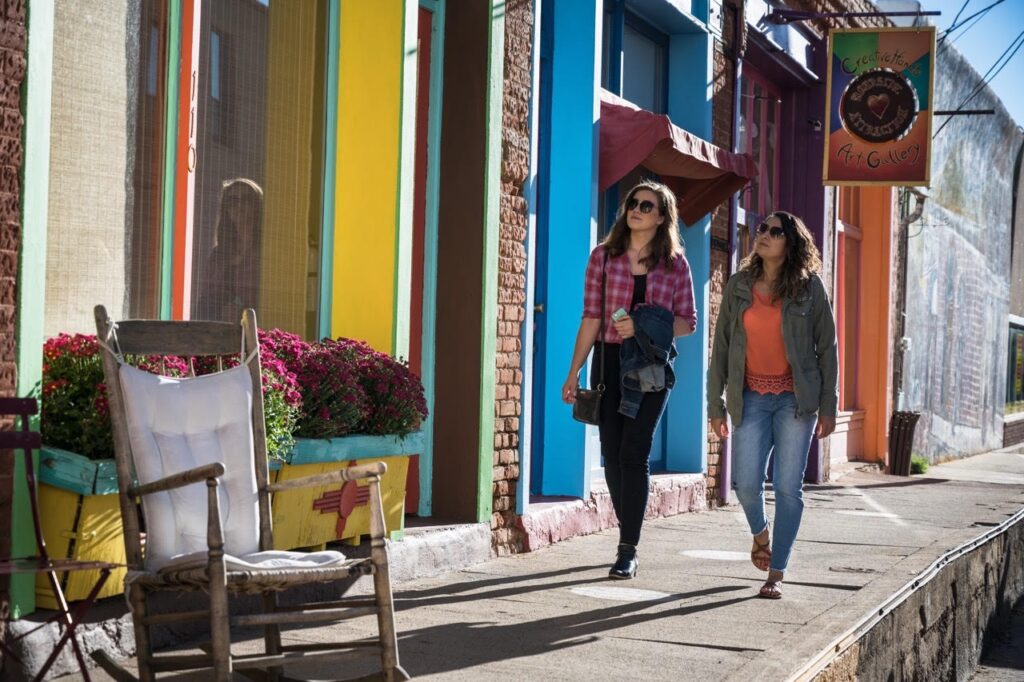
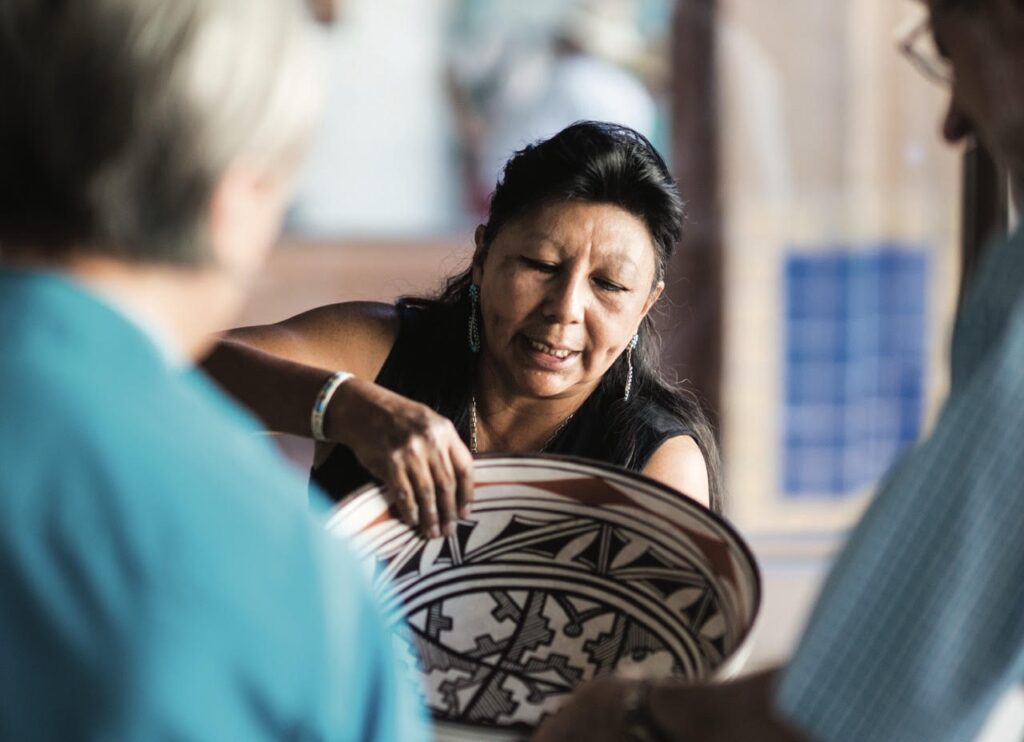
Silver City’s downtown is a charming mix of Victorian-era buildings, local art galleries and shops, cozy cafés and great dining options. Strolling through the streets feels like stepping back in time, with its rich mining history reflected in many of the historic structures. The Silver City Museum is a must-visit to learn about the town’s colorful past, from its founding as a mining boomtown to its transformation into an artistic haven. The downtown is known for its vibrant art scene. Silver City has a growing community of artists, and there are galleries to explore, showcasing everything from traditional Southwestern artwork to contemporary pieces. The Silver City Art Association hosts numerous events throughout the summer, including gallery walks and art shows.
Summer Festivals and Events
Silver City is home to a variety of summer festivals and events that celebrate the region’s culture, history, and community spirit. One of the most popular is the Silver City Blues Festival, which takes place every Memorial Weekend. Others not to be missed – Fiesta Latina in June and the Clay Festival in July.
Explore the Gila Wilderness
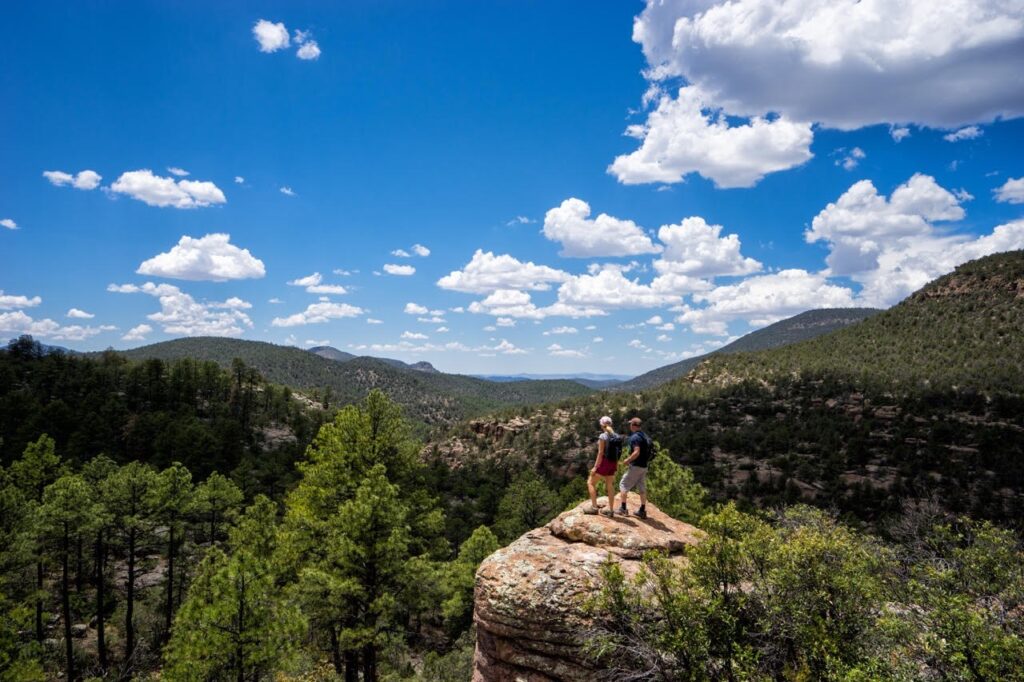
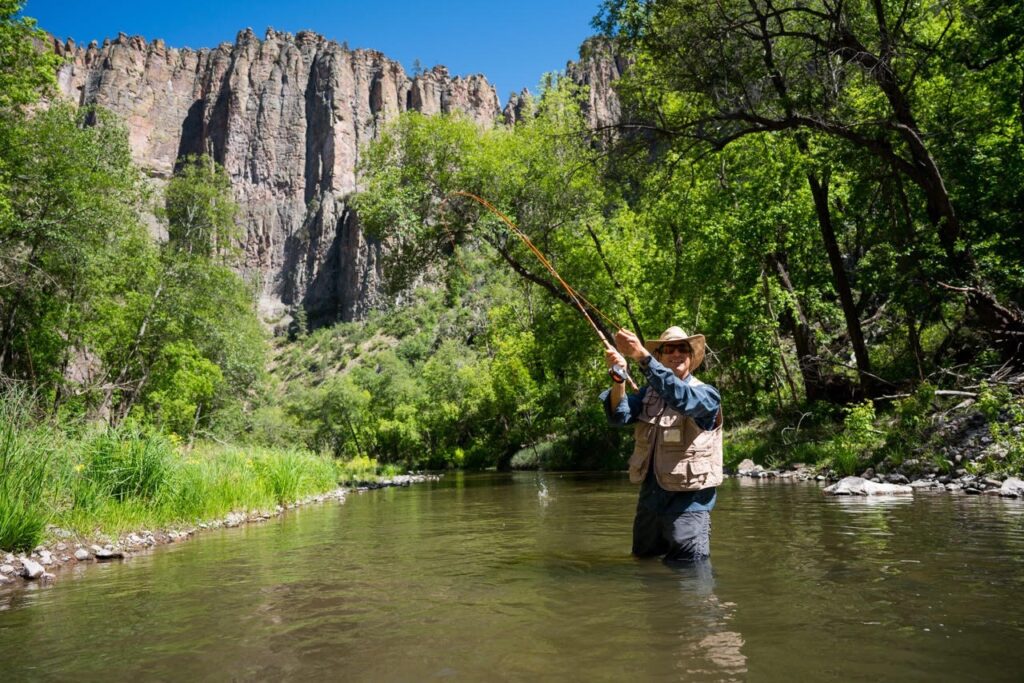
The Gila Wilderness, the first designated wilderness area in the country, offers an array of outdoor activities. Hiking, camping, and wildlife viewing are all popular pursuits. Trails range from easy walks to more challenging backcountry routes. The Gila Cliff Dwellings National Monument Trail leads visitors to ancient cliff dwellings built by the Mogollon people, offering a glimpse into the area’s rich history. The Gila River is great for fishing and kayaking, while the surrounding mountains are perfect for mountain biking and horseback riding.
City of Rocks State Park
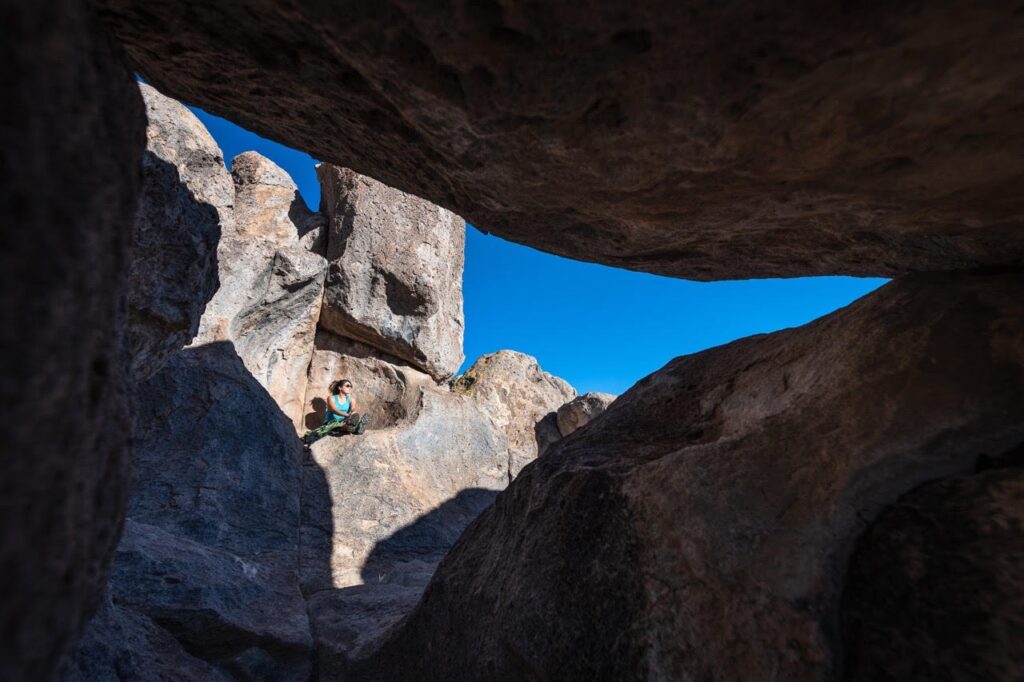
Just a short drive from Silver City, City of Rocks State Park offers a different kind of outdoor experience – striking rock formations that rise dramatically from the desert floor, creating a landscape unlike anything else in the region. The park offers hiking trails, picnicking areas, and camping spots, making it a great spot for a family outing or a peaceful retreat in nature. The park is also a fantastic place for stargazing, as the clear skies of southwestern New Mexico offer some of the best views of the night sky in the country.
The Perfect Base for Day Trips
Silver City is strategically located for day trips to other nearby attractions. A short drive takes you to the Mimbres Valley, where you can visit archaeological sites and ancient petroglyphs. Head east to explore the Vicksburg Ghost Town or enjoy the natural beauty of Lake Roberts for a peaceful day of fishing, boating, or hiking.
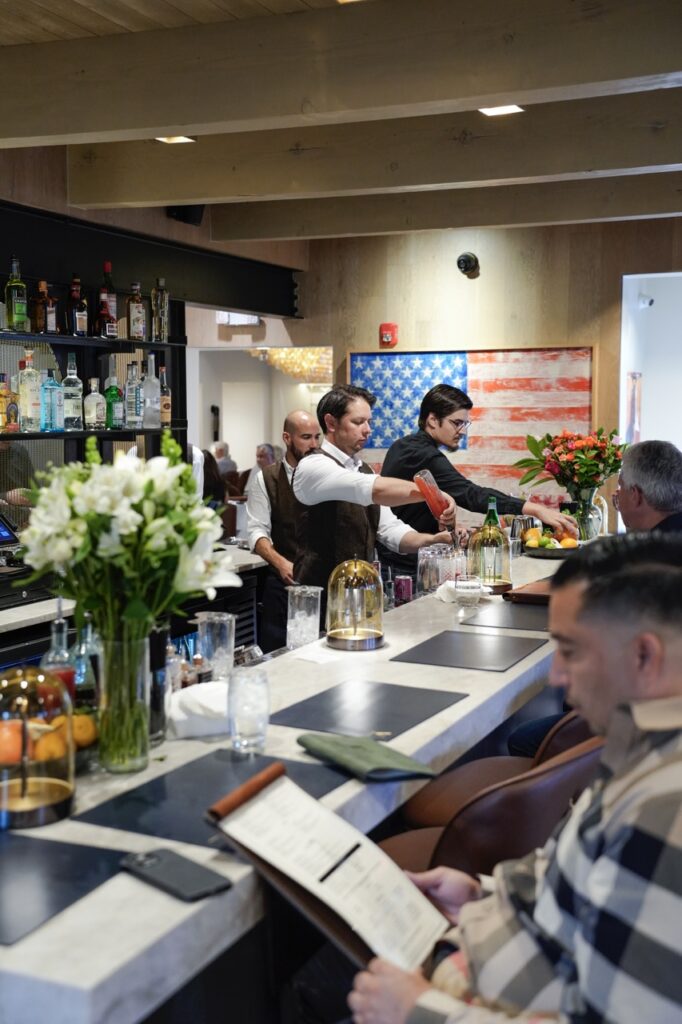
Marketsteer Steakhouse quickly carved out a stellar reputation for sublime fare such as juicy porterhouse and butter-poached Maine lobster after opening in 2018 in Santa Fe’s Hotel St. Francis. Now, settled into their gorgeous new digs across town, this popular steakhouse still has the chops.
Marketsteer Steakhouse Delicousness
What makes Marketsteer stand out? One unique ingredient is the intriguing background of executive chef Kathleen Crook, who co-owns the restaurant with her wife, Kristina Goode, Marketsteer’s general manager.
Crook grew up in a family of ranchers and farmers in Artesia, in southeastern New Mexico. Growing and picking food from the fields gave her a familiarity with fresh produce, while working with the family cattle gave her supreme knowledge about beef. The work ethic gave her the grit she later required to run a restaurant. “Being a farm and ranch kid, there was no such thing as summers,” she says recently, taking a break in the dining room before the bustling dinner shift. “It just meant more work.”
After high school, Crook hit the rodeo circuit with a college rodeo scholarship and won the prestigious World Champion Breakaway Roper in 1997. In those days, she could hardly make her way around a kitchen. “I honestly I wasn’t even boiling water back then,” she says. “I didn’t know how to hold a knife. Cooking was so hard and I just wasn’t part of it.” Until, that is, an infomercial roped her in and changed the course of her life.
Making a Shift to Cooking
“I was in my early 20s after college and was working at my mom’s ranch,” she recalls. “It was March and the wind started in and blew straight for days—50 miles an hour with sustained gusts of over 60. I could see the dust blowing through the windows. Late one night, I was watching tv when I saw a commercial for the Scottsdale Culinary Institute Le Cordon Bleu. I decided then to make a complete career change. I never looked back.”
Trading her saddle for a set of chef knives, Crook finished culinary school and hit the Dallas restaurant scene in 2003, where she met Goode while they were working at the same restaurant. The pair pulled up stakes for Aspen in 2010, to open Steakhouse 316 for CP Restaurant Group. But in 2018, the Land of Enchantment lured her home.
“We knew we wanted our own restaurant, we were just trying to figure out how to get there,” Crook says. “We came to my dad’s farm in Artestia and we did an upscale food truck, Farmer’s Feast. That’s where we came up with the burger on our bar menu, the Johnny C Smash Burger. We knew we wanted to go somewhere and Santa Fe hit all the marks, with being close to the mountains and having a great climate.”
A Dream Restaurant and Bar Combined at Marketsteer
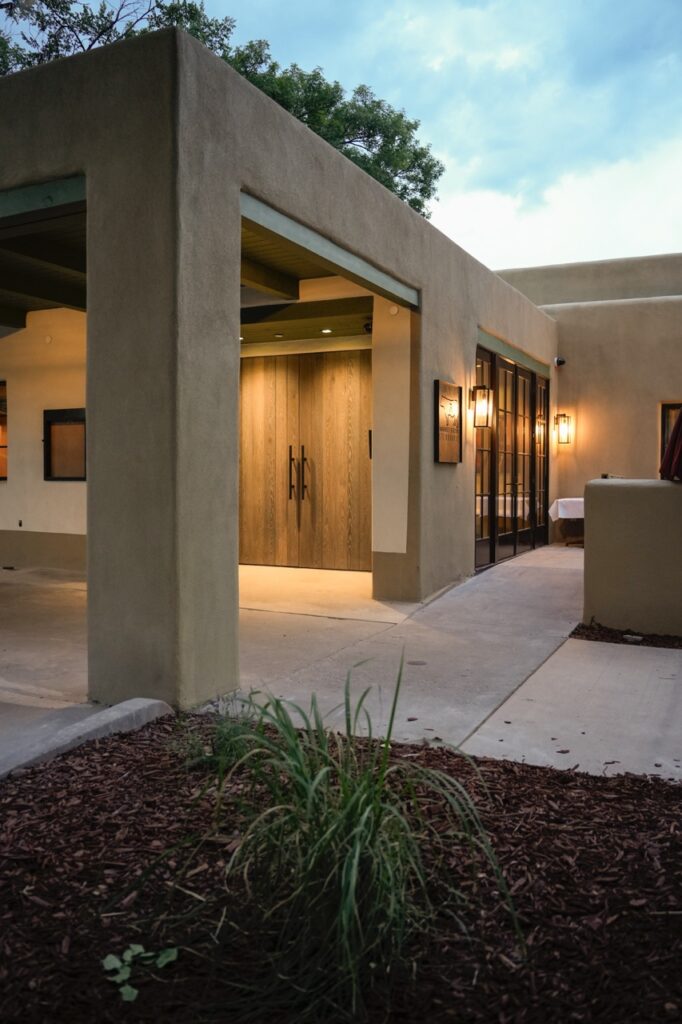
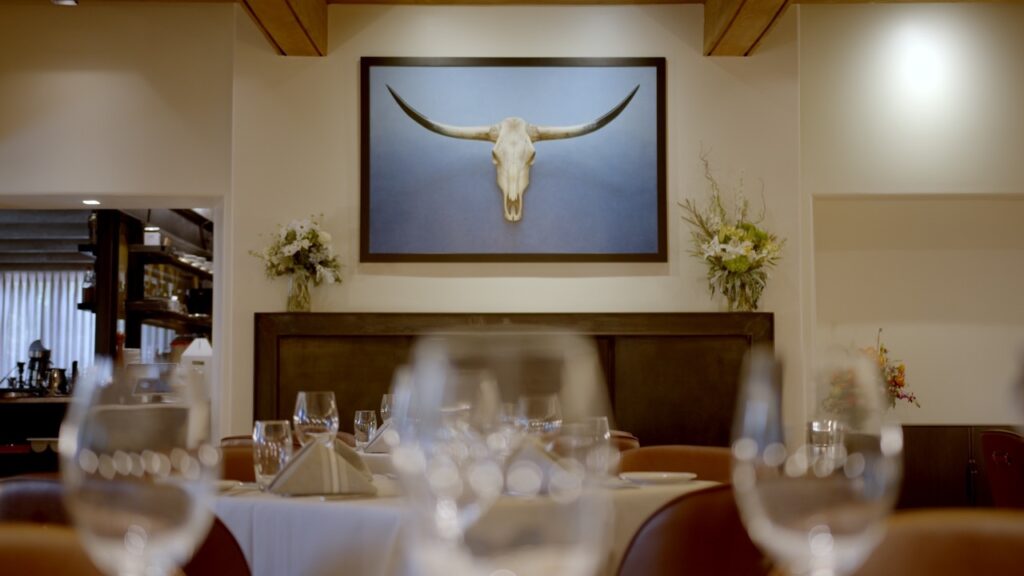
Crook and Goode jumped at the chance to buy the building that formerly housed El Meson which they then gutted and redesigned. The bar, aptly called the Tack Room, salutes Crook’s rodeo years with her medals, ribbons, and photographs displayed beneath two glass-topped tables. A painting of a Longhorn skull above the dining room fireplace honors Goode’s Dallas roots.
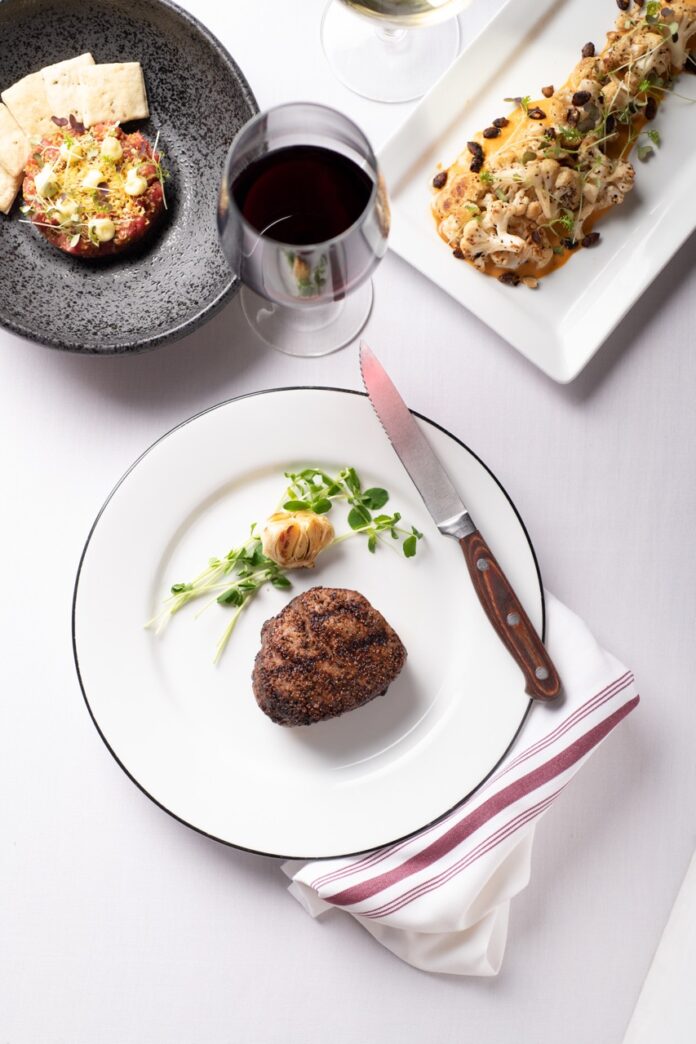
In addition to beef, Marketsteer’s menu offers sumptuous sauces as well as Colorado lamb T-bones, jerk-brined chicken, seared diver scallops and other enticing fare. Riffs on traditional steakhouse sides include chicken fried lobster mac and Boursin creamed spinach. Filet mignon and halibut are bestsellers but Crook has a favorite. “I really love my Tex-Mex Mussels. I went through a lot of different renditions before I came up with Texas Shiner-Bock Beer and green chile butter.”
Crook’s ingredient for success is simplicity. “You buy quality ingredients but you don’t need to over-manipulate it,” she says. “You buy quality and let it shine, rustic but refined.”
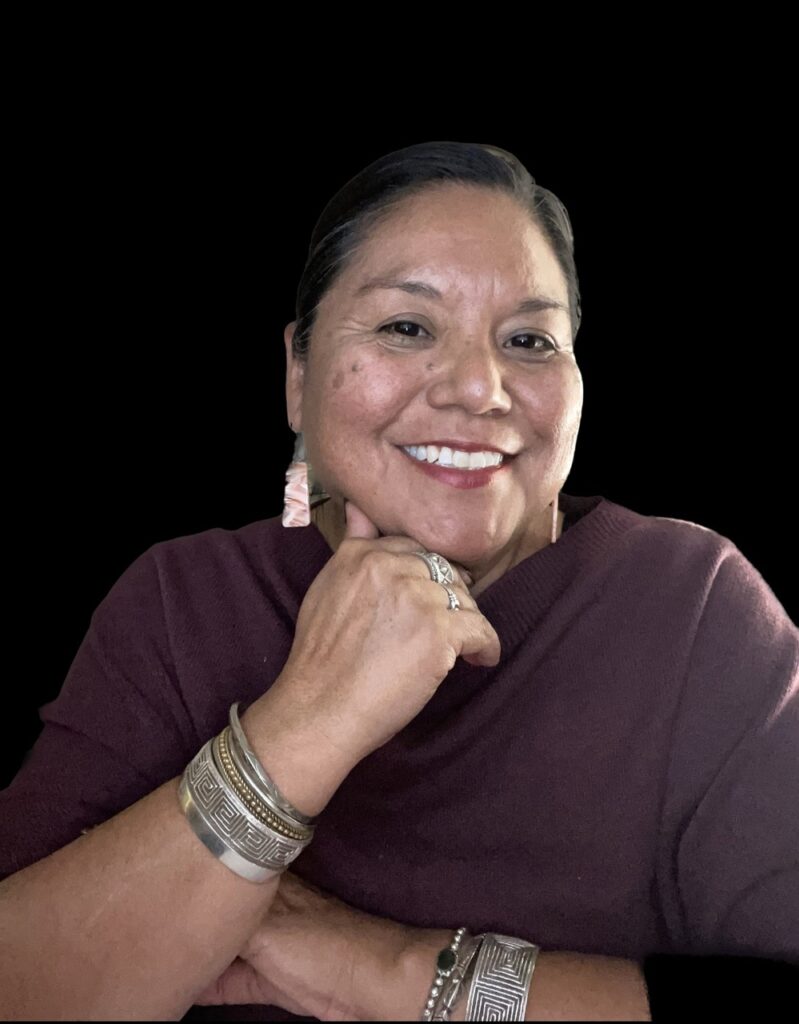
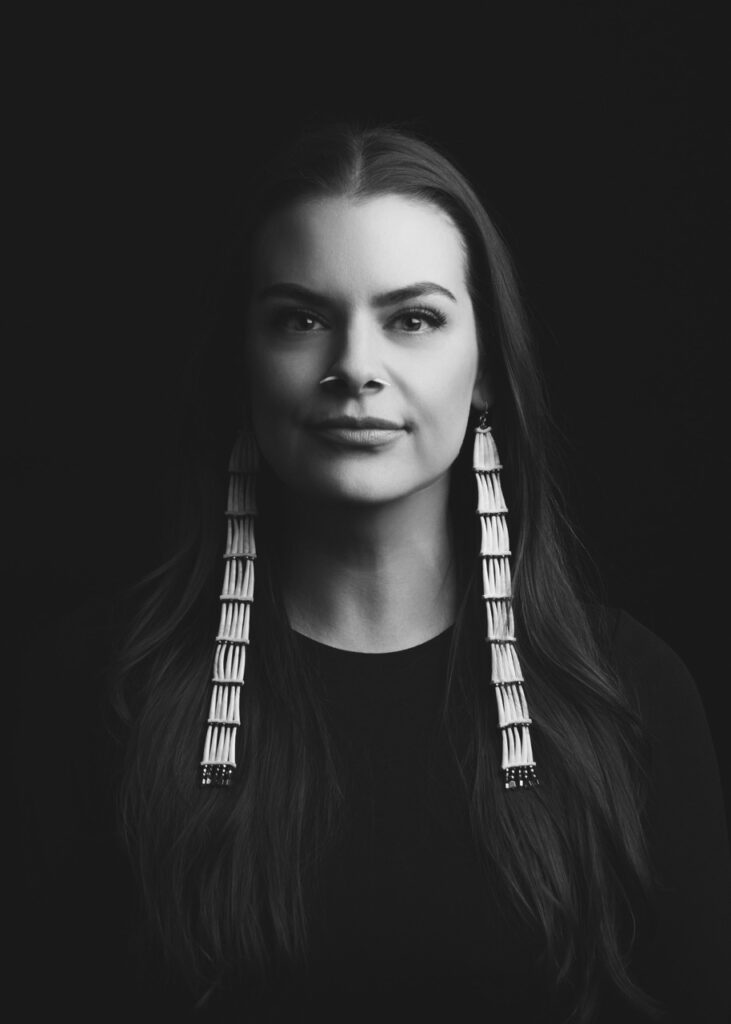
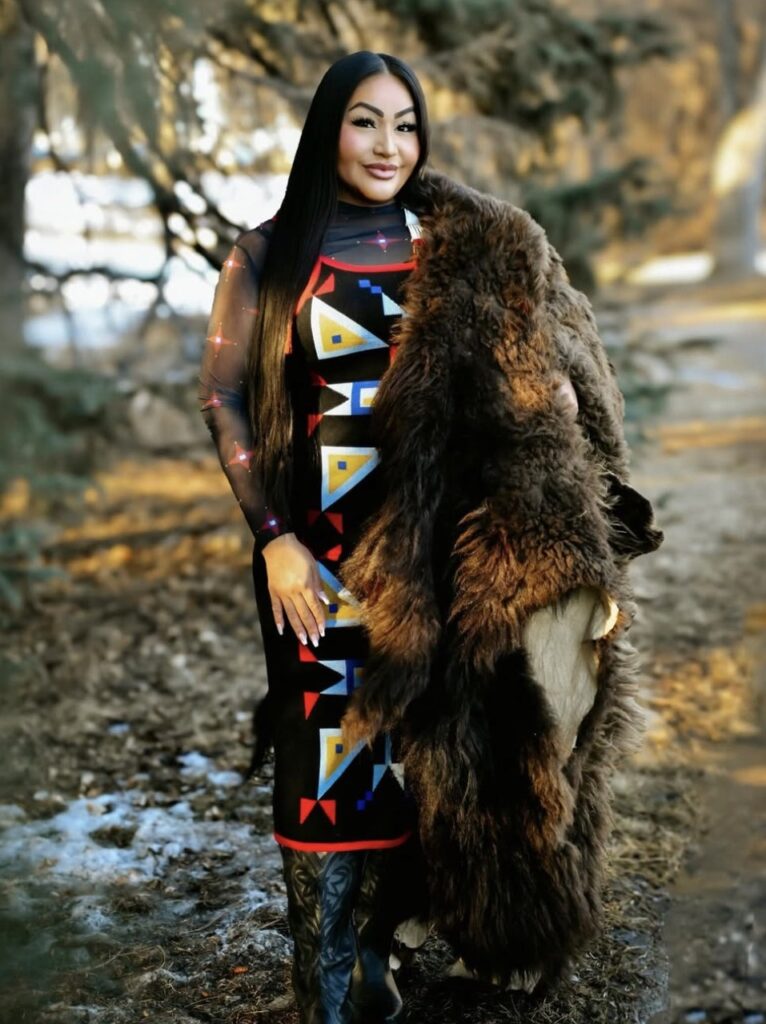
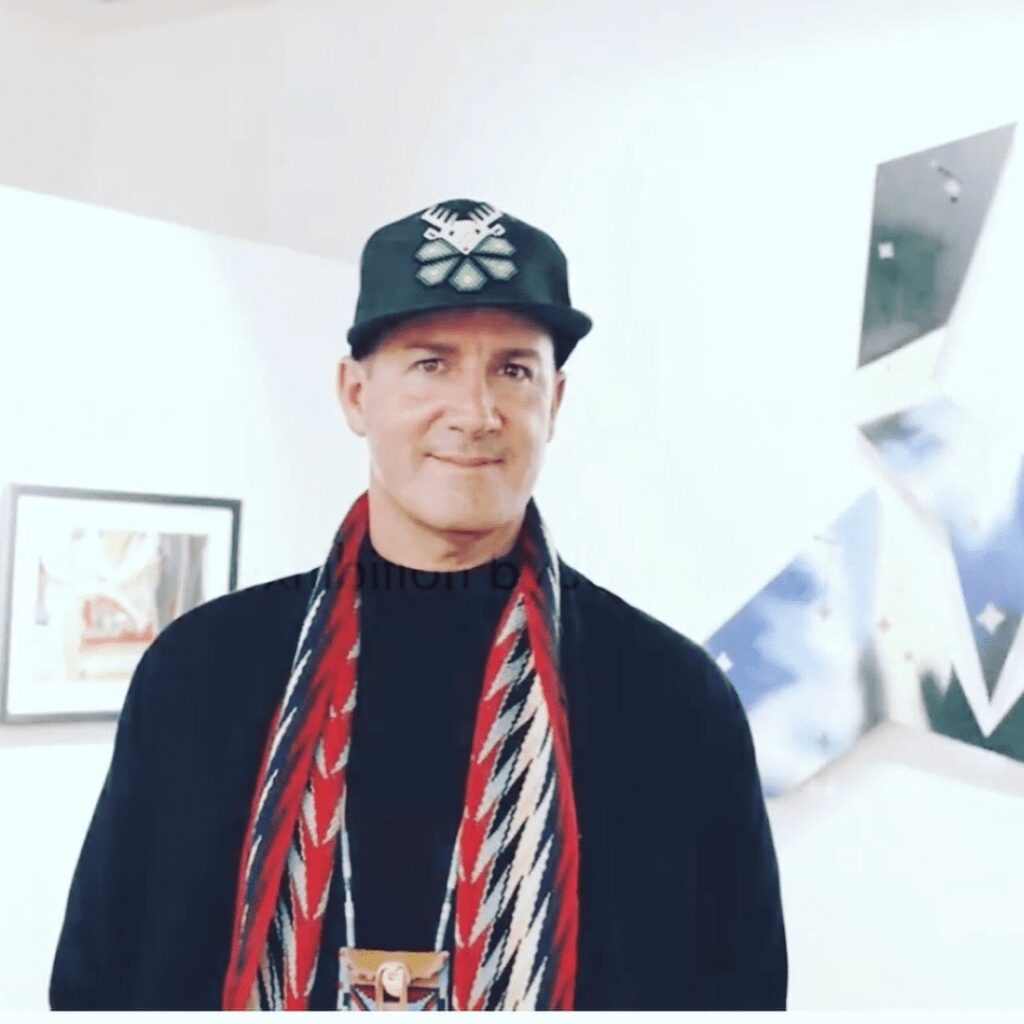
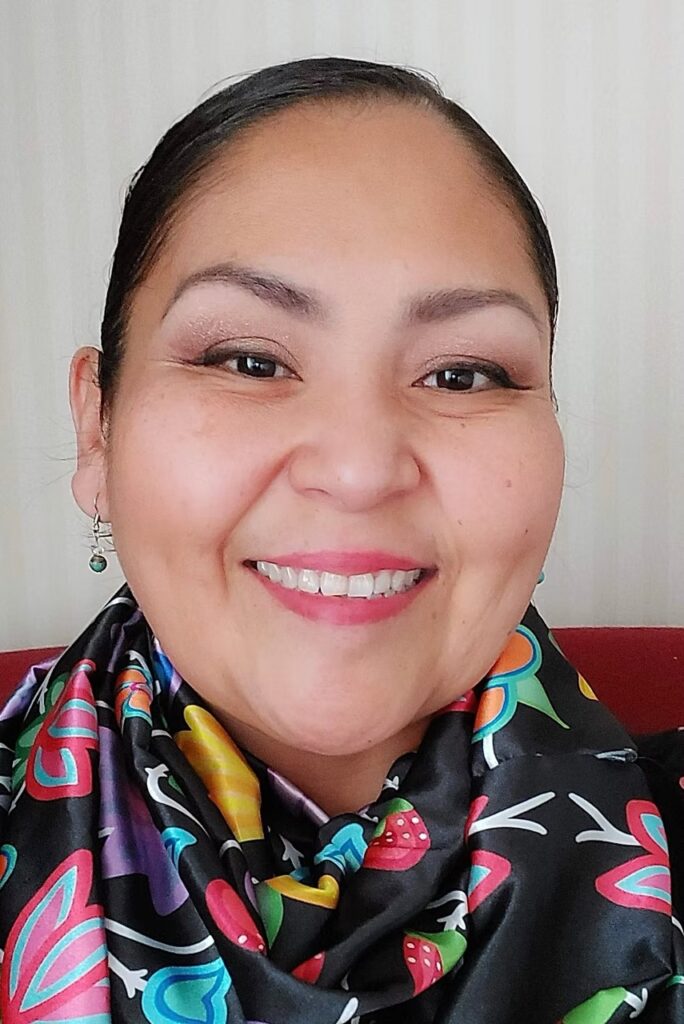
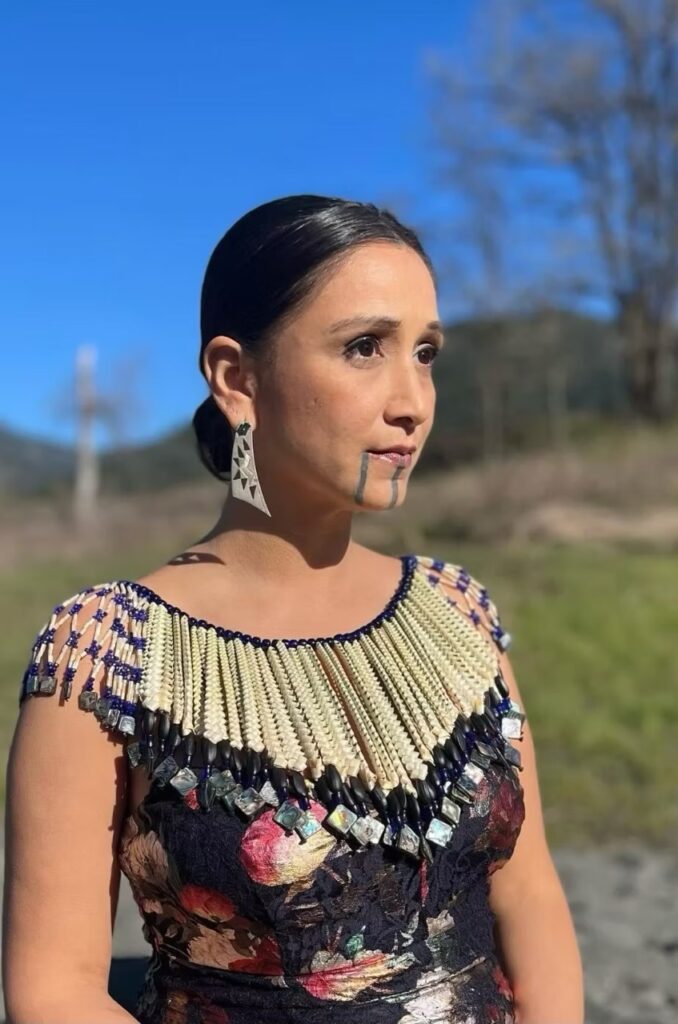
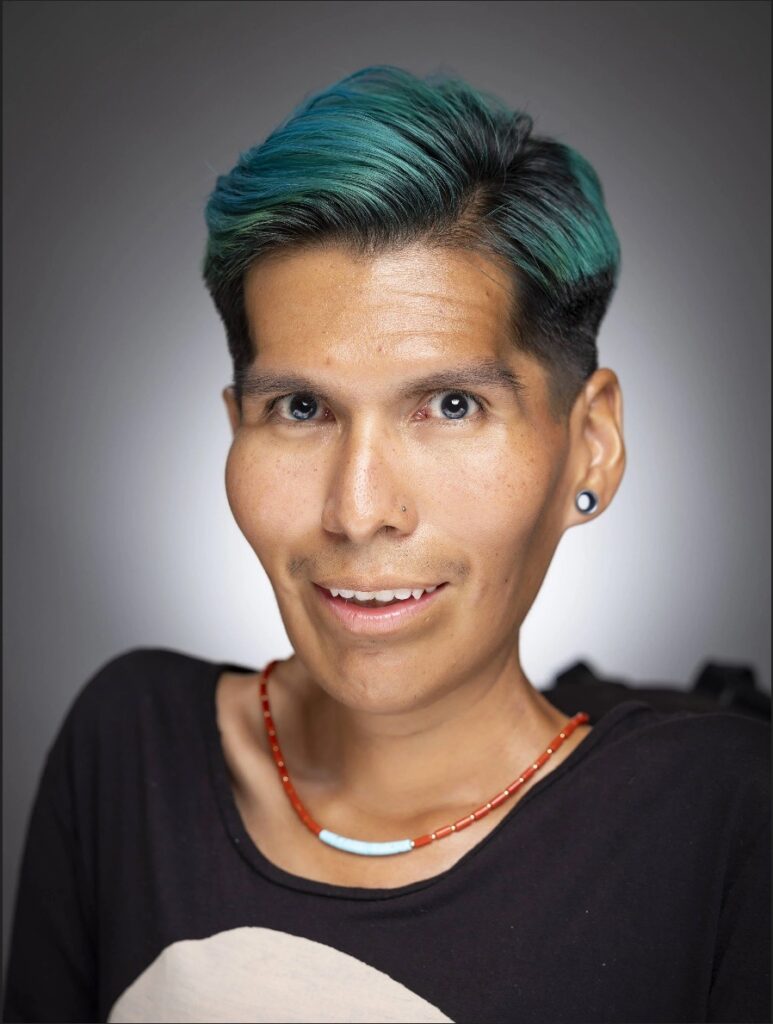
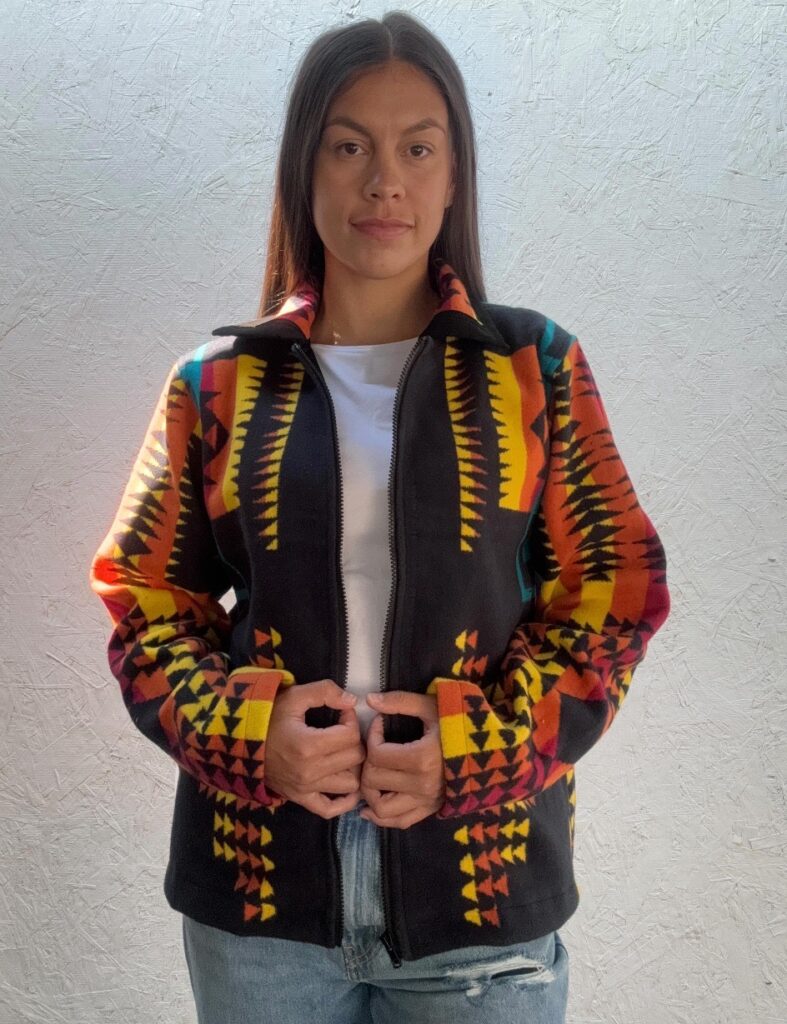
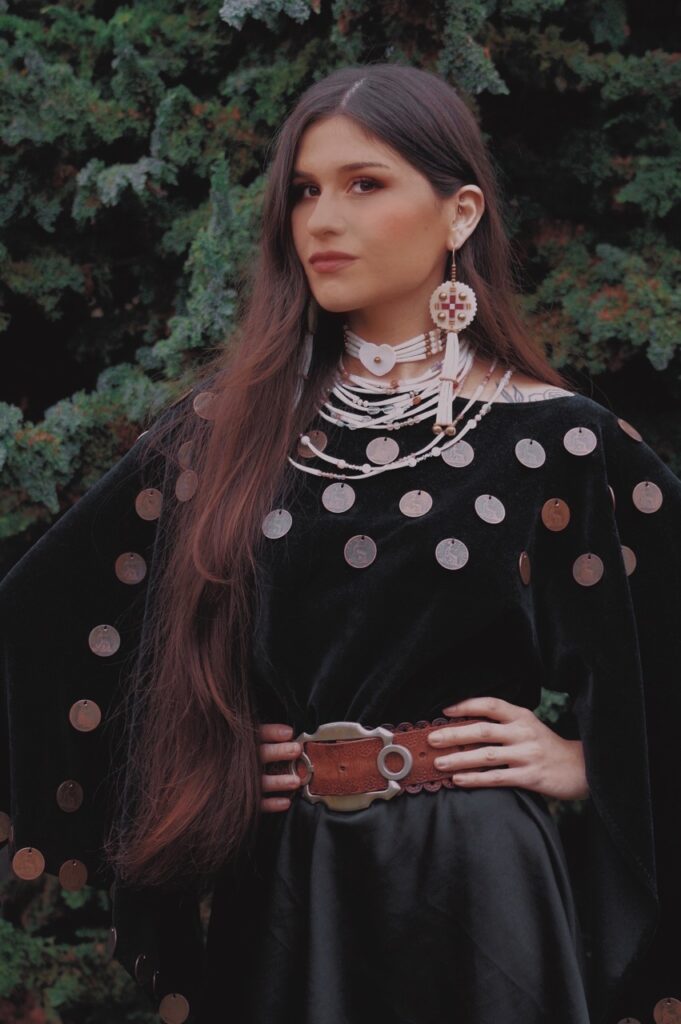
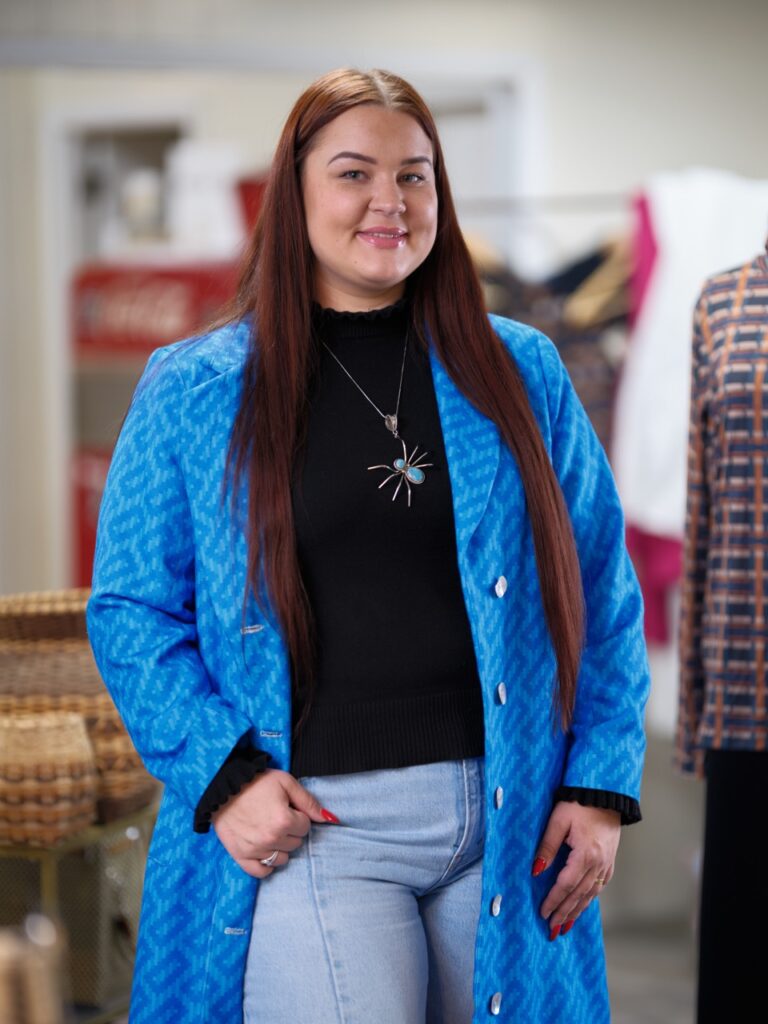
SWAIA’s Native Fashion Week is on its way with runways from May 9 to May 11, 2025. We’re getting into the details of this weekend fashion show schedule which celebrates the creativity as well as the expression of native fashion around North America. Take a look below to plan out how you’ll be spending your time at Native Fashion Week.
Livia Manywounds (Blackfoot Woman), a Tsuut’ina (Dene) and Siksika (Blackfoot) designer, is the founder of Dancing Storm Designs. She specializes in unique, custom formal wear that blends Indigenous traditions with contemporary fashion. Her designs incorporate Tsuu T’ina geometric and floral motifs, reflecting stories of strength, adaptation, and also cultural identity. With a deep respect for traditional artistry, Manywounds creates pieces that celebrate Indigenous heritage while pushing the boundaries of modern design.
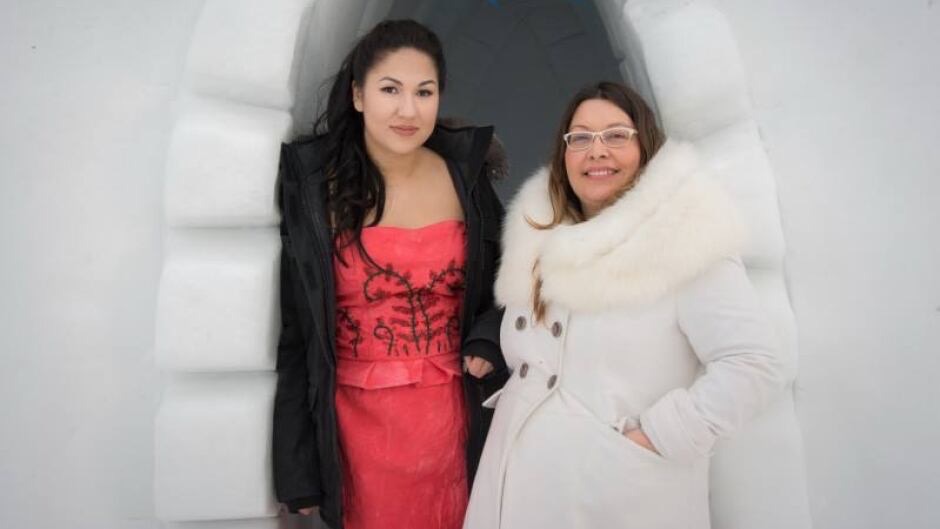
April Allen, an Inuk fashion designer from Rigolet, Nunatsiavut, merges cultural heritage with high-end style. Through her brand, Stitched by April, she incorporates natural elements into her work, using fashion to spark conversations about clean water access in Indigenous communities. Her designs, featured on major runways in New York, Milan, and Paris, showcase a refined balance between ancestral craftsmanship and modern aesthetics. Her latest collection, Arctic Elegance, reimagines the elements—air, water, fire, and earth—through innovative materials and techniques passed down through generations. Dedicated to both artistry and activism, April uses her platform to highlight environmental and cultural narratives while supporting Northern communities.
Tishna Marlowe’s brand, Dene Couture, fuses traditional Dene craftsmanship with upcycled textiles to create fashion that’s both modern and deeply rooted in heritage. With intricate embroidery and beadwork, every piece embodies elegance and cultural pride. Her designs celebrate exclusivity while honoring generations of artistry. Through Dene Couture, Tishna redefines tradition with a contemporary edge, proving that heritage and high fashion go hand in hand.
Sage Mountainflower, an Indigenous fashion designer and beadwork artist from Ohkay Owingeh, Taos Pueblo, and the Navajo Nation, brings a unique blend of cultural heritage and contemporary design to her creations. Her Taandi’ Collection captures the essence of spring’s gentle awakening, inspired by the natural beauty of mountain meadows and the soft transition from winter to vibrant life. Drawing from her Tewa heritage, the collection showcases delicate colors, natural textures, and the freedom of the landscape, embodying the spirit of Sage Mountainflower herself. Each design reflects a harmonious blend of traditional beadwork and contemporary fashion, celebrating the beauty of nature and also the artist’s cultural roots. From her early beginnings in creating attire for her children to her rise in Native fashion, Sage Mountain Flowers work is a testament to her passion for artistry and cultural expression.
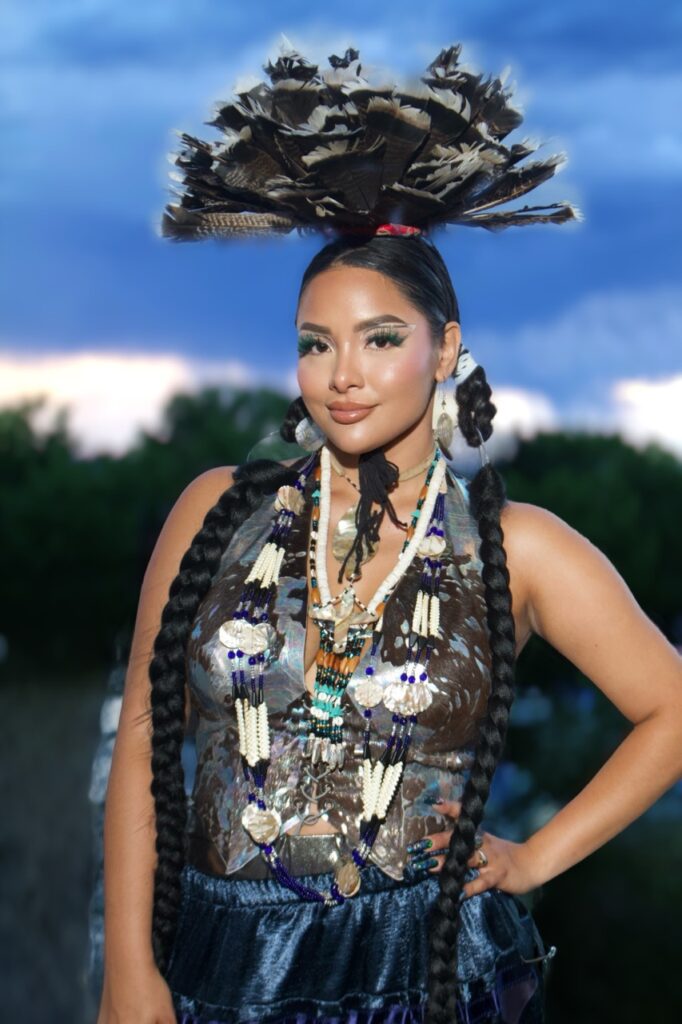
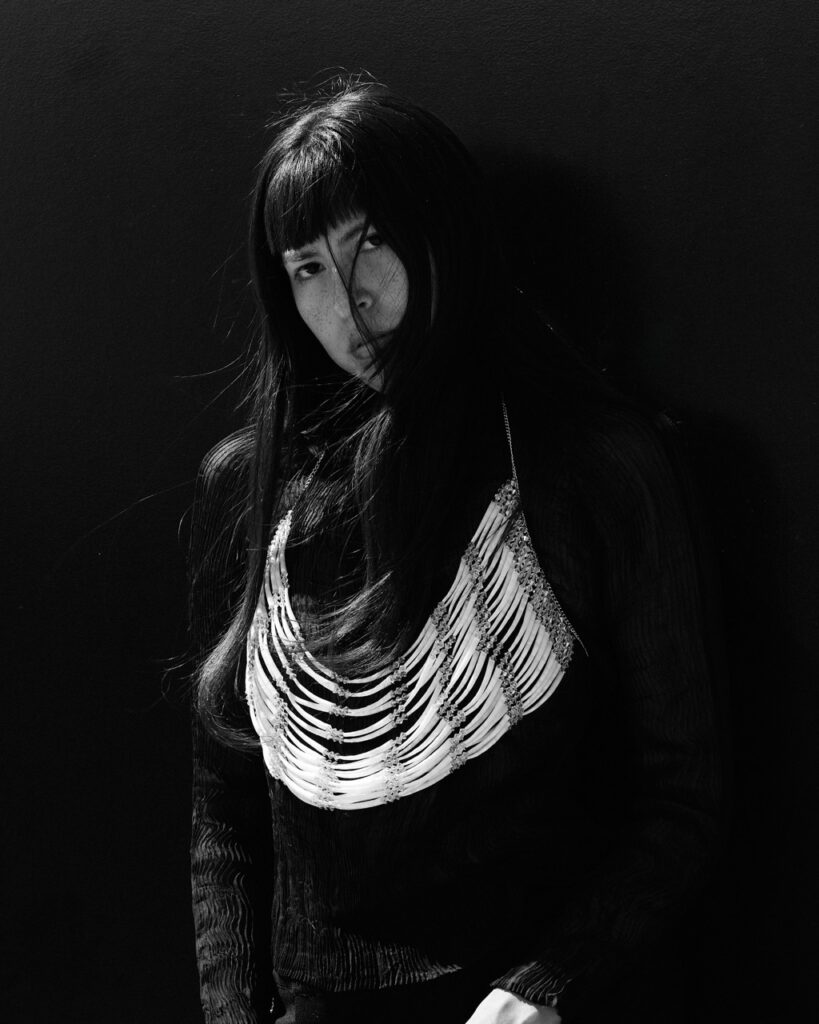
Randi Nelson, a Secwépemc artist and fashion designer from St’uxwtéws First Nation, creates designs that honor Indigenous materials associated with wealth and resilience. Her Scwet̓mín̓ (Hide) Couture Collection 2025 celebrates the cultural significance of smoke-tanned hide, a material deeply connected to the land and passed down through generations of tradition. By blending traditional resources like smoked hides, quills, shells, and caribou hair with contemporary fashion, Randi transforms these materials into powerful symbols of Indigenous beauty. Her work, showcased at prestigious events such as the Oscars and Cannes Film Festival, highlights the skill of Indigenous tanners and knowledge holders, bringing sustainable, culturally rich fashion into the spotlight.
Lauren Good Day is redefining Indigenous fashion with bold, trendsetting designs that honor her Arikara, Hidatsa, Blackfeet, and Plains Cree roots. From intricate quillwork to stunning ledger art, her work blends tradition with high fashion, making every piece a cultural statement. She’s been creating since she was six, and today, her award-winning designs light up runways and art shows across the country. Deeply connected to her heritage, she’s not just making fashion—she’s preserving history. Her latest collection is a vibrant celebration of culture, creativity, and unstoppable innovation.
Saturday 2 p.m.
Alex Manitopyes (Sacrd Thndr)
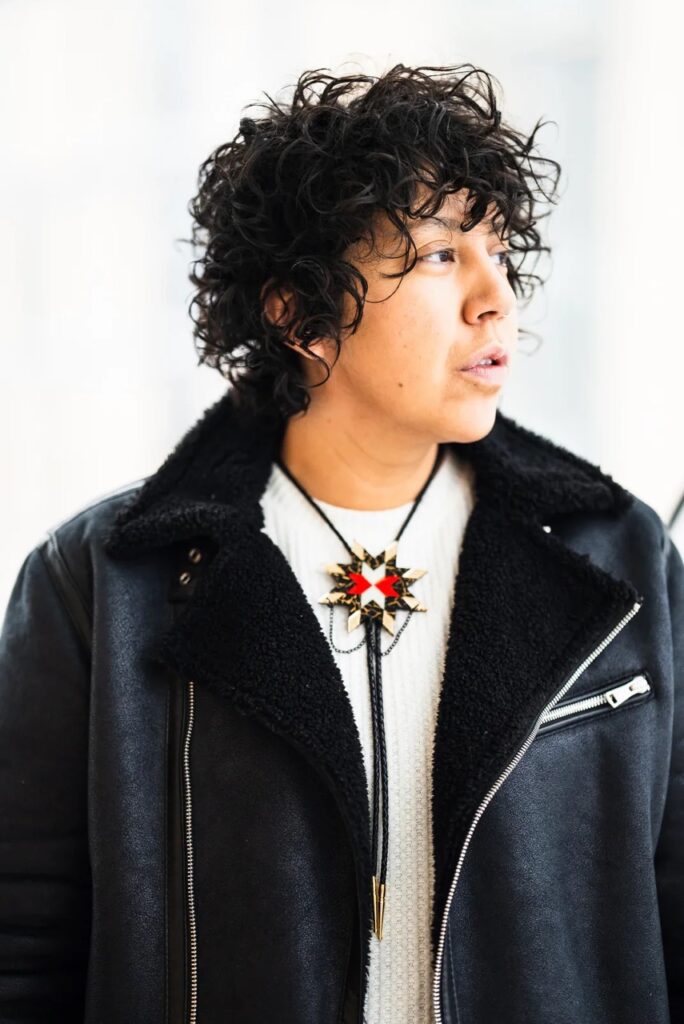
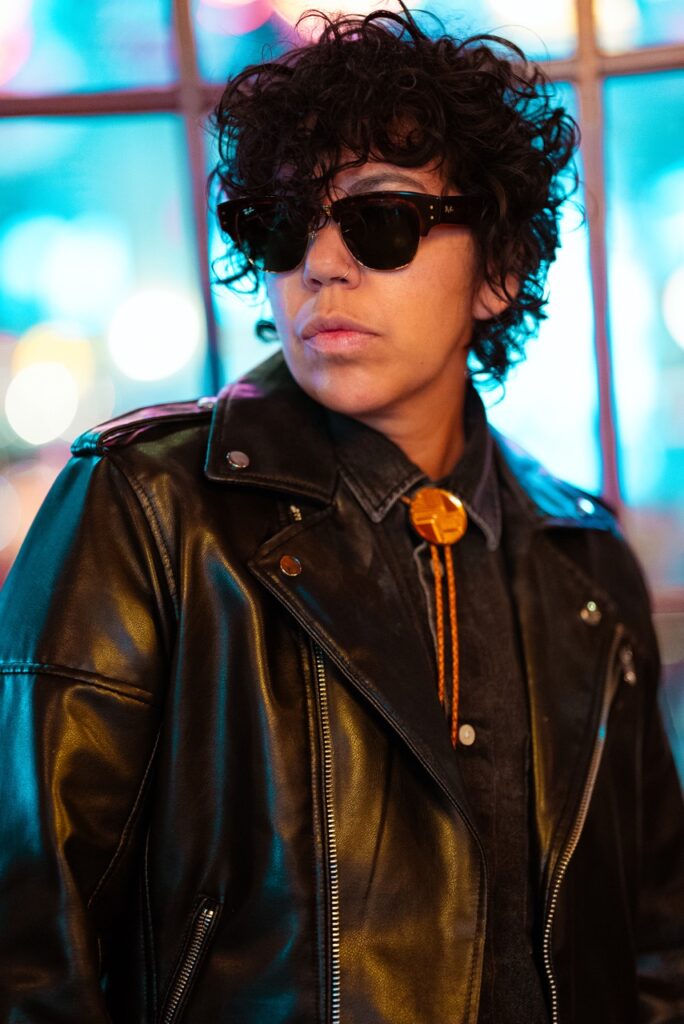
SACRD THNDR, founded in 2023 by Alex Manitopyes, is a visionary fashion brand that fuses Indigenous heritage with contemporary edge. Drawing from their Muskowekwan and Peepeekisis First Nation roots, Alex creates designs that challenge norms and still celebrate identity. Their latest collection, ELECTRIC WARPAINT, is a fearless expression of strength, featuring statement accessories like illuminated leather bags, oversized earrings, and bold bolo ties. The clothing blends structured silhouettes with striking color contrasts, incorporating upcycled leather and custom prints. More than fashion, SACRD THNDR is a movement—empowering wearers to embody confidence, culture, and rebellion.
Tierra Alysia Tapuro, the creative force behind VIVIDUS, brings bold energy and cultural pride to luxury sports apparel. Rooted in Kashia Pomo and Filipino heritage, her latest collection, MAKALACHALUW (THUNDER ARRIVES), merges traditional influences with modern silhouettes, creating pieces that command attention. VIVIDUS isn’t just about fashion—it’s a lifestyle for those who thrive under pressure, embrace individuality, and refuse to blend in. Built on the philosophy that looking good fuels confidence and then success, the brand champions inclusivity, ensuring everyone feels empowered in their skin. More than apparel, VIVIDUS is a movement dedicated to living boldly and unapologetically.
Wabanoonkwe isn’t just making fashion—she’s making history. At just 17, she launched Dinawo, a bold brand that’s all about amplifying Indigenous artistry and turning tradition into high-impact style. Her latest collection, WATER STORIES, is a fierce and fearless statement on the illegal mercury contamination affecting First Nations communities. Each piece is more than just fashion—it’s a call to action, a conversation starter, and a symbol of resilience. Get ready for a collection that’s as powerful as it is unforgettable!
Fennell, a Yellowknife Métis designer, blends her love for traditional style with innovative designs using sealskin—a material that connects her to her roots. After returning to the Arctic and learning from Inuit friends, she discovered the magic of creating designs from within, not just following trends. Her collection is all about vibrancy, storytelling, and cultural rediscovery. Fennell’s work brings together past and present, offering a fresh take on tradition through her unique creations.
House of Sutai is making waves by blending Indigenous heritage with bold queer expression. Founded by Peshawn Bread, a nonbinary Comanche/Kiowa/Cherokee designer, this luxury brand debuted in 2023 with a stunning range of jewelry and accessories, quickly expanding into fashion. House of Sutai also shines a spotlight on Indigenous and LGBTQ2S+ voices, creating a space for queer Native peoples in high fashion. The Sutai Classics collection is a vibrant tribute to queer Indigenous storytelling, with designs that celebrate both Afro-Indigenous and Native cultures, all while honoring the rich history of the community with a modern twist.
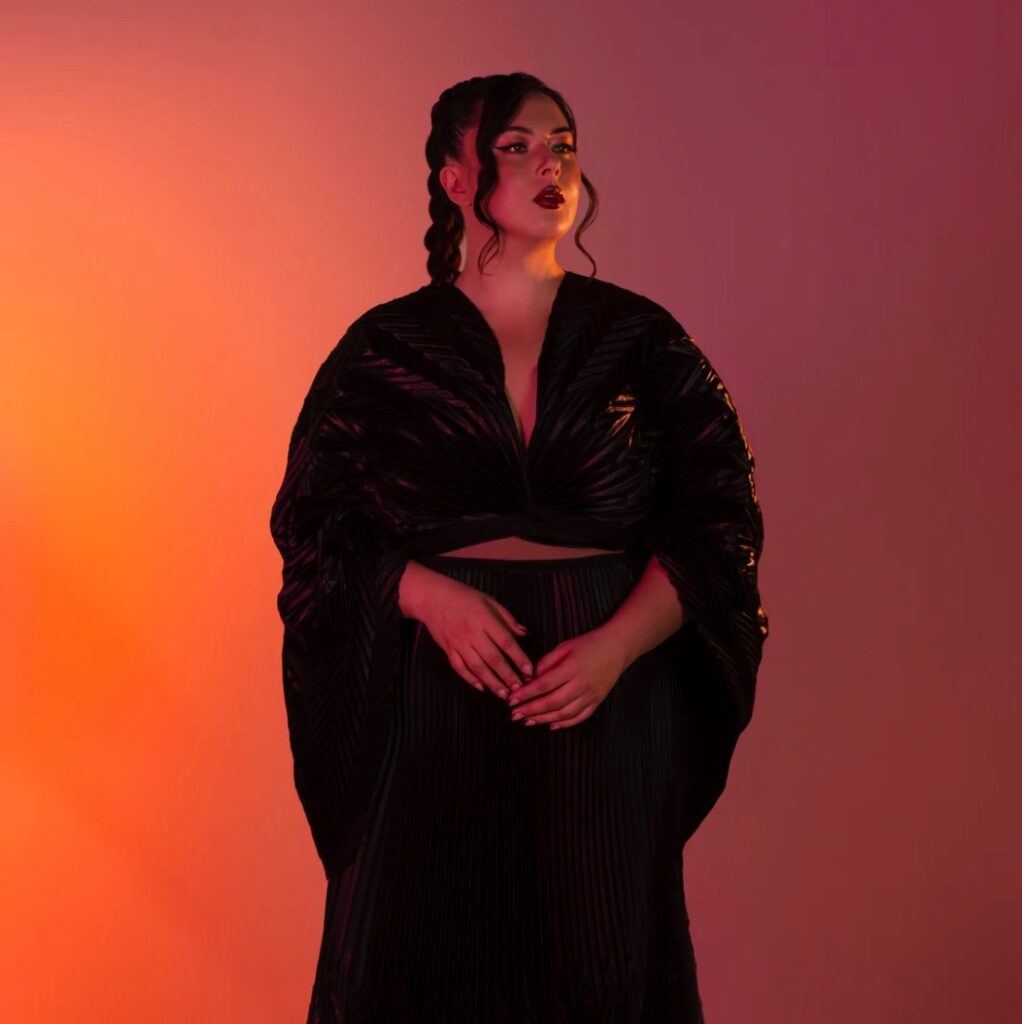
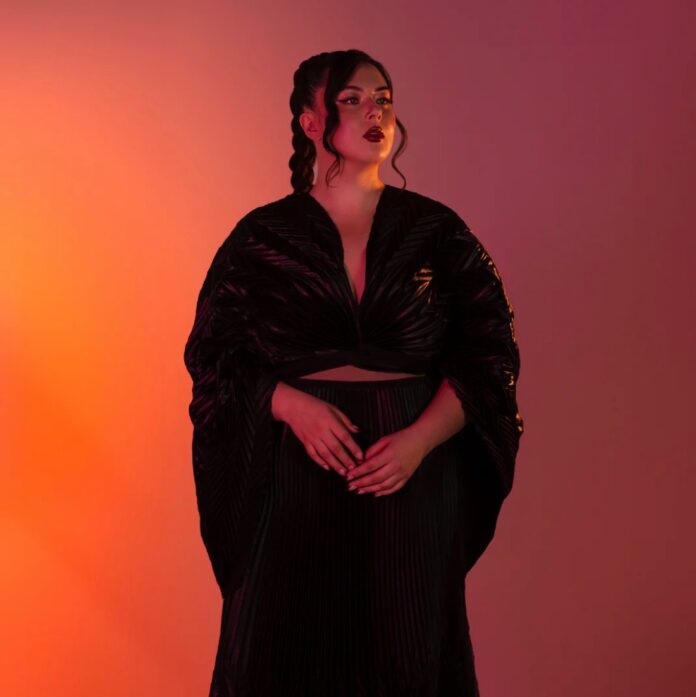
Lesley Hampton is an Anishinaabe artist and fashion designer who integrates contemporary fashion with an Indigenous perspective, emphasizing mental wellness and body neutrality. As a member of Temagami First Nation and a self-described “Third Culture Kid”, her diverse upbringing shapes her designs, using fashion as a medium for dialogue, exploration, and community engagement. Lesley’s collections feature striking silhouettes, bold patterns, and rich colors, often incorporating feathers and then pleats to create garments that exude luxury from head to toe. Through her work, she redefines Indigenous representation in fashion while championing inclusivity and empowerment.
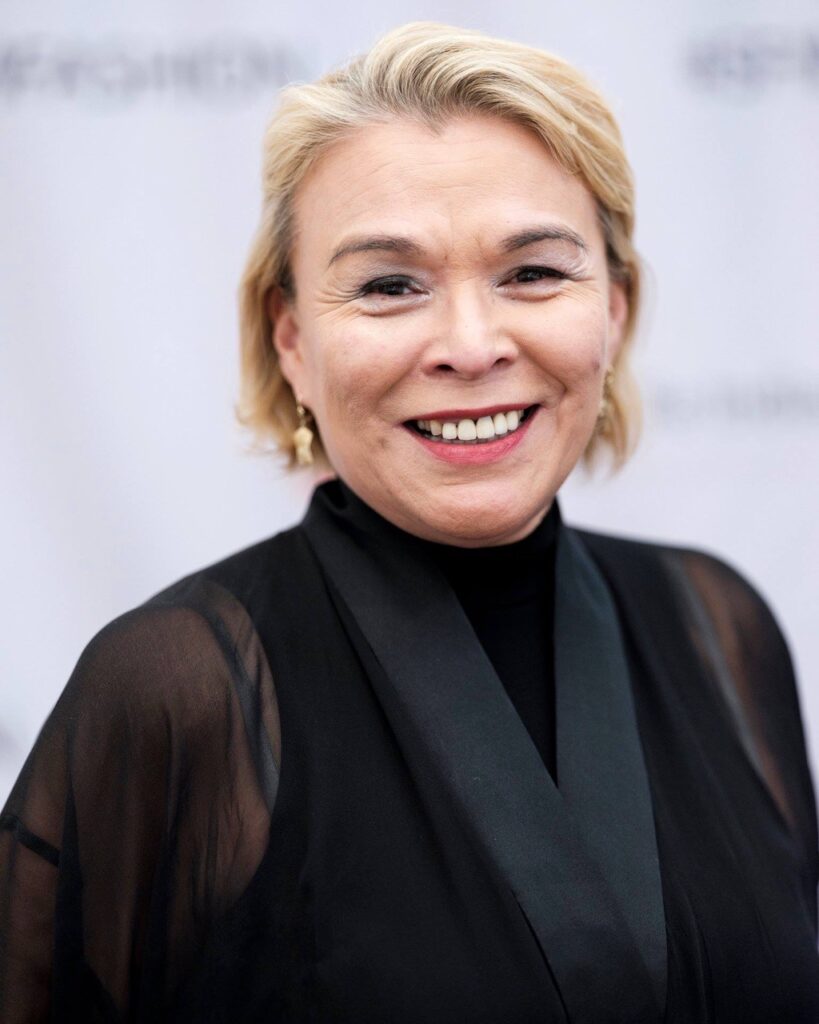
T.O.C. Legends House of Design, founded in 1988 by Himikalas Pam Baker, is a leading force in Indigenous fashion. With Squamish, Musgamakw Dzawada’enuxw, Tlingit, and Haida heritage, Himikalas blends intricate First Nations designs with modern, sculptural elements, sleek silhouettes, and minimalist colors to create luxury, high-end fashion. Her work brings traditional patterns to life through a contemporary lens, offering a sophisticated and powerful visual aesthetic. Beyond her design prowess, Himikalas has built a brand that empowers First Nations people by prioritizing employment while uplifting Indigenous communities. T.O.C. Legends continues to set trends in the fashion world while staying deeply connected to cultural roots and values.
Ojibwe designer Alyssia Sutherland is redefining the ribbon skirt with a high-fashion twist. Starting at just 14, she transformed this traditional garment into an everyday statement piece. Ribbon skirts have long been symbols of power and tradition, but Alyssia’s designs bring them to the streets with bold, modern flair. Through Ally’s Ribbons, she blends heritage with couture, proving that tradition and trendsetting can go hand in hand. Her creations aren’t just skirts—they’re a celebration of culture, confidence, and also style.
Loren Aragon draws inspiration from his family’s pottery, jewelry, and textiles, infusing these traditions into his luxury menswear brand, Towering Stone. Founded in 2023, the brand blends Acoma Pueblo artistry with modern techniques, creating wearable pieces that embody strength and resilience. Before launching Towering Stone, Aragon co-founded ACONAV in Phoenix, where his designs earned him the title of 2018 Phoenix Fashion Week Couture Designer of the Year. His work honors Indigenous craftsmanship while redefining contemporary fashion with cultural storytelling at its core.
K. LOOKINGHORSE, the Indigenous fashion label founded by Kayla Lookinghorse, blends bold contemporary design with the rich heritage of the Lakota and Dakota peoples. Her latest collection, Painted Skies, continues the narrative of her previous work, Written in the Stars, by expanding into Ready-to-Wear and then Streetwear. Crafted from ethically sourced materials, each piece in Painted Skies features intricate embroidery that reflects the beauty as well as stories of Lakota culture. The collection embodies the philosophy that the earth and stars are intertwined, bringing ancient wisdom into modern fashion while celebrating identity and sustainability.
Yolonda Skelton is a fashion and costume designer from the Gitxsan First Nations, renowned for blending her cultural heritage with modern fashion. Her latest collection, “The Ties That Bind”, features unisex neckties and other pieces that serve as symbols of environmental stewardship, with intricate designs inspired by North Coast culture. Each piece tells a story of interconnectedness with the Earth, using crests and also patterns to honor the land, water, and wildlife. Through her work, Yolonda continues to champion sustainability while celebrating the richness of her Gitxsan heritage.
Designer Vina Brown of Nuučaan̓uɫ and HaíłzaqvI heritage, creates modern Indigenous jewelry that blends coastal culture with contemporary style. Her brand, Copper Canoe Woman, draws inspiration from the natural world, with designs that reflect a deep connection to ancestral strength, elegance, and the beauty of her family’s traditions of weaving and beading. Vina’s pieces are bold and statement-making, designed to honor the Earth and celebrate her cultural identity. Each creation is a wearable tribute to her heritage, weaving timeless Indigenous stories in every piece.
Northern Tuchone and Tlingit designer Kaylyn Baker uses vibrant colors to breathe new life into her jewelry and accessories. Through her line, Kaylyn Baker Designs, she draws on the principles of visual art, using an array of materials and textiles to create unique designs. Baker weaves traditional beadwork featured on garments such as mukluks, moccasins, and purses, with bold colors, gems, quillwork, and tufting. Beading allows her to connect with her ancestors as well as with her peers and children. Kaylyn Baker Designs celebrates cultural craftsmanship while integrating contemporary elements.
RVSO78 is a creative lifestyle brand that blends culture and innovation through artisanal jewelry and streetwear. Founded by Jeremy Donavan Arviso (Diné, Hopi, Akimel O’odham, Tohono O’odham), the brand reinterprets Indigenous heritage with contemporary fashion, featuring vibrant colors, bold graphics, and innovative patterns infused with traditional Native symbolism. Committed to sustainability and intentional design, RVSO78 celebrates individuality while fostering community connections. Based in Phoenix, Arizona, this Indigenous-owned brand embodies a balance of heritage as well as modern expression, pushing the boundaries of technical fashion.
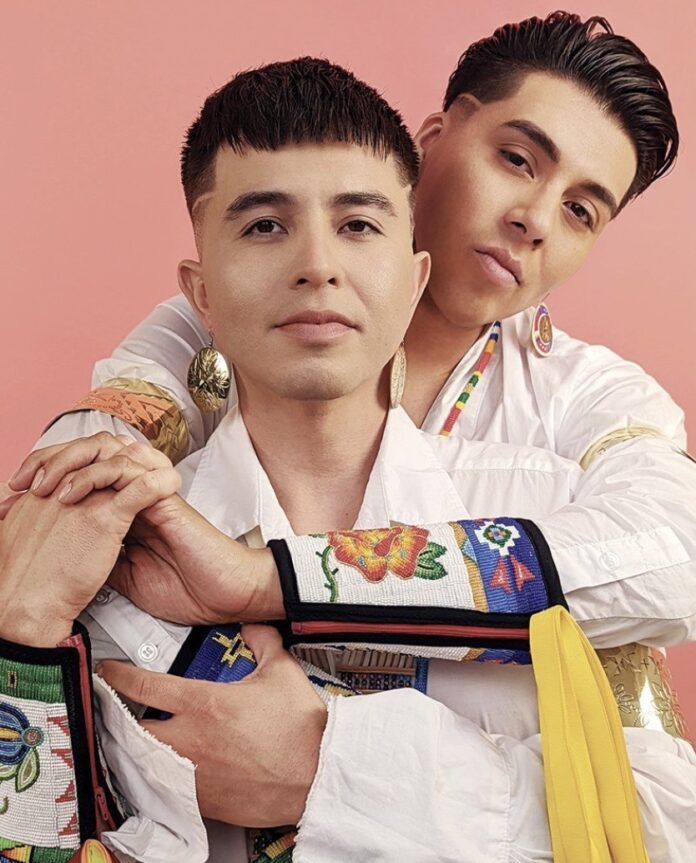
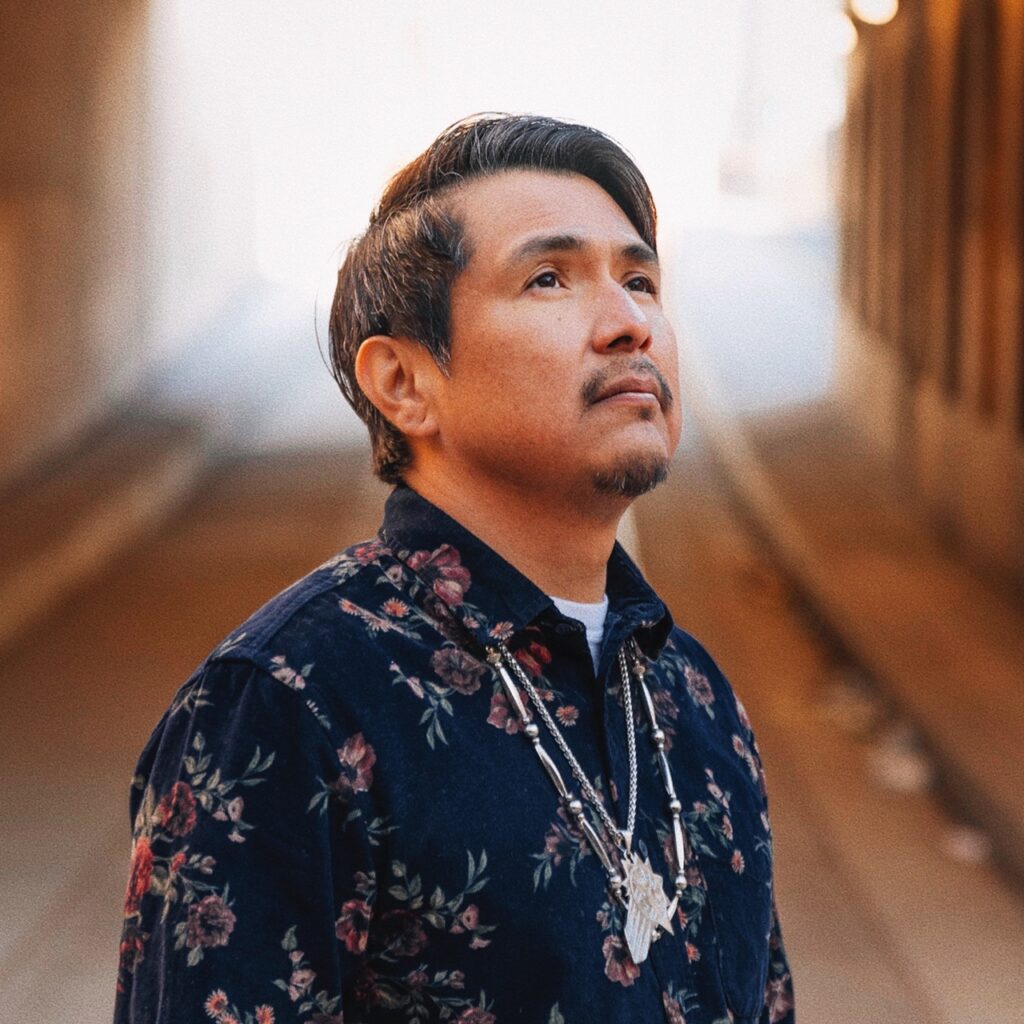
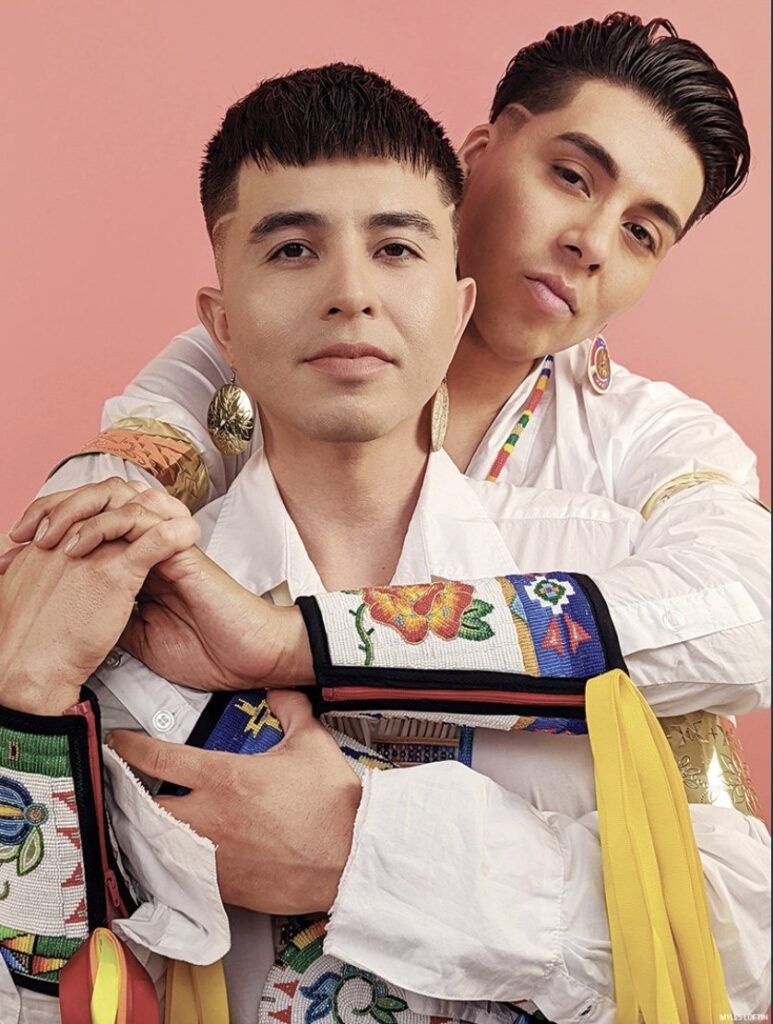
Adrian Matthias Stevens (Ute-Shoshone Bannock-San Carlos Apache) and Sean Querino Snyder (Navajo-Ute) are redefining menswear with their debut collection at Santa Fe Fashion Week, bringing bold cultural expression to the forefront of high fashion. Known for their intricate beadwork and dedication to advocacy, the duo seamlessly blends tradition with contemporary style. This collection features impeccably tailored pieces then accented with embroidered details, exuding sophistication and craftsmanship. Paired with their signature jewelry, each look is sleek, refined, and undeniably powerful. With every stitch and embellishment, Stevens and Snyder continue to celebrate Indigenous artistry while pushing the boundaries of modern fashion.
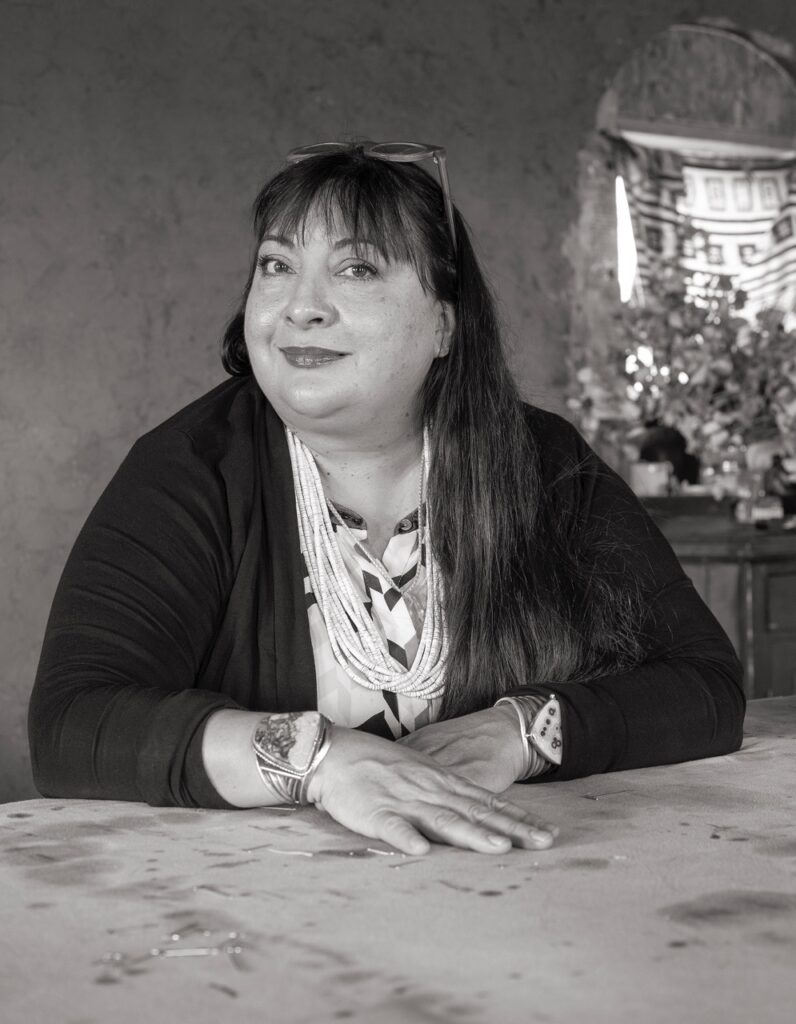
Patricia Michaels has spent over 20 years creating haute couture that merges tradition with modern design. Growing up in Santa Fe and deeply connected to Taos Pueblo, she learned from both nature and her elders, shaping her artistic vision. Her work reflects a global perspective, blending hand-painted fabrics, woven textures, and fluid silhouettes. With Weaving Through Time, she brings a unique expression of Native resilience, drawing inspiration from both current and past events through abstract draping and painted textiles. Always evolving, Patricia’s designs embody a commitment to pushing Native fashion forward while honoring her heritage.
Robyn McLeod
Robyn’s Dene Futurism collection reimagines traditional clothing with a modern twist, blending ancestral knowledge with contemporary style. Each piece reflects the strength and resilience of the Dene people, while envisioning a future where culture continues to thrive. Through her designs, Robyn also honors her heritage and creates a space for Indigenous expression in fashion. Dene Futurism is about imagining a future where the past and present unite to tell a story of self-determination and resistance.
Story by Natassja Santistevan Photos courtesy of the artists
Fashion comes to the Santa Fe Railyard Arts District May 8-11 with the inaugural Native Fashion Week Santa Fe 2025. The multi-day event is the brainchild of Indigenous Fashion Curator Amber-Dawn Bear Robe. Here’s who you’ll see!
A Look at the Designers of Native Fashion Week Santa Fe 2025
Ayimach Horizons is dedicated to sustainability and contemporary design, emphasizing the use of eco-friendly materials and ethical production processes. This designer combines forward-thinking designs with timeless aesthetics. The end product pieces are both versatile and chic. They also appeal to people who wish to make a positive impact through their clothing choices.
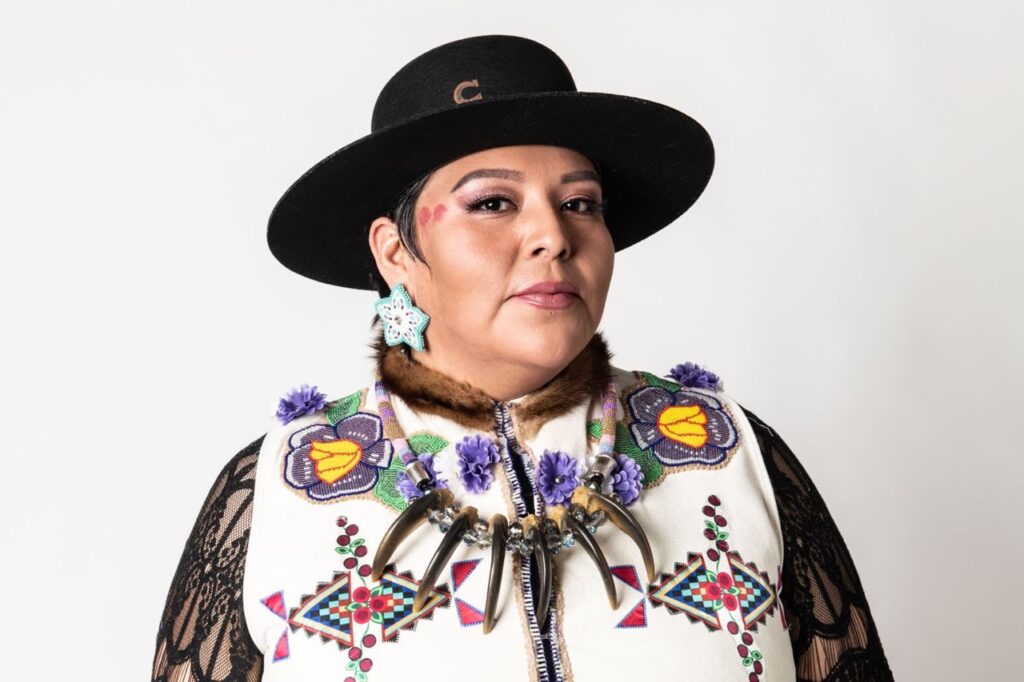
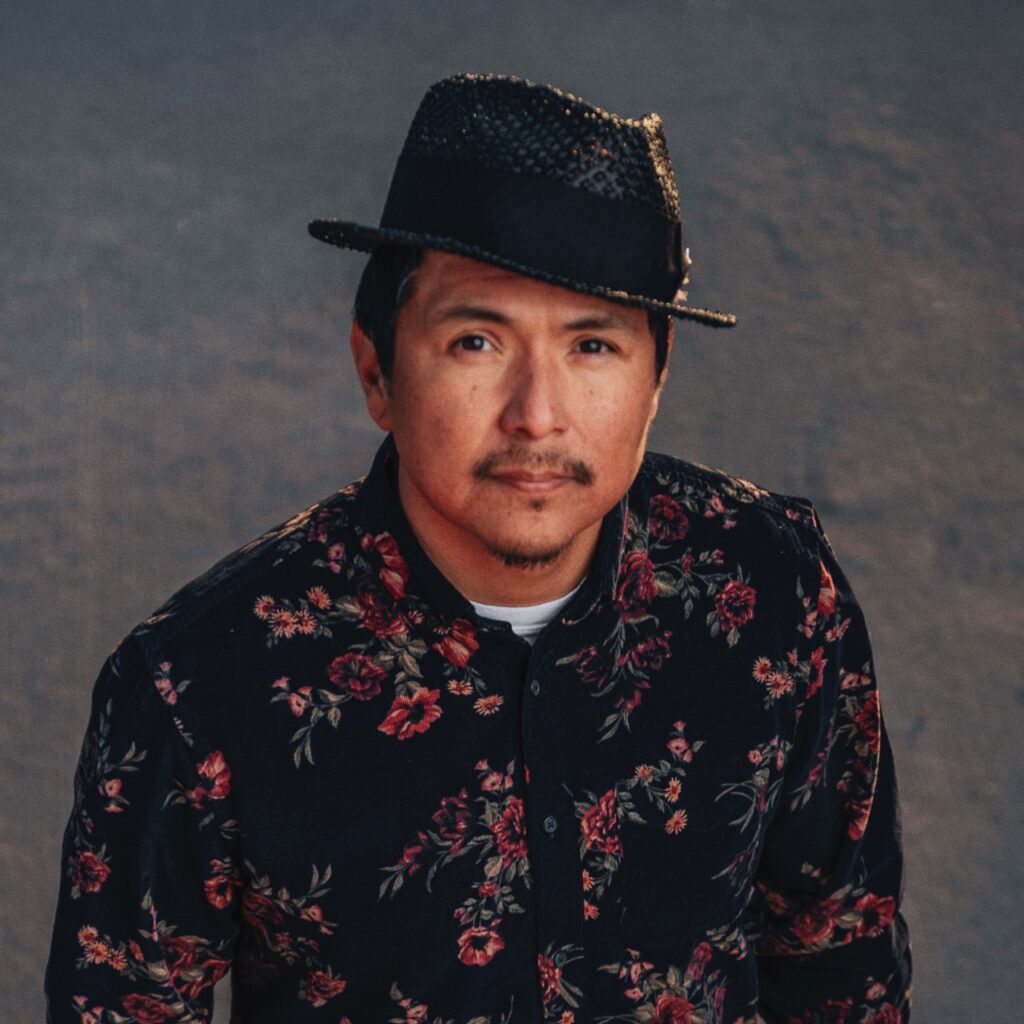
Sheila Tucker is Anishinaate Ojibwe from Treaty 4 Territory (Yellow Quill & Fishing Lake First Nation), Saskatchewan, Canada. Known for creating timeless couture pieces, often accented with her trademark beaded fedora hats. Sheila is committed to contributing in the effort to revolutionize the fashion industry. She produces clothing that respects both people and the Earth.
Nar Rew Ekar is deeply anchored in the profound reverence and celebration of Indigenous culture through the medium of groundbreaking fashion. Designer Shoshoni Hostler is committed to infusing traditional elements with innovative design. This is to not only preserve but also revitalize the rich tapestry of Indigenous heritage. Each creation serves as a vibrant homage, weaving together threads of tradition, history, and contemporary expression.
Adrian Standing-Elk Pinnecoose is a Navajo/Southern Ute designer who graduated from the University of New Mexico’s School of Architecture and Planning. His jewelry, such as his Triforium series, combines traditional design with innovative digital fabrication. The precise geometric patterns look to traditional Navajo textile designs, creating a harmonious balance and symmetry throughout his work.
Jennifer is Métis from Abbotsford, British Columbia with ancestral connection to the Red River Settlement in Canada. She has been designing clothing for over twenty years through various ventures. She recently finished her master’s at Emily Carr University in wearable technology for neurodivergent children. Jennifer will soon be pursuing her teacher’s candidacy at The University of British Columbia this September.
Thea, a Haudenosaunee Kanien’kehá:ka designer from Kahnawake Mohawk Territory, shapes her practice with a foundation of craftsmanship. Based out of Treaty 7 Territory since 2018, she explores traditional Haudenosaunee craft. It’s a way to stay connected to her culture and community, blending traditional and non-traditional methods of creating to visually reflect the intersections of Indigenous culture within our current world.
Stacey Mitchell grew up in the Mohawk Territory of Akwesasne located in New York State. She has been sewing, beading, and crafting since she was a child. She developed a passion for sewing after high school, creating traditional regalia and quilts for her customers. Stacey creates pieces that are a blend of traditional and contemporary garments. This showcase her dedication to contemporary garment creation and her pride in indigenous culture.
AVA stands for passion and continuity, attainable through sustainability and inspiration. They believe that energy put out, is energy back. Therefore, they strive to be a beacon for the future with every piece they produce.
Rooted in the rich cultural heritage of the Navajo Nation Western Agency, specifically Navajo Mountain, Utah, Dawoozhii Designs draws inspiration from the vibrant traditions of the American Southwest. Their clothing and accessories blend modern style with timeless tribal influences. It all reflects their commitment to earthy, lifestyle-driven fashion that proudly embodies the spirit of their Navajo heritage.
Native Nation Designs, is a bold and innovative brand that is Indigenous-designed and sewn. Their designs feature a mix of lightweight satin textiles and bold luxurious colors. Each carries an emphasis on unique silhouettes and Indigenous couture techniques. Native Nation focuses on “slow fashion.” This means they create one-of-a-kind, gender fluid, pieces that commit to preserving Indigenous culture and traditions while incorporating modern elements.
Darcy Big Horse is enrolled in the Cheyenne and Arapaho Nation and has used beadwork and fashion as a medium of artistic expression for years. She grew up in England and utilized beadwork and fashion to stay connected to her culture. Her work deeply connects to her heritage as Heévâhetané’e, while also weaving in a whimsical tone inspired by her early years in the English countryside.
Nonamey (he/him) is a trans, Indigenous artist (Ojibwe – Bad River ᒪᔥᑭ ᓯᐱ and Lac du Flambeau ᐙᔕᐗᑲᓂᓐ Tribes) based in Portland, Oregon. His multidisciplinary practice—spanning sculpture, fashion, video, and installation—explores transformation, memory, and storytelling. Working primarily with recycled and found materials such as cardboard, acrylic, and paper, he reimagines discarded objects, breathing new life into what others leave behind.
Original Landlords is a garment and fashion accessory brand specializing in themes related to or derived from the Native American or American Indian. The brand’s mission is to challenge the status quo of dominant culture with thought provoking graphics and messages.
Dorothy Grant was born into the Raven Clan in 1955 in Hydaburg Alaska, a settlement in the state’s southeastern panhandle formed from three ancient Haida villages consolidated in 1911.
Grant is a fashion designer and traditional Haida artist. Her garments, ceremonial button blankets and spruce-root hats are treasured by Haida people as expressions of living culture.
Lauren Good Day is an award winning Arikara, Hidatsa, Blackfeet and Plains Cree artist and sought after fashion designer. She is an enrolled member of the Three Affiliated Tribes (Mandan, Hidatsa, Arikara Nation) of the Ft. Berthold Reservation in North Dakota, USA. Lauren is also a registered Treaty Indian with the Sweet Grass Cree First Nation in Saskatchewan, Canada. She has exhibited her artwork at prestigious Native American juried art shows and has been part of numerous solo and group exhibitions at galleries and museums across the country.
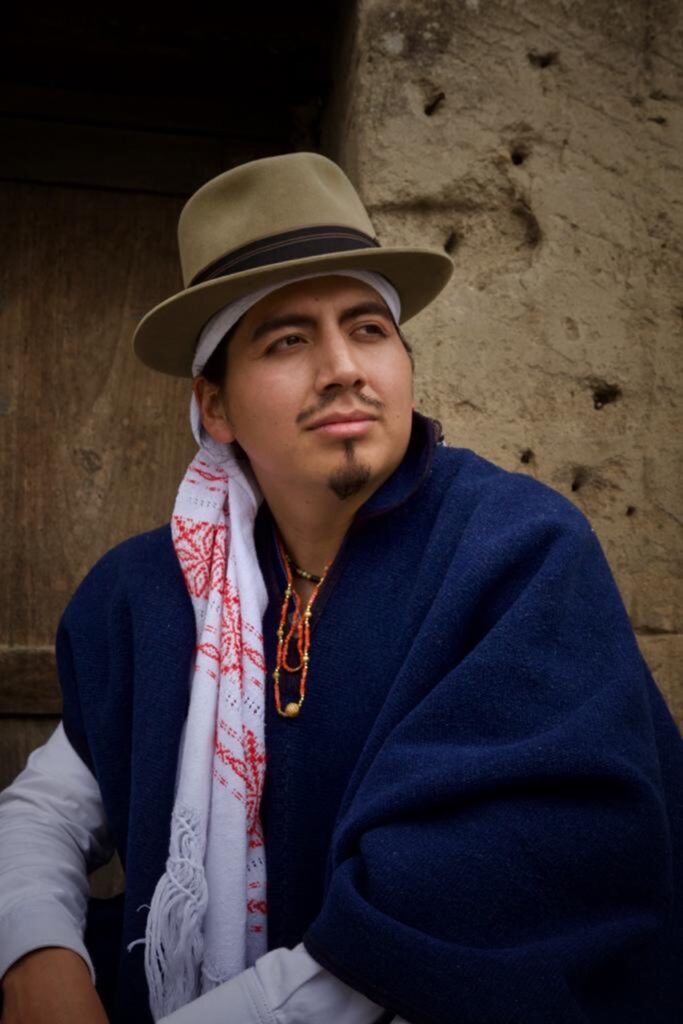
PACHA Indigenous Art Collection is a Kichwa family business based in Toronto. Their practices are rooted in the Mindalae tradition—an ancestral practice of trade beyond their homeland. They dedicate their designs to showcasing textiles, clothing, and jewelry, created for everyone by Indigenous artists from across North and South America. Their mission is to honor traditions, strengthen cultural connections, and revive age-old trade relationships between our nations.
Melrene Saloy EagleSpeaker is the founder and creative force behind Native Diva Creations and Authentically Indigenous, two enterprises dedicated to celebrating and preserving Indigenous culture through art, fashion, and mentorship. As a skilled beadwork artist, Melrene’s work reflects the beauty and complexity of Indigenous craftsmanship. Each piece she creates tells a story, connecting the past with the present while showcasing her personal style and the diverse cultural practices of Indigenous peoples.
Lesley Hampton is a Toronto-based Anishinaabe artist and fashion designer focused on mental wellness and body neutrality in fashion through the lens of the Indigenous worldview. She is a member of Temagami First Nation, and she identifies as an adult ‘Third Culture Kid’ with her formative years spent in Canada’s Arctic and Atlantic, Australia, England, Indonesia, and New Caledonia.
Artist and designer Korina Emmerich founded the slow fashion brand EMME Studio in 2015. Her colorful work celebrates her paternal Indigenous heritage from The Puyallup tribe while aligning art and design with education. With a strong focus on social and climate justice, Emmerich’s artwork strives to expose and dismantle systems of oppression in the fashion industry and challenge colonial ways of thinking.
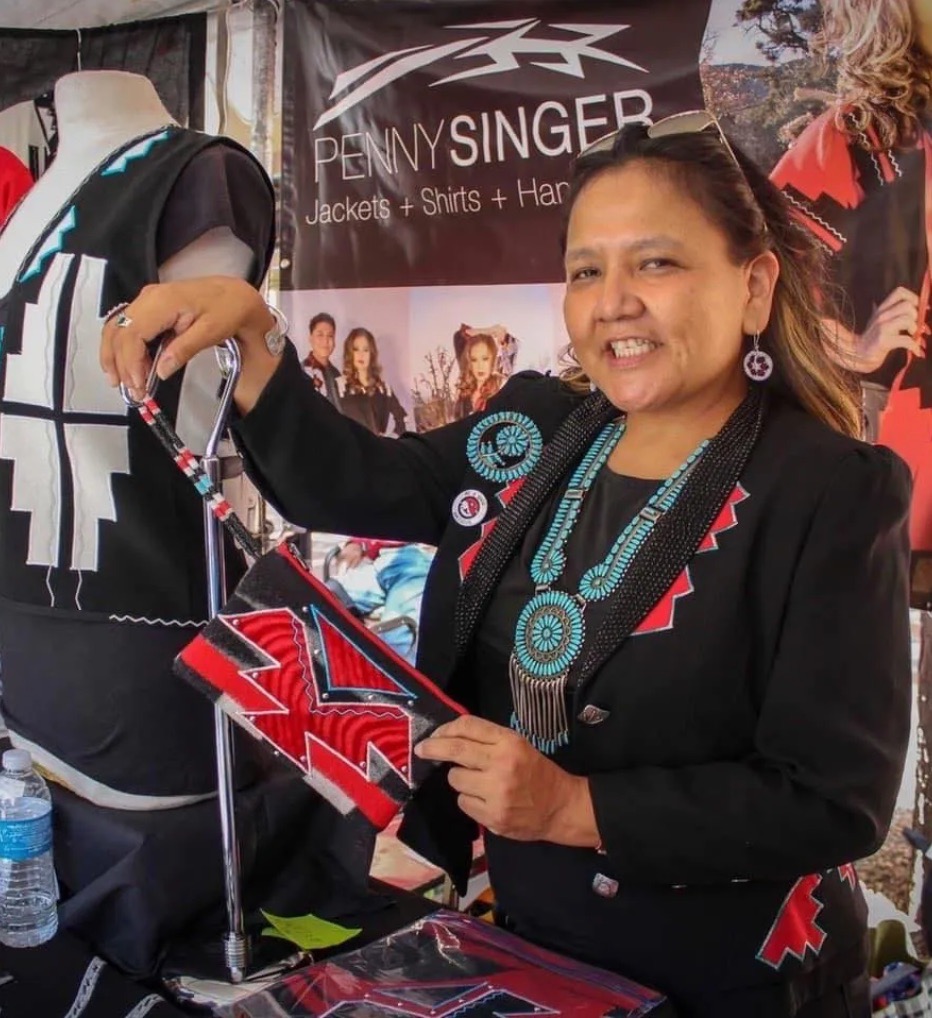
Penny Singer, from the Navajo Nation, gets inspiration from her mother’s teachings to master sewing. A graduate of the Institute of American Indian Arts, she incorporates photo transfers and Navajo geometric designs on fabric to create award-winning garments. Her “ready-to-wear” line redefines Indigenous fashion, aiming to fuse fashion with cultural reclamation.
Randi Nelson, a Secwépemc artist and fashion designer from St’uxwéws First Nation, dedicates her designs to preserving Indigenous materials of wealth through her designs. Blending traditional elements such as smoked hides, quills, shells, and caribou hair with contemporary fashion, she transforms these resources into powerful symbols of Indigenous beauty and resilience.
Rebecca is of Kwakiuł, Dzawada’enuwx, and Sḵwx̱wú7mesh ancestry. Her fashion arms at empowering Indigenous people, strengthening the art form, and providing appropriate Indigenous clothing for all. There is an intimate ancestral connection with the art that Rebecca creates, representing her lineage as an Indigenous woman.
Creators Kidz Clothing, is a bold expression of culture, identity, and artistry—where West Coast traditional Indigenous art collides with the energy of streetwear and the elegance of couture fashion. Every piece is a reflection of their culture, family, and community, woven together with respect for tradition and a passion for innovation. It’s storytelling through design, a celebration of resilience, and a statement of pride.
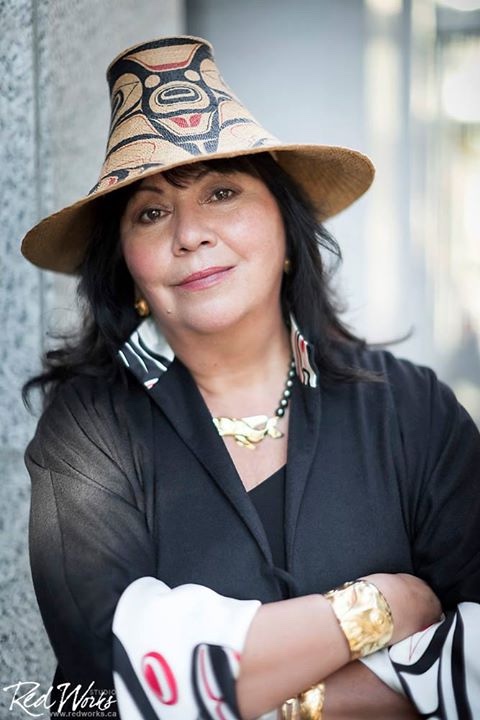
Himikalas Pam Baker is Squamish from her father’s side and Musgamakw Dzawada’enuxw, Tlingit and Haida from her mother’s lineage and the owner of Touch of Culture, TOC Legends House of Design. She is a highly successful Indigenous artist, designer, and entrepreneur. For the past 31 years, she has garnered extensive experience in fashion design, fashion show production, marketing, retailing, coaching, production and delegation of an array of art projects including clothing and jewelry design.
Ocean Kiana is a modern fashion brand that blends contemporary design with Indigenous artistry, celebrating the strength, beauty, and femininity of Indigenous and non-Indigenous women alike. Rooted in Anishinaabe heritage, Ocean Kiana redefines fashion by incorporating traditional beadwork, ribbon work, and cultural motifs into timeless, wearable pieces. Founded by Ocean Cherneski, an Ojibway designer from Biigtigong Nishnaabeg and Pic Mobert First Nations, the brand is an extension of her deep cultural identity and creative vision.
Starting in 2022, Ganvhida Designs is a contemporary Indigenous fashion brand working to bring Cherokee artistry into everyday style. After years of designing on a small scale, Faith Long-Presley launched the brand with a vision to blend cultural tradition with modern fashion, making Indigenous design accessible for all occasions. The brand draws inspiration from traditional Cherokee imagery and basketry, incorporating intricate patterns and symbolism into wearable, modern designs.
SACRD THNDR was founded in 2023 by Alex Manitopyes, a non-binary/trans masc fashion designer from Muskowekwan and Peepeekisis First Nation. Born and raised in Mohkinstsis (Calgary, Alberta), Alex’s designs are deeply influenced by their cultural roots, merging traditional Indigenous artistry with contemporary high fashion. As a Two-Spirit designer, Alex brings a unique and inclusive vision to the fashion world, challenging conventional norms and celebrating the diverse, fluid nature of Indigenous identity.
Douglas Miles is a White Mountain Apache-San Carlos Apache-Akimel O’odham painter, printmaker and photographer from Arizona, who founded Apache Skateboards and Apache Skate Team. For over 20 years, Apache Skateboards has created skateboards, events, and with the Apache Skate Team ignited a skateboard movement in Indian Country.
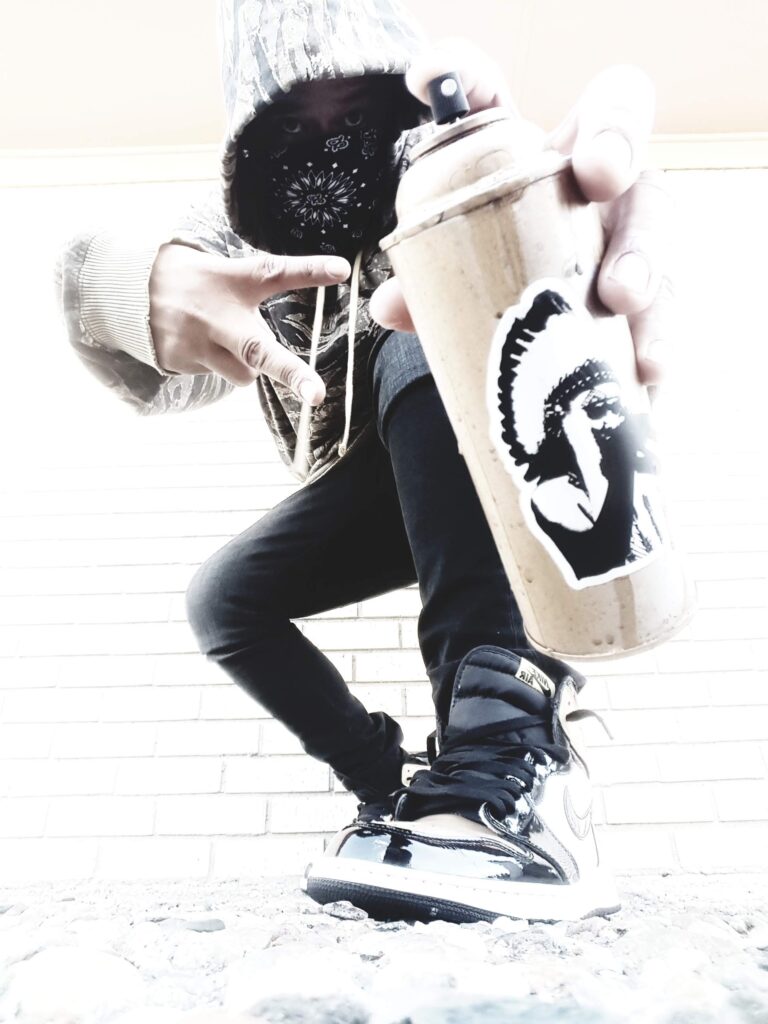
Products Of My Environment is a Native American streetwear brand that’s disrupting the status quo. Inspired by the plains Indian mantra ‘use the whole buffalo,’ they are committed to redefine sustainable fashion. Their handmade, one-of-a-kind pieces blend traditional Dine’ dyes with the bold energy of graffiti.
Running Horse Studio showcases the work of Jimmy Dean Horn (Chickasaw), a Native American artist living and working in Santa Fe. His work ranges from printmaking to stained glass and painting and is a mixture of Chickasaw symbolism and western iconography. Running Horse Studio features upcycled, hand-printed clothing.
Story by Julia Platt Leonard Photos courtesy of the artists
TABLEEditor at Large Gabe Gomez sketches out a path toward tequila blanco connoisseurship. The first step: enough with the shots. Instead, sip thoughtfully and find the nuances. Your new favorite bottle is surely on the horizon.
Lamentably, one of the most common ways drinkers enjoy straight tequila is by doing a shot accompanied by a dash of salt and a wedge of lime, presumably to mask any semblance of taste or nuance in exchange for a quick buzz. While a few shots of mid-tier tequila can elevate a fun night into an epic one, it’s time to reconsider how one should enjoy tequila. Our recommendation is to appreciate it neat or on the rocks, sipped and savored.
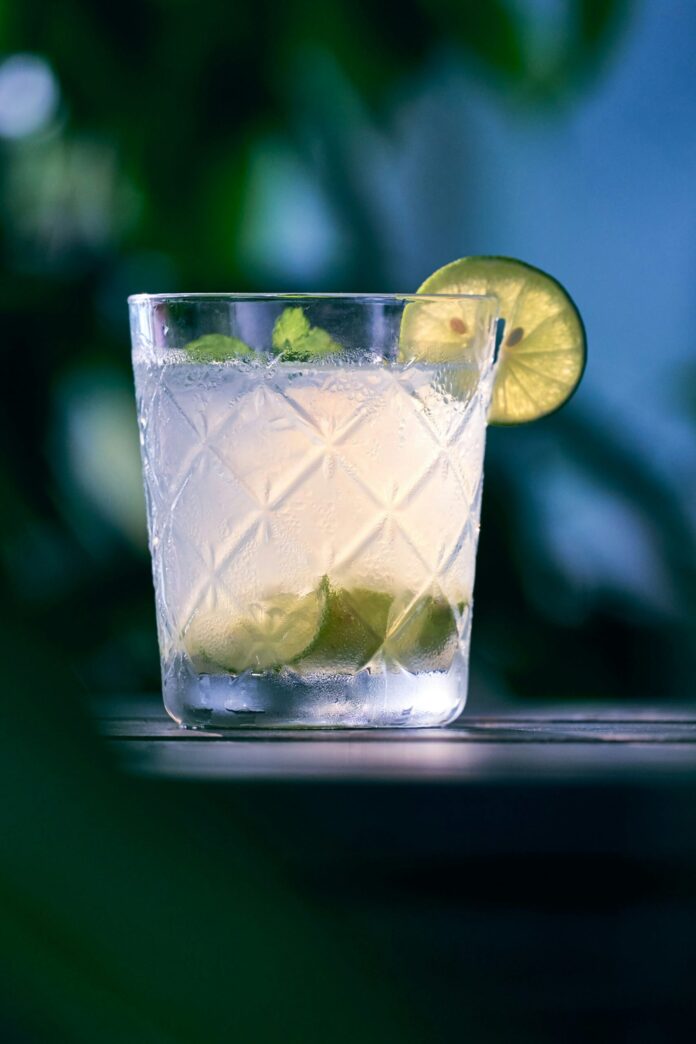
Unlike reposado or añejo, blanco tequilas are unaged, offering a bright and confident flavor profile. Each sip of blanco tequila reveals its origins, note by note. Blancos are often best enjoyed on the rocks with a gentle twist of lime. This undefinitive list of handmade blanco tequilas are additive-free and made from pure, natural ingredients with no artificial flavors or colors, making them perfect for summer sipping, whether lounging by the pool, hosting a barbecue, or simply slowing down.
Named after Pancho Villa’s horse, Siete Leguas has produced artisanal tequila since 1952. Their Blanco variant offers a crisp, clean taste with hints of citrus and herbs. Ideal for sipping, this tequila provides a smooth and refreshing experience. This is perfect for those new to tequila wanting to start at the top!
Inspired by terroir concepts from winemaking, Tequila Ocho Plata is a high-quality, artisanal tequila made from carefully selected blue agave. It boasts a rich, complex flavor with fruit, vanilla, and pepper notes. This tequila is excellent, too, for sipping slowly to appreciate its depth and character fully.
Lalo Tequila emphasizes pure, natural flavors in their singular Blanco offering. Floral and citrus undertones deliver a beautifully fresh, slightly sweet taste. This easy-to-drink tequila is ideal for those who want to enjoy the true essence of agave.
Amatiteña Tequila Blanco Origen captures the essence of the Jalisco region in Mexico. It features a smooth, balanced flavor with notes of earthy agave, citrus, and a hint of pepper. This tequila is ideal for those looking to explore authentic Mexican spirits. Originating from Amatitán, Jalisco, a UNESCO World Heritage site, this single-estate tequila is made using traditional artisanal methods dating back to the early 19th century.
Still Strength Blanco is an uncut, higher-proof tequila that retains the full flavor of the blue agave plant. Despite its higher alcohol content, it offers a surprisingly smooth taste with complex layers of fruit, spice, and herbal notes. This tequila is excellent for those seeking a more intense and robust flavor. Made with spring and deep well water, it has a balanced minerality and a touch of black pepper for an added kick.
For more, check out the rest of our liquor education series:
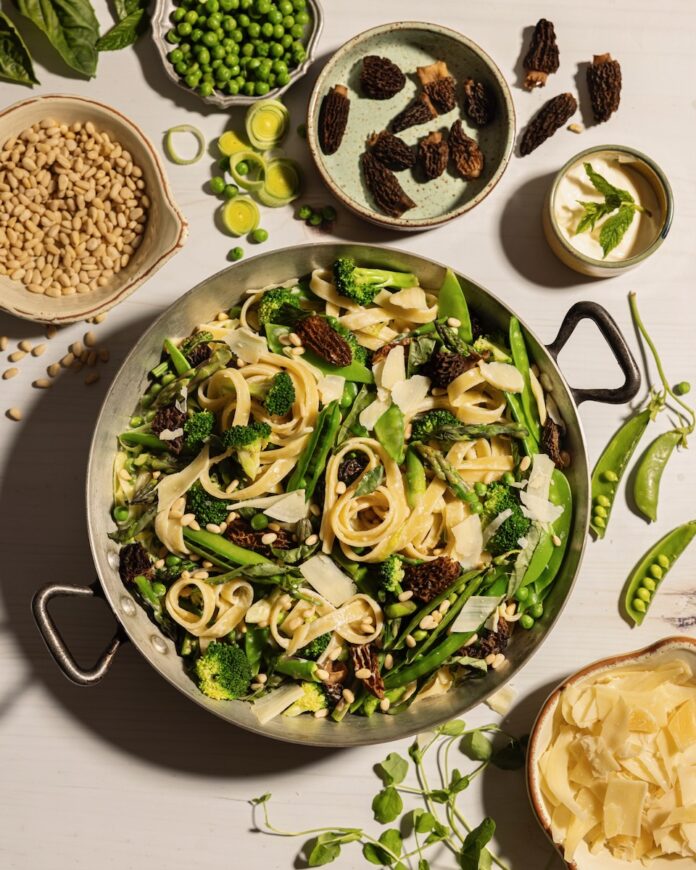
Manhattan’s legendary Le Cirque restaurant invented this Pea Pasta Primavera back in the mid-1970s. It’s refreshingly retro, both elegant and easy to assemble, at least after you lightly cook the vegetables, which can also be done ahead. A chilled Viognier or Sancerre would pair well with this delicious pasta. Be sure to invite some friends over because you’re definitely going to have some leftovers.
What is Pasta Primavera?
Pasta primavera is a light but nutritious pasta dish that celebrates the fresh flavors of spring vegetables. Typically, it features seasonal produce like asparagus, peas, zucchini, carrots, and bell peppers, though we put extra emphasis on the peas in our recipe. All these delicious veggies get lightly sautéed and tossed with pasta in a simple sauce. This particular sauce can range from a light olive oil and garlic dressing to a creamy tomato or vegetable broth-based sauce. Often, you’ll see fresh herbs like basil, parsley, or oregano as an extra layer of flavor. The dish really is a fresh, colorful, and healthy approach to pasta, so it’s great as a weeknight dinner or special warm weather meal.
The colors and textures of this pasta dish make it appealing to the eye and the stomach.
Ingredients
Scale
2½ lbs mixed spring vegetables, such as sugar snap-pea pods, snow peas, small broccoli florets, and pencil-thin asparagus, cut into 2– to 3-inch lengths
¼ cup olive oil
1 small leek, cut in thin matchsticks
1 garlic clove, minced
6 oz small morel mushrooms, halved, or button mushrooms, sliced thin
1 cup (8 oz) crème fraîche
1 cup (8 oz) mascarpone cheese
1 lb fettucine (a mix of plain fettucine with either a spinach or tomato variety adds even more color)
Salt
1 cup fresh shelled peas
½ cup freshly grated Parmesan cheese
¼ cup minced fresh basil
½ cup pine nuts
Instructions
Prepare a large bowl about half full of icy cold water and reserve it.
Over boiling water, steam each of the mixed vegetables separately just until tender. Each will cook only briefly, but the cooking times will vary a bit.
When cooked, plunge each vegetable into the bowl of cold water and let it sit, adding a handful of ice cubes each time you add a new vegetable.
When all the vegetables have been steamed and chilled, drain them well and set them aside at room temperature. These steps can be taken earlier in the day that you plan to serve the pasta, refrigerating the vegetables in the meantime. Let them return to room temperature before proceeding.
Warm the oil in a large saucepan over medium heat. Add the leek and sauté until soft, about 5 minutes. Stir in the garlic and mushrooms, and cook until the mushrooms are limp, about 5 additional minutes.
Stir in the crème fraîche and mascarpone, and when they’ve melted into a smooth sauce, remove the pan from the heat. (The sauce can be made ahead, covered, and refrigerated. Reheat before proceeding.)
Cook the pasta in boiling salted water according to the package directions. Drain it and immediately toss it together in a large bowl with the sauce. When the pasta is well coated, mix it with the steamed vegetables, and the shelled peas (which will cook lightly from the residual heat). Arrange the pasta on a large platter or shallow serving bowl, and scatter with parmesan, basil, and pine nuts. Serve warm.
Story and Recipe by Cheryl Alters Jamison Styling by Julia Platt Leonard Photography by Tira Howard
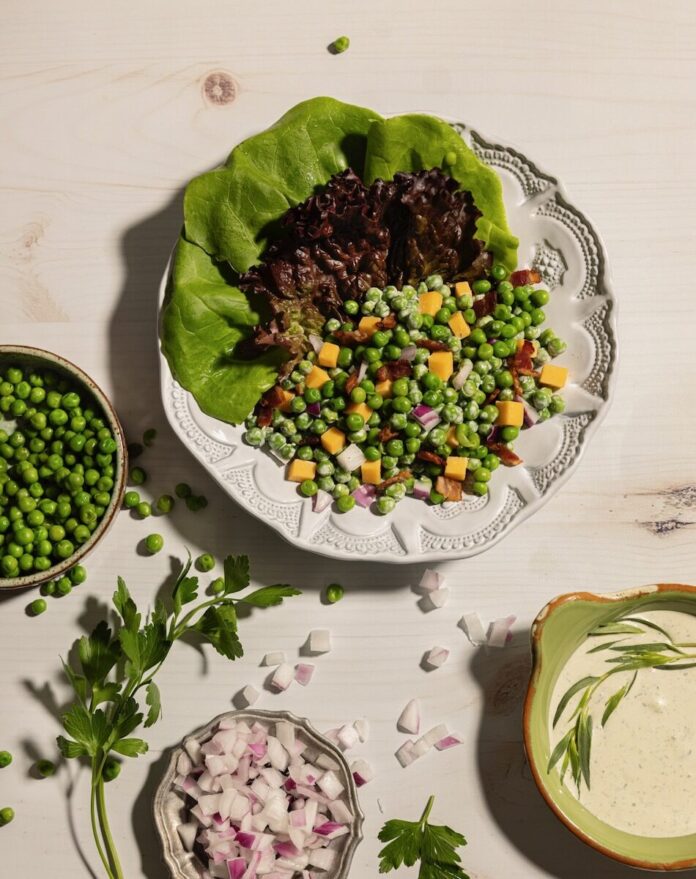
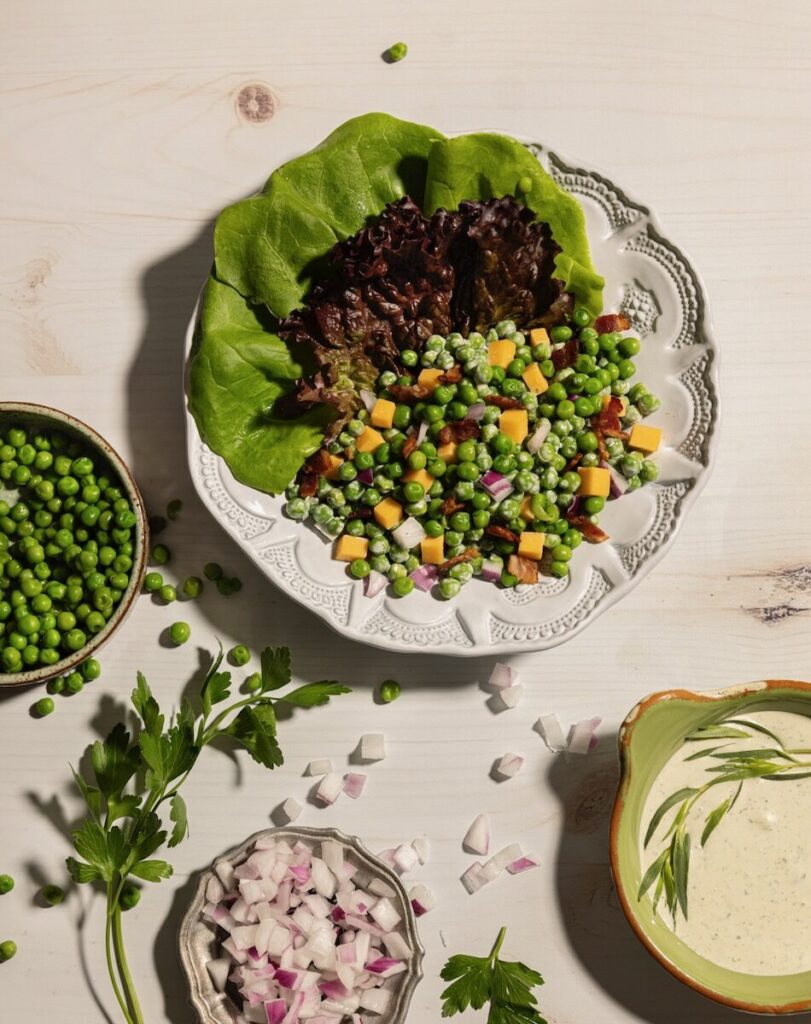
Here’s a hearty Green Goddess Pea, Bacon, and Cheddar Salad that makes a great side with the season’s first grilled steaks, chicken, or burgers. This updates an American classic, which typically tosses the vegetable mixture with mayonnaise and not much else. Substituting an herb-filled green goddess dressing heralds spring and adds more flavor nuances to the salad. Plus, you can save this green goddess dressing recipe for another time with other salads or vegetables. So what are you waiting for? Toss up this Green Goddess Pea Salad the next time you’re trying to upgrade your meal.
What is Green Goddess Dressing in This Pea Salad?
Green goddess dressing is a creamy and herbaceous sauce that comes from the 1920s. It gets its signature green hue from a blend of fresh herbs, typically including parsley, tarragon, chives, and sometimes chervil. These herbs are emulsified with mayonnaise, sour cream, or yogurt. From time to time you will also see anchovy paste, lemon juice, and garlic in the recipe to enhance its depth and tangy brightness. After all the hard work you get a lush, flavorful dressing that’s both rich and refreshing.
Green goddess dressing and green peas? Talk about a vibrant recipe!
Ingredients
Scale
For the green goddess dressing:
½ cup mayonnaise
½ cup sour cream
1/3 cup chopped flat-leaf parsley
2 tbsp chopped tarragon
1 green onion, white and green parts chopped
1 to 2 anchovy fillets or salt to taste
1 tbsp tarragon vinegar or white wine vinegar
1 tbsp water
½ tsp granulated sugar
For the salad:
4 cups fresh shelled peas
6 oz medium to sharp cheddar cheese, cut into tiny cubes
4 to 5 crisp cooked bacon slices, crumbled
½ cup finely diced red onion, soaked in cold water for 15 minutes, then drained and water discarded
Butter lettuce leaves, optional
Instructions
For the green goddess dressing:
Combine the dressing ingredients in a blender. Puree until smooth, adjusting salt if needed.
For the salad:
In a large bowl, stir together peas, cheese, bacon, and onion. Spoon in two-thirds of the dressing and toss lightly. The peas will soften somewhat while sitting in the dressing.
Refrigerate for at least 30 minutes and up to 12 hours before serving. Cover and refrigerate remaining dressing.
Serve chilled, mounded onto lettuce leaves if you wish. Spoon a bit more dressing on each portion if you wish.
Story and Recipe by Cheryl Alters Jamison Styling by Julia Platt Leonard Photography by Tira Howard
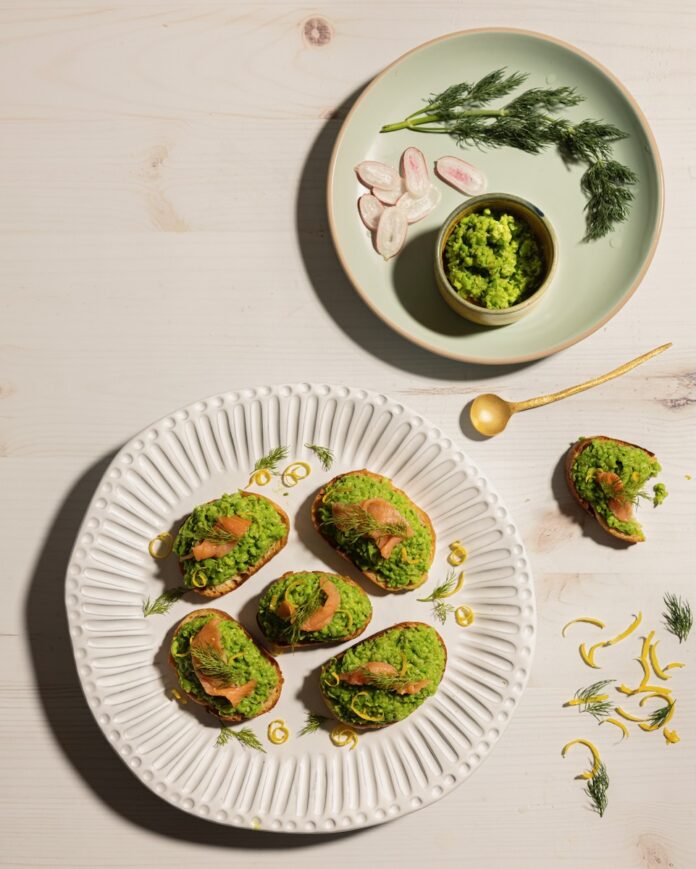
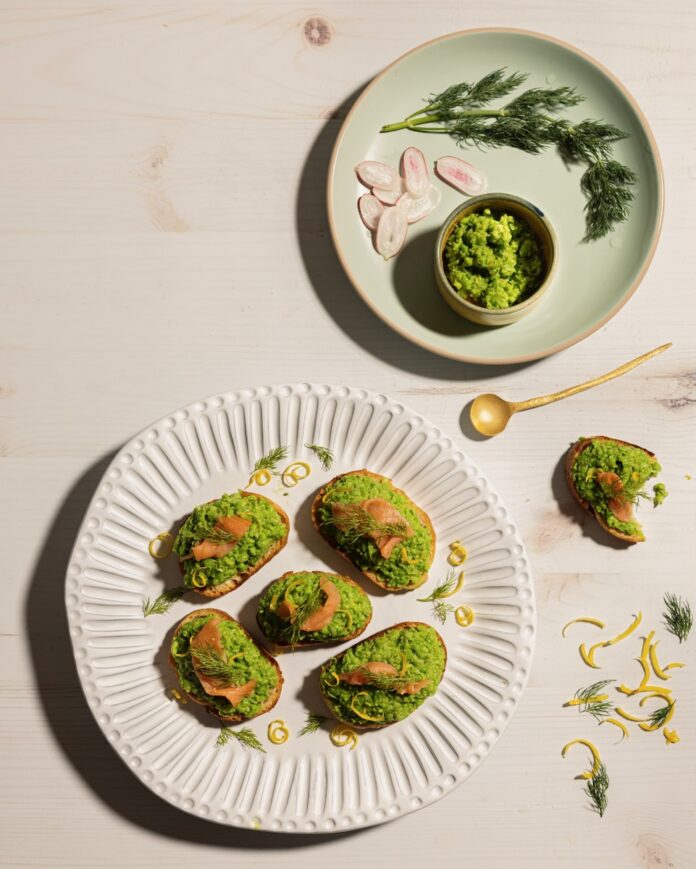
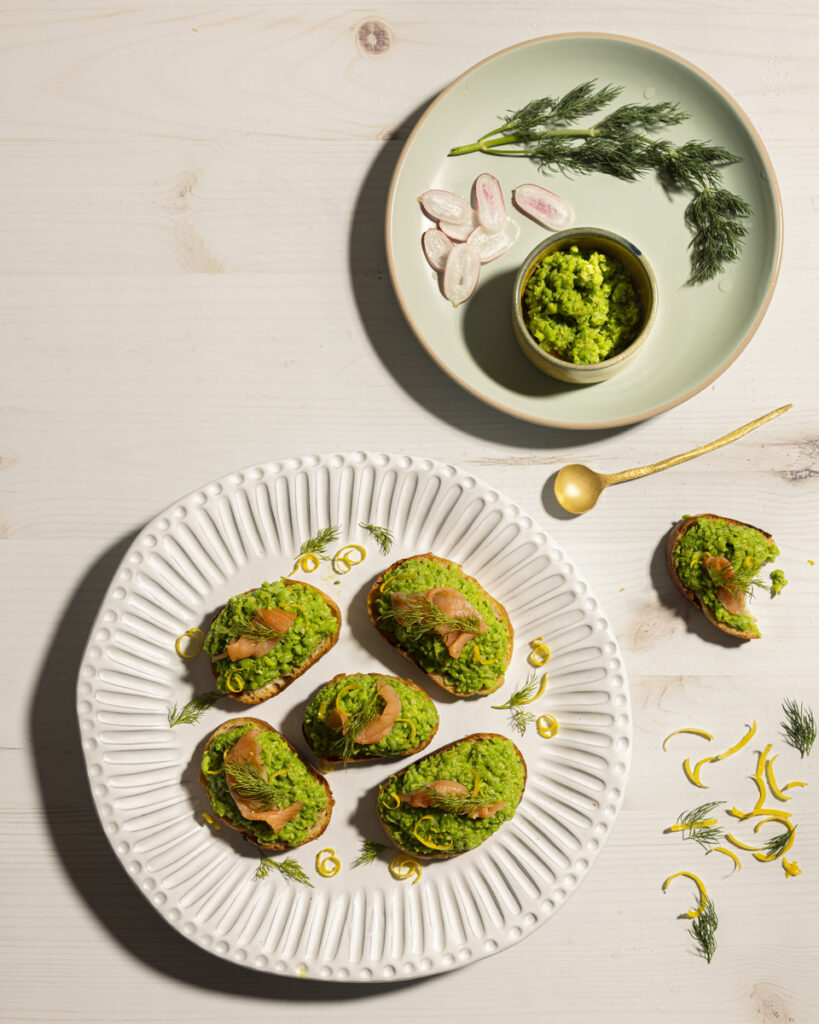
Whenever the warm weather comes peeking through, this Bruschetta with Crushed Peas and Smoked Salmon is what you’ll want handy. Here’s a lovely little tidbit dressed in green, pink, and white. The hints of dill, lemon, and olive oil really elevate the peas without masking their simple sweetness. The smoked salmon adds a delicious counterpoint to this easy-to-make dish. If you pair these bruschetta with Gruet’s sparkling Brut Rosé and a fresh farmers’ market salad, you have a lovely warm weather dinner.
Why Blanch the Peas for This Bruschetta?
There are two main reasons why we choose to blanch peas in this Bruschetta with Crushed Peas and Smoked Salmon recipe. The first is to preserve their vibrant green color. The process of blanching (cooking vegetables in boiling water before immediately plunging them into cold water) helps them retain the same color you see prior to cooking. The second reason to blanch your peas is to keep a firm texture and natural flavor when in the food processor. Rather than letting your peas turn into a mushy mess, blanching prior makes sure it all blends nicely since it hydrates the starch in them.
Bites full of nutritious sweet green peas and savory smoked salmon.
Ingredients
Scale
Water
2 cups peas
1 tbsp extra-virgin olive oil
1 tbsp minced fresh dill
Minced zest of 1 small lemon and 1 to 2 tsp lemon juice
Salt and white pepper
1 baguette, sliced into rounds about 1/3 inch thick, toasted
2 to 3 oz cold-smoked salmon or nova, sliced in strips about ½ inch thick
Tiny fresh dill sprigs
Instructions
Prepare a large bowl about half full of icy cold water and reserve it.
Heat a saucepan with about 1 quart of water over high heat. Add the peas and blanch 1 minute. Drain and transfer peas to the bowl of cold water, adding a handful of ice cubes to it at the same time.
When cool, drain the peas and transfer them to a food processor. Add the oil, dill, lemon zest and 1 teaspoon of lemon juice. Puree with a few pulses, but leave some texture. Add salt and white pepper to taste, and more lemon juice if needed to balance the flavor.
Mound about 1 generous rounded tablespoon of the pea mixture on each baguette slice. Roll the salmon slices into curlicues and place one or 2 on top of each bruschetta. Top with a dill sprig and serve right away.
Story and Recipe by Cheryl Alters Jamison Styling by Julia Platt Leonard Photography by Tira Howard
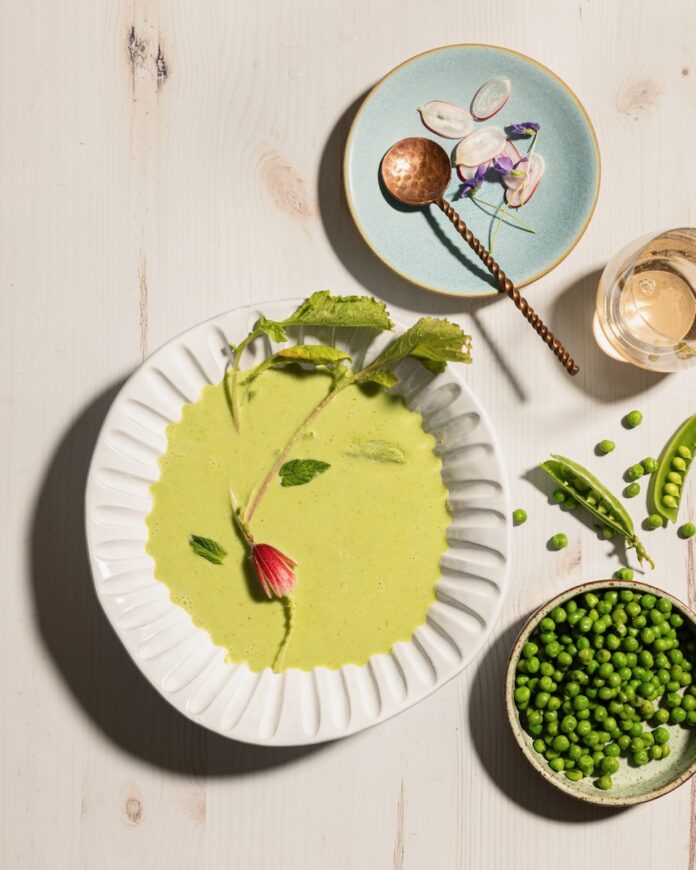
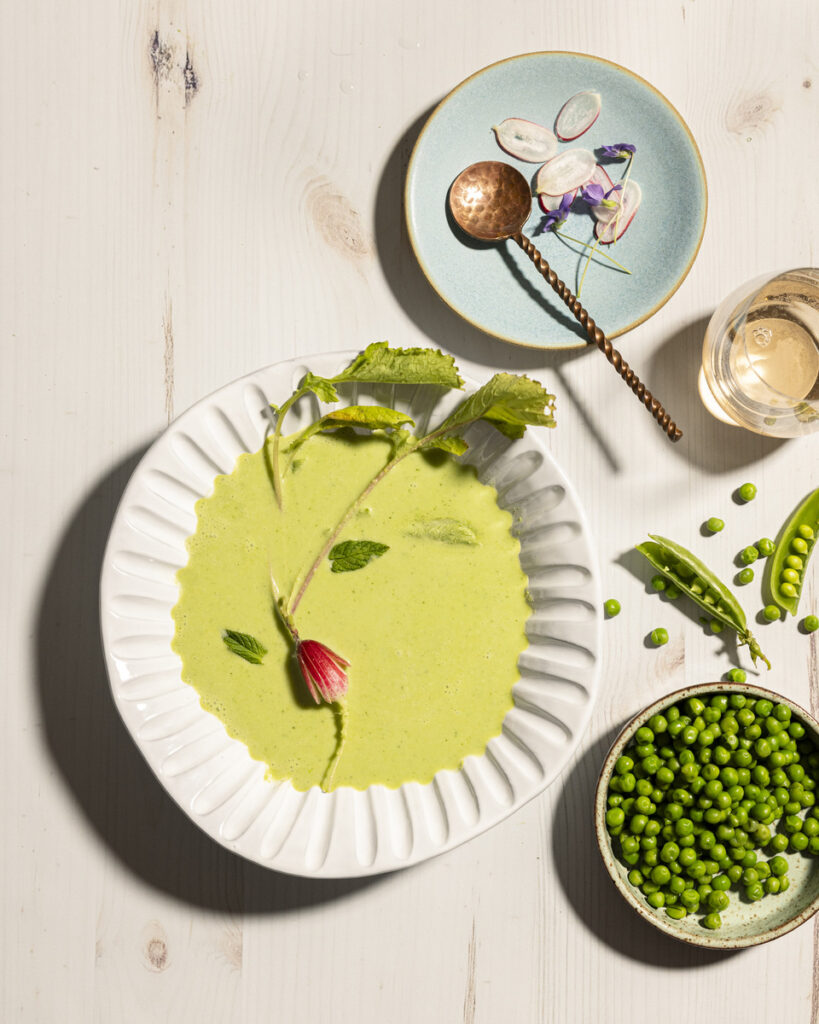
Cool soups usher in the warm months ahead and this Chilled Pea Soup with Mint is here to get you through the season. The mint mates well with the peas, as well as reinforces the soup’s striking emerald color that’ll catch anyone’s eye. This recipe is the perfect prepare-ahead starter for spring lunch or dinner. Plus, it’s full of nutrients due to the fiber, vitamin A, and vitamin K within peas.
What’s the Difference Between Sugar Snap Peas and Shelled Peas
Sugar snap peas and shelled peas start to differ when looking at their flavor and texture. Shelled peas usually have a tender, sweet inside. They carry a pure, fresh flavor and soft or yielding texture. Sugar snap peas on the other hand come in a crisp, almost crunchy pod with a slightly sweeter, more vibrant flavor than shelled peas. Once you pop out the sugar snap peas, the tender sweetness immediately sets them apart. Their contrast makes them a great pair for this soup but you can always stick to one or the other as well.
Chilled soup under a bright and shining sun is the best way to welcome spring.
Ingredients
Scale
1 tbsp unsalted butter
3 to 4 green onions, chopped with all white and unwilted green parts
1 lb sugar snap peas in the pod, tipped and stringed, or 2 cups shelled peas, fresh or frozen, or a combination
3 cups vegetable stock or water
1 cup plain full-fat Greek yogurt
2 tbsp minced fresh mint
Salt and white pepper
4 long mild radishes, such as French Breakfast radishes, thinly sliced lengthwise, to garnish
Fresh mint sprigs or pea shoots or both, to garnish
Instructions
Melt the butter in a medium saucepan over medium heat. Stir in the green onions and sauté just until wilted, about 2 minutes. Add the peas and continue cooking until they just begin to wilt, a couple of additional minutes.
Pour in the stock, cover, and cook until the peas are tender, 5 to 10 additional minutes, depending on whether the peas are in the pod or shelled. Nibble on one to check if done.
Cool the mixture for at least 5 minutes, then spoon it into a blender and add the yogurt and mint. Cover the blender firmly and puree until very smooth.
Refrigerate the soup for at least 30 minutes and up to several hours, covered. (The soup remains tasty later but the verdant green color begins to fade.) Season with salt and white pepper.
Serve chilled, adding dashes of cold water if the soup doesn’t spoon easily. Add curlicues of radish along with mint sprigs or pea tendrils, or both, and serve.
Story and Recipe by Cheryl Alters Jamison Styling by Julia Platt Leonard Photography by Tira Howard
Sugar snaps, snow peas, English peas popped from their pods — these little green wonders confirm that spring finally has sprung. Celebrate the season with these fresh ideas for pea recipes from multiple James Beard Award-winning cookbook author Cheryl Alters Jamison.
Cool soups usher in the warm months ahead. The mint accent mates well with peas, even as it reinforces the soup’s striking emerald color. A perfect prepare-ahead starter for spring lunch or dinner.
Here’s a lovely little tidbit dressed in green, pink, and white. The hints of dill, lemon, and olive oil really elevate the peas without masking their simple sweetness. The smoked salmon adds a delicious counterpoint to this easy-to-make dish. If you pair these bruschetta with Gruet’s sparkling Brut Rosé and a fresh farmer’s market salad, you have a lovely warm weather dinner.
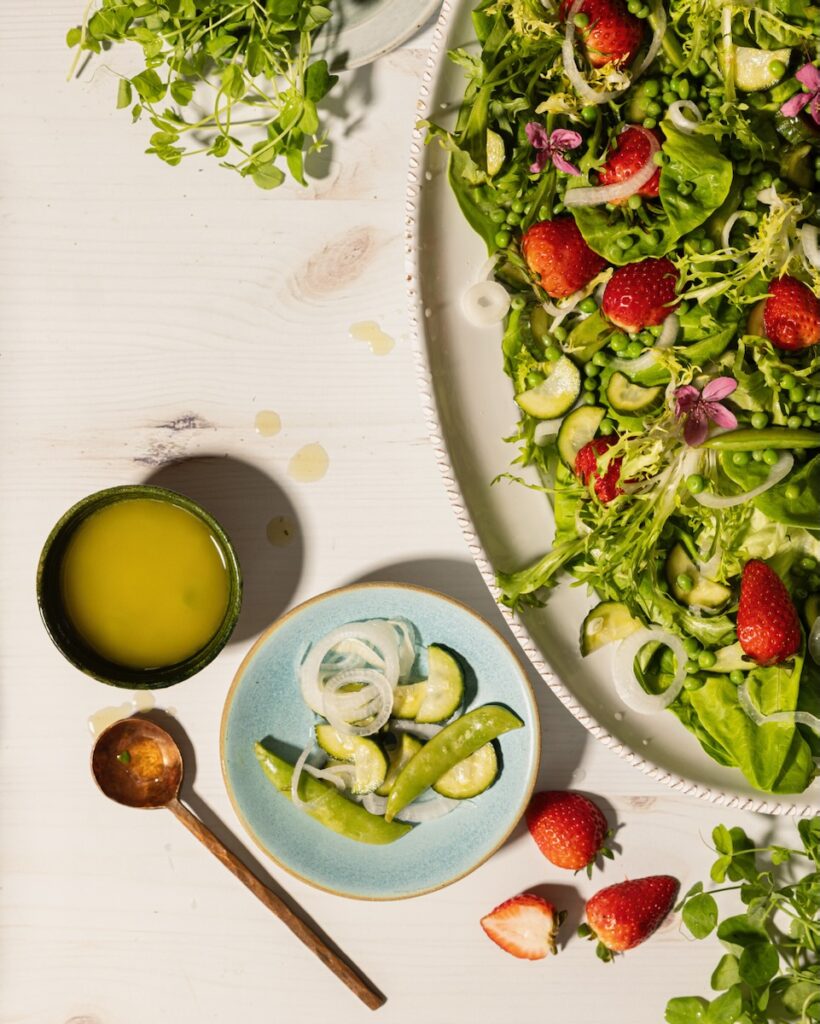
This salad’s a toss-up of bright tastes and textures. Some of the vegetables — the peas in pods, in particular — get a light pickling, which adds more interest to the final sweet and savory dish. Should some diced carrot, zucchini, or bell pepper make their way into the pickling … you may find some bespoke nuances you’ll want to keep in your pocket for future occasions.
Here’s a hearty salad that makes a great side with the season’s first grilled steaks, chicken, or burgers. This updates an American classic, which typically tosses the vegetable mixture with mayonnaise and not much else. Substituting an herb-filled green goddess dressing heralds spring and adds more flavor nuances to the salad.
Manhattan’s legendary Le Cirque restaurant invented this dish back in the mid-1970s. It’s refreshingly retro, both elegant and easy to assemble, at least after you lightly cook the vegetables, which can be done ahead. A chilled Viognier or Sancerre would pair well with this delicious pasta. Invite some friends over.
Story and Recipes by Cheryl Alters Jamison Food Styling by Keith Recker Photography by Tira Howard