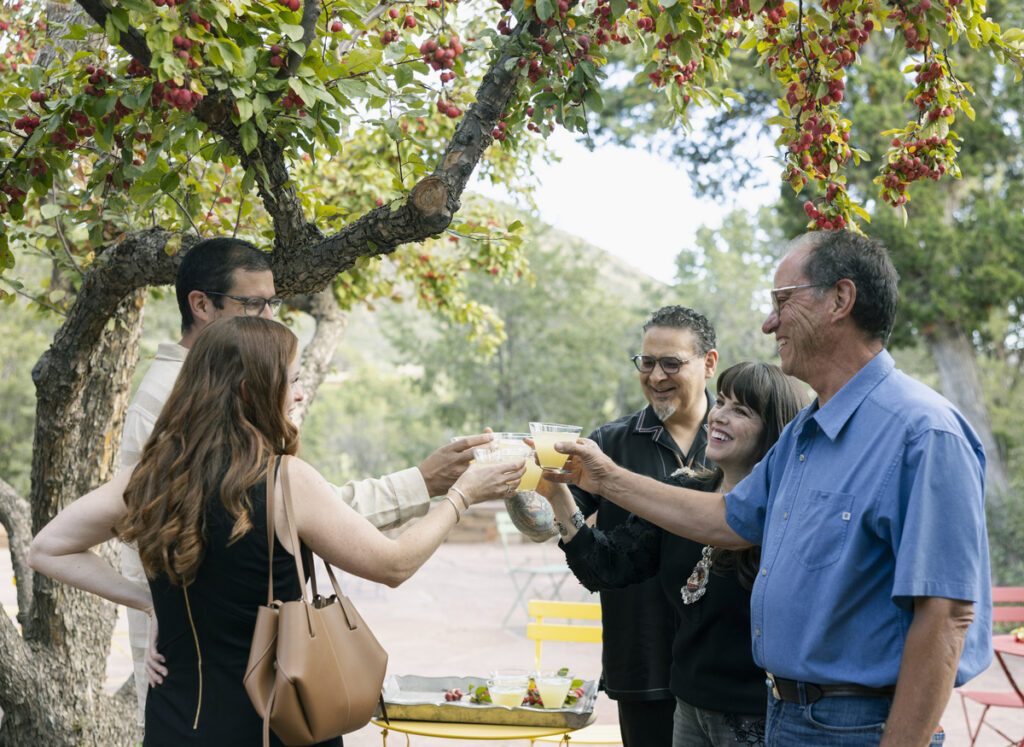
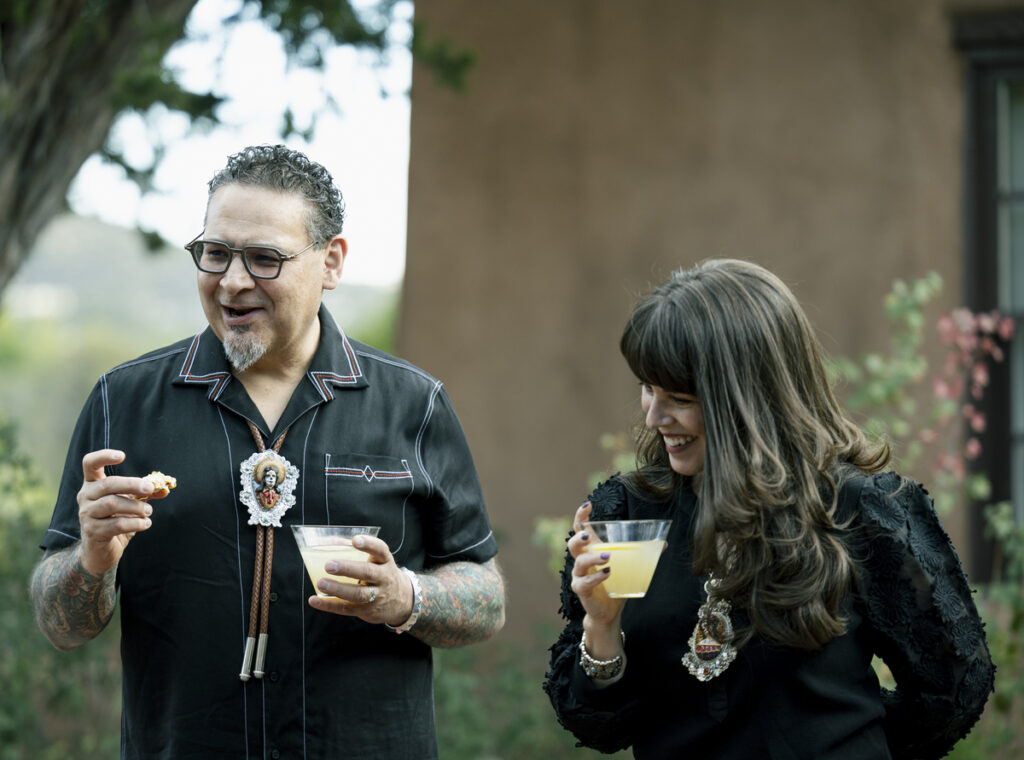
What makes a cocktail as delicious as the heart you put into making it? Your choice of vodka has a lot to do with it. “I only use the heart of each run of Boyd & Blair. The flavor from the hearts is delicious and super-concentrated, but the tails smell like a musty dishrag and provide the bite that is experienced when drinking certain vodkas. Most distillers include some amount of tails in an effort to produce more yield. The amount of tails that are added to the final product greatly impact the final flavor profile. I never include any tails in Boyd & Blair, only the hearts.” – Barry Young, co-founder and Master Distiller of Pennsylvania Pure Distilleries.
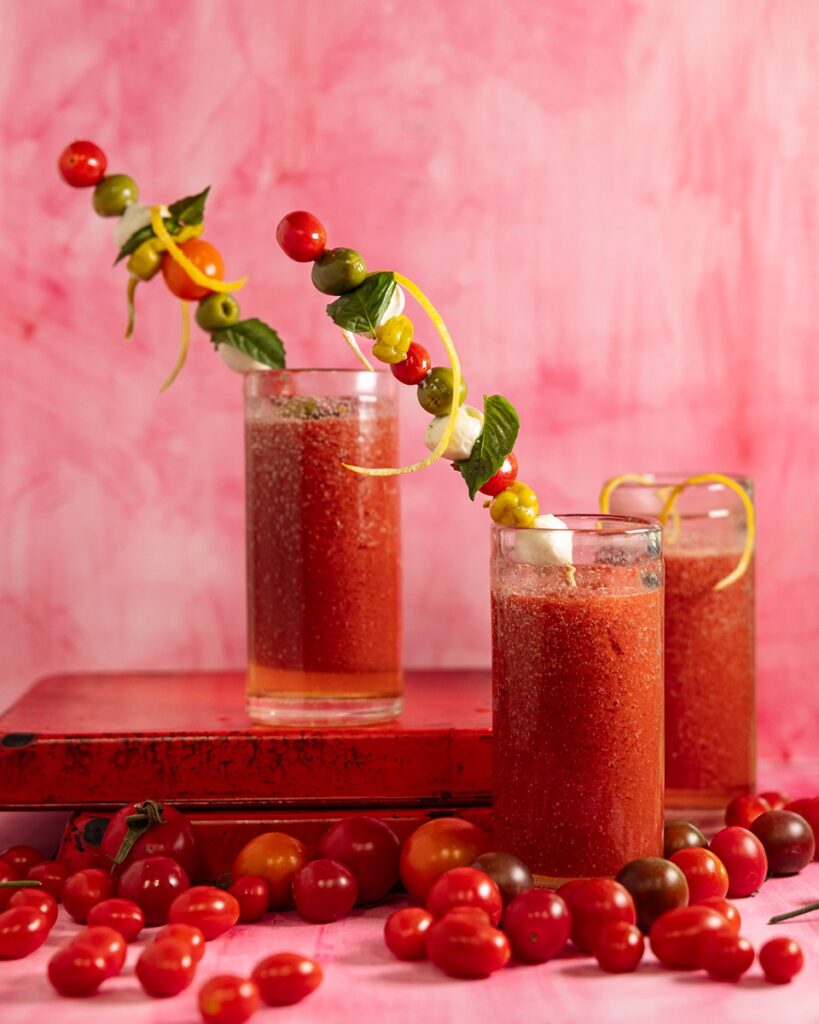
This bright and refreshing drink combines vodka, strawberry puree, and lemon juice, shaken with ice and topped with bubbly Prosecco. Smooth and fruit‑forward, it highlights the pure “hearts” of the vodka for a clean, elegant flavor.
Ingredients
Scale
1 oz vodka
1 oz strawberry puree
1/2 oz lemon juice
Prosecco
Instructions
Mix vodka, strawberry puree, and lemon juice in a cocktail shaker filled with ice and shake well.
Strain into a champagne flute and top with Prosecco.
Our Persian Noodle Soup by Chef Palak Patel is a vibrant recipe that blends hearty beans, fragrant herbs, and tender greens into a delicious broth. Cannellini and navy beans start the creamy base, while herbs and spices like dried mint, turmeric, and saffron add bold, earthy notes. Chef Palak Patel continues building this dish with sautéed onions, spinach, kale, parsley, and scallions. Finish it all off with fettuccine or bucatini noodles, a dollop of yogurt, and saffron for a mix of fresh, tangy, and a hint of bitterness. If you’re looking to learn more about Persian cuisine, the textures and flavors in this Persian Noodle Soup are a great start to informing yourself on culinary traditions.
What’s Different About a Persian Noodle Soup?
Persian Noodle Soup or Ash Reshteh (which Persians eat for Nowruz, the Persian New Year) sets itself apart from other noodle soups through a combination of ingredients that embody Persian culinary traditions. Unlike soups that prioritize meat or simple vegetables, this recipe prioritizes legumes, such as beans and lentils. These ingredients also contribute to its hearty texture and nutritional richness. Then, an abundance of fresh herbs including parsley and cilantro is essential to building the base of this soup. Plus, the inclusion of saffron, a staple in Persian cooking, adds richness and slight golden hue.
Not only is this soup fulfilling, it’s a great way to incorporate fresh produce into your life.
Ingredients
Scale
1 can cannellini beans, rinsed
1 cup navy beans, rinsed
½ cup grapeseed oil, divided (¼ cup)
¼ cup dried mint
½ tsp ground turmeric
½ medium yellow onion, thinly sliced
Saffron threads soaked in 2 tbsp hot water, additional for garnish
3 cups vegetable stock
3 cups (8 ounces) spinach, chopped
2 cups baby kale
1 cup parsley, finely chopped
2 scallions, chopped, separate green and white parts
Kosher salt and freshly ground black pepper, to taste
8 oz dried pasta fettuccine or bucatini
Yogurt, for garnish
Instructions
Heat a small saucepan over medium heat. Add half the oil (¼ cup) and swirl to coat the bottom of the pan. Stir in the dried mint and remove from the heat. Set aside.
In a medium skillet, heat the remaining ¼ cup of oil over medium-high heat. Add the turmeric, onions and white parts of scallions and cook until softened and golden, 10 to 12 minutes.
Add saffron water and threads, reserving a few for garnish into the vegetable stock, add cannellini beans, navy beans, and scallions, return to a light simmer.
Meanwhile, bring a large pot of salted water to a boil. Add the dried pasta and cook until al dente, 8-10 minutes. Drain the pasta and add to the soup. Turn the heat to medium and cook a few minutes until pasta is completely cooked. Add spinach, kale, and scallion until slightly wilted. Stir in 1 tablespoon of the mint oil and season with kosher salt and freshly ground pepper. Remove from heat and add parsley.
Adjust the seasoning as needed, then divide between bowls. Garnish with the yogurt, mint oil, and remaining saffron water and threads, then serve.
Navruz, the most treasured holiday in Uzbekistan, is a time to celebrate the return of sunshine, flowers, fruits, and vegetables, and good living. During seven decades of Soviet domination, celebrations were banned because Navruz was considered too archaic. Restored in 1990, the holiday celebrates the day and night being equal and marks the start of a new year. Festive tables are abundant with fresh bread, plov, and countless side dishes.
Chef Palak Patel shares her Beef Short Rib Plov so that we can celebrate Navruz at home with the family.
What is a Plov?
While the name might not ring a bell, we promise you have actually had this dish before. Plov is a version of the vast range of rice pilafs made across Central Asia and the Middle East. It’s the national dish of Uzbekistan. Its fragrant, long-grain rice cooks in a broth with a variety of ingredients like meat, carrots, onions, and an array of spices such as cumin and coriander. The process involves first sautéeing the meat and vegetables, then adding the rice and broth, which you simmer until the rice absorbs the liquid and becomes tender.
A warm, savory, and comforting rice dish featuring tender beef short rib.
Ingredients
Scale
6 pieces beef short rib
2 tsp smoked paprika
1 tsp nutmeg
2 tsp coriander powder
1 tbsp cumin powder
½ tbsp turmeric
1 tsp cardamom pods
1 tbsp beef bouillon
2 bay leaves
2 cups basmati rice
¼ cup oil, additional for oil for sautéing
1 onion, finely chopped
2 large carrots, sliced
2 cloves garlic, minced
1 whole garlic, cut sideways in half
4–6 cups water
Kosher salt
Freshly ground pepper
¼ cup parsley, chopped
3 large eggs
Instructions
Preheat oven to 350 degrees.
Gently add eggs to a pot of hot water for 6 minutes. Remove and cool under cold water. Set aside.
Rinse basmati rice under cold water 5-10 times to remove starch and the water runs clear. Add rice to a large bowl cover with water and set aside.
Season short ribs generously with kosher salt and freshly ground pepper.
Heat a 12 inch wide Dutch oven on high heat, add half the oil and turn the heat down to medium-high. Place 3 short ribs and sear short ribs on all sides and set aside. Continue for the remaining three pieces.
Reduce heat and add one tablespoon of oil to caramelized Dutch oven with chopped onions, minced garlic, beef bouillon, paprika, nutmeg, coriander powder, cumin powder, turmeric, cardamom pods, bay leaves, and 4 cups of water. Stir to dissolve bouillon completely.
Layer the short ribs evenly across the Dutch oven. Cover with a lid and place in the oven and cook for an hour and half or until beef is fork-tender. Remove ribs gently, place in a bowl and cover.
Spoon out any extra oil pooled on the top, add rice and carrots and add with 2 cups of water season with salt and freshly ground pepper.
Place short ribs on top to evenly spread over rice. Lay cut side half garlic pieces inside the rice.
Cover the lid and reduce to low cook for 15-20 minutes, until rice is cooked and fluffy. Turn off the heat and let it stand for 5 minutes before serving.
Peel and slice eggs in half. Place on top of rice.
Nowruz, the Iranian (or Persian) New Year, means “new day” in Farsi. It’s humankind’s most ancient celebration; Nowruz is approximately 4000 years old, older than Easter, Holi, or Ramadan. Food plays an important role in this holiday because of the fresh, green ingredients that begin to peek out of the ground in Persia, signaling winter’s end. This kuku sabzi is an herbed omelet that’s perfect for the traditional midday family gatherings typical of Nowruz. It would make a wonderful brunch entrée any time of the year.
What Do People Eat for Nowruz?
In addition to kuku sabzi, other popular recipes shared with TABLE readers by Chef Palak Patel include; ghormeh sabzi – a lamb and kidney bean stew; ash-e-reshteh, Persian New Year’s soup with beans, noodles, and herbs; Persian jeweled rice; and whole-roasted whitefish with a tangy tamarind sauce served on a bed of green lentils. Nowruz is also a popular time to eat sabzi khordan, an herb platter including mint, basil, and Persian cress. Nowruz is 13 days long, and families typically have huge picnics on the final day where they eat dishes like this one.
1 medium leek, white and pale-green parts only, finely chopped
8 large eggs
1½ tsp kosher salt
1 tsp baking powder
1 tsp freshly ground black pepper
¼ tsp crushed red pepper
½ tsp ground turmeric
¼ cup tarragon leaves
1 cup finely chopped cilantro
1 cup finely chopped dill
1 cup finely chopped parsley
Instructions
Heat 2 tablespoon oil in a 10″ skillet over medium. Cook shallot, garlic, and leek, stirring occasionally, until very soft but not brown, 10–12 minutes. Transfer to a plate and let cool. Wipeout skillet; set aside.
In a large bowl, whisk eggs, kosher salt, baking powder, black pepper, turmeric, and crushed red pepper. Gently fold in cooled shallot mixture, add herbs: cilantro, dill, tarragon, and parsley.
Turn broiler on to high and adjust the rack to top.
In a large skillet, heat the remaining oil over medium. Carefully pour in egg mixture; spread evenly across the pan with a spatula. Using a lid to cover and cook the frittata until it is set on the sides and the bottom, approximately, 8–10 minutes. Remove the lid and place under broil, until the top is set, setting oven timer to 1 minute.
Once it’s cooled slightly and easy to handle, use a large and invert onto a large serving plate.
This recipe from Chef Palak Patel is part of a series where we delved into springtime traditions from around the world. Persian Jeweled Rice is a dish for Nowruz, a spring celebration that acts as a sort of “new years” in Central Asia. Doesn’t it make more sense to start the new year when the flowers are blooming rather than in the dead of winter? This rice is easy to make and is a great base for a platter of all kinds of decadent Nowruz foods, including Chef Palak’s Persian Lamb and Kidney Bean Stew.
What to Serve with Persian Jeweled Rice
Persian Lamb and Kidney Bean Stew is a great combination with this jeweled rice dish. You can also add a mint and cilantro chutney as a sauce on the side. Or, combine it with some other regional sauces and spices if you have a personal favorite.
A simple recipe that connects you to a long history!
Ingredients
Scale
2 cups aged basmati rice
1/4 cup slivered almonds
1/4 cup pistachios
Kosher salt
2 medium carrots, peeled, cut into matchstick-size pieces
2 tbsp dried tart cherries
1/4 cup dried currants
1/4 cup Persian green raisins
¼ cup dried apricots, chopped
1/4 tsp saffron threads, crushed and soaked in ¼ cup hot water
3 tbsp unsalted butter
4 tbsp olive oil, divided
1 large onion, thinly sliced
¼ tsp ground cinnamon
¼ tsp ground cardamom
¼ tsp ground black pepper
¼ tsp ground turmeric
1 tsp ground cumin
Instructions
Preheat the oven to 350°. Place almonds and pistachios on separate baking sheets and toast until golden brown, 5–8 minutes; let cool. Set nuts aside.
Using a fine-mesh sieve and rinse rice under cold water until water runs clear. Soak rice in cold water for 1 hour up to 24 hours. Drain through a fine-mesh sieve.
In a large pasta pot, add water and bring to a rolling boil, season with salt and gently add rice making sure to not break the grains. Cook rice stirring occasionally until grains have lengthened but are still firm. Drain and rinse under cold water. Spread rice in a thin layer on a baking sheet to cool.
Combine tart cherries, currants and green raisins in a small bowl and cover with hot water; let them soak for 10 minutes. Drain and set aside.
Place saffron in another small bowl and add 1/4 cup hot water; set aside.
Heat butter and 1 tablespoon oil in a large skillet over medium heat. Add onion slices and carrot sticks, season with salt, and cook, stirring often, until soft and beginning to brown. Add spices and 1 tablespoon saffron mixture. Cook, stirring constantly, until fragrant.
Reduce heat to low, add soaked cherries, currants raisins, and apricots and cook, stirring often. Stir in reserved nuts, season with kosher salt. Remove from heat and keep aside.
Heat remaining 3 tablespoons of oil in a large wide heavy pot over medium heat. Add half of rice, spreading evenly; add fruit and half of the nut mixture in a thin layer, then remaining rice, spreading evenly.
Using a spoon, create circular holes in the rice mixture for steam to escape. Drizzle remaining saffron mixture over rice. Place a clean kitchen towel over the pot, fit the lid over the pot. Be sure no steam can escape.
Cook on medium high heat there is steam, 5–8 minutes. Reduce heat to very low or move the pot to a smaller burner and cook without stirring until the rice is tender and the bottom layer of rice is browned, about 20 minutes.
Spoon rice into a serving plate and sprinkle with the remaining toasted nuts.
Chef Palak Patel researched the spring festivals of India, Iran and Uzbekistan to develop recipes celebrating warm weather. These are some of the most ancient celebrations of humankind, marking the ancient new year…aka the start of spring.
Nowruz in Iran is a time when families prepare hearty and joyful dishes to enjoy together. This Persian Lamb and Kidney Bean Stew is one example of how people celebrate the return of good weather. The dishes are abundant, full of flavor, and very satisfying. Serve this with Persian Jeweled Rice for a bountiful Nowruz spread.
What is Nowruz?
Nowruz is an ancient celebration in the Caucasus, Central Asia, and South Asian regions, all of which have influences from ancient Peria. Nowruz’s roots are in Zoroastrianism, a religion that predates the Abrahamic faiths. It’s a holy day for Baha’i and Shia Muslims, but is often a secular holiday families use to gather together and celebrate what they’re grateful for. One way to celebrate gratitude is through a stew, where all different ingredients come together to make a delicious whole. This Persian Lamb and Kidney Bean Stew is shareable with as many people as you’d like to invite over, celebrating how warmer weather often precipitates togetherness.
3 large carrots, peeled, cut into 1/4-inch-thick rounds
4 garlic cloves, minced
4 dried Omani limes, punctured with a sharp knife
¼ tsp saffron threads
1 tsp ground turmeric
1, 750 ml bottle dry red wine
1, 28 oz can diced tomatoes with juices
1, 14 1/2 oz can low-sodium chicken broth
1, 14 1/2 oz can low-sodium beef broth
3 cans kidney beans, rinsed
Kosher salt to taste
Freshly ground black pepper
5 tsp chopped fresh rosemary
2 tsp chopped fresh thyme
2 tsp grated lemon peel
Instructions
Sprinkle shanks with kosher salt and fresh pepper. Working in batches, heat two tablespoons of oil in a heavy large pot over medium-high heat. Add shanks to the pot and cook until brown on all sides, about 8 minutes. Transfer shanks to a bowl and rest.
In an extra-large dutch oven, add onions, carrots, and garlic to the pot and sauté until golden, about 10 minutes. Add remaining ingredients. Return shanks to pot, pressing down to submerge. Bring liquids to boil. Reduce heat to medium-low. Cover; simmer until meat is tender, about 1 ½ hour.
Remove the lid and simmer until meat is very tender, about an hour longer.
Transfer shanks to platter; tent with foil. Boil juices in a pot until thickened, about 15 minutes. Season with salt and pepper. Spoon over shanks.
Chef Palak Patel shares a Red Snapper with tamarind flavorings that is cooked in Iran with Green Split Pea Salad to celebrate the arrival of spring and the national holiday Nowruz. This recipe uses fennel to add a slight anise flavor to this tasty fish dish. Plus, the Green Split Pea Salad combines all the greens of the Earth like broccolini, baby spinach, baby kale, and green split peas for a nutritious side dish. A dollop of Mint and Cilantro Chutney would be a fine addition to this meal. You might even like to add some Persian Jeweled Rice as well.
What Does Red Snapper Taste Like?
Red snapper carries a unique flavor profile. When cooked, you’ll find it has a delicate, subtly sweet flavor with a firm, white flesh that flakes easily. Some describe its taste as mild and nutty, and very delicate. Its versatility makes it perfect for grilling, baking, pan-searing, or poaching. Plus, you can add just about any seasoning or sauce you would like since its neutral palate allows for creativity.
A perfect way to roast Red Snapper with hints of fennel.
Ingredients
Scale
¼ cup grapeseed or canola oil + 2 tbsp
1 whole (3-4 lb) red snapper, cleaned, scaled
Sea salt and freshly ground black pepper
2 lemons, sliced thinly
1/2 small fennel bulb, thinly chopped
1 tbsp chopped fennel fronds
¼ cup tamarind concentrate
2 tbsp sugar
Instructions
Heat oven to 450°F. Line baking sheet with aluminum foil, or coat with oil.
Rinse the fish in cold water, then lightly pat it dry with paper towels. Use a sharp knife to lightly score the top of the fish in diagonal lines about 1-inch apart.
Add ¼ cup oil, tamarind contrate, sea salt and sugar. Mix well.
Brush the fish generously on both sides with the oil and inside the cavity.
Place lemons, fennel and herbs inside the cavity of the fish.
Season the outside of the fish generously with a few good pinches of sea salt and black pepper. Drizzle tamarind marinade on top.
Roast for 20-25 minutes, or until the fish reaches an internal temperature of 145°F and flakes easily with a fork. (Cooking time will vary depending on the size/variety of your fish.)
Remove from the oven, and squeeze the juice from the remaining lemon over the fish.
This side adds a nutritious serving of green veggies to your meal.
Ingredients
Scale
2 cups dried green split peas
4 cups vegetable broth
2 cups baby kale
2 cups baby spinach
1 bunch broccolini, chopped
1 tbsp oil
1/4 cup lime freshly squeezed juice
1/4 cup extra virgin olive oil
2 tsp cumin powder
1 tbsp maple syrup
2 limes for garnish
Kosher Salt to taste
Freshly ground pepper
Instructions
Combine the split peas and broth in a medium saucepan over high heat. Bring to a boil, stir, then reduce heat, cover, and simmer until the split peas are tender, but not mushy and most of the liquid is absorbed, about 20 minutes. Drain any excess liquid.
In a small bowl, whisk together the lime juice, olive oil, cumin powder, maple syrup and kosher salt.
While split peas are hot, pour vinaigrette over the peas and toss to coat. Season with salt and freshly ground black pepper.
In a skillet, heat 1 tablespoon oil and saute greens lightly and season with salt and pepper.
Mix peas and greens together. Adjust seasoning as needed.
Gujiyas, sweet dumplings made of flour and filled with a decadent filling of dry coconut and almonds, are a must for celebrating Holi. Especially when washed down with a popular Holi staplethandai, a fennel-seed infusion as well as the brightly flavored kachori, round fritters made of peas and edamame. Gujiyas resemble empanadas so they are essentially delicious fried dough envelopes filled with various ingredients. In this case, the filling blends creamy ricotta, sugar, and both coconut and almond flour with aromatic cardamom and nutmeg. Prepare these Sweet Gujiyas ahead of time to have the most delicious Holi celebration this March.
What is Holi?
Take a day where the air is flowing with vibrant colors, laughter is around every street corner, and everyone finds themself in a kaleidoscope of powder. That’s Holi, the Hindu festival of colors, a joyous celebration of the start of spring, the love of community, and also the triumph of good over evil. It’s a time when social barriers dissolve, and people of all ages come together to playfully smear colored powder and water on each other, a symbolic act of washing away negativity and embracing new beginnings. Think of it as a giant, communal expression of pure joy. It’s simply a day to let loose, forgive, and revel in being alive. Plus, it gives the perfect opportunity to enjoy our Sweet Gujiyas.
Celebrate Holi with these bundles of deep fried goodness.
Ingredients
Scale
For the filling:
¼ cup ricotta
¼ cup coconut flour
1 cup almond flour
2 tbsp sugar
¼ tsp cardamom
Pinch nutmeg
For the dough:
1.5 cups all-purpose flour
1/3 cup melted clarified butter
2–4 tbsp of ice water
1/4 tsp sugar
Pinch of salt
Instructions
Blend together flour, sugar, salt and clarified butter in a bowl with your fingertips until mixture resembles coarse meal with some roughly pea-size butter lumps.
Drizzle 2 tbsp of ice water evenly over mixture and gently stir with a fork (or pulse in food processor) until incorporated.
Squeeze a small handful: If it doesn’t hold together, add more ice water, 1/2 tbsp at a time, stirring (or pulsing) until incorporated, then test again. Do not overwork dough or pastry will be tough.
Turn out dough onto a lightly floured surface with the heel of your hand, smear each portion once or twice in a forward motion to help distribute fat. Gather dough together, with a pastry scraper if you have one, and press into a 5-inch disk. Chill, wrapped in plastic wrap, until firm, at least 1 hour.
To make gujiya:
Knead the dough for a minute. Roll out into a circle onto a lightly floured surface 1/8 inch in thickness. Using a pastry cutter or knife cut 3-inch discs.
While filing individual guijyas, keep the remaining dough covered with a damp paper towel.
Place a dough disc on your hand and spoon about 1½ tablespoon of the filling in the middle. Using the dominant hand fold the two edges together pinching the seams making a half-moon shape. Crimp together forming small pleats to seal completely. Or use the back of a fork press firmly on the edges.
Heat oil to 325 degrees. Gently add gujiyas to the oil, turning a few times in between until golden brown and crispy from all sides, use the slotted spoon to remove it.
Place on a wire rack or paper towel-lined plate and let it cool completely before serving.
Holi, the festival of colors, is celebrated in India by 1.25 billion people. This two-day Hindu spring festival symbolizes the victory of good over evil with people tossing colorful powdery pigments at each other in the streets. Chef Palak Patel shares several recipes that play a role in this amazing celebration, including this one for Chana Masala. So gather around with those you love and even invite your neighbors over for a feast that brings about the start of spring and celebrates joy.
What is Chana Masala?
This Indian dish is a staple of celebrating Holi for its warming and cozy vibes but what exactly is it? Chana Masala’s recipe takes chickpeas and slowly simmers them in a tomato-based sauce. In fact, the name literally means chickpeas and a blend of spices. The sauce usually uses fresh tomatoes alongside cumin, coriander, turmeric, and garam masala. Sometimes you’ll even find amchur (dried mango powder) or chilies for a bit of exotic influence. You can eat this dish on its own but including other Holi dishes or sides like naan bread and basmati rice that let the spices shine.
Chickpeas simmered in a savory, spiced tomato sauce just screams comfort food.
Ingredients
Scale
2 tbsp grapeseed or canola oil
1 tsp cumin seeds
1 medium yellow onion, chopped
1 large clove garlic, minced
1 small green serrano pepper, minced
1-inch ginger, peeled and grated
1/4 can tomato puree
1 tsp ground coriander
1 tsp ground turmeric
¼ tsp cayenne pepper
½ tsp sugar
2 cans (14 ounces each) chickpeas, drained and rinsed
½ cup of water
1 tsp garam masala
Kosher salt to taste
Lemon wedges, for garnishing
Fresh cilantro, chopped, for garnishing
Instructions
In a Dutch oven or large saucepan, heat the oil over medium heat and add the cumin seeds. Bloom the seeds in oil for a minute, stirring frequently, the seeds will become a fragrant and medium shade of brown. Reduce the heat carefully to avoid burning the seeds.
Add the onion, garlic, ginger, and serrano pepper. Cook for about five minutes, stirring often. Add the tomato puree and cook for another 10 minutes. Stir in coriander, turmeric, cayenne pepper, salt, and sugar.
Raise the heat to medium-high and add the chickpeas and water. Bring the mixture to a simmer and cook for 10 minutes or longer to allow the flavors to develop about 15 minutes.
Garnish with a lemon wedge and sprinkle with fresh cilantro.
Thandai, a saffron and pistachio drink, plays a central role in the celebration of Holi, which welcomes the return of spring. This drink is delicious with a gujiyas — a sweet empanada-like dish also associated with Holi.
Where Does Thandai Come From?
Thandai comes from the northern parts of India and southern parts of Pakistan, mostly Southern Punjab, Sindh, and Balochistan. It typically uses almonds, fennel seeds, watermelon kernels, cardamom, saffron, milk and sugar. But there are many variations of it. A fun fact…there’s a version of thandai that uses cannabis leaves, called bhang in Hindi. This is not that version, though if you go off the recipe to experiment, we can’t stop you. Palak Patel’s recipe is a traditional version using saffron as the dominant spice, which also gives it its beautiful yellow. You’ll want to use a spice mill to put together the Thandai masala, or a clean coffee grinder.
A handful of dried rose petals or rose water for garnish (optional)
Instructions
Add the blanched almonds, cashews, pistachios, fennel seeds, white poppy seeds, black peppercorns, cardamom powder, cinnamon powder, and nutmeg into a blender or spice grinder. Grind to a fine powder.
In a small bowl, add saffron with hot water to bloom.
In a heavy bottom saucepan; add milk and saffron water. Bring the milk mixture to a gentle boil.
When the milk mixture begins to boil, add maple syrup and stir.
Add in the thandai masala mixture to the milk and simmer for another 5 minutes. Using a whisk to remove any lumps. Turn off the heat and allow the thandai to cool and refrigerate.
To serve, pour into a cup and garnish with dried rose petals or rose water.