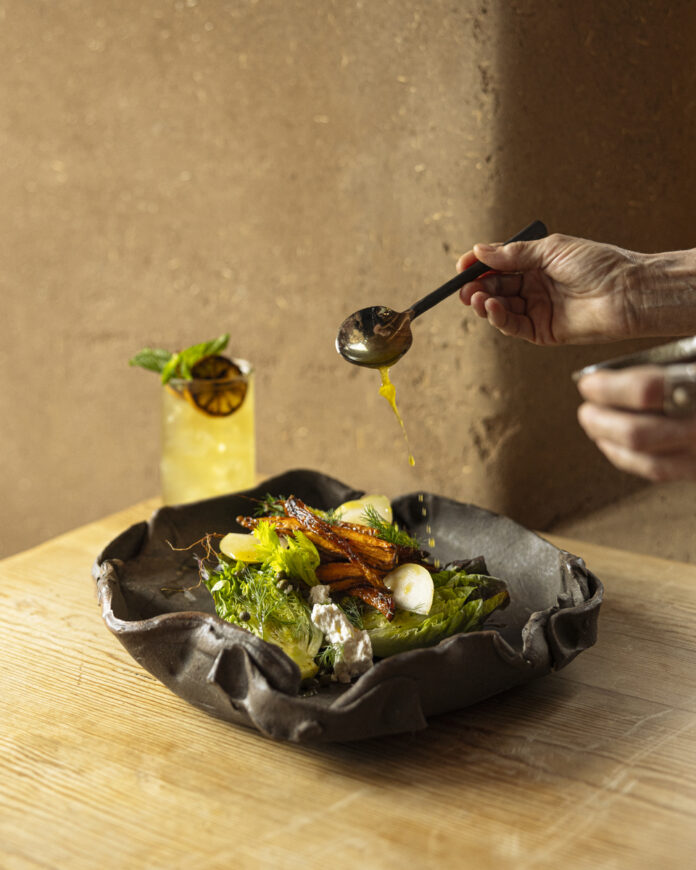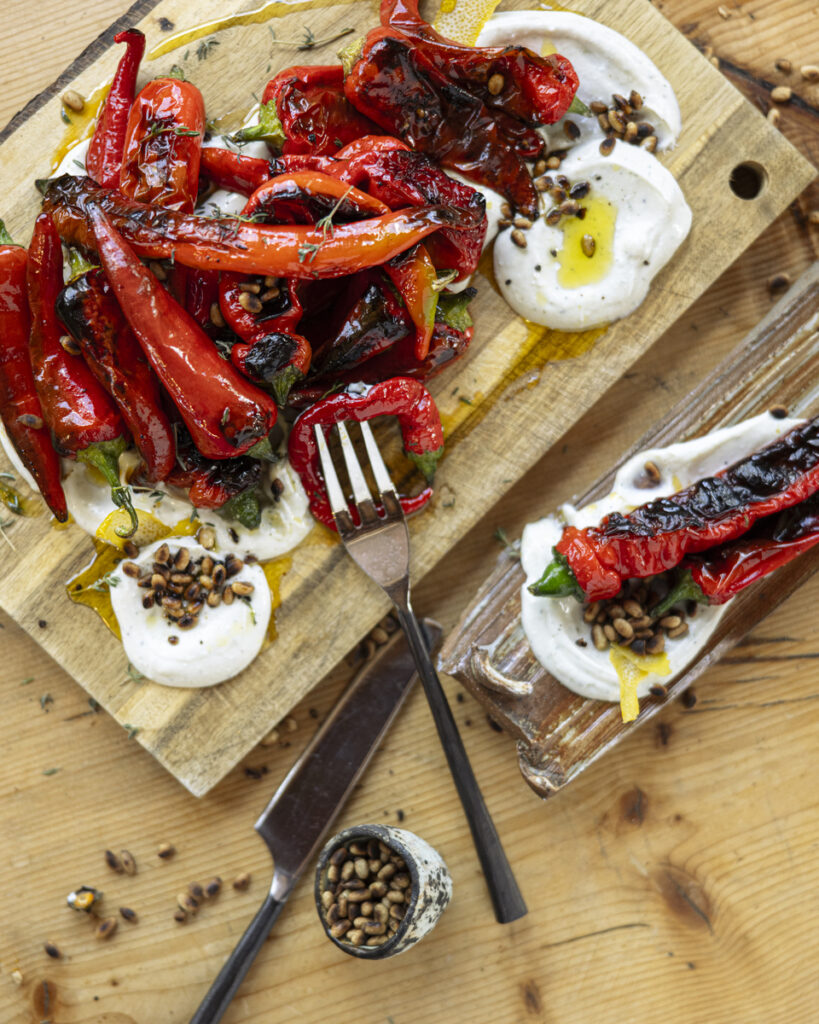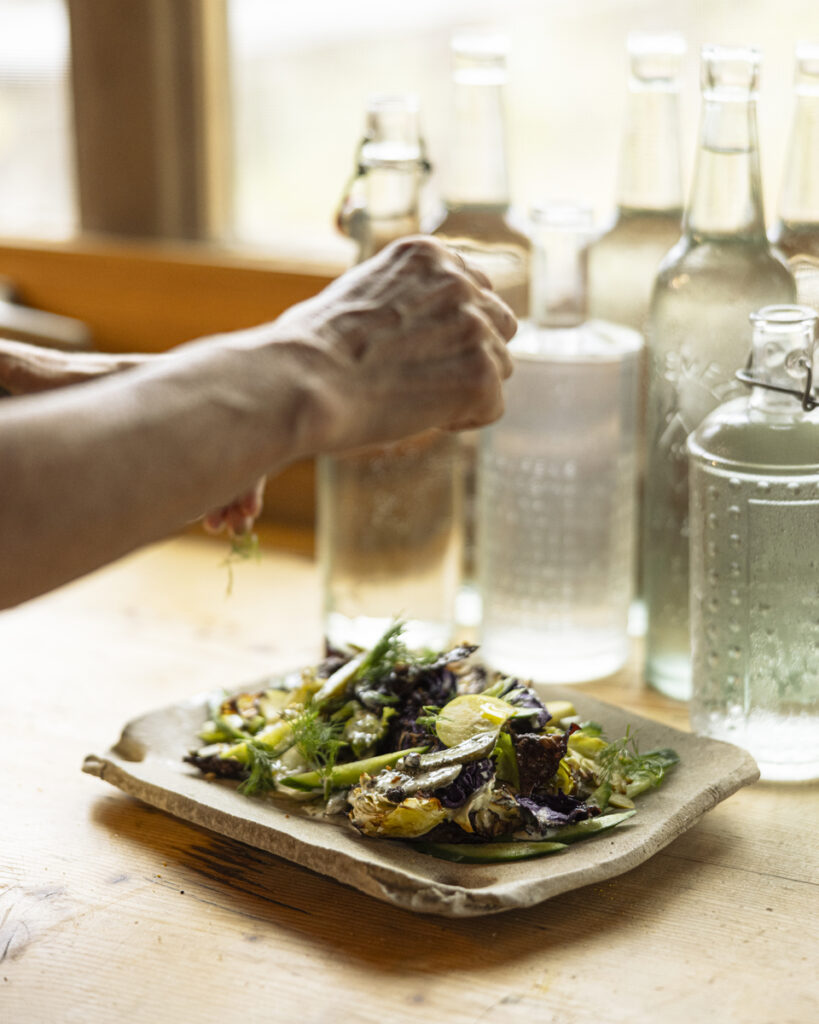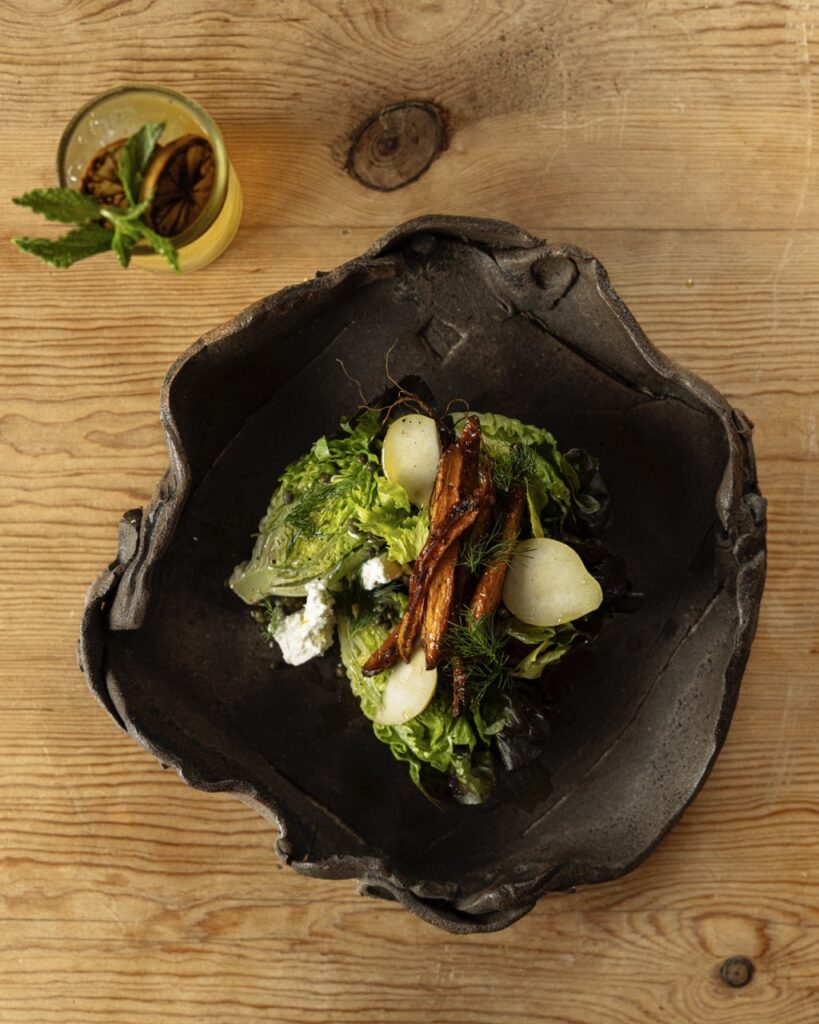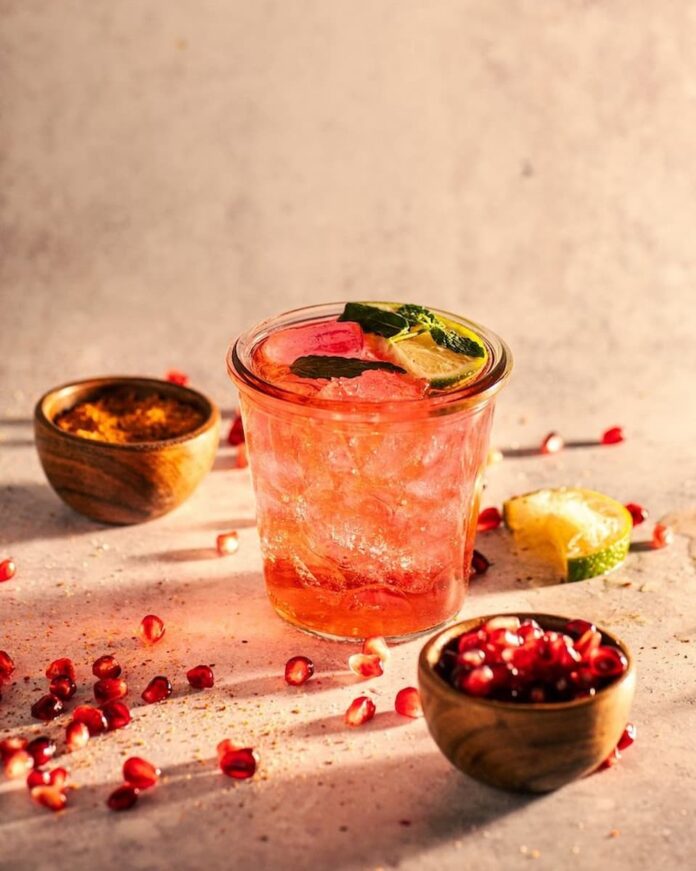
We recently met up with one of our favorite bartenders, Cecil Usher of Mindful Hospitality, to see what he had percolating as the weather warms up. After a little simmering, shaking and sipping, a new spring drink, the sweet pea cocktail, came into existence. It’s ideal for the green of the spring season.
About the Sweet Pea Cocktail
The Sweet Pea cocktail is not just about great taste. It’s also about the experience, which Mindful Hospitality specialize in. This drink’s pale green hue makes it visually appealing, while the smooth, aromatic flavors offer a refreshing alternative to traditional cocktails. Whether you’re hosting a garden party or enjoying a quiet evening, this cocktail is sure to impress your guests. This cocktail is also perfect for those looking to explore creative, floral-inspired drinks. The combination of Bluecoat Gin, lime juice, sweet pea syrup, and Lillet Blanc creates a harmonious blend of flavors that’s both refreshing and elegant.
Known as Gyeran-jjim, Steamed Eggs are a popular Korean dish for their velvety custard mouthfeel brimming with an umami flavor profile. The Garlic Scallion Confit brings this variation to new levels. This easy and delicious recipe is a adapted from Korean Bapsang: A Korean Mom’s Cooking.
The History of Korean Steamed Eggs
Steamed eggsdate back to the Joseon Dynasty (1392–1897). During this period, eggs were a luxury food. Dishes like gyeran jjim were a treat for royalty and the elite, but now anyone can enjoy them. Over time, they became a staple in households across Korea due to its simple ingredients and quick preparation.

The traditional preparation of Korean steamed eggs involves whisking eggs with water or broth, adding seasoning, and gently steaming the mixture. The dish is often served in a hot stone pot, where the eggs continue to cook, achieving the signature soft and fluffy texture. Variations of gyeran jjim include adding vegetables like onions, mushrooms, or even seafood for added flavor. In modern times, some Korean homes use a microwave to speed up the process. It’s a delicious and convenient comfort food!
⅓ cup of garlic cloves, 2/3rds sliced thinly, 1/3rd whole cloves
⅓ cup thinly sliced scallion greens (approx 8–10 scallions)
1 tsp gochugaru (adjust to your heat preference)
⅓ cup neutral oil (rice bran oil)
⅓ cup + 2 tbsp olive oil
For the steamed eggs:
4 large eggs
1 cup anchovy broth or dashi broth
2–3 scallion greens
½ tsp fish sauce
salt
pepper
gochugaru (optional)
1 tsp sesame oil
Instructions
For the confit:
Preheat the oven to 250 degrees. Place all the ingredients in a heatproof dish, making sure that the ingredients are fully submerged under the oil.
Cover with foil and cook for 1 hr. Uncover, stir, then recover and cook for an additional hour. Place in a tightly sealed container in the refrigerator and use within 2 weeks.
For the steamed eggs:
Crack the eggs into a bowl and beat. Then, in order to get a silkier texture, pour it through a strainer into a bowl, using a spoon to help push the beaten eggs through.
Add the scallions, fish sauce, salt, pepper, and gochugaru (if using) to the eggs and stir together. Rub the sesame oil on the inside of a traditional Korean stoneware pot (ddukbaegi) and pour in your egg mixture.
Place on top of the stove on medium heat. Cover until the bottom begins to set, then lower the temperature to low and stir the eggs. Cover and let cook, checking every 2-3 minutes to stir and recover. The eggs should be cooked in approximately 7 minutes.
To serve, spoon some garlic scallion confit over the steamed eggs.
Recipe and Styling by Veda Sankaran Photography by Dave Bryce
Growing up, we always had tons of food on Easter. My mom would make lasagna, ham, turkey, potatoes, salad, and desserts. When you are young, you don’t really understand how much effort goes into that, but now that I cook a lot more for myself and know what it takes to put a meal together, I appreciate it fully. This inspired me to develop a stress-free recipe for Pomegranate Molasses Roasted Lamb Shoulder that would allow me to spend time hanging out with my mom and enjoying spending time with family.
What is Pomegranate Molasses?
Pomegranate molasses is a thick, dark syrup made by reducing pomegranate juice with sugar and sometimes lemon juice. It has a sweet and tangy flavor, with a hint of tartness. Pomegranate molasses commonly appears in Middle Eastern cuisine, in dishes like fattoush or makaanik. The seasoning adds a complex flavor to dishes like salads, marinades, stews, dressings, and even cocktails. Its unique balance of sweetness and acidity makes it a versatile ingredient in savory recipes like this Pomegranate Molasses Roasted Lamb Shoulder.
A lamb dish to celebrate Mother’s Day, Easter, or just appreciation for your family and friends.
Ingredients
Scale
For the lamb:
5–6 lb bone in lamb shoulder
Pomegranate molasses
For the spice rub:
2 tbsp cumin
2 tsp pepper
4–5 ish tsp salt
1 tsp nutmeg
For the garnish:
1 1/2 cups fresh pomegranate arils
3/4 cup toasted pine nuts
5 or 6 sprigs of fresh cilantro
For salad dressing:
1/2 cup extra-virgin olive oil
1/2 fresh lemon juice
Salt and pepper to taste
1 1/2 tbsp Dijon mustard
1 tbsp honey
2 tbsp white wine vinegar
1 large clove garlic, grated
Instructions
Cover the lamb in the spice rub and put in roasting tray, dutch oven or similar pan, covered with a lid or foil. Bake at 300 for 3 to 3 1/2 hrs, then brush the lamb with ½ cup pomegranate molasses and bake another 30-40 minutes uncovered at 375. The lamb should be tender inside and will pull apart easily with a fork, but crispy on the outside from the higher bake temp.
After cooking, rest the lamb for 20-30 minutes prior to slicing.
Place thin slices on a platter and garnish with pomegranate seeds, toasted pine nuts, and fresh cilantro.
Serve with a leafy salad of mustard greens, arugula, radicchio, and diced shallot, dressed with a imple dressing you can make ahead of time by whisking the above listed ingredients together.
We’re back with another installment of Cookbook Club featuring Jubilee: Recipes from Two Centuries of African American Cooking by Toni Tipton-Martin. As I touched on in our first cooking adventure from the book, Tipton-Martin combed through over 400 cookbooks dating to 1827 to create a more accurate historical account of African American cooking that goes well beyond “southern” and “soul” cooking. The book also includes original recipes to show launching points for the dishes the author created. To see such skeletal outlines of ingredients and directions speaks to the skills and knowledge previous generations had.
In a mouthwatering analogy, Toni Tipton-Martin expresses this goal for her book, “I hope that by the time you finish cooking your way through Jubilee, you will think of African American cooking like a sultry gumbo: built, perhaps, on a foundation of humble sustenance, but layered with spice, flavors, and aromas embellished by the whim and the skills of the cook, served with grace and richness as well as love.”
All About Toni Tipton-Martin’s Lamb Curry
On that note, let’s continue cooking! This Lamb Curry pays homage to South African curries, which themselves blend Malay and Indian influences. From there, curries traveled to the Caribbean, where Jamaicans added gamey mutton or goat. This recipe combines a hearty base of tomatoes with fork-tender lamb, and a few surprise twists: stewed apples, a splash of rum, and a burst of lime. Serve with whole-grain emperor’s rice for the visual contrast of its deep purple hue. Then dog-ear the page, because if you’re anything like me, you’ll want to return to this recipe again and again.
Warm yourself up with a spiced curry featuring tender lamb.
Ingredients
Scale
2 lb lamb shoulder or leg, cut into 1-inch cubes
Salt and black pepper
2 tbsp olive oil
2 tbsp butter
1 cup coarsely chopped onions
2 tbsp minced green bell pepper
2 tbsp minced celery
2 tsp minced garlic
2 tbsp curry powder, to taste
1 tbsp tomato paste
1 ½ cups diced tomatoes (I used canned tomatoes in lieu of sad off-season varieties)
2 cups chicken stock
1 bay leaf
2 medium green apples, peeled and cubed
2 tbsp rum (optional)
1 tbsp fresh lime juice (optional)
Freshly cooked rice
Instructions
Place the lamb on a platter and pat dry with paper towels. Season all over with 1 ½ teaspoons salt and ½ teaspoon pepper. Let stand for 2 hours.
In a large Dutch oven or deep skillet, heat the oil over medium-high heat until sizzling. Working in batches to avoid crowding the pan, add the lamb and sear until browned and crusty, turning to cook on all sides, 5 to 8 minutes. Use a slotted spoon to remove the lamb to a plate.
Add the butter to the pan and saute the onions, bell pepper, celery, and garlic until the onion is translucent, about 5 minutes.
Sprinkle the curry powder over the vegetables and cook, stirring constantly until fragrant, about 30 seconds. Return the lamb to the pan with the tomato paste, tomatoes, chicken stock, and bay leaf.
Reduce the heat to medium-low, cover and simmer until the meat is tender and the sauce is thick, about 1 ½ hours. Add the apples to the pan during the last 30 minutes of cooking time. Remove and discard the bay leaf. Stir in the rum and lime juice, if using, and heat for 1 minute.
Serve with rice.
Recipe by Toni Tipton-Martin Story, Photography, Styling by Quelcy Kogel
If you’ve never tried a Buckwheat Blini then you’re in for a real treat when you bite into this freshly-fried appetizer or side dish. Think pancakes but somehow softer and even better with the capacity for sweet and savory toppings alike. For our recipe we crown these small rounds with a dollop of homemade creme fraiche and trout roe or caviar. It’s a little luxurious while still having that cozy home feeling. Try it for breakfast, brunch, or alongside a light dinner.
What is a Buckwheat Blini?
A Buckwheat Blini is a small, thin and lighter pancake that traditionally uses buckwheat flour. This special ingredient gives these delicious bites a distinctive nutty and almost earthy flavor. Originating in Eastern European cuisine, mostly Russian, blini are often yeast-risen. This means the result is a lightly spongy texture. Buckwheat flour, despite its name, is actually gluten-free so even those with dietary restrictions can enjoy this dish. If you’re looking for a savory topping we recommend smoked salmon, caviar, and sour cream. But for a sweet effect you can use jams or honey too.
This Russian pancake-like dish is even softer than regular pancakes with a delicious creme fraiche on top.
Ingredients
Scale
2 tsp yeast
1 tsp sugar
2 cups warm milk
1 3/4 cups flour
1/4 cup buckwheat flour
1 tsp salt
4 egg yolks
For the creme fraiche:
1 cup heavy cream
1 tbsp buttermilk
Instructions
Activate yeast in warm milk. Whisk together dry ingredients and add into liquid ingredients. Let ferment lightly in a sealed container for at least an hour. Make sure the container you chose is double the amount of batter because it will expand in size. Whisk one more time before making.
To make, use a nonstick pan and pan spray. Spray the pan and warm over medium heat. Dollop one tablespoon of the batter into the pan – as many dollops as you can fit – and cook as though you are cooking a pancake.
When cooked on one side, flip and allow the other side to cook. Continue until you have used all of the batter.
Serve immediately with trout roe or caviar & creme fraiche.
For the creme fraiche:
In a clean, plastic container, mix heavy cream and buttermilk. Cover with a tight-fitting lid and set aside for at least 24 hours until set. Refrigerate immediately. Use within 7-10 days.
Recipes by Csilla Thackray Styling by Keith Recker Photography by Laura Petrilla
If you’re sick of the same old recipe for deviled eggs, try adding a kick of paprika for big flavor in a small package. These hard boiled eggs hold a creamy filling of dijon, lemon, egg yolks, and seasonings in their respective white halves. The final touch is a dusting of paprika that not only adds a pop of color but also introduces a subtle, smoky pepper flavor. It’s a distinct taste that complements the richness of your usual deviled egg filling.
How Do You Get the Smoothest Deviled Egg Filling
Nobody likes lumpy Paprika Deviled Eggs. When cooking your hard-boiled eggs, you want to stop just until the yolks are firm and bright yellow which means that less is more here. To mash the yolks, you can use a fork to thoroughly break up any lumps before you add any other ingredients. If you really want an ultra-smooth texture, you can press the yolks through a fine-mesh sieve to get rid of any extra graininess. As you go to put in the dijon and other liquids, add them gradually and mix vigorously for the best results. Some cooks will also use a food processor or immersion blender to get the filling as perfect as possible.
2 cloves of garlic finely minced or grated on a microplane
½ tsp dijon
Juice of 1 lemon, plus more to taste
½ tbs salt, plus more to taste
1 ¾ cup canola oil
1 tsp hot paprika
6 hard-boiled eggs – see directions below
Instructions
Place 6 whole eggs in a single layer and cover with cold water.
Add 1/2 cup kosher salt.
This seems like a lot of salt but trust me…it will not season the eggs. It simply helps to solidify your egg whites if one breaks in the water.
Bring the entire pot up to a boil. Once boiling, turn the heat down to medium-high and boil between 10 and 12 minutes. If the eggs are smaller, go closer to 10, if the eggs are larger, go closer to 12.
Shock the eggs in an ice bath and peel. Allow eggs to cool completely in refrigeration.

In a medium mixing bowl with a flat base, vigorously whisk together egg yolks, garlic, lemon juice, and salt.
Once the mixture has become frothy, begin to very slowly drizzle in the canola oil while whisking.
As you add the oil in a slow, steady stream, the mixture will thicken. If it becomes too thick to whisk, splash a little cold water to smooth it out.
Once all of your oil has been added, finish the aioli with paprika and taste for salt.
Cut the boiled eggs in half and remove the yolks. In a food processor, combine equal parts aioli and egg yolk puree until smooth. Taste for salt.
Fill the eggs with the mixture using a piping bag, making sure to over fill them slightly. Garnish with a little more paprika.
Recipes by Csilla Thackray Styling by Keith Recker Photography by Laura Petrilla
Csilla Thackray shares a Fresh Pea Puree snack, perfect for happy hour in the springtime. You can use this creamy smooth recipe for on your favorite crackers or crostini. Though, feel free to serve a whole bowlful with an herb garnish on top if you so desire.
Snow Peas vs English Peas in a Fresh Pea Puree
When you make a Fresh Pea Puree, the choice between snow peas and English peas makes a huge in the final flavor and texture. We recommend English peas for this recipe for its overall versatility. You get the classic sweet taste that shines through. Plus their texture, after cooking and pureeing, is typically more smooth and creamy. Snow peas though have a milder, more subtle sweetness and more vegetal flavor. Since you also puree the entire pod with snow peas (after removing the tough strings), the puree carries a fibrous texture in comparison to a puree solely from the English peas. While you can make a puree from snow peas there are setbacks. It will likely have a less intensely pea-like taste and needs to be strained very well to work.
I’m at a happy and confident point in my career, and comfortable with my life, but not so tranquil that I don’t occasionally have a twinge of regret over what might have been. With a slightly different turn, I might have become a curator or an architect instead of a graphic designer. A less realistic fantasy, but one I’ve never really let go of, was to become a winemaker and live in some fabulous and famous winemaking region of the world. While this was not meant to be, when I heard about Vivác Winery’s pay-to-play grape harvesting event, I couldn’t help myself.
Be a Vintner for a Day at Vivác Winery
I drove north from Santa Fe on a beautiful late summer morning, dreaming of the Russian River Valley in Sonoma or the Rhône Valley in France. The early light glimmering off the river was idyllic. A vision of three perfect hot air balloons rising above a hill added to the reverie. But this was not a river in the Old World: it was New Mexico’s Rio Grande, better known for chiles than grapes.
However, along the Rio Grande Valley and many locations in New Mexico, vintners are experimenting and perfecting viticulture in challenging high-altitude and cold-winter conditions. Their work rests on centuries of grape growing into the current day: in search of sacramental and table wines, the Spanish planted grapes as early as the 1620s. Picking up on that heritage in our day, Vivác, located where the Rio Embudo enters the Rio Grande in Dixon, has become one of the best in the state.
World Class Wines, Right Outside of Santa Fe
I was put to work the moment I arrived. There were already several folks harvesting under the beautiful face of a craggy hill topped with crosses, elements found on the Vivác labels and reminders of Spanish heritage. I started filling buckets with beautiful Grüner Veltliner grapes, better known for their prominence in another famous wine valley, the Wacau in Austria. The work itself varied from easy–gorgeous clumps of grapes dangling in a perfect way asking to be snipped–to tricky, with grapes tucked and tangled deep in the vines. While my competitive nature had me wanting to fill more buckets than anyone else, by the third hour of toil, I let myself relax. The meditative quality of the work would ultimately be more rewarding than trying to “win.”
Though I couldn’t help but think how clever Vivác was to get people to PAY to WORK, they told me very clearly that this wasn’t a tourist junket. They really needed us out in the vineyard to bring in the grapes at the right time. Once I had the full experience, meeting new friends, learning about the wine, and enjoying a glorious wine paired with a meal, I realized I would happily have paid double.
A Hard Day’s Work
Each harvest party (there are usually two or three each summer through fall) includes a tour of Vivàc’s winemaking facility and a late lunch prepared by a well-known chef from the region. In my case we were joined by the one and only Johnny Vee from Las Cosas Cooking School in Santa Fe. As I sat around the table eating one glorious course after another, I started striking up conversations with those around me. Most had been coming to pick grapes every year for years. Most were relatives and good friends of the Padberg family. Indeed, I found myself by chance at the family table with two of the owners plus a mother, a sister, AND an aunt. Johnny Vee held court, and everyone toasted and cheered the great harvest, the delicious wine, and the camaraderie.

A bunch of freshly picked grapes at Vivac Winery.
Eventually, of course, I drove southward and back to reality: I am still not a vintner. I don’t live along the Rhône. But neither of these facts dimmed the special day, and I can’t wait to rejoin my new wine family again next year for another harvest.
Story by Alex Hanna Photography by Michael Benanav
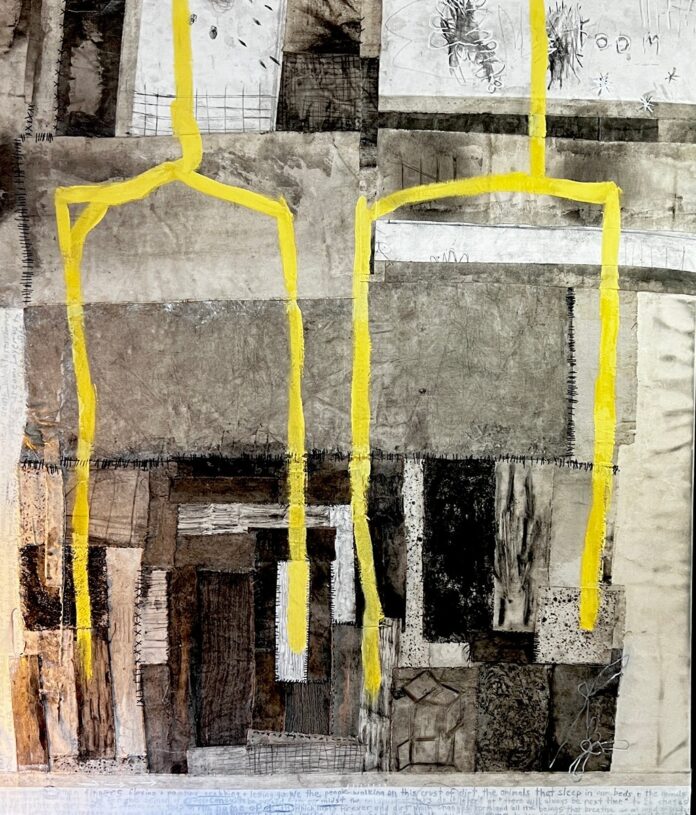
Ledger drawings date to at least the 1860s when they were created by incarcerated Great Plains people using the materials at hand, in this case torn pages from ledger books given to prisoners along with crayons and colored pencils. Contemporary artist, Terran Last Gun’s new show opening on March 7 at Hecho a Mano in Santa Fe, reflects on how he draws from this history while breathing new life into a traditional art form.
Hecho a Mano Opens Terran Last Gun’s Art Show
“My work focuses on color and form, and how they interact with one another,” says Piikani (Blackfeet) citizen and visual artist Terran Last Gun. Last Gun’s work draws on the relationship between color, shape, land, cosmos, cultural narratives, and personal experiences which he calls the “building blocks of my art practice”.


Last Gun explores these intwined relationships in a range of media including printmaking, painting, photography, and ledger drawing.
Using Ledger Art
“Ledger art is very unique to Indigenous people,” Last Gun says. It shows both the artistry and resourcefulness of the people who created it. While much traditional ledger drawing is pictorial and representational, Last Gun’s ledger art is more geometric. But there are strong parallels he says. “I am often pondering how we relate to color and form, both individually and collectively as human beings,” he says.
While his work may appear abstract, it’s based on a powerful visual vocabulary he created by studying the ledger art of his father, Terrance Guardipee, as well as the painted lodges of the people of the Blackfoot Confederacy. He firmly roots symbols of the stars, cosmos, mountains, animals, and the land in his luminous works. He often uses antique ledger sheets for his work, furthering the feeling that he is both looking back in reverence as well as looking forward.
About Terran Last Gun
Born in Montana, Last Gun now lives and works in Santa Fe, New Mexico. He received his A.S. degree from the Blackfeet Community College in 2011, and later studied at the Institute of American Indian Arts where he earned a BFA in Museum Studies and AFA in Studio Arts in 2016.
His show at Hecho a Mano runs through March 31, 2025.
Story by Julia Platt Leonard Photos Courtesy of Terran Last Gun
Rodolphe Louchart, General Manager and Sommelier at The Compound, talks guilty pleasures, a road trip he’d like to make to Chile, and how he loves playing in the dirt.
The Compound in Santa Fe, Where Elegance and Innovation Meet
A true farm-to-table experience, The Compound in Santa Fe continues to build on the rich history of New Mexico with its innovative menu. This restaurant, the brainchild of owner Mark Kiffin, combines a contemporary American culinary outlook with an elegant, distinctive, Southwestern flair. Outside of the incredibly delicious food by Chef Weston Ludeke is their extensive and award-winning wine program, run by sommelier Rodolphe Louchart. Pair your dinner with a choice of nearly 500 selections from various wine regions around the world. The Compound even has biodynamically farmed and natural wines available in accordance with their commitment to farm-to-table dining.
Proust Questionnaire With Rodolphe Louchart From The Compound
White or Red?
Rosé!
What makes for a great evening out when you’re not at work?
Great company.
What is your guilty pleasure?
Skittles
If you weren’t a Sommelier what would you be?
A farmer.
What’s the best drink you’ve ever had?
Chateau Margaux 1985.
If you could visit any winery, anywhere in the world what would it be?