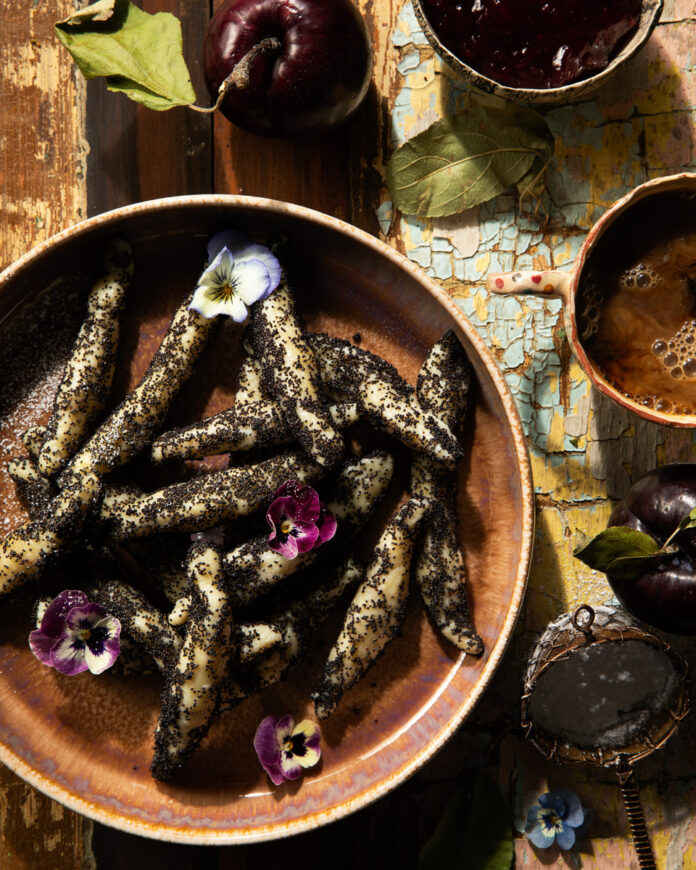
Joseph Koó and Mariam Schwack-Koó live in Burgenland, Austria and run one of the last European businesses to use a traditional technique for printing and dyeing fabric with indigo. They print the fabric – cotton, linen, or silk – using blocks, some of which are 200 years old. Their specialty is double-side resist prints with a different pattern on each side. The printed fabric dries for about five weeks before dyeing, which can take up to four hours depending on the intensity of blue they want. This is their first year at the International Folk Art Market and they’ve generously shared their recipe for Wuzinudeln or also known as Wuzinoodles – a specialty of Burgenland. Find them at IFAM Booth 72, Rooted in Generations Neighborhood.
About Wuzinudeln From the Author
“My grandmother always made this dish for me when I came home from school,” says Joseph Koó of this popular poppy seed noodle dish. “Wuzi” cames from Wuzeln, a dialect language, and means to twist or squeeze. Today’s his wife Mariam makes the dish for their son, who loves it just as much as Joseph did when he was young.
Boil the potatoes, peel them, and press them through a potato ricer.
Mix the potatoes with flour, semolina, egg, melted butter, and salt and knead well.
Form the potato dough into a roll, divide it into about 3 equal pieces and roll it into noodle shapes – about the size of your index finger – with your hands.
Place noodles in simmering salted water.
When the noodles rise, they are done.
Melt butter in a pan. Add the drained noodles to the pan and toss.
Sprinkle with the ground poppy seeds and sugar and serve warm.
Recipe by Joseph Koó and Mariam Schwack-Koó Styling by Anna Franklin Photography by Dave Bryce
International Folk Art Market artist Nanasei Agyemang spends time in Denver and Bolgatanga which is in the upper east region of Ghana. He creates sculptural baskets that are woven with elephant grass by Bolga Woven – a group he created to teach local residents sophisticated techniques of weaving and coloration. The peanut soup with omo tuo he shares is creamy, tasty, and easy to make with homemade rice balls for family or friends. This recipe also has deep meaning for him.
“The dish is very special to me because I remember eating it with my parents and eight brothers on the 26th of December every year,” he says. “The 26th of December is when we traditionally share food among friends and family in the community. I remember the smell of the food always made me anxious but I would never dare to ask my parents when it was time to eat or if I could have a taste. All day I could only think of enjoying the delicious meal with a bottle of Fanta.” You can find Nanasei Agyemang at IFAM Booth 101, in the Innovation Neighborhood.
A nutty and warming soup with homemade rice balls.
Ingredients
Scale
For the peanut soup:
2 lb chicken, lamb, or goat, cubed
2 large tomatoes, whole
2 large onions, roughly chopped
4 garlic cloves, peeled and roughly chopped
A 4 inch long piece of fresh ginger, roughly chopped
1 tbsp of ground paprika or habanero chile powder
10 cups of ground peanuts (can be substituted with smooth peanut butter)
6 oz can of tomato paste
Salt and pepper for taste
Water as needed
For the omo tuo (rice balls):
2 cups of long grain jasmine rice
3½ cups of water
1 tsp of salt
Instructions
For the peanut soup:
Season the meat with salt and pepper to taste.
Blend the tomatoes, onions, garlic, and ginger and set aside.
In a large pot add your meat. Cook with a cup of water for 20 minutes on low with to steam the meat. Add the tomatoes and onion mixture. Cook for 30 minutes or until the meat is tender.
Add the peanut and tomato pastes and stir until well mixed. Reduce the heat and cook for 15 minutes uncovered, then cover and add water to thin the soup and cook for an additional 15 minutes. The oil from the meat and peanut may start to look foamy on the top but this is normal.
Add paprika or any other herbs or spices of your choice.
Cook for another 30 minutes to blend all ingredients. You know when it is ready when it is a clear oil and there is no longer any foam on the top. Taste, adjust the seasoning as needed, and serve hot.
For the omo tuo (rice balls):
Prepare the rice halfway through the cooking of the soup.
Rinse the rice in a colander. Place the washed rice, salt, and water in a pot and bring it to a boil. Cover and turn down the heat and allow the rice to absorb the water. Do not remove the lid until the water has been absorbed. It will take about 15 to 20 minutes.
Once the water has been absorbed, remove the lid and taste to make sure the rice is fully cooked.
Use a wooden spoon to mash the rice against the side of your pot. Using a slightly wet bowl, scoop a quarter of the rice into the bowl. Shake the bowl in a circular motion so the rice forms a round ball. Place the rice ball in an individual serving bowl and pour peanut soup on top. Repeat with the other three servings.
Recipe by Nanasei Agyemang Styling by Anna Franklin Photography by Dave Bryce
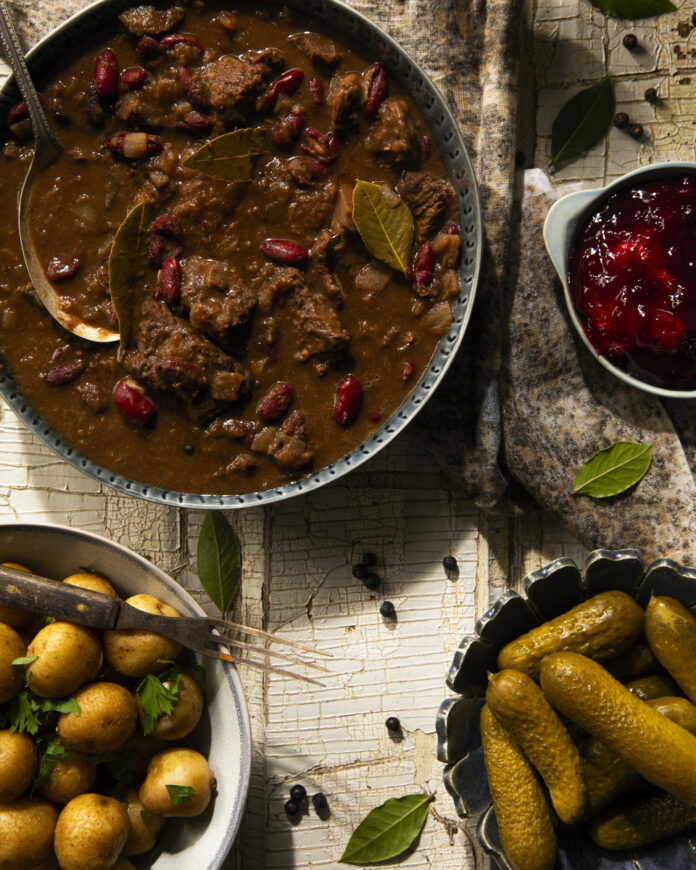
First time International Folk Art Market exhibitor and silver jewelry-maker Ami Avellán is from Sweden but grew up in the countryside on the south coast of Finland. “Jewelry has taken me around the Nordic countries, first through studies and then work. But I frequently go ‘home-home’ as I call it.” Maintaining a closeness to the land is important to her whether it’s mushroom picking in the fall or serving as a dog handler at the hunt. “Handling meat has been a natural thing since childhood. It is important to know where the food comes from and that the animal was living a free and healthy life nearby.” Hence, her dish of choice is Kalops, a Swedish Beef Stew.
A Word on Kalops (Swedish Beef Stew) From Ami Avellán
Kalops (Swedish Beef Stew) is my favorite meat dish and my go-to comfort food, especially during autumn and winter. It takes me home to my mother’s casseroles. Kalops means beef stew in Swedish. This is my version of my mother’s recipe. Use your local game for this dish. It is like with soups and stews in general – it gets better the day after – if there is anything left.
1–2 handful of dried cep, porcini, or boletus edulis
1 (maybe 2, have a taste) vegetable broth cube(s)
6 bay leaves
6 dried juniper berries (optional)
Soy sauce
1 can of kidney beans
Instructions
For the spice mix:
Mix the spices together and grind in either a spice mill or a mortar and pestle.
Place in a small bowl and set aside.
For the beef:
Take the meat out of the fridge and bring to room temperature.
Add a cup of boiling water to the dry spice mix, along with the dried mushroom, bay leaves, 1 vegetable broth cube, juniper berries. Put aside and let it soak.
Clean and cut the meat in squares, 3×3 cm.
Sear the meat in small batches in a hot pan to get a bit of colour on the surface. Transfer the meat to a casserole. Clean the frying pan between each batch by adding a bit of hot water. Bring the water to a boil, then pour into the casserole.
Fry the onion until soft, then add it to the casserole.
Add the mix that has soaked in the teacup. Just about cover the meat with water, put on a lid and let simmer. Adjust your salt by adding some soy sauce. Stir occasionally. It might take a while to get the meat soft.
Remove the lid if you want to reduce the liquid level. Add the beans. If you let the beans cook until they split, the stew gets thicker. If you like your beans whole, you can prepare with a little flour (or cornstarch) at the end before serving.
Open the red wine. Set the table, light the candles and your fireplace, prepare a crunchy salad as a starter. Serve with potato mash made from scratch. Or boiled potatoes.
Serve with blackcurrant jam or lingonberry mash or pickled gherkin, enough time and good company. Enjoy a cozy evening at the fireplace!
Recipe by Ami Avellán Styling by Anna Franklin Photography by Dave Bryce
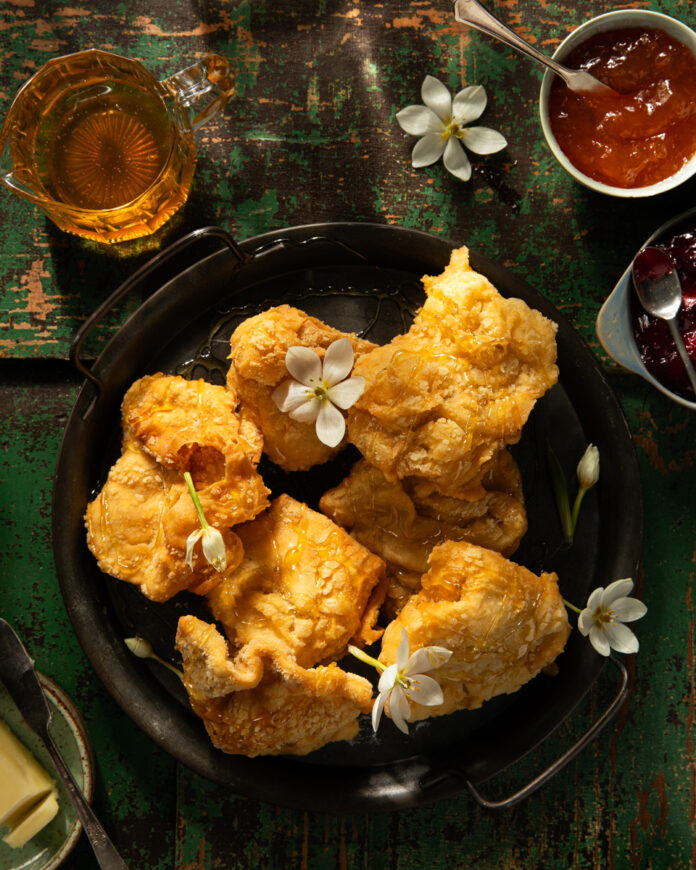
First time IFAM artist Fayne Robinson hails from Woodend, a small township in North Canterbury, New Zealand. You can visit her at the International Folk Art Market in Booth 9, Rooted in Community Neighborhood. She creates jewelry, neck and ear adornments. “We call them ‘taonga’ – treasures,” she says. She shares her recipe for Parāoa Parai or fried bread with us. “It is a staple with any meal,” she says, “a delicious and quick accompaniment that works with savory and sweet,” While it’s an everyday dish, it’s especially at home at large gatherings with family and friends. “Some people make it better than others, but all are memorable.” Her recommendation for recreating it in your kitchen? “Have light hands.”
More onParāoa Parai
For Māori (Polynesian people of New Zealand), accompanying any meal with fried bread is a must. It’s easy, cheap, and a family meal favorite. Measuring ingredients is often done by eye and experience, so Robinson made a point of measuring for this recipe. You will find fried bread like Parāoa Parai at every tribal gathering, whether the occasion is a special meeting, a funeral, or a celebration.
The best accompaniment for soups, stews, and so much more.
Ingredients
Scale
1kg self-rising flour – approximately 7 measured cups + additional flour for rolling out
5 tsp sugar
1 tsp salt
4–5 cups warm to hot water
About 2–3 pints of cooking oil
Serve with butter, jam, maple syrup, or honey
Instructions
Into a large bowl, measure 7 cups flour, and then add the sugar and salt. With your fingers lightly mix the dry ingredients together.
Add the warm-to-hot water, a cup at a time, to create a very wet mix. Don’t over work the dough, just combine gently without kneading it.
Set aside the bowl of wet mixture while you heat the oil.
Pour the cooking oil into a large pot over medium to high heat until it is hot but not smoking. The pot should be at least filled halfway so the dough has room to float. If the oil isn’t hot enough, the dough will soak up too much oil. If the oil is too hot, the outside will be cooked and the dough will be raw in the middle. You can test the oil temperature by sprinkling some flour into the oil, and if it immediately sizzles you are ready to fry.
On a clean work surface generously sprinkle extra flour (up to 2 cups) and tip the bowl so the wet mix slides out onto the flour. Sprinkle more flour over the top of the wet mix.
Using your hands, gently push down so the dough is about an inch deep.
Cut into squares (or triangles, or rectangles, up to you), about 3 x 3 inches each. Portions can be smaller or larger, just adjust the cooking time.
One by one, gently lift each square off the bench with a spatula and lower into the bubbling oil. The oil needs to be deep enough for the dough to float. Only place a few squares into the oil at once, so they have room to float freely. You will see them puff up somewhat as they cook. Resist the urge to frequently turn them over. When they are well-browned on one side, turn them over and let the other side cook. Often they will flip themselves over.
With this first batch, check that your heat is right. When you think it’s cooked, scoop one out and cut it in half to see if it is cooked inside, and you can regulate and judge cooking time for the rest of your breads.
Cook the rest of the portions in batches and drain on paper towels.
These are best served warm, but still delicious cold, cut in half with butter and jam, honey, maple syrup, to your taste.
Special thanks to Nelly Mason of Hokitika, New Zealand for her Parāoa Parai recipe.
Recipe by Fayne Robinson Styling by Anna Franklin Photography by Dave Bryce
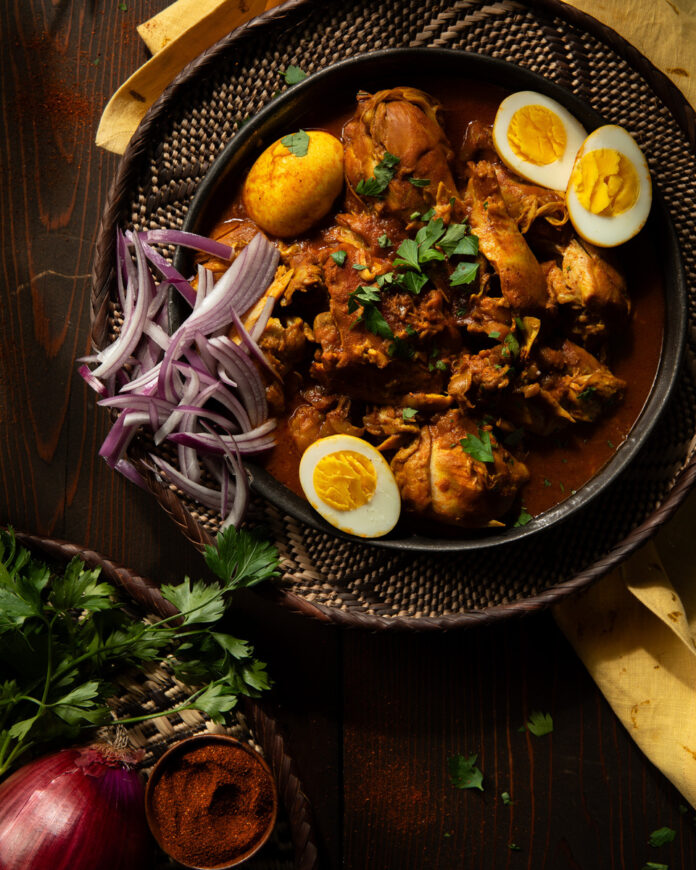
Firew Konjo is a hand-loom textile artist from Ethiopia who has been exhibiting at IFAM (the International Folk Art Market Booth 1, Rooted in Community Neighborhood) since 2023. He has kindly shared his recipe for Doro Wat, a dish deeply rooted in Ethiopian culture and tradition. “Its significance lies not only in its rich flavor but also in its role in Ethiopian social and religious life,” he says. “It is often prepared as part of a feast for major holidays like Christmas and Fasika (Ethiopian Orthodox Easter).” Its complex flavors come from a unique blend of spices including berbere (a spice mix), as well as niter kibbeh (a spiced butter), and hard boiled eggs. “For many Ethiopians, Doro Wat is more than just food – it’s a symbol of hospitality, unity, and tradition.
What is Doro Wat?
This Doro Wat recipe makes a rich, spicy chicken stew that is a centerpiece of many Ethiopian celebrations, especially Ethiopian Orthodox Easter. As with many Ethiopian dishes, it benefits from slow cooking. The more time you give it, the richer and more flavorful the sauce will become. Enjoy making doro wat for a taste of Ethiopian culture and tradition at your table.
A traditional Ethiopian Doro Wat recipe that you can try at home.
Ingredients
Scale
For the chicken:
2½ lb chicken (cut into pieces, bone-in, skin-on, including wings, thighs, drumsticks, and breast)
1 tbsp lemon juice
1 tsp salt
½ tsp ground ginger (optional, for marinating)
For the nitre kibbeh (spiced butter):
1 cup unsalted butter
1 small onion, finely chopped
1 cinnamon stick
3–4 whole cloves
3–4 cardamom pods
1 tsp ground ginger
2 garlic cloves, crushed
2 tsp ground turmeric
1 tbsp chopped fresh basil (optional)
For the doro wat sauce:
3 tbsp Nitre Kibbeh (or regular unsalted butter if you don’t have Nitre Kibbeh – see note)
3 large onions, finely chopped
2 tbsp minced garlic
1 tbsp minced fresh ginger
1 tbsp ground turmeric
3–4 tbsp Berbere (Ethiopian spice mix, adjust for heat preference – see note)
2 tbsp tomato paste
To prepare the chicken:
3 cups chicken broth or water
2 tbsp Kik Wot (or korerima—Ethiopian cardamom – optional for more spice complexity)
2–3 hard-boiled eggs (optional, but a traditional addition to Doro Wat)
Salt, to taste
Injera, Ethiopian flatbread or other flatbread
Instructions
For the chicken:
In a large bowl, combine the chicken pieces with lemon juice, salt, and ground ginger.
Mix well and let it marinate for at least 30 minutes (ideally for 2–3 hours or overnight in the refrigerator).
For the nitre kibbeh (spiced butter):
In a small saucepan, melt the butter over medium heat.
Add the chopped onions, cinnamon stick, cloves, cardamom pods, ginger, and garlic. Stir occasionally, cooking the mixture for about 10–12 minutes until the onions soften and caramelize, giving the butter a rich, aromatic flavor.
Add the turmeric and cook for another 3–5 minutes. Once done, strain the spices if you want to remove them, or leave them in for a more robust flavor. Stir in the fresh basil if using.
Set aside about 3 tablespoons of this Nitre Kibbeh for the sauce, and store the rest for later use.
For the doro wat sauce:
Heat a large pot or Dutch oven over medium heat. Add 3 tbsp of Nitre Kibbeh (or regular butter if using), and heat it until melted.
Add the chopped onions to the pot. Cook the onions slowly, stirring occasionally until they caramelize and soften — this can take about 20–30 minutes. The longer you cook the onions, the richer and deeper the flavor of the sauce will be.
Once the onions are soft and golden brown, add minced garlic, minced ginger, and ground turmeric. Stir the mixture and cook for about 5 minutes.
Stir in the berbere spice mix, and cook for another 5 minutes. The spices should bloom and become fragrant.
Add the tomato paste and continue to cook for another 5–10 minutes until the tomato paste darkens and blends into the sauce.
To prepare the chicken:
Add the marinated chicken pieces to the pot that contains the doro wat sauce. Stir to coat the chicken in the spice mixture.
Add the chicken broth (or water) to the pot. Bring the mixture to a boil and then reduce the heat to low. Cover the pot and let the chicken simmer for 45 minutes to an hour, until the chicken is tender and the flavors have fully developed. Stir occasionally.
If the sauce becomes too thick, add more chicken broth or water to achieve the desired consistency.
While the chicken is cooking, you can prepare the hard-boiled eggs. Boil the eggs, peel them, and set them aside.
About 10–15 minutes before the chicken is fully cooked, gently add the hard-boiled eggs to the pot. Let the eggs simmer in the sauce, soaking up the flavors.
Taste the sauce and adjust the salt or berbere for more spice if necessary.
Once the chicken is cooked and the sauce has thickened, remove the pot from the heat.
Doro wat is traditionally served with injera, the spongy Ethiopian flatbread. To serve, place a few pieces of chicken and a hard-boiled egg on top of a large piece of injera. Pour the rich, spicy sauce over the top.
Let everyone enjoy by using pieces of injera to scoop up the chicken and sauce — Ethiopian meals are often communal, and this is an important part of the tradition.
Notes
The amount of berbere (Ethiopian spice mix) used can vary depending on how spicy you like your doro wat. If you’re sensitive to spice, you can use a smaller amount or substitute it with a milder spice mix.
If you don’t wish to make the nitre kibbeh, you can substitute with regular clarified butter, but the flavor won’t be as aromatic or as rich.
Recipe by Firew Konjo Styling by Anna Franklin Photography by Dave Bryce
As the days grow longer and the sun shines brighter, summer invites us to savor fresh seasonal flavors, embrace outdoor gatherings, and find delicious ways to cool down. Here at TABLE, we’ve gathered the ultimate collection of recipes, tips, and guides to help you make the most of the season. Follow along to mix up innovative salads bursting with vibrant produce, put together no-cook meals that beat the heat, take in expert grilling advice for your cookouts, and learn to mix refreshing sips both boozy and booze-free. Prepare to elevate every aspect of your summer dining and entertaining as well as discover everything you need for a truly unforgettable season.
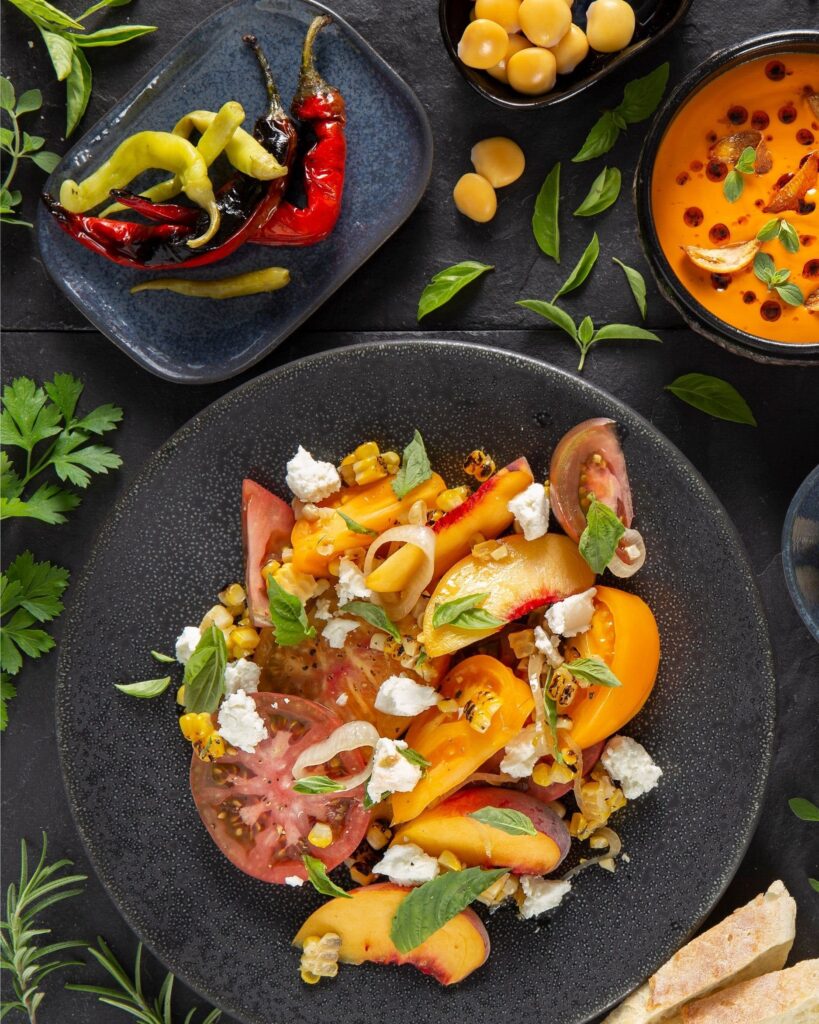
We here at TABLE believe that all salads should go beyond the basics of lettuce and dressing. These summer salad recipes are full of seasonal ingredients that make eating healthy a breeze. Some of our recipe additions include spiral-cut zucchini, peaches, papaya, shishito peppers, corn on the cob, blueberries, kale, and citrus.
Sweet and juicy peaches are one of our favorite summer fruits. Put your next basket of peaches to good use with 16 recipes that range from savory dinners to delectable desserts. Whether you’re looking for a salad, cocktail, pie, pizza, appetizer, or main dish, we’ve got you covered.
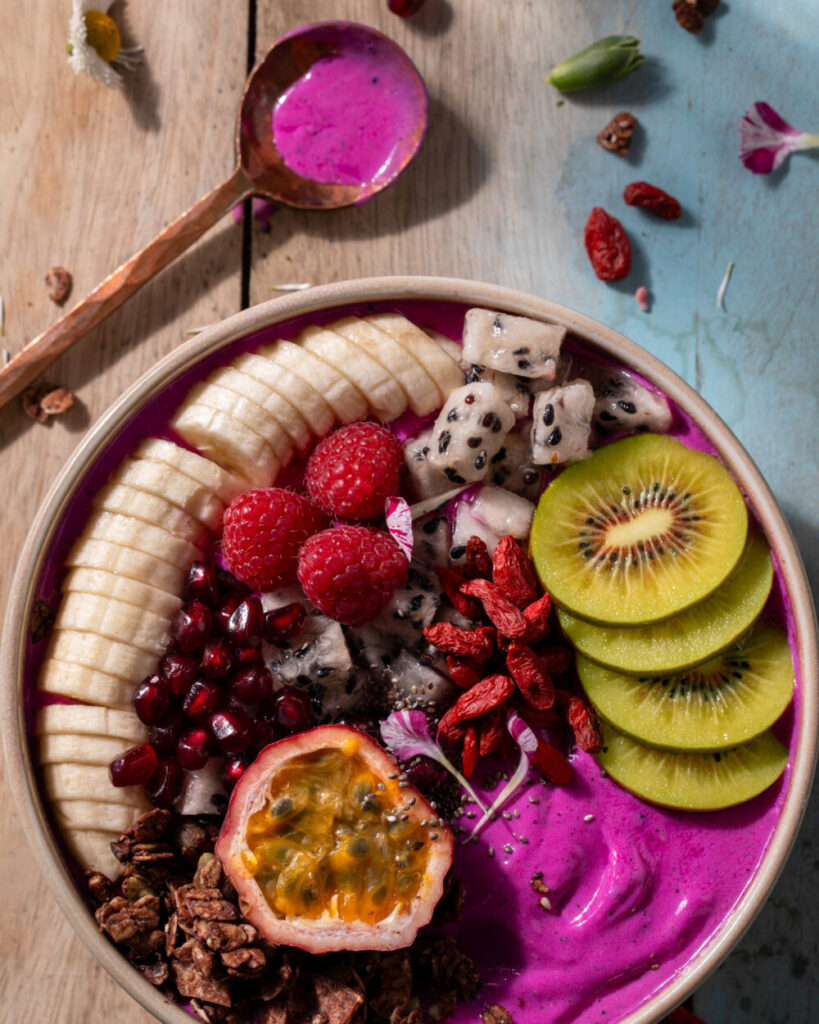
We feel your pain when it’s hot outside and the last thing you want to do is turn the oven on. Thankfully, we have simple, no-cook recipes that turn the heat down while also refreshing your palate. Plus, these recipes go beyond just salads to feature veggie rolls, salmon, sandwiches, and smoothie bowls.
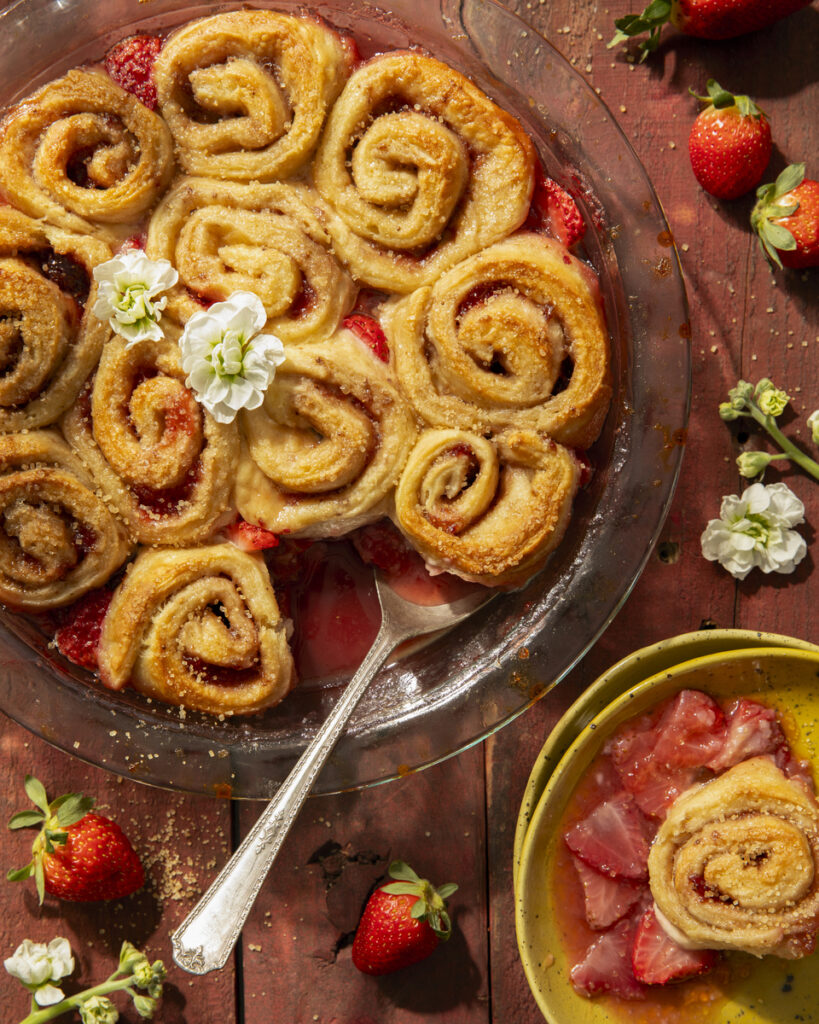
We can’t forget about the little gems that brighten summer in shades of red, blue, and purple. Summer berries get the award-winning James Beard Chef treatment from Cheryl Alters Jamison. Try her recipes for Grilled Chicken Breasts with Blackberry-Herb Sauce, Mixed Berry Stuffed French Toast, and Pinwheel Strawberry Biscuit Pie.
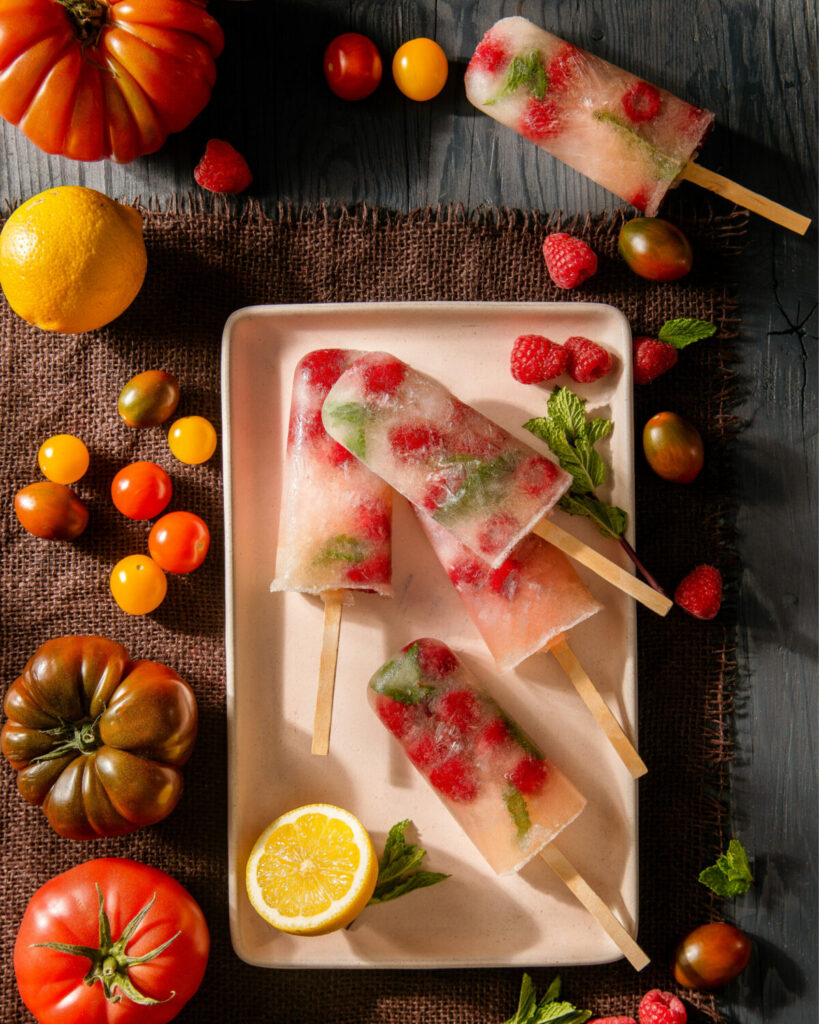
Everyone needs to cool down when temperatures ar reaching upwards of 90 degrees and not a cloud is in the sky. Skip the store bought popsicles this year and refresh yourself the homemade way. We have a variety available from fruity types to sweet and creamy.
In case you can’t make the trip to your local deli or butcher, there are plenty of options online to get the highest quality at the best price. We’ve gathered a list of vendors who carry hot dogs, sausages, burgers, steaks, chicken wings, and even fresh salmon for all your cookout needs.
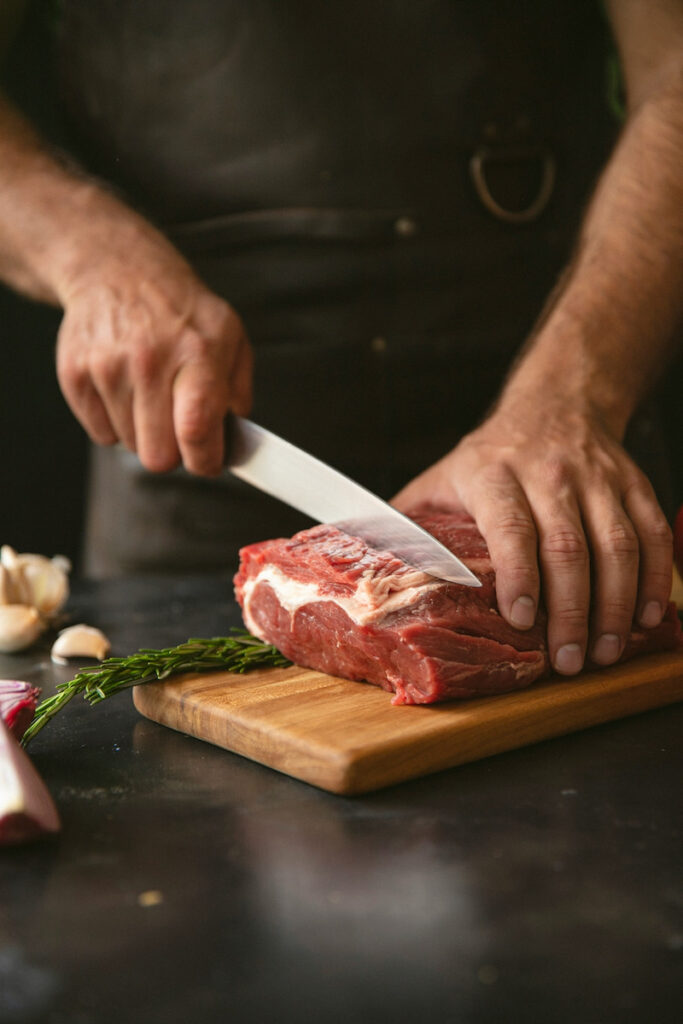
Get that perfect grill every time with these tips from Chef Kevin Hermann. He covers all from choosing your meat to rolling out your patties and beyond.
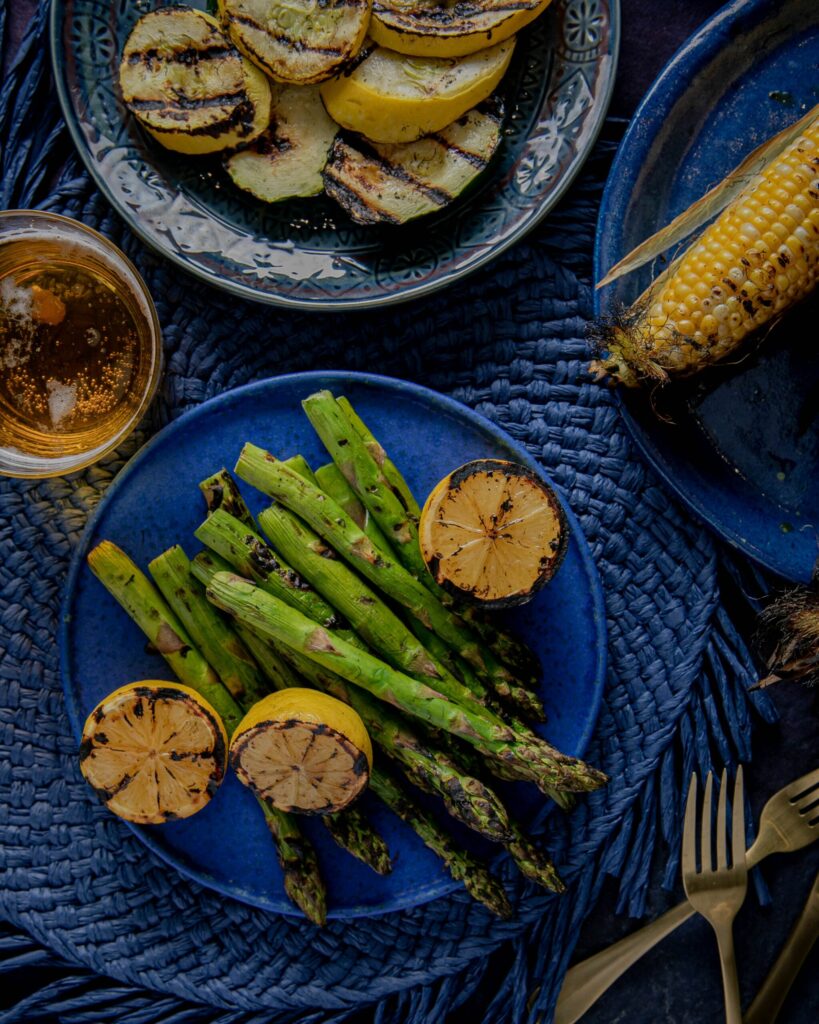
Instead of boiling your corn or veggies, add them to your grill for a bit of smokiness and a crispy crunch. Chef Kevin Hermann even has a tip about adding lemon to your veggies that’ll change your grilling game.
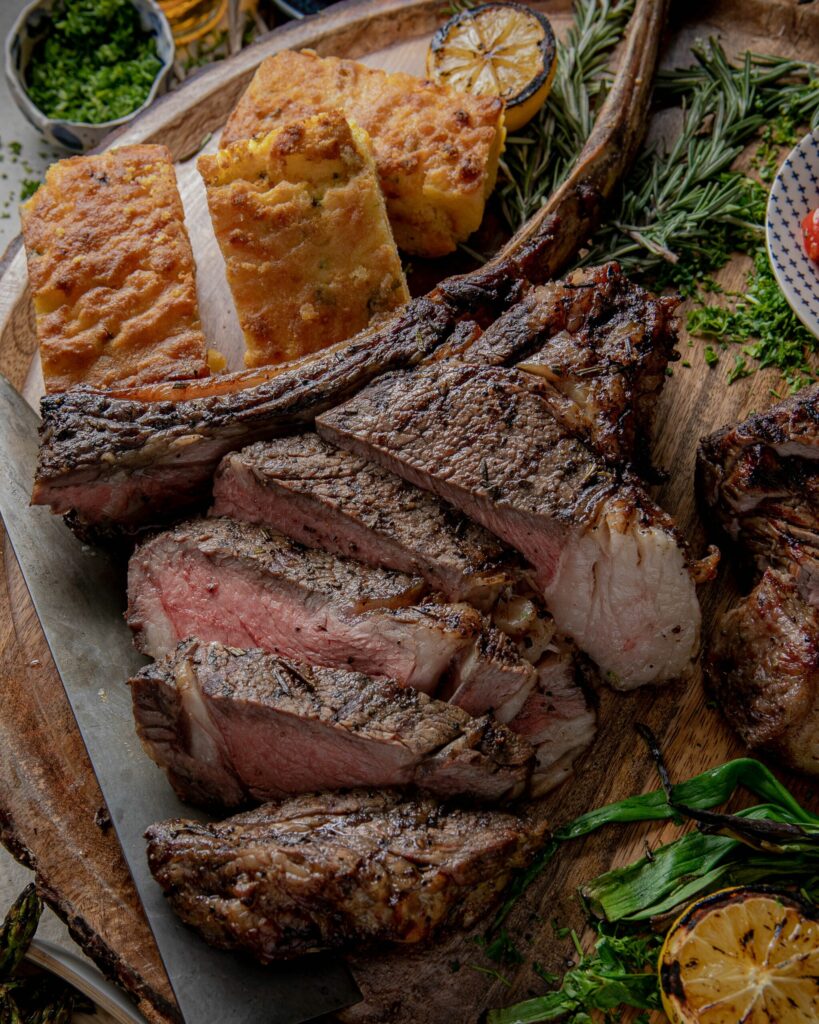
Cooking steaks on the grill can make it tricky to get the right temperature, especially with a large tomahawk steak. But, these grilling tips break down the process, making sure your sear time and rest time line up with your desired doneness.
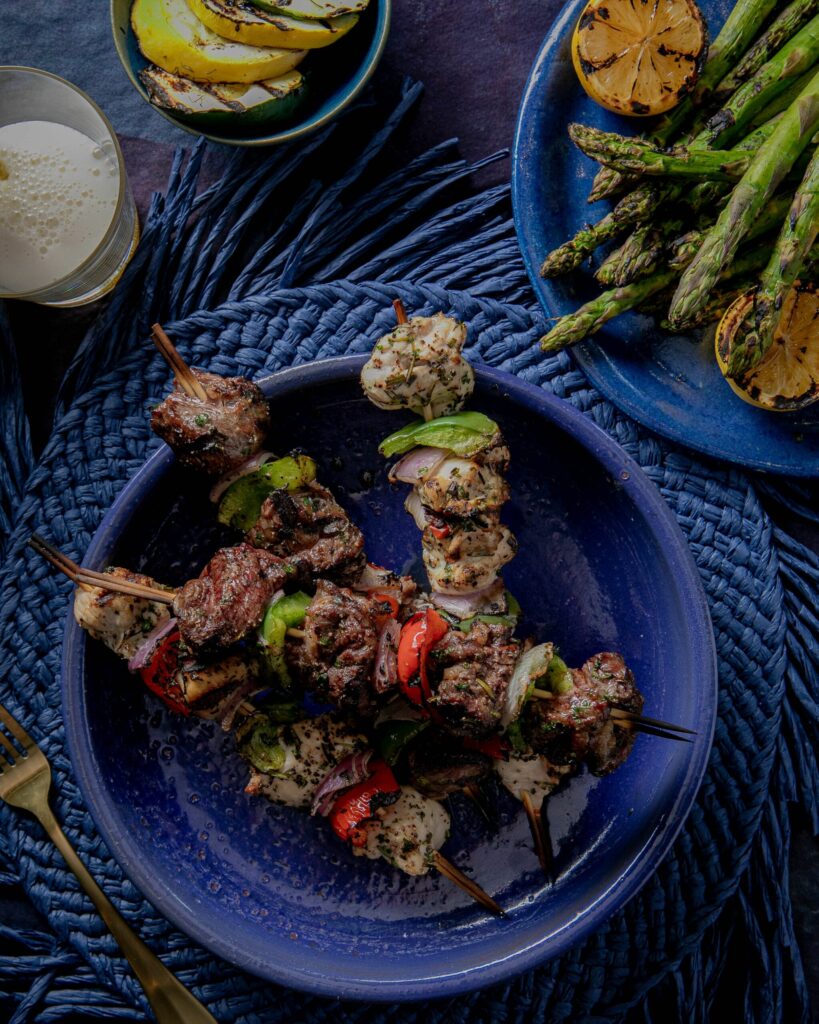
Skewers are the best way to serve a variety of meats and veggies in a simple and appealing way. We’ll teach you what you need to do to prepare the skewers ahead of time and how to get that beautiful char on the outside, all the way down the skewer ingredients.
Champagne, mimosas, spritzes…they all just feel right during the summertimes and cannot exist without wine. Sipping a glass of wine in the summer can be ultra-relaxing. But, there are a few tips you’ll want to stick to so you have the best glass possible. Adam Knoerzer presents us with his do’s and don’ts when it comes to this time of year.
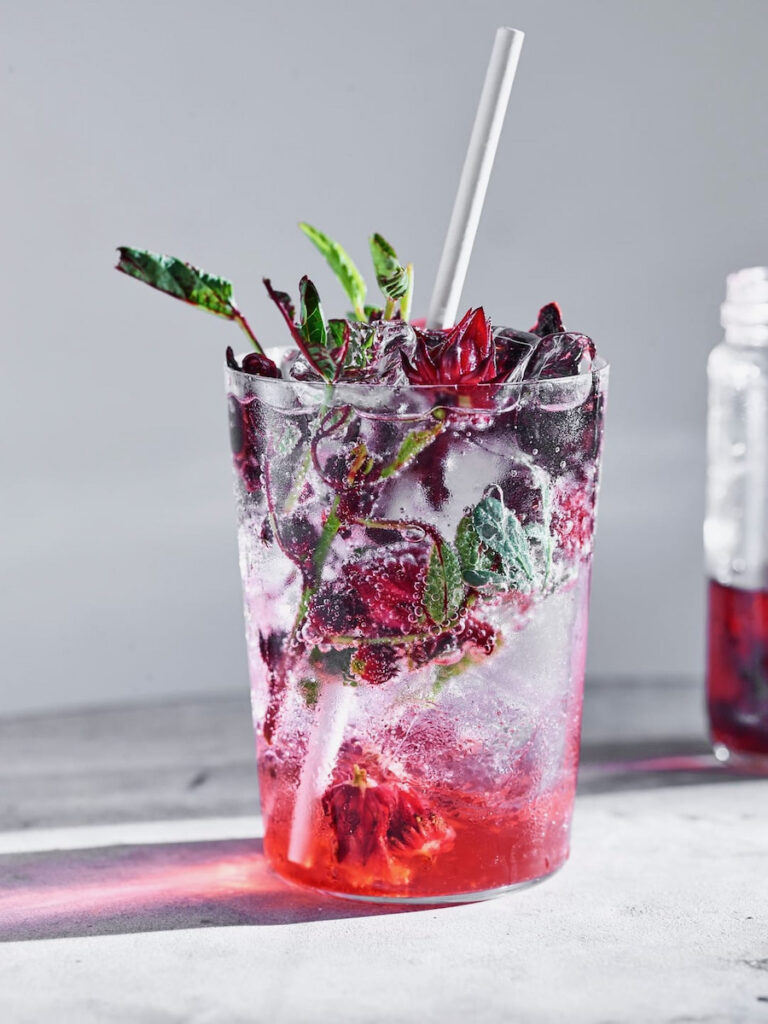
Spritzes are the drink of the summer for their bubbly nature and light sweetness. They’re refreshing in the hot sun and even leave plenty of room for experimentation. Check out our recipes for new variations like a Hibiscus and Mint Spritz, Faux-Ca Cola Spritz, and Absinthe Spritz.
Not into the booze? That’s okay! You can still have a spritzy summer too! We go through the main subjects you need to consider while mixing up your own non-alcoholic spritz. Learn all about choosing NA wines, creating an aperitif, and so much more.
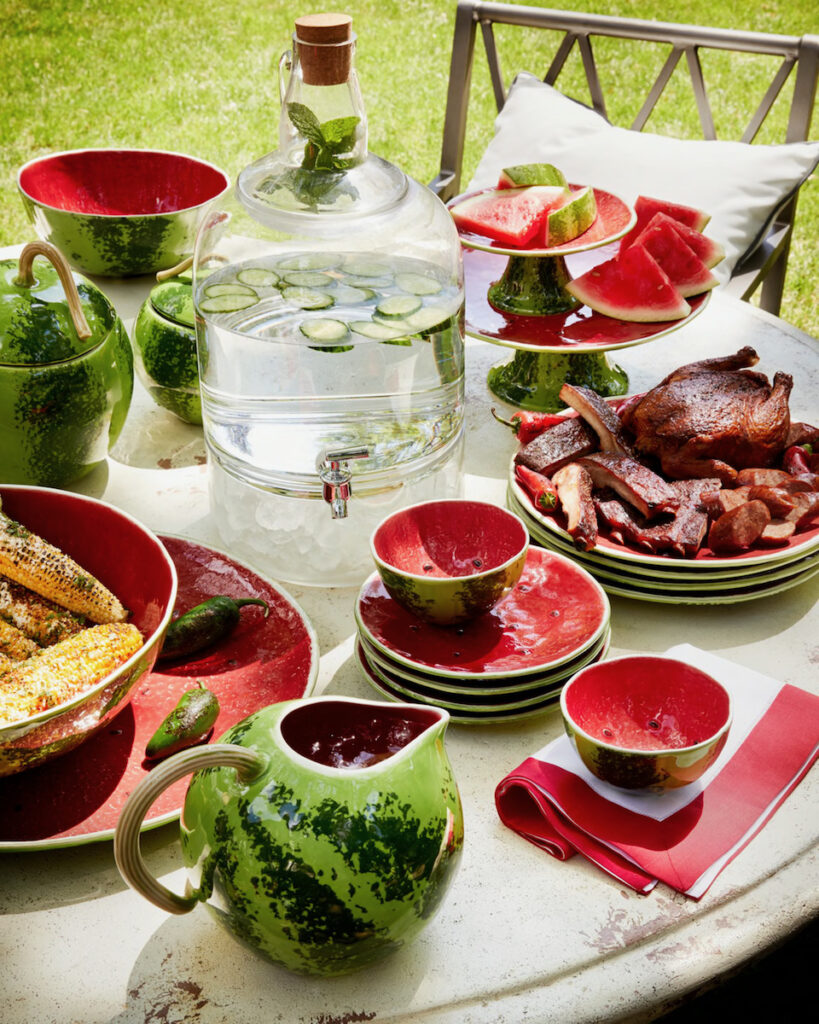
Watermelon picnic-ware is just what you need to perfect your summer meal. It’s bright, colorful plus appealing to kids and adults alike. We even include a few recipes for Watermelon Sandwiches, Watermelon Salad, and a Watermelon No-Jito Mocktail to make use of your purchase.
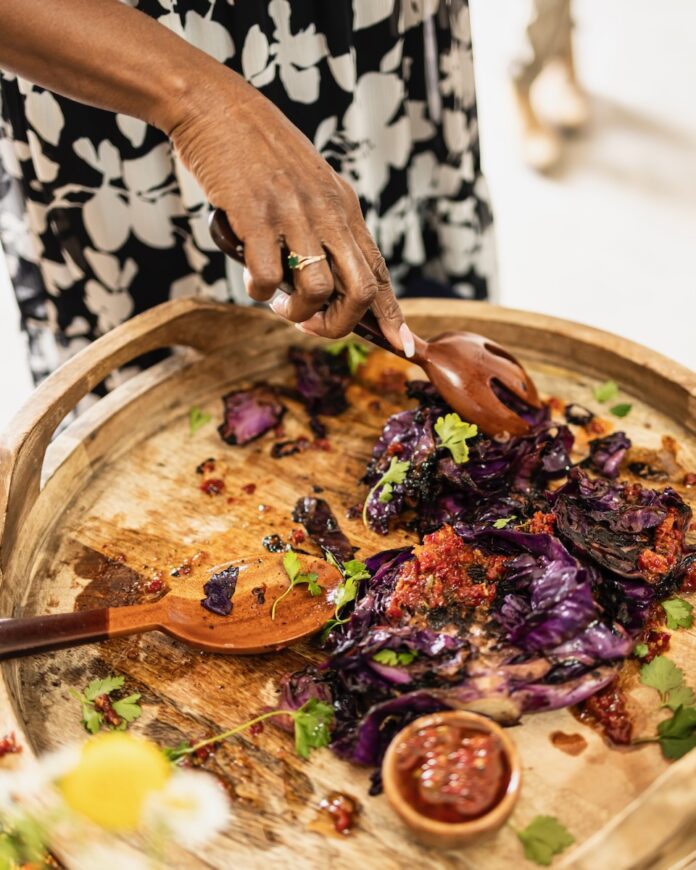
Gregory Gourdet takes red cabbage and makes it into your next go-to side dish with his Charred Red Cabbage recipe. This dish elevates red cabbage from a “sometimes ingredient” to a full-fledged powerhouse. By charring the wedges, he unlocks a world of smoky goodness, creating a caramelized edge that’s both visually stunning and undeniably delicious. But, be sure not to forget the homemade Spiced Tomato Relish. Ditch the bland, store-bought options and embrace juicy tomatoes combined with aromatic spices and a touch of sweetness. This is a side dish that’ll leave you wondering why you ever bought store bought relish in the first place.
What Defines a Relish in Our Charred Red Cabbage?
You might think you know relish but this condiment goes beyond just chopped vegetables. Relish is defined by its finely chopped or diced texture, offering a chunky yet spreadable element that adds pops of texture to any dish. It may sound like a salad but these vegetables in a relish are often pickled in a vinegar or brine. The pickling process not only extends their shelf life but also infuses them with a tangy and sometimes sweet flavor profile. Some relishes might even have a spicy profile added to the tanginess for further versatility like our Spiced Tomato Relish below.
Celebrate Juneteenth with this flavorful and filling recipe!
Ingredients
Scale
2 lb red cabbage (about 1 small head), blemished outer leaves removed
1/3 cup extra-virgin olive oil
2 tsp kosher salt
Small handful of parsley leaves for garnish
For the spiced tomato relish:
2 cups sun-dried tomatoes, finely chopped
½ cup extra-virgin olive oil
2 tsp kosher salt
¼ tsp ground black pepper
15 garlic cloves, thinly sliced
1 large Scotch bonnet chile, stemmed and minced with seeds
2 large shallots, cut into 1/8-inch dice
2 tbsp ginger, peeled and finely chopped
2 tbsp tamari
2 tbsp honey or brown sugar
1 tbsp picked thyme leaves
Zest of 1 lime, thinly grated
Instructions
Adjust the oven rack to the top position and preheat the oven to 450 degrees.
Cut the cabbage through the core into 12 wedges (about 1 ½-inch thick), so the layers in each wedge remain intact.
Evenly drizzle 1 tablespoon of the oil onto a large sheet pan, then arrange the wedges flat on the pan in a single layer. Evenly sprinkle on the salt and drizzle on the remaining oil.
Roast the cabbage on the top rack until the white parts have turned purple, the leaves look soft and supple, and the wedges turn brown at the edges, about 10 minutes.
Remove the cabbage, preheat the oven to the broiler, then broil the cabbage on the top rack until the edges are black and crispy and the insides are tender with a slight bite, about 5 minutes.
Use a spatula to flip each piece, then broil again for 5 minutes more to char the other sides.
Transfer to a serving platter, spoon on the relish, and serve hot or warm. Sprinkle on the parsley just before serving.
For the spiced tomato relish:
Combine the tomatoes, oil, salt, black pepper, garlic, chile, shallots, and ginger in a medium heavy skillet. Set the skillet over medium heat and give it a stir. Wait until the oil gets hot and the aromatics start giving off liquid, causing the mixture to bubble rapidly.
Stirring frequently now, cook until the ingredients have softened and browned a bit at the edges, 8-10 minutes. Stir in the tamari, honey, and thyme and reduce the heat to gently simmer until the liquid is gone and everything is golden brown, shrivelled, and a little chewy, about 5 minutes more.
It’s summer and cocktail sipping is easy in New Mexico. TABLE contributor and skilled mixologist Andrea Duran asked six ace mixologists to shake and share a favorite summertime creation. They obliged with cocktails that will make you hope the lazy-hazy-crazy days of summer will never end.
Sip These Summer Cocktails From New Mexico Bar Menus
You’ll find mixologist Alex Basinger behind the bar at Nob Hill’s Central Bodega, the welcoming, upscale wine and cocktail bar that makes you think a European bistro has landed in Albuquerque. His summer sipper has its roots at Vail’s Root & Flower. Its subtle layering of flavors–a mélange of cassis, mint, cucumber, ginger, and a unique jalapeño vodka–have found their home at Central Bodega. A testament to refreshing innovation, it invites you to savor the unexpected harmony of sweet, cool, and spicy notes.
Step into this stylish bar in Albuquerque’s Hotel Parq Central where expert mixologists craft seasonal cocktails, each a celebration of fresh and local ingredients. The scenic rooftop lounge offers panoramic views so you can cast your eyes to a stunning summer sunset while sipping one of their cocktails, like their perennial favorite, the Tropic Funder. Mixologist Michael Weller’s cocktail bridges the gap between the complex world of amaro and the easygoing vibe of Tiki. The recipe takes inspiration from Underberg – a digestif bitter produced in Germany – and transforms it into a vibrant, summer-ready drink that introduces unfamiliar flavors in a playful and delightful way.
Step into Still Spirits Tasting Room in Albuquerque, a haven for the discerning drinker. They’ve transformed an old industrial building into a vibrant hub of cocktail culture and spirit production. The in-house distillery provides the foundation for an imaginative cocktail menu, showcasing the versatility of their handcrafted spirits. From classic recipes reimagined to bold, experimental concoctions, they’re dedicated to pushing the boundaries of flavor. This Spanish Gin & Tonic continues the sensory journey with a taste of summer, and an invitation to unwind on a warm afternoon.
This casual Santa Fe bistro offers locally sourced dishes, global wines, and a uniquely ‘funky’ cocktail menu that will keep you coming back. And did we mention their killer happy hour? Katie Valdez’s enchanting Unicorn Tears cocktail owes its ethereal hue to a truly unique moment of inspiration. While traveling through Thailand, Dinner for Two’s owner, Andy Barnes, experienced something… otherworldly. Let’s just say a mythical encounter led to a burst of vibrant color, captured perfectly in this magical concoction. We’ll leave the details to your imagination.
Bar Norte is Los Poblanos’ Santa Fe outpost and a destination for sophisticated drinks built around the unique flavors of Los Poblanos Spirits. In his Clear the Fog cocktail, mixologist Swan Mjaares deploys the milk clarification technique. This transforms Los Poblanos Lavender Gin and Earl Grey tea into a smooth, refined quaff. This base is then artfully balanced with light vanilla syrup, orange bitters, and a touch of chamomile, resulting in a cocktail that’s as technically impressive as it is delicious. The combination of Earl Grey tea and milk clarification is a playful and indulgent twist on traditional teatime.
The bar team at this Palace Prime, crafts innovative drinks using premium spirits that perfectly complement the food menu. Enjoy your cocktail in the chic bar/lounge, elegant dining room with its plush booths, or – weather permitting – on the enchanting tree-covered back patio or fully covered front patio. Mixologists Karli Guerrero & Ashley Lynn’s Sugar Cane Supper is perfect for sunny Santa Fe afternoons savored from a shady spot. Refreshingly low-ABV, it’s built on the bright, grassy notes of Mexican sugar cane Rhum, creating a light yet satisfying experience.
Story by Andrea Duran Styling by Anna Franklin Photography by Laura Petrilla
Bar Norte is Los Poblanos’ Santa Fe outpost. It’s a destination for sophisticated drinks and the unique botanical flavors of Los Poblanos Spirits. In his Clear the Fog cocktail, mixologist Swan Mjaares deploys the milk clarification technique to transform Los Poblanos Lavender Gin and Earl Grey tea into a smooth, refined quaff. This base artfully balances light vanilla syrup, orange bitters, and touch of chamomile. The cocktail is as technically impressive as it is delicious. The combination of Earl Grey tea and milk clarification is a playful and indulgent twist on teatime traditions. When you make it at home, perhaps some elegant slices of focaccia tartine sandwiches are in order!
How to Make a Clarified Milk Cocktail
To milk clarify a cocktail, you slowly pour the cocktail into milk and let it sit. The milk curdles, separating the solid particles from the liquid. Once strained, probably more than once, the cocktail will be completely clear once finished but retain the original flavors. The LP Lavender Gin is infused with Earl Grey Tea bags until optimum flavor has been reached and then clarified to create a stunning clear cocktail.
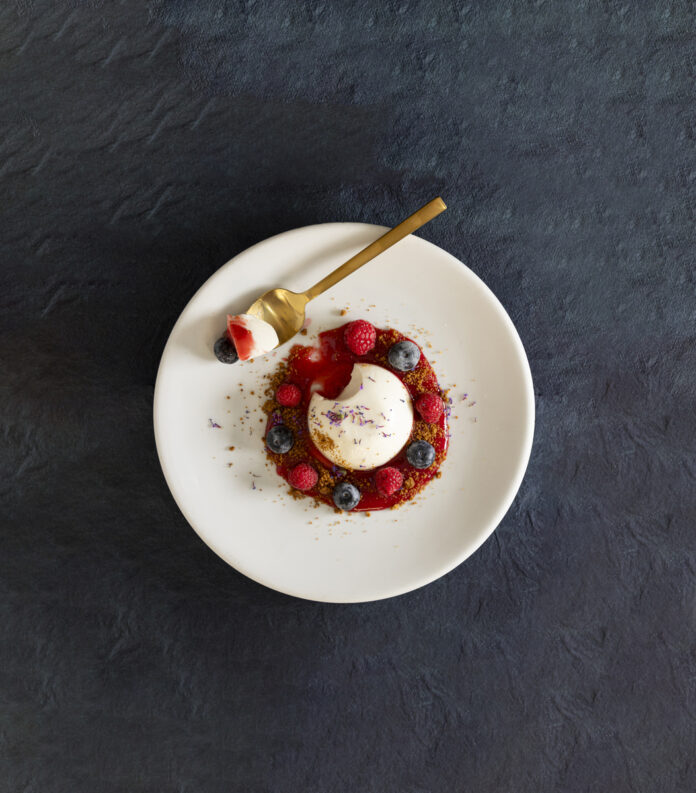
Panna cotta – that classic Italian dessert made with cream thickened with gelatin – is welcome any time of the year. But summer is when it sings, since it’s a way to calm your sweet tooth without overwhelming your palate. It’s creamy yet light. Plus, when you add a hint of lemon and a jumble of berries you’ve got a joyous riot of summertime on a plate. Chef David Sellers kindly shares his Buttermilk and Vanilla Panna Cotta with Raspberry Coulis and Graham Crumble recipe for your summer dining pleasure.
Why Panna Cotta?
Panna cotta is a bit of soothing culinary magic. It’s decadent while not being too much. It calms the palate at the end of a meal, even as it shimmers alluringly across the tongue with its own virtues. It seems fitting that Horno’s chef-owner, David Sellers, quiet in tone and far from prolix, is a big fan. He adds a squeeze of lemon and plenty of berries. This turns the subtlety into a burst of flavors that represent the summer season. Without losing its original charms. Or its cool. Thank you, chef!
A treat that is just sweet enough for those hot summer days.
Ingredients
Scale
For the panna cotta:
2 tbsp water
3 sheets unflavored gelatin or 3 tsp powdered
1 cup whipping cream
½ cup sugar
2 cups buttermilk
2 tbsp high quality vanilla paste
1 tsp finely grated lemon peel
For the coulis:
9 oz raspberries
1 cup sugar
White wine to cover
For the crumble:
1 cup graham crumbs
2 tbsp maple syrup
Pinch cinnamon
2 oz melted butter
Instructions
For the panna cotta:
Heat cream, lemon peel and sugar in a medium saucepan stirring constantly until the sugar dissolves.
Soften gelatin in warm water and add to mixture. Cool mixture to lukewarm, stirring often. Stir in buttermilk and vanilla.
Divide mixture among six ramekins sprayed with non-stick spray. Refrigerate until set, at least 4 hours.
Turn out panna cottas by running a paring knife around the edge of the ramekin and pulling out gently. Garnish with the coulis and the crumble. Also garnish with your favorite combination of fresh berries.
For the coulis:
Add all ingredients to small saucepan with just enough white wine to cover. Cook over medium heat until thickened.
Remove from the heat and strain, pushing the solids with the back of a rubber spatula or spoon until all the liquid is extracted. Discard the seeds.
Set the coulis aside.
For the crumble:
Preheat oven to 350 degrees.
Combine ingredients, place on a small baking tray, and bake until toasted, about 10-15 minutes.
Recipe by David Sellers, Chef/Owner Horno Restaurant Photography by Tira Howard