Home Blog Page 32

Bruschetta with Crushed Peas and Smoked Salmon

0
A white plate holds a pea puree bruschetta with smoked salmon on top as a green plate off to the side holds a small bowl of the pea purree.

Whenever the warm weather comes peeking through, this Bruschetta with Crushed Peas and Smoked Salmon is what you’ll want handy. Here’s a lovely little tidbit dressed in green, pink, and white. The hints of dill, lemon, and olive oil really elevate the peas without masking their simple sweetness. The smoked salmon adds a delicious counterpoint to this easy-to-make dish. If you pair these bruschetta with Gruet’s sparkling Brut Rosé and a fresh farmers’ market salad, you have a lovely warm weather dinner.

Why Blanch the Peas for This Bruschetta?

There are two main reasons why we choose to blanch peas in this Bruschetta with Crushed Peas and Smoked Salmon recipe. The first is to preserve their vibrant green color. The process of blanching (cooking vegetables in boiling water before immediately plunging them into cold water) helps them retain the same color you see prior to cooking. The second reason to blanch your peas is to keep a firm texture and natural flavor when in the food processor. Rather than letting your peas turn into a mushy mess, blanching prior makes sure it all blends nicely since it hydrates the starch in them.

Print
clock clock iconcutlery cutlery iconflag flag iconfolder folder iconinstagram instagram iconpinterest pinterest iconfacebook facebook iconprint print iconsquares squares iconheart heart iconheart solid heart solid icon
A white plate holds a pea puree bruschetta with smoked salmon on top as a green plate off to the side holds a small bowl of the pea purree.

Bruschetta with Crushed Peas and Smoked Salmon


  • Author: Cheryl Alters Jamison
  • Yield: About 18 Bruschetta 1x

Description

Bites full of nutritious sweet green peas and savory smoked salmon.


Ingredients

Scale
  • Water
  • 2 cups peas
  • 1 tbsp extra-virgin olive oil
  • 1 tbsp minced fresh dill
  • Minced zest of 1 small lemon and 1 to 2 tsp lemon juice
  • Salt and white pepper
  • 1 baguette, sliced into rounds about 1/3 inch thick, toasted
  • 2 to 3 oz cold-smoked salmon or nova, sliced in strips about ½ inch thick
  • Tiny fresh dill sprigs


Instructions

  1. Prepare a large bowl about half full of icy cold water and reserve it.
  2. Heat a saucepan with about 1 quart of water over high heat. Add the peas and blanch 1 minute. Drain and transfer peas to the bowl of cold water, adding a handful of ice cubes to it at the same time.
  3. When cool, drain the peas and transfer them to a food processor. Add the oil, dill, lemon zest and 1 teaspoon of lemon juice. Puree with a few pulses, but leave some texture. Add salt and white pepper to taste, and more lemon juice if needed to balance the flavor.
  4. Mound about 1 generous rounded tablespoon of the pea mixture on each baguette slice. Roll the salmon slices into curlicues and place one or 2 on top of each bruschetta. Top with a dill sprig and serve right away.

Story and Recipe by Cheryl Alters Jamison
Styling by Julia Platt Leonard
Photography by Tira Howard

Subscribe to TABLE Magazine’s print edition.

Chilled Pea Soup with Mint

0
A white bowl holds a Chilled Pea Soup with radish and mint garnishes as a bowl of peas sits off to the right.

Cool soups usher in the warm months ahead and this Chilled Pea Soup with Mint is here to get you through the season. The mint mates well with the peas, as well as reinforces the soup’s striking emerald color that’ll catch anyone’s eye. This recipe is the perfect prepare-ahead starter for spring lunch or dinner. Plus, it’s full of nutrients due to the fiber, vitamin A, and vitamin K within peas.

What’s the Difference Between Sugar Snap Peas and Shelled Peas

Sugar snap peas and shelled peas start to differ when looking at their flavor and texture. Shelled peas usually have a tender, sweet inside. They carry a pure, fresh flavor and soft or yielding texture. Sugar snap peas on the other hand come in a crisp, almost crunchy pod with a slightly sweeter, more vibrant flavor than shelled peas. Once you pop out the sugar snap peas, the tender sweetness immediately sets them apart. Their contrast makes them a great pair for this soup but you can always stick to one or the other as well.

Print
clock clock iconcutlery cutlery iconflag flag iconfolder folder iconinstagram instagram iconpinterest pinterest iconfacebook facebook iconprint print iconsquares squares iconheart heart iconheart solid heart solid icon
A white bowl holds a Chilled Pea Soup with radish and mint garnishes as a bowl of peas sits off to the right.

Chilled Pea Soup with Mint


  • Author: Cheryl Alters Jamison
  • Yield: Serves 4-6 1x

Description

Chilled soup under a bright and shining sun is the best way to welcome spring.


Ingredients

Scale
  • 1 tbsp unsalted butter
  • 3 to 4 green onions, chopped with all white and unwilted green parts
  • 1 lb sugar snap peas in the pod, tipped and stringed, or 2 cups shelled peas, fresh or frozen, or a combination
  • 3 cups vegetable stock or water
  • 1 cup plain full-fat Greek yogurt
  • 2 tbsp minced fresh mint
  • Salt and white pepper
  • 4 long mild radishes, such as French Breakfast radishes, thinly sliced lengthwise, to garnish
  • Fresh mint sprigs or pea shoots or both, to garnish


Instructions

  1. Melt the butter in a medium saucepan over medium heat. Stir in the green onions and sauté just until wilted, about 2 minutes. Add the peas and continue cooking until they just begin to wilt, a couple of additional minutes.
  2. Pour in the stock, cover, and cook until the peas are tender, 5 to 10 additional minutes, depending on whether the peas are in the pod or shelled. Nibble on one to check if done.
  3. Cool the mixture for at least 5 minutes, then spoon it into a blender and add the yogurt and mint. Cover the blender firmly and puree until very smooth.
  4. Refrigerate the soup for at least 30 minutes and up to several hours, covered. (The soup remains tasty later but the verdant green color begins to fade.) Season with salt and white pepper.
  5. Serve chilled, adding dashes of cold water if the soup doesn’t spoon easily. Add curlicues of radish along with mint sprigs or pea tendrils, or both, and serve.

Story and Recipe by Cheryl Alters Jamison
Styling by Julia Platt Leonard
Photography by Tira Howard

Subscribe to TABLE Magazine’s print edition.

Celebrate Spring With These Pea Recipes

0
A white plate holds a pea puree bruschetta with smoked salmon on top as a green plate off to the side holds a small bowl of the pea purree.

Sugar snaps, snow peas, English peas popped from their pods — these little green wonders confirm that spring finally has sprung. Celebrate the season with these fresh ideas for pea recipes from multiple James Beard Award-winning cookbook author Cheryl Alters Jamison.

Celebrate Spring With These Pea Recipes

Chilled Pea Soup with Mint

A white bowl holds a Chilled Pea Soup with radish and mint garnishes as a bowl of peas sits off to the right.

Cool soups usher in the warm months ahead. The mint accent mates well with peas, even as it reinforces the soup’s striking emerald color. A perfect prepare-ahead starter for spring lunch or dinner.

Bruschetta with Crushed Peas and Smoked Salmon

A white plate holds a pea puree bruschetta with smoked salmon on top as a green plate off to the side holds a small bowl of the pea purree.

Here’s a lovely little tidbit dressed in green, pink, and white. The hints of dill, lemon, and olive oil really elevate the peas without masking their simple sweetness. The smoked salmon adds a delicious counterpoint to this easy-to-make dish. If you pair these bruschetta with Gruet’s sparkling Brut Rosé and a fresh farmer’s market salad, you have a lovely warm weather dinner.

Pea Salad with Greens, Strawberries, and Mint Vinaigrette

A giant platter of pea salad with strawberries, pickled veggies, and peas sits on a table beside a small bowl of dressing and a blue plate with vegetables on it.

This salad’s a toss-up of bright tastes and textures. Some of the vegetables — the peas in pods, in particular — get a light pickling, which adds more interest to the final sweet and savory dish. Should some diced carrot, zucchini, or bell pepper make their way into the pickling … you may find some bespoke nuances you’ll want to keep in your pocket for future occasions.

Green Goddess Pea, Bacon, and Cheddar Salad

A white bowl holds butter lettuce leaves with plenty of peas, cheddar cheese, and bacon. Off to the bottom right corner sits a bowl of green goddess dressing.

Here’s a hearty salad that makes a great side with the season’s first grilled steaks, chicken, or burgers. This updates an American classic, which typically tosses the vegetable mixture with mayonnaise and not much else. Substituting an herb-filled green goddess dressing heralds spring and adds more flavor nuances to the salad.

Pasta Primavera

In a large steel pot sits a Pea Pasta Primavera with peas and other ingredients surrounding the pot on a white table.

Manhattan’s legendary Le Cirque restaurant invented this dish back in the mid-1970s. It’s refreshingly retro, both elegant and easy to assemble, at least after you lightly cook the vegetables, which can be done ahead. A chilled Viognier or Sancerre would pair well with this delicious pasta. Invite some friends over.

Story and Recipes by Cheryl Alters Jamison
Food Styling by Keith Recker
Photography by Tira Howard

Subscribe to TABLE Magazine’s print edition.

Authentic Empanaditas

0
Several golden brown empanadas on a rustic metal baking sheet, with one broken open to show the filling.
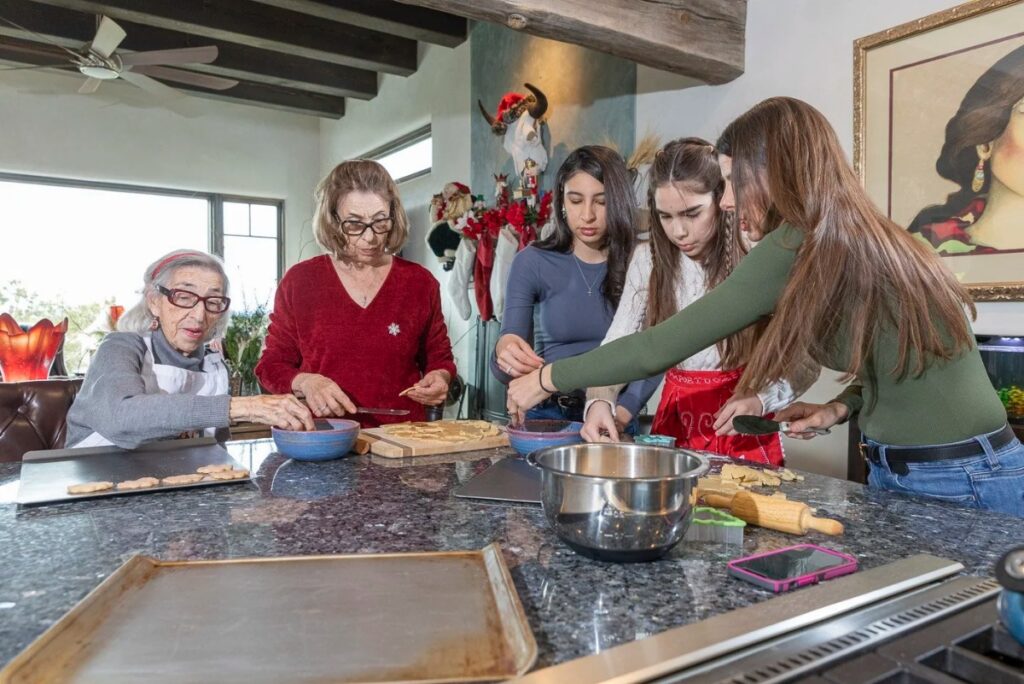
Five generations of the Martinez family gathered together to share their Christmas traditions with TABLE Magazine.

Empanaditas are a cherished part of New Mexico’s food traditions, often made for holidays, family gatherings, and special celebrations. These small hand pies combine a tender, golden dough with a rich filling that blends savory meats, sweet raisins, applesauce, and warm spices. This authentic New Mexico empanaditas recipe, shared by Theresa Martinez and her family, shows how generations have enjoyed these pastries as both a treat and a tradition.

Irresistible Empanaditas

What makes empanaditas so unique is their balance of flavors. The filling mixes pork roast and cow tongue with cinnamon, cloves, coriander, and piñon nuts, creating a taste that is both sweet and savory. Wrapped in a soft yeast dough and fried until crisp, these little empanadas are a perfect example of how New Mexican cooking brings together Spanish, Indigenous, and Southwestern influences in one delicious bite.

Whether you serve them at Christmas, during fiestas, or simply as a homemade snack, empanaditas are a recipe that connects families to their roots. With simple ingredients and step-by-step instructions, you can bring the flavors of New Mexico into your own kitchen and share these traditional pastries with the people you love most.

Print
clock clock iconcutlery cutlery iconflag flag iconfolder folder iconinstagram instagram iconpinterest pinterest iconfacebook facebook iconprint print iconsquares squares iconheart heart iconheart solid heart solid icon
Several golden brown empanadas on a rustic metal baking sheet, with one broken open to show the filling.

Authentic Empanaditas


  • Author: Theresa Martinez

Description

This recipe for New Mexico empanaditas features a sweet and savory filling made with tender meats, raisins, applesauce, spices, and piñon nuts. The mixture is wrapped in a light yeast dough, folded into small pockets, and deep‑fried until golden brown.


Ingredients

Scale

For the filling:

  • 1 lb cow tongue and pork roast, cooked
  • 1 1/2 cup raisins
  • 2 cups applesauce or jam
  • 1 cup of sugar
  • 1 tsp ground coriander
  • 1/2 tsp cloves
  • 1 tsp cinnamon
  • 1/2 cup shelled piñon
  • 1 tsp salt

For the dough:

  • 2 packages yeast
  • 1 qt evaporated milk
  • 3 tbsp melted Crisco
  • 3 handfuls of Crisco
  • 3 tsp salt
  • Sugar
  • 2 cups flour


Instructions

For the filling:

  1. Grind meat and add raisins, applesauce, sugar, spices, and nuts. It should be moist in consistency.
  2. If mixture seems too dry, add a little meat stock.

For the dough:

  1. Soak yeast in warm water. Heat milk, add Crisco, salt, and sugar to it. Cool to lukewarm and add dissolved yeast add enough flour to make a medium dough.
  2. Do not let rise. Roll out dough approximately 1/8-inch thick.
  3. Cut with biscuit cutter, if the dough rises after the biscuits are cut roll them thin.
  4. Place 1 1/2 teaspoon of minced meat in center of rolled dough, fold and pinch together. Deep-fry until brown.
Four generations of women from the Martinez family, gathered in a kitchen around a large island, making cookies and tamales.

The Martinez family in the kitchen together.

Story and Photography by Gabriella Marks
Styling by Robert Nachman
Food by Theresa Martinez and family

Subscribe to TABLE Magazine’s print edition.

All Hearts Cocktail

0
Glasses of a red cocktail garnished with a blood orange slice, surrounded by strawberries, oranges, and mandarin orange slices on a white surface.

What makes a cocktail as delicious as the heart you put into making it? Your choice of vodka has a lot to do with it. “I only use the heart of each run of Boyd & Blair. The flavor from the hearts is delicious and super-concentrated, but the tails smell like a musty dishrag and provide the bite that is experienced when drinking certain vodkas. Most distillers include some amount of tails in an effort to produce more yield. The amount of tails that are added to the final product greatly impact the final flavor profile. I never include any tails in Boyd & Blair, only the hearts.” – Barry Young, co-founder and Master Distiller of Pennsylvania Pure Distilleries.

All Hearts Cocktail Recipe

Print
clock clock iconcutlery cutlery iconflag flag iconfolder folder iconinstagram instagram iconpinterest pinterest iconfacebook facebook iconprint print iconsquares squares iconheart heart iconheart solid heart solid icon
Glasses of a red cocktail garnished with a blood orange slice, surrounded by strawberries, oranges, and mandarin orange slices on a white surface.

All Hearts Cocktail


  • Author: Justin Matase

Description

This bright and refreshing drink combines vodka, strawberry puree, and lemon juice, shaken with ice and topped with bubbly Prosecco. Smooth and fruit‑forward, it highlights the pure “hearts” of the vodka for a clean, elegant flavor.


Ingredients

Scale
  • 1 oz vodka
  • 1 oz strawberry puree
  • 1/2 oz lemon juice
  • Prosecco


Instructions

  1. Mix vodka, strawberry puree, and lemon juice in a cocktail shaker filled with ice and shake well.
  2. Strain into a champagne flute and top with Prosecco.

Recipe by Justin Matase
Photography by Dave Bryce

Subscribe to TABLE Magazine’s print edition.

Persian Noodle Soup

0
A Persian Noodle Soup sits in a brown bowl on a blue picnic table with three smaller bowls and plates of Persian food sitting around the soup.

Our Persian Noodle Soup by Chef Palak Patel is a vibrant recipe that blends hearty beans, fragrant herbs, and tender greens into a delicious broth. Cannellini and navy beans start the creamy base, while herbs and spices like dried mint, turmeric, and saffron add bold, earthy notes. Chef Palak Patel continues building this dish with sautéed onions, spinach, kale, parsley, and scallions. Finish it all off with fettuccine or bucatini noodles, a dollop of yogurt, and saffron for a mix of fresh, tangy, and a hint of bitterness. If you’re looking to learn more about Persian cuisine, the textures and flavors in this Persian Noodle Soup are a great start to informing yourself on culinary traditions.

What’s Different About a Persian Noodle Soup?

Persian Noodle Soup or Ash Reshteh (which Persians eat for Nowruz, the Persian New Year) sets itself apart from other noodle soups through a combination of ingredients that embody Persian culinary traditions. Unlike soups that prioritize meat or simple vegetables, this recipe prioritizes legumes, such as beans and lentils. These ingredients also contribute to its hearty texture and nutritional richness. Then, an abundance of fresh herbs including parsley and cilantro is essential to building the base of this soup. Plus, the inclusion of saffron, a staple in Persian cooking, adds richness and slight golden hue.

Print
clock clock iconcutlery cutlery iconflag flag iconfolder folder iconinstagram instagram iconpinterest pinterest iconfacebook facebook iconprint print iconsquares squares iconheart heart iconheart solid heart solid icon
A Persian Noodle Soup sits in a brown bowl on a blue picnic table with three smaller bowls and plates of Persian food sitting around the soup.

Persian Noodle Soup


  • Author: Palak Patel
  • Yield: Serves 4

Description

Not only is this soup fulfilling, it’s a great way to incorporate fresh produce into your life.


Ingredients

Scale
  • 1 can cannellini beans, rinsed
  • 1 cup navy beans, rinsed
  • ½ cup grapeseed oil, divided (¼ cup)
  • ¼ cup dried mint
  • ½ tsp ground turmeric
  • ½ medium yellow onion, thinly sliced
  • Saffron threads soaked in 2 tbsp hot water, additional for garnish
  • 3 cups vegetable stock
  • 3 cups (8 ounces) spinach, chopped
  • 2 cups baby kale
  • 1 cup parsley, finely chopped
  • 2 scallions, chopped, separate green and white parts
  • Kosher salt and freshly ground black pepper, to taste
  • 8 oz dried pasta fettuccine or bucatini
  • Yogurt, for garnish


Instructions

  1. Heat a small saucepan over medium heat. Add half the oil (¼ cup) and swirl to coat the bottom of the pan. Stir in the dried mint and remove from the heat. Set aside.
  2. In a medium skillet, heat the remaining ¼ cup of oil over medium-high heat. Add the turmeric, onions and white parts of scallions and cook until softened and golden, 10 to 12 minutes.
  3. Add saffron water and threads, reserving a few for garnish into the vegetable stock, add cannellini beans, navy beans, and scallions, return to a light simmer.
  4. Meanwhile, bring a large pot of salted water to a boil. Add the dried pasta and cook until al dente, 8-10 minutes. Drain the pasta and add to the soup. Turn the heat to medium and cook a few minutes until pasta is completely cooked. Add spinach, kale, and scallion until slightly wilted. Stir in 1 tablespoon of the mint oil and season with kosher salt and freshly ground pepper. Remove from heat and add parsley.
  5. Adjust the seasoning as needed, then divide between bowls. Garnish with the yogurt, mint oil, and remaining saffron water and threads, then serve.

Dive Into More Nowruz, Navrus and Holi Recipes

Beef Short Rib Plov for Navruz

Kuku Sabzi for Nowruz

Thandai, A Traditional Holi Drink

Persian Jeweled Rice

Persian Lamb and Kidney Bean Stew

Kachori Fritters

Red Snapper and Green Split Pea Salad for Nowruz

Recipe by Palak Patel
Styling by Ana Kelly
Photography by Adam Milliron

Subscribe to TABLE Magazine’s print edition.

Beef Short Rib Plov for Navruz

0
A beef short rib plov for navrus sits in a big dish with rice, beef short rib, and boiled eggs cut in half.

Navruz, the most treasured holiday in Uzbekistan, is a time to celebrate the return of sunshine, flowers, fruits, and vegetables, and good living. During seven decades of Soviet domination, celebrations were banned because Navruz was considered too archaic. Restored in 1990, the holiday celebrates the day and night being equal and marks the start of a new year. Festive tables are abundant with fresh bread, plov, and countless side dishes. 

Chef Palak Patel shares her Beef Short Rib Plov so that we can celebrate Navruz at home with the family.

What is a Plov?

While the name might not ring a bell, we promise you have actually had this dish before. Plov is a version of the vast range of rice pilafs made across Central Asia and the Middle East. It’s the national dish of Uzbekistan. Its fragrant, long-grain rice cooks in a broth with a variety of ingredients like meat, carrots, onions, and an array of spices such as cumin and coriander. The process involves first sautéeing the meat and vegetables, then adding the rice and broth, which you simmer until the rice absorbs the liquid and becomes tender.

Print
clock clock iconcutlery cutlery iconflag flag iconfolder folder iconinstagram instagram iconpinterest pinterest iconfacebook facebook iconprint print iconsquares squares iconheart heart iconheart solid heart solid icon
A beef short rib plov for navrus sits in a big dish with rice, beef short rib, and boiled eggs cut in half.

Beef Short Rib Plov for Navruz


  • Author: Palak Patel
  • Yield: Serves 6

Description

A warm, savory, and comforting rice dish featuring tender beef short rib.


Ingredients

Scale
  • 6 pieces beef short rib
  • 2 tsp smoked paprika
  • 1 tsp nutmeg
  • 2 tsp coriander powder
  • 1 tbsp cumin powder
  • ½ tbsp turmeric
  • 1 tsp cardamom pods
  • 1 tbsp beef bouillon
  • 2 bay leaves
  • 2 cups basmati rice
  • ¼ cup oil, additional for oil for sautéing
  • 1 onion, finely chopped
  • 2 large carrots, sliced
  • 2 cloves garlic, minced
  • 1 whole garlic, cut sideways in half
  • 46 cups water
  • Kosher salt
  • Freshly ground pepper
  • ¼ cup parsley, chopped
  • 3 large eggs


Instructions

  1. Preheat oven to 350 degrees.
  2. Gently add eggs to a pot of hot water for 6 minutes. Remove and cool under cold water. Set aside.
  3. Rinse basmati rice under cold water 5-10 times to remove starch and the water runs clear. Add rice to a large bowl cover with water and set aside.
  4. Season short ribs generously with kosher salt and freshly ground pepper.
  5. Heat a 12 inch wide Dutch oven on high heat, add half the oil and turn the heat down to medium-high. Place 3 short ribs and sear short ribs on all sides and set aside. Continue for the remaining three pieces.
  6. Reduce heat and add one tablespoon of oil to caramelized Dutch oven with chopped onions, minced garlic, beef bouillon, paprika, nutmeg, coriander powder, cumin powder, turmeric, cardamom pods, bay leaves, and 4 cups of water. Stir to dissolve bouillon completely.
  7. Layer the short ribs evenly across the Dutch oven. Cover with a lid and place in the oven and cook for an hour and half or until beef is fork-tender. Remove ribs gently, place in a bowl and cover.
  8. Spoon out any extra oil pooled on the top, add rice and carrots and add with 2 cups of water season with salt and freshly ground pepper.
  9. Place short ribs on top to evenly spread over rice. Lay cut side half garlic pieces inside the rice.
  10. Cover the lid and reduce to low cook for 15-20 minutes, until rice is cooked and fluffy. Turn off the heat and let it stand for 5 minutes before serving.
  11. Peel and slice eggs in half. Place on top of rice.
  12. Garnish with parsley.

Dive Into More Nowruz, Navrus and Holi Recipes

Persian Noodle Soup

Kuku Sabzi for Nowruz

Thandai, A Traditional Holi Drink

Persian Jeweled Rice

Persian Lamb and Kidney Bean Stew

Kachori Fritters

Red Snapper and Green Split Pea Salad for Nowruz

Recipe by Palak Patel
Styling by Ana Kelly
Photography by Adam Milliron

Subscribe to TABLE Magazine’s print edition.

Kuku Sabzi for Nowruz

0
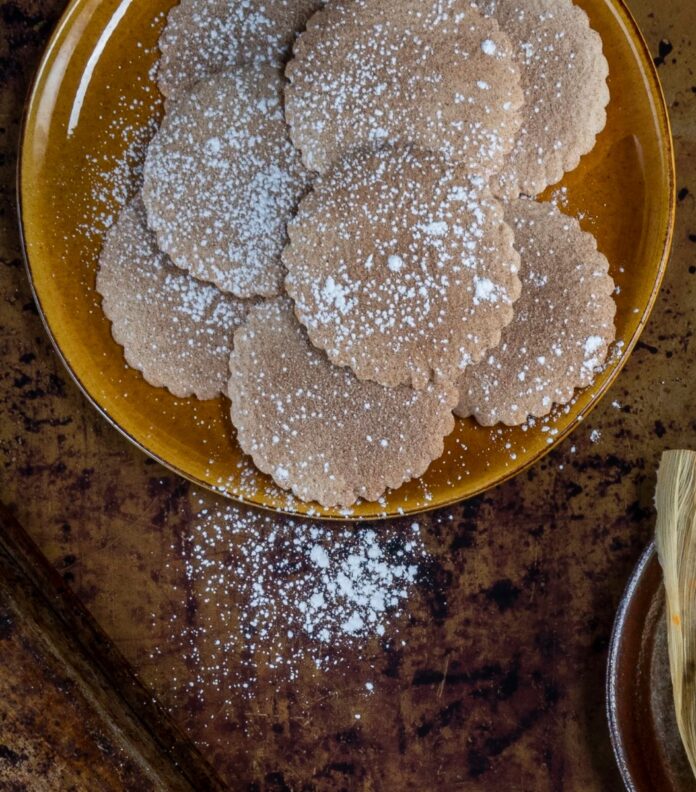
A plate of Kuku Sabzi, an Iranian frittata for Nowruz.

Nowruz, the Iranian (or Persian) New Year, means “new day” in Farsi. It’s humankind’s most ancient celebration; Nowruz is approximately 4000 years old, older than Easter, Holi, or Ramadan. Food plays an important role in this holiday because of the fresh, green ingredients that begin to peek out of the ground in Persia, signaling winter’s end. This kuku sabzi is an herbed omelet that’s perfect for the traditional midday family gatherings typical of Nowruz. It would make a wonderful brunch entrée any time of the year.

What Do People Eat for Nowruz?

In addition to kuku sabzi, other popular recipes shared with TABLE readers by Chef Palak Patel include; ghormeh sabzi – a lamb and kidney bean stewash-e-reshteh, Persian New Year’s soup with beans, noodles, and herbs; Persian jeweled rice; and whole-roasted whitefish with a tangy tamarind sauce served on a bed of green lentils. Nowruz is also a popular time to eat sabzi khordan, an herb platter including mint, basil, and Persian cress. Nowruz is 13 days long, and families typically have huge picnics on the final day where they eat dishes like this one.

Print
clock clock iconcutlery cutlery iconflag flag iconfolder folder iconinstagram instagram iconpinterest pinterest iconfacebook facebook iconprint print iconsquares squares iconheart heart iconheart solid heart solid icon
A plate of Kuku Sabzi, an Iranian frittata for Nowruz.

Kuku Sabzi for Nowruz


  • Author: Palak Patel

Description
A delicious meal to celebrate the new year!


Ingredients

Scale
  • 5 tbsp vegetable oil, divided
  • 2 large shallots, finely chopped
  • 1 garlic clove, minced
  • 1 medium leek, white and pale-green parts only, finely chopped
  • 8 large eggs
  • 1½ tsp kosher salt
  • 1 tsp baking powder
  • 1 tsp freshly ground black pepper
  • ¼ tsp crushed red pepper
  • ½ tsp ground turmeric
  • ¼ cup tarragon leaves
  • 1 cup finely chopped cilantro
  • 1 cup finely chopped dill
  • 1 cup finely chopped parsley


Instructions

  1. Heat 2 tablespoon oil in a 10″ skillet over medium. Cook shallot, garlic, and leek, stirring occasionally, until very soft but not brown, 10–12 minutes. Transfer to a plate and let cool. Wipeout skillet; set aside.
  2. In a large bowl, whisk eggs, kosher salt, baking powder, black pepper, turmeric, and crushed red pepper. Gently fold in cooled shallot mixture, add herbs: cilantro, dill, tarragon, and parsley.
  3. Turn broiler on to high and adjust the rack to top.
  4. In a large skillet, heat the remaining oil over medium. Carefully pour in egg mixture; spread evenly across the pan with a spatula. Using a lid to cover and cook the frittata until it is set on the sides and the bottom, approximately, 8–10 minutes. Remove the lid and place under broil, until the top is set, setting oven timer to 1 minute.
  5. Once it’s cooled slightly and easy to handle, use a large and invert onto a large serving plate.

Dive Into More Nowruz, Navrus and Holi Recipes

Beef Short Rib Plov for Navruz

Persian Noodle Soup

Thandai, A Traditional Holi Drink

Persian Jeweled Rice

Persian Lamb and Kidney Bean Stew

Kachori Fritters

Red Snapper and Green Split Pea Salad for Nowruz

Recipe by Palak Patel
Styling by Ana Kelly
Photography by Adam Milliron

Subscribe to TABLE Magazine‘s print edition.

Persian Jeweled Rice

0
Persian Jeweled rice at a festive Nowruz table, served with chutney and lamb.

This recipe from Chef Palak Patel is part of a series where we delved into springtime traditions from around the world. Persian Jeweled Rice is a dish for Nowruz, a spring celebration that acts as a sort of “new years” in Central Asia. Doesn’t it make more sense to start the new year when the flowers are blooming rather than in the dead of winter? This rice is easy to make and is a great base for a platter of all kinds of decadent Nowruz foods, including Chef Palak’s Persian Lamb and Kidney Bean Stew.
What to Serve with Persian Jeweled Rice

Persian Lamb and Kidney Bean Stew is a great combination with this jeweled rice dish. You can also add a mint and cilantro chutney as a sauce on the side. Or, combine it with some other regional sauces and spices if you have a personal favorite.

Print
clock clock iconcutlery cutlery iconflag flag iconfolder folder iconinstagram instagram iconpinterest pinterest iconfacebook facebook iconprint print iconsquares squares iconheart heart iconheart solid heart solid icon
Persian Jeweled rice at a festive Nowruz table, served with chutney and lamb.

Persian Jeweled Rice


  • Author: Palak Patel

Description

A simple recipe that connects you to a long history!


Ingredients

Scale
  • 2 cups aged basmati rice
  • 1/4 cup slivered almonds
  • 1/4 cup pistachios
  • Kosher salt
  • 2 medium carrots, peeled, cut into matchstick-size pieces
  • 2 tbsp dried tart cherries
  • 1/4 cup dried currants
  • 1/4 cup Persian green raisins
  • ¼ cup dried apricots, chopped
  • 1/4 tsp saffron threads, crushed and soaked in ¼ cup hot water
  • 3 tbsp unsalted butter
  • 4 tbsp olive oil, divided
  • 1 large onion, thinly sliced
  • ¼ tsp ground cinnamon
  • ¼ tsp ground cardamom
  • ¼ tsp ground black pepper
  • ¼ tsp ground turmeric
  • 1 tsp ground cumin


Instructions

  1. Preheat the oven to 350°. Place almonds and pistachios on separate baking sheets and toast until golden brown, 5–8 minutes; let cool. Set nuts aside.
  2. Using a fine-mesh sieve and rinse rice under cold water until water runs clear. Soak rice in cold water for 1 hour up to 24 hours. Drain through a fine-mesh sieve.
  3. In a large pasta pot, add water and bring to a rolling boil, season with salt and gently add rice making sure to not break the grains. Cook rice stirring occasionally until grains have lengthened but are still firm. Drain and rinse under cold water. Spread rice in a thin layer on a baking sheet to cool.
  4. Combine tart cherries, currants and green raisins in a small bowl and cover with hot water; let them soak for 10 minutes. Drain and set aside.
  5. Place saffron in another small bowl and add 1/4 cup hot water; set aside.
  6. Heat butter and 1 tablespoon oil in a large skillet over medium heat. Add onion slices and carrot sticks, season with salt, and cook, stirring often, until soft and beginning to brown. Add spices and 1 tablespoon saffron mixture. Cook, stirring constantly, until fragrant.
  7. Reduce heat to low, add soaked cherries, currants raisins, and apricots and cook, stirring often. Stir in reserved nuts, season with kosher salt. Remove from heat and keep aside.
  8. Heat remaining 3 tablespoons of oil in a large wide heavy pot over medium heat. Add half of rice, spreading evenly; add fruit and half of the nut mixture in a thin layer, then remaining rice, spreading evenly.
  9. Using a spoon, create circular holes in the rice mixture for steam to escape. Drizzle remaining saffron mixture over rice. Place a clean kitchen towel over the pot, fit the lid over the pot. Be sure no steam can escape.
  10. Cook on medium high heat there is steam, 5–8 minutes. Reduce heat to very low or move the pot to a smaller burner and cook without stirring until the rice is tender and the bottom layer of rice is browned, about 20 minutes.
  11. Spoon rice into a serving plate and sprinkle with the remaining toasted nuts.

Dive Into More Nowruz, Navrus and Holi Recipes

Beef Short Rib Plov for Navruz

Persian Noodle Soup

Kuku Sabzi for Nowruz

Thandai, A Traditional Holi Drink

Persian Lamb and Kidney Bean Stew

Kachori Fritters

Red Snapper and Green Split Pea Salad for Nowruz

Recipe by Palak Patel
Styling by Ana Kelly
Photography by Adam Milliron

Subscribe to TABLE Magazine‘s print edition.

Persian Lamb and Kidney Bean Stew

0
Persian lamb stew for Nowruz, staged with other sides on a light brown table.

Chef Palak Patel researched the spring festivals of India, Iran and Uzbekistan to develop recipes celebrating warm weather. These are some of the most ancient celebrations of humankind, marking the ancient new year…aka the start of spring.

Nowruz in Iran is a time when families prepare hearty and joyful dishes to enjoy together. This Persian Lamb and Kidney Bean Stew is one example of how people celebrate the return of good weather. The dishes are abundant, full of flavor, and very satisfying. Serve this with Persian Jeweled Rice for a bountiful Nowruz spread.

What is Nowruz?

Nowruz is an ancient celebration in the Caucasus, Central Asia, and South Asian regions, all of which have influences from ancient Peria. Nowruz’s roots are in Zoroastrianism, a religion that predates the Abrahamic faiths. It’s a holy day for Baha’i and Shia Muslims, but is often a secular holiday families use to gather together and celebrate what they’re grateful for. One way to celebrate gratitude is through a stew, where all different ingredients come together to make a delicious whole. This Persian Lamb and Kidney Bean Stew is shareable with as many people as you’d like to invite over, celebrating how warmer weather often precipitates togetherness.

Print
clock clock iconcutlery cutlery iconflag flag iconfolder folder iconinstagram instagram iconpinterest pinterest iconfacebook facebook iconprint print iconsquares squares iconheart heart iconheart solid heart solid icon
Persian lamb stew for Nowruz, staged with other sides on a light brown table.

Persian Lamb and Kidney Bean Stew


  • Author: Palak Patel

Description

A hearty stew to share for Nowruz.


Ingredients

Scale
  • 3 lamb shanks (about 34 lb total)
  • ¼ cup grapeseed oil or canola
  • 2 medium onions, thinly sliced
  • 3 large carrots, peeled, cut into 1/4-inch-thick rounds
  • 4 garlic cloves, minced
  • 4 dried Omani limes, punctured with a sharp knife
  • ¼ tsp saffron threads
  • 1 tsp ground turmeric
  • 1, 750 ml bottle dry red wine
  • 1, 28 oz can diced tomatoes with juices
  • 1, 14 1/2 oz can low-sodium chicken broth
  • 1, 14 1/2 oz can low-sodium beef broth
  • 3 cans kidney beans, rinsed
  • Kosher salt to taste
  • Freshly ground black pepper
  • 5 tsp chopped fresh rosemary
  • 2 tsp chopped fresh thyme
  • 2 tsp grated lemon peel


Instructions

  1. Sprinkle shanks with kosher salt and fresh pepper. Working in batches, heat two tablespoons of oil in a heavy large pot over medium-high heat. Add shanks to the pot and cook until brown on all sides, about 8 minutes. Transfer shanks to a bowl and rest.
  2. In an extra-large dutch oven, add onions, carrots, and garlic to the pot and sauté until golden, about 10 minutes. Add remaining ingredients. Return shanks to pot, pressing down to submerge. Bring liquids to boil. Reduce heat to medium-low. Cover; simmer until meat is tender, about 1 ½ hour.
  3. Remove the lid and simmer until meat is very tender, about an hour longer.
  4. Transfer shanks to platter; tent with foil. Boil juices in a pot until thickened, about 15 minutes. Season with salt and pepper. Spoon over shanks.

Dive Into More Nowruz, Navrus and Holi Recipes

Beef Short Rib Plov for Navruz

Persian Noodle Soup

Kuku Sabzi for Nowruz

Thandai, A Traditional Holi Drink

Persian Jeweled Rice

Kachori Fritters

Red Snapper and Green Split Pea Salad for Nowruz

Recipe by Palak Patel
Styling by Ana Kelly
Photography by Adam Milliron

Subscribe to TABLE Magazine‘s print edition.

Create a free account, or log in.

Gain access to read this article, plus limited free content.

Yes! I would like to receive new content and updates.