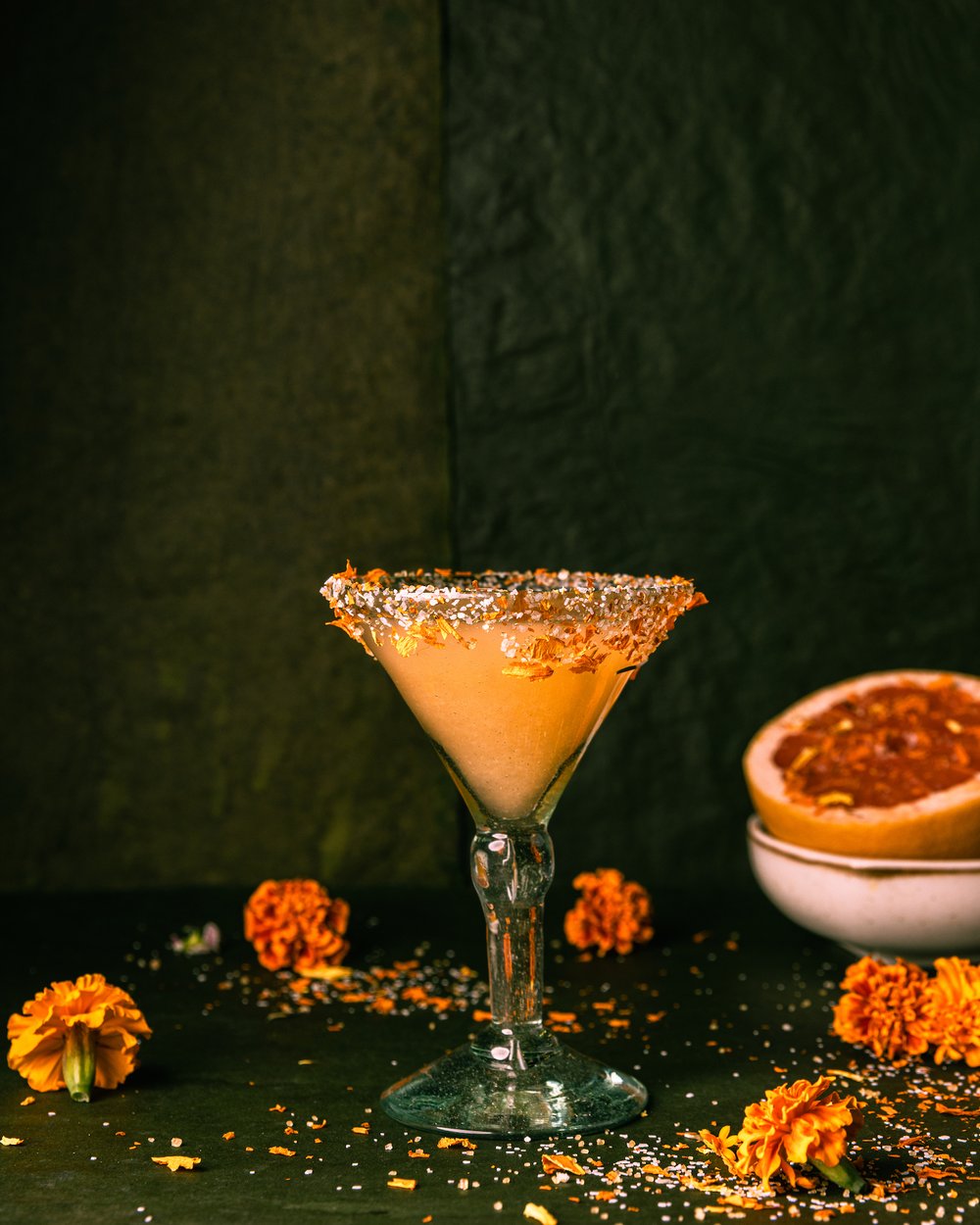
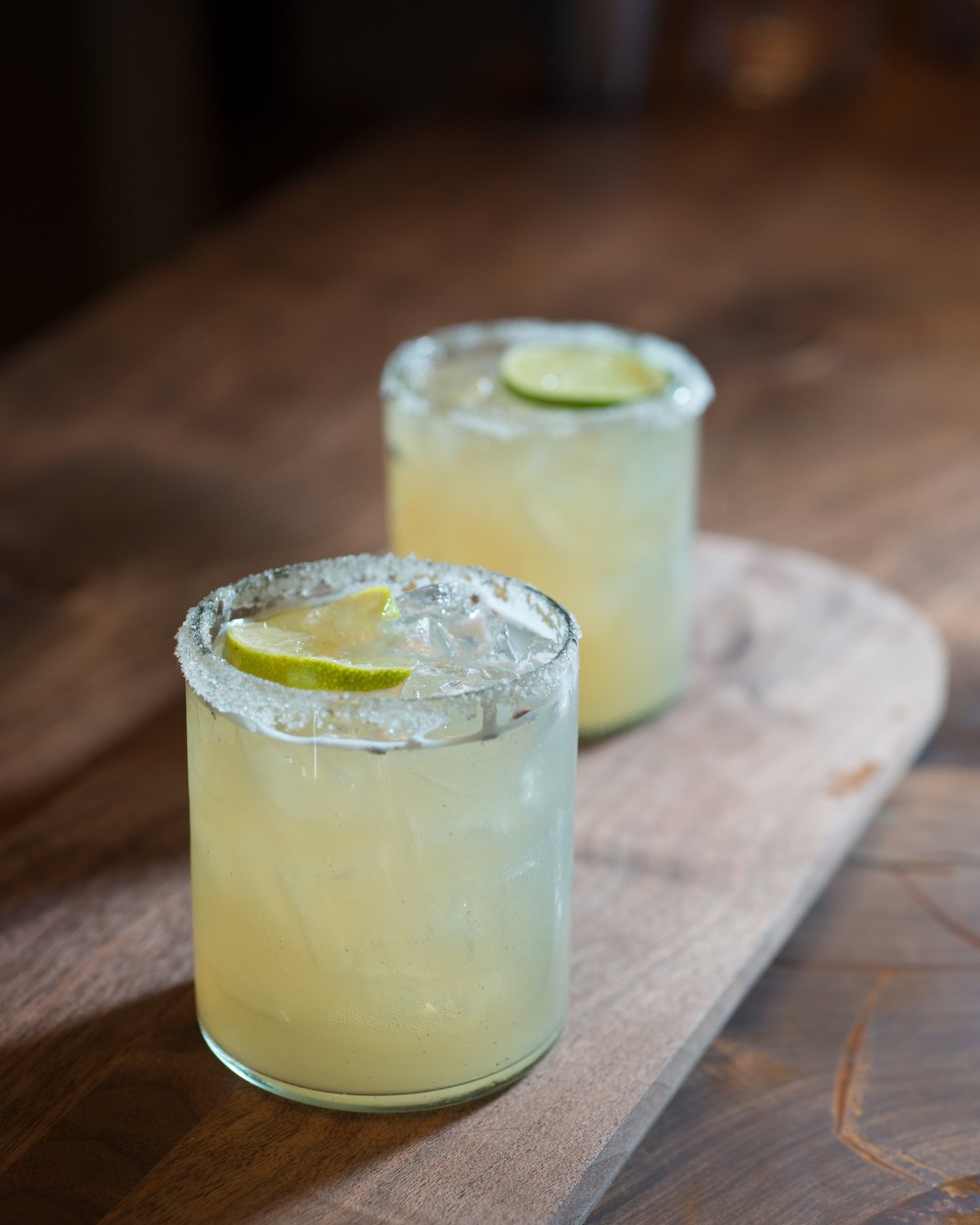
Ah, the Paloma Cocktail, a true work of art that effortlessly fuses the vibrancy of grapefruit with the spirited soul of tequila. It’s a libation that dares to captivate your senses, transporting you to a world where flavors sing and glasses clink with pure delight. The Paloma’s secret weapon? Freshly squeezed grapefruit juice. The bright, zesty notes come alive, ensuring a taste sensation that’s simply divine. But remember the spirit that sets this cocktail apart – blanco tequila. Its smooth character and subtle complexities intertwine with the grapefruit, elevating each sip to pure bliss. One sip, and you’ll find yourself lost in a sea of tequila-fueled tranquility.
Paloma Cocktail
INGREDIENTS
4 oz. soda water
1½ oz. blanco tequila
½ oz. fresh lime juice
¼ oz. fresh grapefruit juice
Grapefruit slice
Kosher salt
DIRECTIONS
Fill the cocktail glass two-thirds full with ice.
Slowly pour approximately 2 oz. of soda water into the glass, filling it about one-third full.
Add 1½ oz. of blanco tequila, ½ oz. of lime juice, ¼ oz. of grapefruit juice, and a pinch of kosher salt.
Top up the glass with the remaining soda water and gently stir.
Dried young corn kernels are known as chicos, as well as dried New Mexican red chile, which can be found at farmers’ markets and the Santa Fe School of Cooking. Use any classic New Mexican red chile sauce, or make your own from the recipe below. Adapted from Tasting New Mexico: Recipes Celebrating 100 Years of Distinctive Home Cooking by Cheryl Alters Jamison and Bill Jamison.
Chicos with Red Chile Recipe
INGREDIENTS
2 tbsp vegetable oil, lard, or bacon drippings
1 medium onion, chopped fine
3 garlic cloves, minced
2 cups dried corn chicos
6 cups chicken, beef, or vegetable stock
½ to 1 cup red chile sauce
1 tsp salt, or more to taste
INSTRUCTIONS
Warm the oil over medium heat in a large saucepan. Stir in the onion and garlic, and sauté until just softened, about 5 minutes. Add the chicos and stock to the pan and bring to a boil.
Reduce the heat to a simmer and cook uncovered for 1½ to 2 hours, until the chicos are well-softened and have lost their raw starchy flavor. They will remain a little chewy. Add hot water if the chicos begin to dry out.
Add red chile sauce and, if needed, more salt. Cook for another 15-20 minutes. The chicos should remain a bit soupy.
Serve hot in small bowls with some of the liquid, or drain with a slotted spoon and serve plated beside other dishes.
For the Red Chile Sauce:
Warm 2 tablespoons vegetable oil in a heavy saucepan over medium heat. Add 1 finely chopped small onion, and 2-3 minced garlic cloves, and sauté until the onion is limp.
Stir in ¾ cup ground dried New Mexican red chile (mild, medium, hot, or a combination), and add 4 cups chicken or beef stock, about 1 cup at a time.
Add 1 teaspoon crumbled dried Mexican oregano or marjoram and 1 teaspoon salt, and bring the sauce just to a boil. Reduce the heat to a low simmer and cook for about 20 minutes.
The completed sauce should coat a spoon thickly but still drop off it easily. Use warm or refrigerate for later use. This makes about 4 cups. The sauce will keep for 5-6 days and also freezes well.
Recipe by Cheryl Alters Jamison / Photography by Douglas Merriam
A great way to learn about place is to enjoy its local spirits. It’s incredible what a cocktail can do to enliven the senses, and these recipes, perfectly mixed for summer, express the flavors and magic of New Mexico.
The gently bitter, aromatic tang of Campari is balanced with Artistology’s Red vermouth… and made refreshing with a dash of soda. This complex but light quaff has summer written all over it.
These chicken or turkey meatballs are a runaway hit.
HERB-CRUSTED CHICKEN MEATBALLS WITH SMOKED GARLIC AIOLI
INGREDIENTS
For the meatballs:
1 pound ground chicken (or turkey) 2 eggs
2 Tbsp. bread crumbs
1 tsp. onion powder
1 tsp. red pepper flakes
1 tsp. cracked black pepper 1⁄4 cup chopped parsley
1 tsp chopped rosemary
1 tsp chopped thyme
salt to taste
For the garlic aioli:
1 bulb of garlic, roasted 1⁄2 cup mayonnaise juice of one lemon
1 tsp smoked sea salt
Preheat oven to 375 degrees.
Chop herbs and set them aside; use these last.
DIRECTIONS
Drizzle the whole head of garlic with olive oil and smoked sea salt. Wrap a bulb of garlic in a piece of foil nice and tight, pop it into your oven, and roast at 375 degrees for about 30-40 minutes or until the garlic is nice and soft.
Once the garlic is roasted, cool it down until you are able to handle it. Squeeze the bulb and the roasted garlic cloves should easily pop out of the papery part around the garlic. Smash this with the side of your knife to create a paste.
Mix together roasted garlic paste, lemon, mayonnaise, and a little extra smoked sea salt. Set aside to serve with your meatballs.
In a bowl mix together ground meat, egg, breadcrumbs, and seasoning. Stir until evenly incorporated.
Roll into 1-inch balls and then place on a parchment-lined baking sheet. Roast at 375 degrees for 20 min or until the meatballs reach an internal temp of 165 degrees.
Toss cooked meatballs in the freshly chopped herbs and serve with the garlic aioli.
RECIPE AND STYLING BY ANNA CALABRESE / PHOTOGRAPHY BY DAVE BRYCE
Is there anything more satisfying than sinking your teeth into a meticulously cooked rack of these succulent babyback pork delicacies? Hell’s bells, I doubt it. This outstanding recipe is bound to transport you to a state of finger-licking bliss and leave you craving for more.
Babyback Ribs Recipe
INGREDIENTS
1 rack baby back pork ribs
2 cups homemade barbeque sauce (see recipe below)
½ cup chile powder
¼ cup white sugar
¼ cup brown sugar
¼ cup paprika
¼ cup salt
1 tablespoon ground black pepper
1 tablespoon ground cumin
1 teaspoon mustard powder
INSTRUCTIONS
Mix chile powder, white sugar, brown sugar, cumin, dry mustard, paprika, and salt in a small bowl until combined.
Generously dry rub to all sides of the rib rack
Preheat grill to 250 degrees
Add ribs directly to the grill. Make sure to maintain consistency and even heat throughout the entire cooking process. Cook for two hours, approximately. The internal temperature should be 145 degrees.
Once the ribs are at temperature, baste the ribs with half of the BBQ sauce. Leave them on the grill for five minutes.
Remove from heat. Let ribs rest for 10 minutes. Cut and serve. Add extra BBQ sauce for dipping.
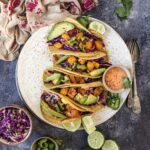
Don’t let appearances deceive you. These vegetarian squash tacos are bursting with an abundance of flavors and packed with all the goodness your body craves. Whether it’s Taco Tuesday or any other day of the week, these babies will hit the spot like no other.
Here’s the secret to taking these beauties to a whole new level of indulgence. Picture this: crumbled feta or goat cheese delicately sprinkled on top, lending that luxurious richness. And remember the roasted pumpkin seeds, adding a delightful crunch and a touch of creaminess.
So, if you’re searching for a meat-free marvel, look no further. These vegetarian squash tacos will have you rejoicing with every mouthwatering bite. Trust me, my friends; this is a culinary experience you won’t want to miss.
Why Use Both Yellow and Butternut Squash?
Yellow squash offers a mild, slightly sweet flavor, while butternut squash brings a richer, earthier taste to the table. The combination of the two creates an interesting and complementary flavor profile. This only continues when it comes to their texture. Roasted yellow squash cooks to a tender-crisp while butternut squash is going to be slightly firmer. This play on flavors and textures makes sure not a single bite is a boring one.
Ditch the chicken and try these meatless tacos made with delicious roasted squash.
Ingredients
Scale
1–2 yellow squash
1 green zucchini
1 1/2 cups butternut squash, peeled and cubed
1 small red onion, thinly sliced
2–3 tbsp extra-virgin olive oil
2 limes
1 + 1 tsp chili pepper
1/2 tsp garlic powder
1 tsp Mexican oregano
1/4 tsp smoked paprika
1/4 tsp cayenne pepper
Salt and pepper, to taste
1 1/2 cup purple cabbage, thinly sliced
1 cup green cabbage, thinly sliced
1 1/2 cans black beans
1 green onion, thinly sliced
1/3 cup cilantro, minced
1 cup mayonnaise
2–3 tbsp Sriracha
2 tbsp fresh lemon juice
Salt and pepper, to taste
8 corn tortillas
1 avocado, sliced
1–2 jalapeños, seeded and sliced
Instructions
Preheat the oven to 400 degrees.
Cut yellow squash and green zucchini into same-size chunks, then spread them onto a baking sheet along with the butternut squash and the red onion. Drizzle with 1 1/2 tablespoons olive oil and the juice of one lime, and sprinkle with chili pepper, garlic powder, oregano, smoked paprika, cayenne pepper, salt, and black pepper. Toss to coat and then roast in the oven for about 30 minutes, stirring halfway through.
Meanwhile, prepare the cabbage slaw: in a medium-sized bowl, combine the purple and green cabbage, black beans, green onion, cilantro, juice of the other lime, 1 1/2 tablespoons olive oil, chili pepper, salt, and black pepper. Toss to combine, and set aside to marinate.For the Sriracha mayonnaise, place mayonnaise, Sriracha, and lemon juice in a small bowl. Stir to combine and season with salt and pepper.
Warm the tortillas on each side on a small skillet over medium heat, transfer to a plate, and cover with a towel to keep warm. Repeat with each one, stacking them on top of each other.
To assemble the tacos, place a spoonful of cabbage slaw in the center of each taco, top with some roasted squash and a few slices of avocado. Garnish with jalapeño slices and some cilantro leaves, and serve immediately with the Sriracha mayonnaise on the side.
if ( unit && ( ‘metric’ === unit || ‘usc’ === unit ) ) {
document.querySelector( ‘.tasty-recipes-convert-button[data-unit-type=”‘ + unit + ‘”]’ ).click();
}
I’m not one to sugarcoat things. Life can be tough, and sometimes we gotta deal with the hand we’re dealt. But when it comes to food, that’s a different story. This world is far from perfect. We try our best to make sense of it all, to find the good amidst the chaos, but sometimes it’s a losing battle. That’s why it’s so important to grab onto the things that bring us joy, even if only for a moment.
And for me, Mesa Provisions is one of those things. I’ve written about Mesa Provisions before, and I recently had the pleasure of dining there again with my beautiful wife. We sipped from their curated wine selection, nibbled on a radish salad, chatted up their lovely staff, and then went for the crown jewel: two Mesa Burgers.
Let me break it down for you: This burger is a work of site-specific art. It’s got all the usual suspects: beef, green chile, grilled onion, sharp white cheddar, and American cheese. But what really takes it to the next level is the marrownaise. Chef Steve Riley is a genius for coming up with this bone marrow spread – it’s as decadent and delicious as it sounds.
The Mesa Burger is a damn good green chile cheeseburger, and like many of Chef Riley’s creations, the Mesa Burger is an act of restraint where top ingredients meet adept skill and inspiration. What all food aspires to be.
Recipe by Gabe Gomez / Photography Courtesy of Elliot Archuleta PhotographySubscribe to TABLE Magazine‘s print edition.
Far from her native India, Asma Khan found herself biking through the biting cold of Cambridge, England, and missing home. As she passed by a house, a familiar scent captivated her: homemade parathas frying in ghee. She felt a sense of comfort that left her frozen in place despite the place being frozen. She no longer felt the cold. What she felt was homesickness.
The intensity of the emotions and aromas inspired a new quest. She needed to learn to cook the food of her home if she hoped to connect to this new place. She elaborates, “…food is a wonderful unifying force, providing a way for immigrants to make connections in a new country. Breaking bread with others leads to conversations about “home,” no matter how far away that place might be or how little knowledge of a country or culture people may have. I am always willing to share a plate of parathas with those who knock on my door.”
About Asma Khan
Asma’s quest to learn to cook her native dishes eventually led her to open her London restaurant, Darjeeling Express. In the process, she came to truly appreciate the power of feeding people. “… the first thing I noticed was the silence that descended when the guests started eating – as if everything stopped for that moment. I knew then what my mother meant when she said one should cook to nourish the soul. I felt it in that moment of silence. My guests had been transported back home, back to another world, miles away….”
I’ve long been intimidated by the layered flavors and processes involved in Indian cooking, but Asma’s Indian Kitchen empowered me to make the leap, and I’m hoping you’ll join me. I’m already craving a repeat of the saffron-hued Chicken Chaap, and looking forward to trying more recipes, so grab your cookbook club friends, or simply join me in spirit. Whether this book transports you to your home, or opens up a conversation, here’s hoping for a moment of nourishing silence.
Let’s dig in!
About Chicken Chaap
Asma describes this as a “unique dish from Bengal, a korma infused with mace and nutmeg that is quite different from the super-sweet raisin-and-nut-filled kormas served in many restaurants.” It’s creamy and comforting and not overly spicy, and I enjoyed finding a new way to use the Greek yogurt we always have in our fridge. Serve with extra pita or naan to soak up as much sauce as possible.
In a dry frying pan, roast all the ingredients over medium heat, stirring constantly to prevent burning. The spices are ready when the cloves well, turn gray, and pop. Allow the spices to cool, then grind to a fine powder in a spice or coffee grinder. Any unused garam masala can be kept in an airtight container for a few weeks.
For the chicken:
If using saffron to color the dish, in a small bowl, infuse the saffron strands in ¼ cup (60 ml) tepid water.
In a frying pan, heat 6 Tablespoons of the oil over medium-high heat. Add the sliced onions to the pan and fry gently, occasionally stirring until golden brown and caramelized. Using a slotted spoon, remove the onions from the oil, leaving as much of the oil in the pan as possible to use later, and place on a plate to drain. Spread the onions across the plate so they crisp as they cool.
In a large bowl, mix the yogurt with the garlic, ginger, 1 Tablespoon of the garam masala and the oil retained from the caramelized onions.
In a pan that has a lid, heat the remaining 4 Tablespoons of oil over medium-high heat. Add the chicken and sear on all sides. Lower the heat to medium and pour the yogurt mixture over the chicken. Keep the heat at medium so the contents of the pan do not boil. Add the caramelized onions and ground coriander and cook, stirring continuously, for 10 minutes.
When the oil rises to the surface and the yogurt splits, add the chili powder and salt. Bring the sauce to a boil, then reduce the heat. Add the infused saffron at this point. Cover and cook the chicken for a further 10 minutes. Add the sugar and stir to mix thoroughly.
Before serving, taste to check the seasoning and adjust as necessary.
The foodways of British imperialism and 1960s diasporic migration brought the “patty” to New York. One of my grandmothers traveled similar routes, migrating from Jamaica to New York in 1967. Myself a migrant to New York, I was inspired to invent my own Jamaican patty, a vegan one with ackee and callaloo. Extra turmeric and curry powder give it the glow of the Golden Krust chain restaurant that sells patties across the boroughs. Few realize that the gold is turmeric, an Indian spice that arrived in Jamaica from Bihar and Uttar Pradesh. And while a patty is not an Indian pastry, it bears a resemblance to a samosa, even though it is more closely related to the English pasty. Cornish pasties were designed for the masses, British miners who needed a contained lunch. The buttery pastry culture of Great Britain converged with Indian spices to make what is now arguably a Black food. I’ve been told its West African cousin can be found in Nigeria, the meat hand pie. To eat a patty is to consume a Black world to which Asian cookery was central.
Thinking of the high-fat content in pastry that served laboring people in the 19th century well, I tried a vegan remix. I substituted butter with coconut oil. Then I filled my patty with the best vegetarian West African–derived comfort foods of Jamaica: ackee and callaloo. Be careful if picking from a tree; like another West African transplant to the Americas — cassava — ackee can be a deadly poison if the skin and the seeds are consumed. Eating ackees before they are ripe leads to the Jamaican vomiting sickness, which has a storied record in the British colonial archive and was part of the arsenal of enslaved Africans. While ackee and callaloo are not always easy to find, replacing them with hardy greens such as kale, spinach, and tomatoes works, too.
Jamaican Style Ackee and Callaloo Patties Recipe
For the filling
1 tbsp coconut oil
1⁄2 cup diced yellow onion
2 large garlic cloves, minced
1⁄8 tsp cinnamon
1⁄4 tsp allspice
1⁄2 tsp cumin
1⁄2 tsp garam masala
1⁄2 tsp ground coriander
1⁄2 tsp turmeric
1⁄4 tsp curry powder
1⁄2 tsp garlic powder
1⁄8 tsp cayenne pepper
1⁄2 tsp pink Himalayan salt, plus more to taste
1⁄2 green chile or Scotch bonnet pepper, seeded and minced, to taste
1⁄2 cup shredded callaloo (if using canned, use 1 cup), or 1 cup hardy greens like kale or spinach
1 (19-oz) can of ackee, or diced tomatoes
Black pepper, to taste
1 tbsp minced fresh thyme
For the pasty:
2 3⁄4 cups unbleached flour
2 tsp turmeric powder
1 tsp curry powder (Caribbean or British brands preferable)
1⁄2 tsp pink Himalayan salt
3⁄4 cup coconut oil, chilled
2 tsp white vinegar
1⁄2 cup cold water
Coconut or vegetable oil for brushing
West Indian hot pepper sauce for serving
To make the filling
In a medium sauté pan over medium-low heat, combine the oil, onion, and garlic and allow them to sweat and take on a little color, then add the spices, salt, and chile. (As they say in Trinidad, you should parch the spices, cooking them to activate the oils.) Sauté, stirring occasionally, for 8-10 minutes or until the onion and garlic are caramelized.
Stir in the callaloo, reduce the heat to low, cover, and cook for 10-12 minutes or 5-6 minutes for kale or canned callaloo. Add the ackee and cook for an additional 10 minutes; do not over stir. season with additional salt, pepper, and thyme and set aside to allow the flavors to marry.
To make the Pastry
In a large bowl, combine the flour with the turmeric, curry powder, and salt and mix well with your fingers like a rake. Add the oil and mix with your hands until it’s fully incorporated and the mixture feels like fine sand, about 10 minutes.
Combine the vinegar with ½ cup cold water and mix well. Hydration of the dough is important. Then, without overworking the dough, add the vinegar mixture by the tablespoon, while stirring, just until the dough comes away from the sides of the bowl and begins to feel like wet sand on the shore of a beach. Add additional tablespoons of water as needed. Knead the dough and roll into a tight ball. It should look yellow and be hydrated.
Cover with plastic wrap and let rest in the refrigerator for at least 2 hours.
To make the patties
Preheat the oven to 400 degrees and remove the dough from the refrigerator. Use the internal fan setting if your oven has one. Wait for the dough to soften at room temperature so that you can roll it with a rolling pin.
Lightly dust a clean surface with flour, roll out the dough until it is about ¹/₈ inch thick. This will require some elbow grease because the vegan crust is not as pliable as a traditional butter pastry crust. Cut 6-inch circles from the dough (you can use a bowl if you don’t have cookie cutters, running a sharp knife around the bowl). Spoon 2 tablespoons of the filling onto the center of one side of each circle, leaving about a ¹/₈-inch border.
Caution: You will be tempted to overstuff; don’t. Fold the other half over to make a semicircle, press to seal, and if you do not have a crimper, a fork works well enough to close the parcel of pastry. Press hard to make an imprint and seal the pastry; you should notice the dough bounce back.
Transfer the patties to a parchment-lined baking sheet, brush with oil, and bake until you see the golden turmeric-spiced crust begin to brown, about 25 minutes. Remove from the oven and let cool for 5 minutes. Jamaican patty shops often feature signs warning that hot patties should be left to cool lest you burn your mouth with the delicious curry filling. Enjoy with hot pepper sauce.
DIASPORA TIP: If you do not have access to callaloo, you can try substituting with spinach or other hardy greens. While there is no substitute for ackee, tomatoes, another fruit miscategorized as a vegetable, work well with greens for the filling.
Sure, you could celebrate Mexico’s victory against the French at a restaurant or bar, but personally, there’s nothing more alluring than festivities held in the comfort of my home (especially if there’s drinking involved). So, if you’re like me, the following eight recipes will allow you to bring the Cinco De Mayo fun wherever your heart desires, whether that be at your house (yes, please!), a friend’s, or a family member’s.
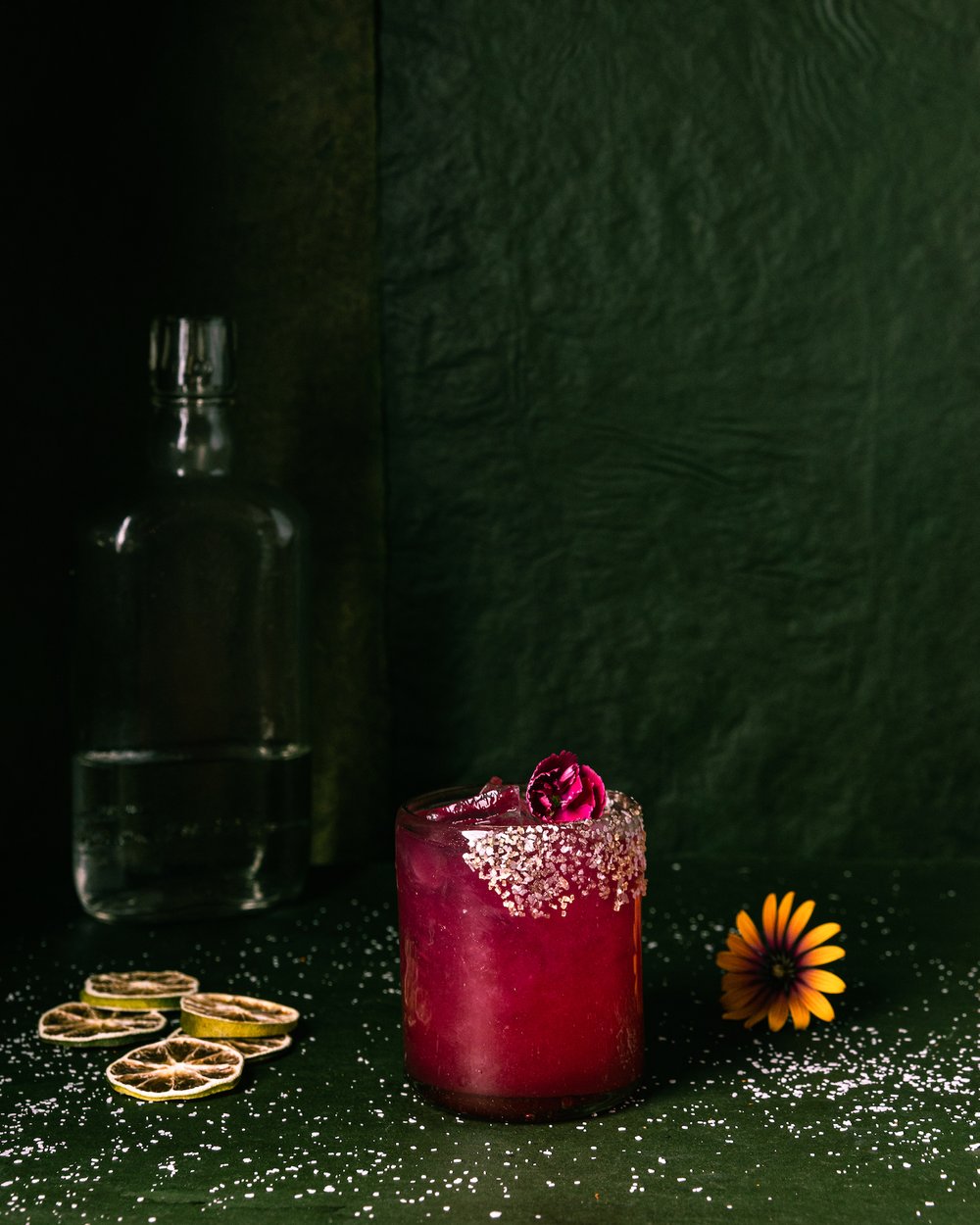
For their clear and crisp finish, unaged agave or Blanco tequilas are ideal for margaritas, which present strong and citrusy flavor profiles. This classic prickly pear margarita recipe offers a refreshing cocktail with a touch of acidic sweetness.
We challenge you to come up with a better way to celebrate Cinco de Mayo, or any day of the year, than with this Pork Belly Taco recipe featuring Oyster Mushrooms and Pajeori.