Home Blog Page 45

Lena Street Creatives Forge a Community at Living Thread Studio

0
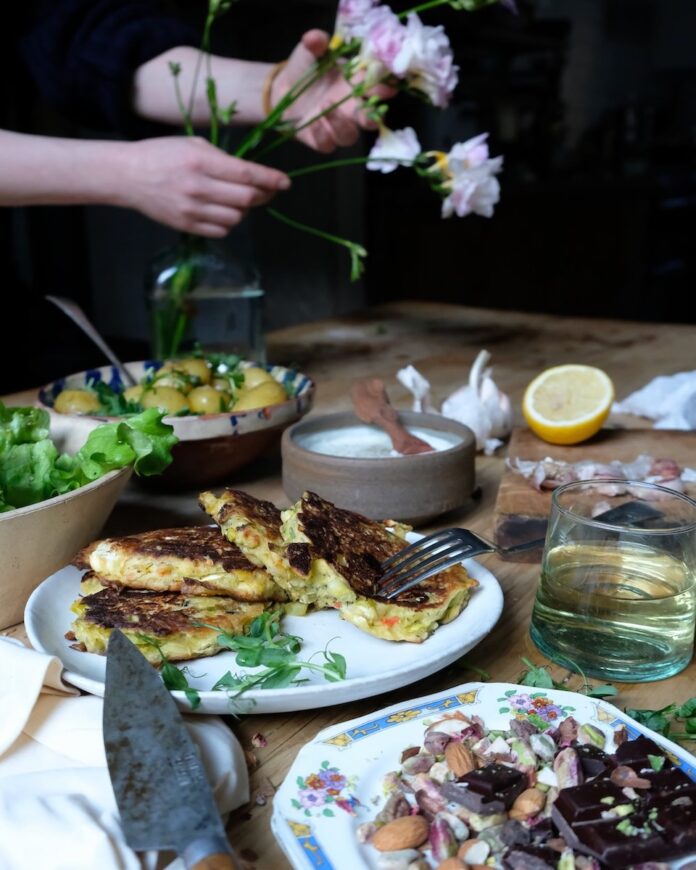
Woman in black sweater setting up a table in living Threads

On a bonfire just steps from Living Thread Studio’s front door, organic bolita beans from Owl Park Farm simmer in a heavy pot. Inside, ceramic bowls hold toppings: roasted delicata squash and green onions from the Santa Fe Farmers’ Market, feta cheese from Camino de Paz School & Farm, and crusty sourdough baguettes from Bread Shop. The table, crafted at Traveler Fine Furniture, is set for the meal.

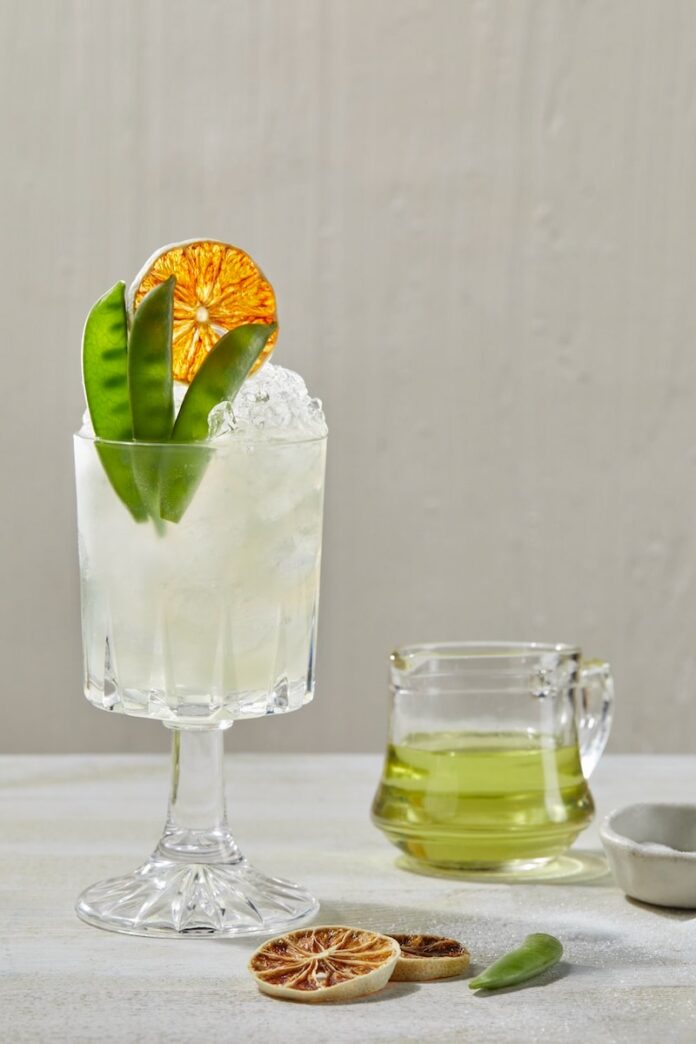
Dessert follows with apple tartlets made from local fruit. After dinner, guests sip a cocktail of mezcal, honey syrup from the Ohkay Owingeh Pueblo, and ginger beer, served with bee pollen on the rim.

A large pot sitting in a fire cooking

The Story Behind the Table

Living Threads co-founder Teresa Robinson describes the meal as simple and rustic—an intentional celebration of the local food ecosystem. Her partner, Eric Mindling, expands on that idea, pointing to the vessels made in Mexican villages where he lived and worked for decades. They will eat at May’s handmade table, the same neighbor who crafted the mezcal cocktail.

“There’s all these relationships to think about,” Mindling says. “It’s not just some random thing we bought. There’s people and their stories.”

Contemporary artwork displayed in gallery

A Pandemic Love Story

Finding ways to connect people—and creating space for them to share knowledge—helped inspire the couple to open Living Threads in May 2021. The venture grew out of their own pandemic love story.

They met in February 2020 at a textile event in Mexico City. Robinson, a self-described nomad, was born in Brazil, raised speaking Portuguese, and identifies as a “third-culture kid.” She started her business Nuraxi in 2011 to support artisans and local economies. Mindling had been working in cultural tourism in Oaxaca, while also photographing and writing about traditional artisans.

In March 2020, he flew to Los Angeles to see Robinson just as the city locked down. Weeks later, they drove to Oregon together, eventually relocating to Santa Fe in September.

Visitors viewing modern art exhibition

Building Living Threads Studio on Lena Street

The studio became a creative home for both their businesses and a gathering place for meals, talks, and events. “We didn’t have a business plan—just a juicy vision of what it could be,” Mindling says.

That vision expanded to include the Lena Street Lofts community. Together with local artists, they launched a First Friday open-studio event, showcasing makers and creatives in the area.

Sculptural installation in exhibition space

The First Friday Community

Multimedia artist Gloria Santoyo Ruenitz, originally from Mexico City, helped brainstorm the First Friday concept. She moved to Santa Fe just before the pandemic and now works in a Lena Street studio. During lockdown, she created a ceramic series called Humanity, which Mindling photographed.

The first event in October 2021 included six studios. “We’re like off-off-off Broadway, but there’s amazing talent here,” Ruenitz says. “And there’s a great camaraderie between all of us.”

Close-up of mixed media artwo

Bread, History, and Connection

Not everyone on Lena Street is new to Santa Fe. Jacob Brenner, co-owner of Bread Shop, grew up here. He and his wife opened their bakery in January 2020, specializing in organic sourdough breads and seasonal focaccia. Their window-service model thrived during the pandemic.

Gallery wall with contemporary art pieces

Brenner’s parents once developed the Lena Street property, which was formerly a bus yard. “There was no reason for anyone to be back here then,” he says. “There’s reason now.”

A Blessing for the Space

As the evening winds down, bowls of stew circulate around the bonfire. Fabric strips inscribed with blessings flutter in the doorway. “Paz y prosperidad,” one reads—peace and prosperity.

“At Living Threads’ opening, we asked everyone to write us some wishes for the space,” Robinson explains. “We’ve kept them up because they bless our space. It’s about community and intention.”

Story by Julia Goldberg
Photography by Tira Howard

Subscribe to TABLE Magazine‘s print edition.

5 Santa Fe Wine and Chile Fiesta Chefs Find Their Perfect Match

0
Close-up of a plated Waldorf salad with duck confit, featuring crisp duck skin, apples, grapes, walnuts, frisee, and a creamy cider and duck fat vinaigrette.

Take five Santa Fe chefs at the top of their game. Ask them to prepare one of their signature dishes, and then challenge five renowned sommeliers to find the perfect wine pairing to match. The idea was simple. Gather some of Santa Fe’s most beloved restaurants together with world-class wineries, for an afternoon bacchanal, and show that Southwestern cooking goes with more than salt-rimmed margaritas and icy cold beers.

And so in 1991, The Santa Fe Wine & Chile Fiesta was born, the brainchild of Mark Miller, Al Lucero, and Gordon Heiss. Fast forward and this one-day event has grown to five, with over 70 participating restaurants and 90 winery partners welcoming over 4,000 guests for this one-of-a-kind party.

5 Santa Fe Wine and Chile Fiesta Chefs Find Their Perfect Match

Alkeme

Seafood Mille-Feuille

A red plate holds a bunch of seafood in between slices of bread.

Chef-owner Hue-Chan Karels calls this take on a classic mille-feuille, “the Napoleon-effect.” Instead of traditional puff pastry, Karels and Executive Chef Erica Tai spread shrimp paste between layers of Vietnamese artisan rice paper. Then, they fry them, add juicy sautéed scallops and calamari, and finish with a drizzle of Vietnamese beurre blanc and Asian herb oil.

Wine Pairing: Hugel & Fils, Gentil, Alsace, France

Marika Vida-Arnold, Sommelier and National Fine Wine Brand Ambassador for Frederick Wildman & Sons, chose the wine, from Hugel & Fils, founded in 1639 in the beautiful town of Riquewihr, Alsace. It’s still 100% family owned and managed by the twelfth consecutive generation of the family. This Alsatian winner is a blend of white grapes from an underrated region that truly overdelivers. The spicy aroma of the Gewürztraminer and the floral nose of Muscat are complementary to the lemongrass and mild heat. The pinot gris provides body and the riesling, adds acidity and finesse. Rounded out by the freshness of the pinot blanc and Sylvaner, this is a solid seafood pairing.”

Dr. Field Goods

Kyzer Farms Pork Chop with Whole Grain Mustard Demi, Josper-roasted Broccolini, and Roasted Garlic Mashed Potatoes

Grilled pork chop with whole grain mustard demi, broccolini, and roasted garlic mashed potatoes on a rustic plate.

The secret to a great pork chop? It all starts with the pork, says Josh Gerwin, chef-owner of Dr. Field Goods. He goes local with Kyzer Farm pork. “Robert Kyzer has been doing this his whole life. He cares about the pigs and he makes sure they’re happy,” Gerwin says.

Wine Pairing: Frank Family Vineyards, Pinot Noir, Los Carneros, California, 2022

Sommelier Gillian Ballance, MS DWS, and Education Manager at Treasury Wine Estates, found this to be a perfect pairing: “The juicy pork chop with savory mustard sauce accentuates the generous cherry/berry fruit of the pinot noir, while the silky tannins contrast with the richness of the pork and creamy mashed potatoes.”

El Nido

Tomahawk Ribeye with Heirloom Carrots, Sweet Potato Gratin, with a Red and Green Chile Gastrique

Two plates hold grilled tomahawk steak with grilled peppers and cornbread as well.

Jose Montalvo — aka Chef Ziggy—knows a thing or two about wood-fire grilling. At El Nido, the beloved Tesuque restaurant, cooking on the custom wood-fire grill and in the Italian brick oven form the backbone of the menu. Their tomahawk steak is a customer favorite and at 40 oz. is a hearty meal for two.

Wine Pairing: Lewis Cellars Cabernet Sauvignon Napa Valley 2021

Sommelier Joseph Spellman, MS, JUSTIN Vineyards and Winery, Paso Robles and Lewis Cellars, Napa Valley, gravitated to Cabernet Sauvignon. “Lewis Cellars has been producing intense, expressive Cabernet Sauvignon for over three decades for exactly this kind of complex, richly-sauced, beef course. A ripe style of cabernet with high extract, mouth-filling structure, and judicious barrel notes helps resolve the richness of this luxurious cut, and the fruit intensity leavens the spiky heat of the chiles!” 

Vinaigrette

Walduck Salad

On a large plate sits a salad beside a bundle of grapes.

Chef-owner Erin Wade vowed she’d never mess with a Waldorf salad. It’s perfect, so why bother? But she kept thinking of duck and grapes and suddenly the Walduck was born. Each ingredient plays a starring role: earthy duck, crisp duck skin, sweet and tart apples and grapes, crunchy walnuts, slightly bitter frisee, and then a duck fat dressing to counter the bitter. Perfection on a plate.

Wine Pairing: Domaine Dutron et Fils Mâcon Vinzelles ‘En Paradis’, Burgundy, France 2022

Missy Auge, Wine Director and Sommelier at Bishop’s Lodge, an Auberge Resort, recommends the wine. “This vineyard is in the heart of Pouilly-Fuissé showcasing vines nearly seventy years old,” she says. “The grapes are fermented in stainless steel, allowing the incredible complexities of these old vines’ grapes to shine through. Notes of Meyer lemon, honeysuckle, and wet stone, layered over a fresh and bright acidity, make Domaine Dutron ‘En Paradis’ an excellent balance to the decadence of the duck confit.”

Zacatlán

Maryland Tempura Soft Shell Crab

Crispy tempura soft shell crab on a ceramic plate with lemon, herbs, and dipping sauce, elegantly presented.

Born in Zacatecas, Mexico, Chef-owner Eduardo Rodriguez finds inspiration everywhere from travel, to magazines, and dining out at other restaurants. His Maryland tempura soft shell is a case in point. “I love soft shell crab and this is a fusion using jicama, oranges, and tartar sauce. Something simple and different.”

Wine Pairing: 2022 Donnachiara Fiano di Avellino, Campania

Sommelier Tim Gaiser, MS, looked to Italy’s Campania region. “Fiano is an ancient Greek grape variety that’s been grown in the hills near Avellino in Campania for over 2,000 years. Donnachiara’s 2022 vintage has tart citrus and orchard fruits with pronounced minerality and vibrant acidity – a perfect match for Chef Rodrigez’s tempura Maryland soft shell crab.”

Story and Styling by Julia Platt Leonard / Photography by Daniel Quat / Dinnerware Courtesy of Wild Life Santa Fe

A footer photo with a grey and white marble background, three TABLE Magazines and subscribe info and button

Subscribe to TABLE Magazine‘s print edition.

What’s On View This Fall at New Mexico Galleries

0
An interesting shape metal looking statue on a black background.

New Mexico’s vibrant gallery scene continues at peak levels through the fall, and beyond. New TABLE contributor Natassja Santistevan suggests some key shows to put on your list. Make these visits into nights out as the days get shorter!

What’s on View This Fall at New Mexico Galleries

Santa Fe 

Brandon Maldonado: Requiem

Hecho a Mano Gallery, November 1 – December 2

Bright colorful artwork featuring a skull adorned with intricate patterns and floral motifs against a vintage style background, representative of the traditional Day of the Dead aesthetic featured in the Brandon Maldonado: Requiem exhibition at On View Galleries.

The exhibition coincides with the Día de los Muertos holiday and is titled, Requiem, which means, “a mass for the repose of the souls of the dead.” Maldonado’s pieces are memorials about death, whether it’s a work about an immigrant who dies crossing the border, victims of war, or a portrait of his recently deceased dog. “I aim to create an emotional and thought provoking display that impacts visitors’ hearts and minds,” he says. There will also be lighter, more playful pieces as well, covering all the emotions surrounding life and death.

Carlos Canul

Strata Gallery, November 5 – November 22

Abstract painting in shades of black and gray featuring expressive brushstrokes and splattered textures across a dynamic composition evocative of energy and movement.

Originally from Brownsville, Texas, contemporary abstract oil painter Carlos Canul now lives and works in Splendora, Texas. His work blends figurative and abstract styles and reflects the influences of his Mayan heritage, spiritual experiences, and his natural surroundings.

Jennifer Ling Datchuk

Form and Concept, November 29 – February 1, 2025

Upcoming art exhibit piece depicting a blue and white beaded shoe with intricate patterns and a red feather motif, symbolic of blending heritage craftsmanship with contemporary design.

Artist Jennifer Ling Datchuk, born in Warren, Ohio and raised in Brooklyn, New York, explores her layered, multi-cultural identity through new works for her upcoming NMSU ’25-’26 exhibition. Trained in ceramics, Datchuk holds an MFA in Artisanry from the University of Massachusetts Dartmouth and a BFA in Crafts from Kent State Univerity. She employs porcelain and traditional women’s materials like textiles and hair to delve into themes of fragility, beauty, femininity, and intersectionality. Her practice considers domestic objects, and examines the influence of Western beauty standards on the East and the socio-economic struggles of women and girls on a global scale.

Virgil Ortiz: Revolt 1680/2180: Daybreak of the Resistance

Turner Carroll Gallery, August 10-October 27 

Ceramic pot featuring geometric patterns and designs in black and red paying homage to ancestral craftsmanship alongside contemporary Indigenous Futurism themes showcased in an upcoming multi-dimensional art exhibition.

Known as the originator of Indigenous Futurism, Virgil Ortiz is a descendant of potters from the Cochiti Pueblo and an interdisciplinary artist who brings his vision of the future to life using ceramics, projection mapping, and augmented reality to New Mexico galleries. This year during Indian Market 2024 Ortiz will take over [CONTAINER] with a multidimensional exhibition featuring historic ancestral clay works, augmented reality, new video work, and his own contemporary clay and monumental pieces, offering a new perspective on the Pueblo Revolt.

Erika Wanenmacher: What Time Travel Feels Like, Sometimes

SITE Santa Fe, November 14, 2024 – February 22, 2025

Abstract glass sculpture composed of numerous shattered pieces coming together to form a towering illuminated structure evoking themes of reconstruction and artistic innovation.

Contemporary artist and practicing witch, Erika Wanenmacher, invites audiences into an immersive experience with her new exhibition. Born in Cleveland, Ohio, Wanenmacher has been based in Santa Fe for over forty years. She’s shown at a number of New Mexico galleries over her time in the Southwest. Using concepts like cellular memory and time travel, Wanenmacher’s work explores the relationship between objects, memories, and time. Her sculptures, installations, photographs, paintings, and prints create connections spanning time and space, resonating with universal and personal narratives.

Albuquerque

New Worlds: New Mexico Women to Watch

516 Arts, Through September 28, 2024

Colorful landscape painting depicting a mountain scene with a river valley and trees below a partial white sun circle, representative of the natural beauty found across New Mexico.

This show features five New Mexico-based artists. It’s presented alongside the New Mexico Committee of the National Museum of Women in the Arts (NMWA). Artists include Nikesha Breeze, Szu-Han Ho, Eliza Naranjo Morse, Jennifer Nehrbass, and Rose B. Simpson. The artwork looks at the artists’ thought-provoking responses to questions like, “When women [identified] artists envision a different world, how does that look?”

Story by Natassja Santistevan

A footer photo with a grey and white marble background, three TABLE Magazines and subscribe info and button

Subscribe to TABLE Magazine‘s print edition.

Explore Fashion for Men at These Stores

0
A man in black clothes and teal jewelry looks down at the ground.

This season, sumptuous options for men’s apparel caught our eye. Ranging from classic southwestern influences to international and innovative fits—we suggest that it’s time to come in off the ranch and head to the saloon wearing one of these fine ensembles. Western fashion, inspired by the cowboys and frontiers of yore, is having a moment that allows for a little bit more of an expressive touch in menswear. Think turquoise accents and expressive hats. Check out what New Mexico stores have to offer.

Explore Fashion for Men at These Stores

A man standing in a room wearing a blazer, vest and trousers looking at artwork on the wall of a rustic wooden door mens boutique focusing on luxury designers.

W Department

Originally an art gallery, Webster Collection has defied categorization since it opened its doors in 1972. Ancient ethnographic works from the Americas sit happily alongside thought-provoking contemporary art from around the world. Now, they’ve expanded with W Department, a luxury apparel boutique that focuses on bold designs from established designers like Rick Owens (shown here), names to watch—like Nicholas Daley and Second/Layer—as well as designers putting sustainability at the forefront with upcycled creations, like Swampgod.

Light beige cowboy hat with wide brim and leather crown band decorated with small square red-orange beads, showcasing custom hat design options from O'Farrell Hat Company.

O’Farrell Hat Company

It’s hard to imagine anything finer than a custom-made hat from the second-generation hatmakers of O’Farrell Hat Company. Add a Roger W hat band to it, and you may have found the answer. The bands are masterfully created with channel inlay—a process where negative space is generated in metal and filled aesthetically with gemstones—like this piece featuring spiny, oyster-shell square-conchos set in sterling silver.

Man modeling a brown textured double-breasted shirt jacket with pockets and button closure, adjusting cufflink on sleeve.

High Noon General Store

The Fenceline Shirt Jacket from Iron & Resin unites the best of a tailored shirt with everything you would want in a lightweight jacket. A tailored fit, two front pockets, heavy-duty snaps, and a reinforced Western style. Made from hard-wearing duck canvas.

A man in black clothes and teal jewelry looks down at the ground.


Peyote Bird

Founded five decades ago, Peyote Bird tempts with handcrafted, artisan jewelry—both contemporary and vintage— that is inspired by the American Southwest. There is a timeless quality to the pieces in their collection. Like the Dennis Hogan naja necklace, made of sterling silver with a diamond sitting elegantly in the center. It’s a piece that can be worn on its own or with a companion piece like a gorgeous turquoise necklace.

Intricately designed silver belt buckle featuring a cut-out pattern on a black leather belt.

John Rippel

Named because the tip resembles a bishop’s mitre, the Bishop’s belt buckle from John Rippel exudes authority. It’s solid and substantial—made of sterling silver with hand-chased detail on the buckle, keeper, and tip. Just the thing to pair with one of John Rippel’s one inch, exotic leather belt straps.

Story by Julia Platt Leonard

A footer photo with a grey and white marble background, three TABLE Magazines and subscribe info and button

Subscribe to TABLE Magazine‘s print edition.

La Fonda on the Plaza is History in the Making

0
Vintage exterior photo of historic La Fonda hotel situated on Santa Fe Plaza, the oldest continuously occupied public space in the United States.

There is history and there’s history—this is where Santa Fe shines. Not only is it the oldest state capital, but Santa Fe also lays claim to the oldest hotel site in the United States. The corner location where La Fonda on the Plaza sits was home to Santa Fe’s first inn, which opened in 1607. TABLE contributor, Heather Hunter, finds out how La Fonda is still making history.

La Fonda on the Plaza, A Must-See For History Buffs and Staycationers Alike

Established in 1922, present day La Fonda was envisioned by architects John Gaw Meem and Mary Elizabeth Jane Colter—one of the very few, and arguably the best, female architects in the country at that time. Colter was the chief architect and decorator for the Fred Harvey Company (of Harvey Hotels)— including La Fonda—for over four decades.

Panoramic view of La Fonda hotel silhouetted against a vibrant orange and pink skyline at dusk, as the lights of the city of Santa Fe gradually illuminate below.

100 Years of La Fonda on the Plaza

La Fonda celebrated its centennial two years ago. Today, it’s one of 300 exclusive properties within the Historic Hotels of America collection. The only hotel on the Plaza, this landmark location also boasts a bird’s eye view of the Cathedral Basilica of St. Francis of Assisi. (It’s not the oldest church in Santa Fe, but it’s quite possibly the most revered.)

Outdoor dining scene at La Fonda hotel's rooftop Bell Tower bar in Santa Fe, showing three guests casually enjoying a meal under the sun with iconic views of the city's historic landmarks in the background.

Historic Santa Fe Stylings 

La Fonda has enough stores, restaurants and bars to make this a must-visit for travelers and locals. The interior is bursting with traditional Santa Fe stylings, including: Saltillo tiles, welcoming leather chairs, and handcrafted furnishings. An impressive collection of folk art lines the walls. The bold and stunning Southwestern-inspired paintings by Gerald (Ira Diamond) Cassidy deepen the sense of place, adding color, dimension, and supplementary history to the hotel.

A lone individual seated on an outdoor bench at night, gazing downward in quiet contemplation with the luminous skyline of Santa Fe in the distance.
Bell Tower, La Fonda on the Plaza, Santa Fe, NM

A Staycation to Remember

La Fonda has managed to maintain a century of patina while offering a thoroughly modern hotel experience. Its rooms and suites have been smartly upgraded to reflect the times. My staycation in a deluxe suite featured a delightful terrace that straddled the Plaza to the left and the cathedral to the right. This placement felt magical, and the newer bathroom juxtaposed with the historic, adobe walls and kiva made the suite cozy, comfortable, and contemporary.

Two lime green margarita cocktails in stylish glassware laying on top of a wooden bar, expertly garnished with lime wedges and salt-dusted rims for an inviting presentation.

I slipped into La Fiesta Lounge for a simple Caesar salad and a much-needed Silver Coin margarita one night. I did not feel alone dining solo, as the bar was buzzing with people and live music.

Stylish hotel living room featuring varied comfortable seating arranged around a wooded coffee table, adorned with art and decorative accents in a blend of traditional and modern aesthetics.

Dinner at La Plazuela 

The next night, I celebrated with a dinner at La Plazuela, the heart of the hotel. A water fountain in the center sits beside two enormous ficus trees draped with white lights. That set the stage for a colorful and memorable meal. The arugula salad was a work of art—a tower of arugula with strawberries and goat cheese. It felt like a light entrée. The Scottish salmon was impeccably cooked and presented with quinoa and broccolini. For a sweet ending, the sea salt and caramel gelato enchanted me.

Interior dining area at La Plazuela restaurant inside La Fonda hotel in Santa Fe, showing tables dressed with white linens and floral centerpieces beneath hanging string lights, creating an ambient Southwestern atmosphere.

Just before dusk from May through late October, you can make your way up to The Bell Tower rooftop bar for a breathtaking New Mexico sunset. Revel in the sound of the church bells ringing…with a cocktail on your lips.

Decoratively painted hotel bedroom featuring an ornate leaf-patterned headboard surrounded by accent pillows and wall sconces, promoting a relaxing atmosphere.

Shopping Opportunities at La Fonda on the Plaza

For those who love to shop, the hotel has six distinct stores and restaurants. An array of gift items such as Pendleton blankets, Sandy Vaillancourt cards, Catherine Maziére silver jewelry, and sweet-smelling soaps can be found at Detours. Tom Taylor’s store is filled with everything leather from belts to buckles to bags. With two locations, Things Finer is all about fine antiques and décor for the home and fine jewelry. Rocki Gorman’s eponymous store features uniquely handcrafted, one-of-a-kind necklaces, bracelets, and earrings. And if your trotters need a lift, snag a new pair of walking shoes at Street Feet.

Tastefully decorated hotel living room featuring a cozy seating area with armchairs and ottomans surrounding a lit fireplace, promoting relaxation and comfort.

A must is The French Pastry Shop which has been serving crêpes, sandwiches, and coffees to delighted customers since 1974. Try the Ratatouille crêpe or the Croque Madame or Monsieur and treat yourself to a classic Nutella crêpe for a taste of France in Santa Fe.

Red heirloom tomato resting on a wooden cutting board, showcasing its naturally rugged exterior and deep coloration.

For history buffs, La Fonda is a haven that promises to heighten your appreciation for excellence in preservation. For experienced travelers, La Fonda is the place to come. Whether you want to relax and put your feet up, or wander throughout the city. And for locals, La Fonda holds the key to the city’s deep historical roots. It boasts an impressive art collection, shopping and dining options, and the best sunset views. It’s where we invite friends and family when they come to town, and where we vacation in place because we want to dine, gather, and stay.

Chef Lane Warner standing in a modern commercial kitchen, wearing a white uniform and gesturing while speaking to others present.

Story by Heather Hunter

A footer photo with a grey and white marble background, three TABLE Magazines and subscribe info and button

Subscribe to TABLE Magazine‘s print edition.

4 Daughters Land and Cattle is Planting for the Future

0
A family standing under colorful fall trees on a breezy day, the father holding an infant while a young child looks up at them, representing planting for future generations.
Defying the odds, a family-run pecan farm is thriving in central New Mexico. Julia platt leonard and photographer michael benanav pay a visit, just in time for harvest.

It was literally a dump. Located next to the transfer station in Los Lunas, New Mexico, what was once a place where people dumped their trash, is now 4 Daughters Land and Cattle. Today it’s home to around 23,000 pecan trees and the northernmost pecan farm in the state. Deer, elk, and quail make the pecan orchard their home, living amidst the trees in what Emily Willis—one of the four daughters—calls an oasis in the desert.

How 4 Daughters Land and Cattle is Planting for the Future

The closest pecan tree to 4 Daughters is 100 miles south. Pecan trees don’t grow this far north, or at least they didn’t, until Emily’s parents Mike and Kathy Mechenbier decided to plant their first pecan tree here. Emily remembers it clearly, “I have a picture of me standing next to one of the trees when we first planted it, and knowing exactly where it is and seeing that tree today and shaking that tree and getting nuts off it.”

Tree by tree, acre by acre, the orchard grew — mostly the ‘Pawnee’ pecan cultivar which can stand up to the cold winters, and ‘Lakota’ for pollinators. “We’d talked to several people and a lot of them were doubtful pecans would make it this far north, but we decided to go ahead and try it,” Mike says. They planted 2,000 trees that first year. “They were about the size of a pencil and they did real well,” he says, “so we expanded by about 2,000 trees every year up to the present.”

Emily Willis with one of her children collecting some of the first pecans of the season.

There is a rhythm to the pecan farming year. Once there is a hard freeze, the pecan husks pop open and you can literally shake the pecans out of the trees. Harvesting starts in November and finishes up in January. After that, it’s time for pruning–Emily’s job for the young trees–and transplanting–the work of her brother-in-law and farm manager, Troy Richardson. Irrigation starts in March and then it’s watching out for pests like aphids and nut casebearers and making sure the trees get enough zinc to stay healthy. And then the cycle begins again.

Mike Mechenbier shells a new season pecan.

Pecan Expertise

Pecans, a species of hickory, are the only commercially grown tree nut that is native to the United States. Our country leads pecan production, accounting for around 80% of the world’s pecans. Once harvested, 4 Daughters’ pecans make their way to Las Cruces and then across the country and globe as far away as China (China is mad for pecans). New Mexico is traditionally one of the highest-ranking growers, but in southern New Mexico, not this far north where a late season frost could destroy an entire crop.

With all of the challenges of growing nuts so far north, why does Mike do it? Aside from the weather, it takes fourteen years before you start harvesting a crop, he says. “Makes a lot of sense for an old man to plant a shade tree, doesn’t it?” he jokes. But that’s the point he says – the trees aren’t for him. “You don’t plant a pecan orchard to get rich. You plant it for your grandchildren.”

Mike feeding the grandkids pecans.

4 Daughters Farm and Cattle Works for Future Generations 

Emily has a comic strip on her refrigerator. In it, an old man is planting a tree and a kid is watching him. The kid asks, “What tree is that?” The old man says, “Oh, I’m planting a pecan tree. I’m not planting it for me. I’m planting it for you, and for future generations. I won’t ever probably have any pecans off of this.” The little kid turns and says, “I don’t like pecans.”

I ask Mike if he likes pecans and he says he does if they’re fresh, and finds a ‘Pawnee’ for me to sample. “Anybody that says they don’t like pecans, if they ever ate a fresh one, they’d change their mind,” he says. He prises the meat out of the shell and hands it to me. He’s right. It’s unlike any pecan I’ve ever tasted. It has none of the bitterness you sometimes find in store-bought pecans, which he tells me could have been harvested a year or more before you pick a bag off the shelves.

Troy Richardson, Mike's son-in-law and farm manager.

Emily jokes that her dad likes to grow things that start with a ‘P’: pigs, pistachios (didn’t work – too far north), pomegranates, peaches and of course, pecans. I’d add to that two more ‘P’s’: patience and persistence.

Story by Julia Platt Leonard / Photography by Michael Benanav

A footer photo with a grey and white marble background, three TABLE Magazines and subscribe info and button

Subscribe to TABLE Magazine‘s print edition.

A Treasure Trove at the Spanish Colonial Arts Society

0
Decorative silver wall hangings on an orange background, showcasing intricate designs and craftsmanship.

The Spanish Colonial Arts Society’s Nuevo Mexicano Heritage Arts Museum is home to a staggering collection of art dating back to the 16th century, a voluminous library, and an archive. Almost half of their collection is comprised of pieces collected from Spanish Market artists from the 1920s to the present day. It’s the only John Gaw Meem-designed residential building that is open to the public in Santa Fe. They kindly opened their doors and guided us on a fascinating tour of their vaults. We’re eager to share with you some of their many treasures.

Dive Into a Treasure Trove of Historical Objects at the Spanish Colonial Arts Society 

Figurine of a man on a horse atop vintage books, representing history and culture.
M.A. Chavez Santiago 1974

A diminutive Santiago or St. James sits firmly astride his horse, reins clasped securely in his left hand. Victories in many seemingly unwinnable battles were attributed to the miraculous appearance of Santiago, patron saint of Spain and Galicia. “Artist M.A. Chavez was one of the original Spanish Market artists,” says curator Jana Gottshalk of this piece. “This tiny Santiago is uncharacteristic of his usual work which is usually unpainted bultos.”

Colorful wooden figurines depicting a female angel and a queen, showcasing traditional craftsmanship against a muted background.
From left to right: Luis Tapia San Rafael 1990 Anita Romero Jones Our Lady of the Rosary 1980s

The tradition of creating bultos— three dimensional religious sculptures—continues in the work of contemporary santeros who combine expert carving, and often bold colors, to depict Catholic saints. St. Rafael (on the left), one of the seven Archangels and the patron saint of travelers, the blind, medical workers, and happy meetings, is typically depicted holding a staff and a fish, as he is in this work by Luis Tapia. Next to him (on the right), is Anita Romero Jones’ Our Lady of the Rosary from the 1980s. Both draw on the rich history of early Hispano settlers, in ways that are thoroughly modern.

Decorative wooden crosses on a purple background showcasing intricate designs and craftsmanship.
From top (left to right) 1. Marcial Rodriguez, 1994 2. Star Tapia, 1977 3. Maker unknown, twentieth century 4. Flores, Marisa Aguilar Sjoberg, 2001 5. Maker unknown, twentieth century 6. Jimmy Trujillo, 1980s 7. Luisito Lujan, 1996 8. Maker unknown, twentieth century 9. Vicki Rodriguez, 2013 10. Rose of Life, Felice Ulibarri, 2002 11. Jimmy Trujillo, 1986 12. Eliseo Rodriguez, 1978 13. Krissa Lopez, 1996 14. Marcial Rodriguez, 1999 15. Estrellas de Dios, Vanessa Sanchez, 1998 16. Maker Unknown, twentieth century 17. Gabriela Romero, 2006

Artisanship in Every Object

Early Spanish artisans arriving to New Mexico were expert improvisers. Lacking the materials they needed— wood, ivory, and shell—to make traditional marquetry crosses, they looked locally for substitutes. Straw and cornhusk were readily available and in the hands of skilled craftspeople, provided the effect of shimmering gold, captured in the candlelight of churches and chapels.

Collection of ornate vintage hair combs and accessories on a purple background.
First Row, far left (from top to bottom) 1. Maker unknown, Engraved sterling peineta, nineteenth century 2. Maker unknown, Peineta, Early twentieth century Second Row, middle (from top to bottom) 3. Lawrence Baca, Peineta, 1995 4. Lawrence Baca & Arlene Cisneros Sena, Shell Peineta, 1999 Third Row, far right (from top to bottom) 5. Maker unknown, Mexico, c. Nineteenth century, Filigree eyeglasses case with glasses 6. Gabriel Duran, Peineta, 2018 7. Juan Lopez, Filigree dagger, c. 2000

Personal Objects

The collection at the Nuevo Mexicano Heritage Arts Center encompasses not only religious objects, but also deeply personal ones, giving us a glimpse into the lives of their owners. Perfect examples are treasures like the silver filigree glasses case from Mexico (third row/far right, top) that held a gentleman’s pair of pince-nez, or the engraved sterling silver peineta (first row/far left, top)—an elaborate hair ornament—that would have been worn by a woman in the 1800s. Contemporary pieces—like the collaboration between Lawrence Baca and Arlene Cisneros Sena (middle row, bottom)—carry on the tradition of this timeless, wearable art.

Decorative silver wall hangings on an orange background, showcasing intricate designs and craftsmanship.

Poor Man’s Silver 

Throughout the colonial period, decorative tinwork made its way from Mexico to New Mexico. Sometimes called “poor man’s silver,” these pieces could be elaborate Rococo-esque confections with elaborate, hand-stamped patterns and intricate shapes. Contemporary artist Justin Gallegos Mayrant pays tribute to the artisans who worked in Rio Arriba County with these two ornate sconces, purchased by Spanish Colonial Arts Society in 2017.

Collection of vintage religious icons on a green background, featuring figures of saints and biblical scenes.
Top Row (from left to right) 1. Pedro Antonio Fresquís, Saint Inez, Late eighteenth century – early nineteenth century 2. José Rafael Aragón, Our Lady of Refuge, Nineteenth century 3. Maker unknown, Heart (metal), Twentieth century 4. Maker Unknown, Sagrado Corazon 5. José Benito Ortega, Guadalupe, Late nineteenth – early twentieth century 6. Pedro Antonio Fresquís, Saint Barbara, Late eighteenth – early nineteenth century Bottom Row (from left to right) 7. Maker unknown, Salvador Mundi Locket, Eighteenth century 8. José Benito Ortega, St. Ignatius of Loyola, Late nineteenth – early twentieth century 9. Antonio Molleno, San Miguel, Mid-nineteenth century 10. Pedro Antonio Fresquís, Flight to Egypt, Late eighteenth – early nineteenth century 11. Maker unknown, Sacred Heart, Early nineteenth century 12. Pedro Antonio Fresquís, St. Jerome, Late eighteenth – early nineteenth century.

Santeros and Retablos 

Retablos is two-dimensional art practiced by santeros, aka “saint makers”, which are usually small paintings or wooden altarpieces or other found materials that hold spiritual value for those who make them. The Spanish Colonial Arts Society is home to hundreds of these devotional objects made by artists including Pedro Antonio Fresquís, known as the Truchas Master. “One of the best tools for identifying the New Mexico retablo and bulto artists are how the artist executes the eyes and hands,” says curator Jana Gottshalk, “However, Fresquís is a bit of a rebel. His work is often unique looking, veering away from the traditional composition and adding more decorative elements and less of a single-figure focus.”

Story by Julia Platt Leonard / Photography by Tira Howard

A footer photo with a grey and white marble background, three TABLE Magazines and subscribe info and button

Subscribe to TABLE Magazine‘s print edition.

Seafood Mille-Feuille

0
Gourmet seafood mille-feuille on a red plate, featuring crispy shrimp and calamari, garnished with herbs and sauces.

Chef-owner Hue-Chan Karels calls this take on a classic mille-feuille, “the Napoleon-effect.” Instead of traditional puff pastry, Karels and Executive Chef Erica Tai spread shrimp paste between layers of Vietnamese artisan rice paper, fry them, add juicy sautéed scallops and calamari, and finish with a drizzle of Vietnamese beurre blanc and Asian herb oil. This recipe was part of the Santa Fe Wine & Chile Festival, and sommelier Marika Vida-Arnold chose to pair it with Hugel & Fils, Gentil, Alsace, France,

A Vietnamese Take on Mille-Feuille

The name “mille-fueille” translates to “a thousand sheets” in French, and it’s made of layered sheets of puff pastry. Because the French colonized Vietnam, many French culinary techniques have carried over to Southeast Asian cooking (banh mi comes from the introduction of baguette to Vietnam). So, Hue-Chan Karels and Erica Tai took inspiration from the fact that Southeast Asia has rice paper, which can easily be swapped in for puff pastry to make a usually sweet dessert into a savory meal.

Seafood Mille-Feuille Recipe

Seafood Mille-Feuille Ingredients

  • Shrimp Mousse (see below)
  • Mille-Feuille (see below)
  • Vietnamese Beurre Blanc (see below)
  • Vegetable oil
  • Freshly ground white pepper

To Assemble your Seafood Mille Feuille 

  1. Deep fry the shrimp paste sheet and sugar sheets in the fryer until golden brown.
  2. Sauté the scallops and calamari in vegetable oil over high heat, season with ground white pepper. Assemble the shrimp paste sheet at the bottom as the first layer, place scallops on next and then the sugar sheet. Top with the calamari and drizzle with the Vietnamese beurre blanc sauce.

Shrimp Mousse Recipe

Ingredients 

  • 2 lbs medium shrimp, peeled and deveined
  • 1 tsp salt, separate into 3/4 tsp and
  • 1/4 tsp
  • 4 tsp cornstarch
  • 4 tsp sugar
  • 1/2 tsp freshly ground black pepper
  • 4 tsp fish sauce
  • 4 tbsp garlic, minced and crushed into a paste
  • 2 tbsp canola oil
  • 4 tbsp minced shallots

Instructions 

  1. Toss the shrimp with 3/4 tsp salt in a colander for 5 minutes. Rinse under cold water and dry with a paper towel.
  2. Coarsely chop and place in a bowl. Add 1/4 tsp of salt, cornstarch, sugar, pepper, fish sauce, garlic, and shallot. Freeze for 30 minutes.
  3. Transfer to a food processor, add the canola oil, and process just until a coarse paste forms. Transfer to a bowl, cover with plastic wrap, and set aside for 15-30 minutes.

Mille Feuille Recipe 

Ingredients 

  • Vietnamese spring roll rice paper, 16 sheets
  • (8 sheets for shrimp paste paper, 8 sheets for sugar crispy rice paper)
  • Simple syrup (sugar with water 1:1 ratio)
  • 12 oz scallop (or whole bay scallop)
  • 12 oz calamari, tubes and tentacles

Instructions 

  1. Place about 2-3 tbsp of shrimp mousse onto a sheet of spring roll rice paper, but only apply the paste onto half of the surface. Fold the sheet over and spread the mixture so it covers the entire spring roll rice paper. You can pat it with the back of your knife to spread. Set it aside. Repeat with the remaining shrimp paste.
  2. To make the middle layer (crispy spring roll rice paper): Place a sheet of spring roll rice paper on the table. Brush it with simple syrup front and back. Let sit for a couple seconds until the paper is soft enough to be folded into a square (folded twice). Set aside. Repeat with the remaining 8 sheets of rice paper.
  3. Prep seafood: scallops in two, horizontally, set aside. Cut the calamari tubes into rings. Cut the tentacles into 3 inches length.

Vietnamese Beurre Blanc Recipe 

Ingredients

  • 1 cup butter, unsalted
  • 1/4 cup sliced green onion
  • 2 tbsp white wine
  • 2 tbsp fish sauce

Instructions

  1. Place the butter in a skillet over low medium heat. Do not overheat the butter. Add in the green onion and stir until aromatic.
  2. Deglaze with the white wine and add in fish sauce. Turn the heat off and stir until well-combined.

Story and Styling by Julia Platt Leonard / Photography by Daniel Quat / Dinnerware Courtesy of Wild Life Santa Fe

A footer photo with a grey and white marble background, three TABLE Magazines and subscribe info and button

Subscribe to TABLE Magazine‘s print edition.

Grilled Tomahawk Steak with Sweet Potato Gratin, Carrots & Chile Gastrique

0
A mouthwatering grilled bone-in tomahawk steak, perfectly charred and served with sweet potato gratin, vibrant heirloom baby carrots, and drizzled with both green and red chile gastrique.

Jose Montalvo — aka Chef Ziggy—knows a thing or two about wood-fire grilling. At El Nido, the beloved Tesuque restaurant, cooking on the custom wood-fire grill and in the Italian brick oven form the backbone of the menu. Their tomahawk steak is a customer favorite and at 40 oz. is a hearty meal for two. Montalvo created this recipe for the Santa Fe Wine & Chile Festival, and for a wine pairing, sommelier Joseph Spellman recommends Lewis Cellars Cabernet Sauvignon Napa Valley 2021.

About Tomahawk Steak

What makes tomahawk steak special is that it is at least five inches of rib bone is left intact. The bone is “French trimmed,” a culinary technique also used to give a rack of lamb its unique shape. The shape is where it gets its name from, because it resembles an axe or tomahawk. These stages are huge in size and make for a decadent meal that serves a whole group of people.

Print
clock clock iconcutlery cutlery iconflag flag iconfolder folder iconinstagram instagram iconpinterest pinterest iconfacebook facebook iconprint print iconsquares squares iconheart heart iconheart solid heart solid icon
A mouthwatering grilled bone-in tomahawk steak, perfectly charred and served with sweet potato gratin, vibrant heirloom baby carrots, and drizzled with both green and red chile gastrique.

Grilled Tomahawk Steak with Sweet Potato Gratin, Carrots & Chile Gastrique


  • Author: Jose Montalvo (aka Chef Ziggy)

Description

One of the best cuts of steak you can devour.


Ingredients

Scale
  • 40 oz bone-in Tomahawk steak
  • Sweet potato gratin (see below)
  • Heirloom baby carrots (see below)
  • Green chile gastrique (see below)
  • Red chile gastrique (see below)

For the sweet potato gratin:

  • 4 medium sweet potatoes
  • 16 oz heavy cream
  • 8 oz parmesan cheese, grated
  • 4 oz unsalted butter, melted

For the heirloom baby carrots:

  • 16 oz heirloom baby carrots
  • 2 oz unsalted butter

For the green chile gastrique:

  • 1/4 yellow onion, chopped
  • 1 garlic clove, chopped
  • 8 oz chopped green chile
  • Pinch of dried oregano
  • 16 oz vegetable stock
  • 2 oz granulated sugar
  • 1 1/2 oz white wine vinegar

For the red chile gastrique:

  • 1/4 yellow onion, chopped
  • 1 garlic clove, chopped
  • 12 dried guajillo chiles
  • Pinch of dried oregano
  • 16 oz vegetable stock
  • 2 oz granulated sugar
  • 1 1/2 oz red wine vinegar


Instructions

  1. Pat steak dry. Season with salt and pepper.
  2. Next, over a medium to high heat grill steak for about 7-10 minutes on each side, until desired doneness.
  3. Let steak rest for at least 15 minutes. Slice and serve family style alongside other dishes.

For the sweet potato gratin:

  1. Preheat oven to 350 degrees.
  2. Peel and slice sweet potatoes into 1/4 inch slices.
  3. Next, in a bowl, combine the heavy cream, Parmesan, and melted butter.
  4. In a deep baking dish layer the sweet potato, heavy cream mixture, salt and pepper.
  5. Wrap in foil and bake for 1 hour and 15 minutes.
  6. Then, raise oven to 400 degrees and cook uncovered until crisps.
  7. Remove from oven and let cool.
  8. Cut into 4 servings and serve.

For the heirloom baby carrots:

  1. Peel and wash baby carrots.
  2. Blanche the carrots and set aside.
  3. Right before serving, place in a skillet and add the butter.
  4. Sauté carrots and add salt and pepper to taste.

For the green chile gastrique:

  1. In a saucepan, sauté the onion and garlic.
  2. Once translucent, add green chile and oregano.
  3. Afterward, cook for about 5 minutes and add stock.
  4. Bring to a boil and add the sugar and white wine vinegar. Let simmer for 20 minutes.
  5. Remove from heat and cool.
  6. Blend and then pour through a fine strainer.

For the red chile gastrique:

  1. First, in a saucepan sauté the onion and garlic.
  2. Once translucent add 12 dried guajillo chiles, the oregano, and salt and pepper to taste.
  3. Cook for about 5 minutes and add stock.
  4. Once boiling, then add the sugar and the red wine vinegar. Let simmer for 20 minutes.
  5. Remove from the heat and allow to cool.
  6. Finally, blend and then pour through a fine strainer.

Recipe by Jose Montalvo — aka Chef Ziggy
Story and Styling by Julia Platt Leonard
Photography by Daniel Quat
Dinnerware Courtesy of Wild Life Santa Fe

Subscribe to TABLE Magazine‘s print edition.

Your Guide to the Albuquerque International Balloon Fiesta

0
Two friends smiling at the Albuquerque International Balloon Fiesta with colorful hot air balloons in the background.

For nine days in early October, thousands come from near and far to watch the breathtaking sight of hot air balloons ascending into skies for an extravagant air show at the Albuquerque International Balloon Fiesta. Heather Hunter shares her bird’s eye view of this marvelous event.

Participants preparing colorful hot air balloons at the Albuquerque International Balloon Fiesta.

Up, Up, and Away at the Albuquerque International Balloon Fiesta!

Now in its 52nd year, the Albuquerque International Balloon Fiesta holds the title for the nation’s largest balloon event, making Duke City the ballooning capital. With more than 500 balloons and pilots, and nearly one million attendees in 2023, Balloon Fiesta is far larger than it was in 1972, when it began life as an intimate gathering of thirteen balloons. Considered to be the most photographed event in the world, Balloon Fiesta attracts an international crowd of experienced balloonists and a sea of spectators who come for awe, and a skyful of wonder.

Balloonists preparing a hot air balloon for lift-off at the Albuquerque International Balloon Fiesta.

October is the ideal time for the annual event because the winds are more pronounced and predictable. Known as the “Albuquerque Box,” the winds make it easier for balloon pilots to navigate in the Rio Grande Valley. The cool morning temperatures also help the balloons rise faster and manage better.

Hot air balloons ascending at the Albuquerque International Balloon Fiesta, showcasing the vibrant colors and mass ascension of the largest balloon event in the U.S.

Best Tips for the Albuquerque International Balloon Fiesta

If you are going to Balloon Fiesta Park—a full square mile—be prepared to arrive early. “Balloons begin to take off at the first sign of sunrise, so you want to be at the park to catch the mass ascension—a breathtaking scene,” says Patrick Slater, a crew chief for the last thirty years. He is the liaison between the pilot and the crew, helping the balloons with lift-off and landing. He also has two balloons he flies during the event.


“You need to be on the field to see the balloons come up,” says Slater. “This is one of the few balloon rallies in the country that allow you to walk amongst the balloons.” Slater says a typical flight lasts about an hour, depending on the prevailing weather conditions, including wind and temperature.

Two women joyfully celebrating at the Albuquerque International Balloon Fiesta with colorful hot air balloons in the background.

The pros highly recommend taking Park & Ride, which makes life easier for everyone as the ingress can be daunting. Just be sure to purchase online tickets in advance to secure your spot on the bus.

Greatest Views of the Balloons

If you would rather watch from a distance, local Jessica Moose offers these suggestions, “Just south of the Balloon Fiesta Park is Vista del Norte Park. That is the place to be for a great view, as is Vic’s Daily Café, where you can watch the balloons while enjoying their famous Vaqueros breakfast— chicken fried steak Christmas-style with two fried eggs.” The City Park on Osuna is also a designated viewing area.

Illuminated hot air balloon at sunset with 'BUILDING SUPPLIES' branding

For the more adventuresome, Moose suggests renting a kayak or paddle board to witness the balloons as they cross the Rio Grande.

The balloon glow event, held at night, is another opportunity to experience the enormity of the balloons up close and personal. About 200 balloons fill with air, light up, and stay on the field. The pilots let visitors get inside the gondola to check them out.

Hot air balloon glowing with flame at night during a festive event, surrounded by an enthusiastic crowd.

Frankie Martinez, a commercial balloon pilot who has been chasing balloons since he was in elementary school, says, “Glow is a fun crowdpleaser. It’s fun for the crowds to get close to the balloons and ask questions.”

High Flying Facts About The Albuquerque International Balloon Fiesta

  • Last year there were 546 registered balloons and 629 pilots at Balloon Fiesta.
  • In 2023, close to one million people attended the event.
  • The typical balloon is the size of an eight-story building.
  • The inside of a balloon is about 100,000 cubic feet.
  • The fabric of a balloon is called the envelope, and the basket you fly in, the gondola, can carry up to three passengers.

Story by Heather Hunter / Photography by Alfred Grey and Susie Elliott

A footer photo with a grey and white marble background, three TABLE Magazines and subscribe info and button

Subscribe to TABLE Magazine‘s print edition.

Create a free account, or log in.

Gain access to read this article, plus limited free content.

Yes! I would like to receive new content and updates.