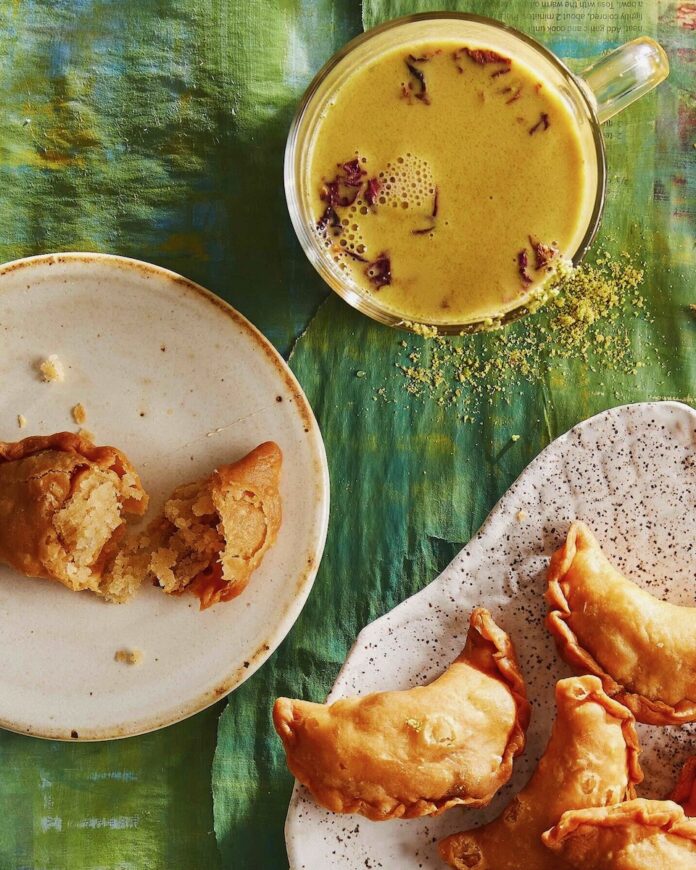
Thandai, a saffron and pistachio drink, plays a central role in the celebration of Holi, which welcomes the return of spring. This drink is delicious with a gujiyas — a sweet empanada-like dish also associated with Holi.
Where Does Thandai Come From?
Thandai comes from the northern parts of India and southern parts of Pakistan, mostly Southern Punjab, Sindh, and Balochistan. It typically uses almonds, fennel seeds, watermelon kernels, cardamom, saffron, milk and sugar. But there are many variations of it. A fun fact…there’s a version of thandai that uses cannabis leaves, called bhang in Hindi. This is not that version, though if you go off the recipe to experiment, we can’t stop you. Palak Patel’s recipe is a traditional version using saffron as the dominant spice, which also gives it its beautiful yellow. You’ll want to use a spice mill to put together the Thandai masala, or a clean coffee grinder.
A handful of dried rose petals or rose water for garnish (optional)
Instructions
Add the blanched almonds, cashews, pistachios, fennel seeds, white poppy seeds, black peppercorns, cardamom powder, cinnamon powder, and nutmeg into a blender or spice grinder. Grind to a fine powder.
In a small bowl, add saffron with hot water to bloom.
In a heavy bottom saucepan; add milk and saffron water. Bring the milk mixture to a gentle boil.
When the milk mixture begins to boil, add maple syrup and stir.
Add in the thandai masala mixture to the milk and simmer for another 5 minutes. Using a whisk to remove any lumps. Turn off the heat and allow the thandai to cool and refrigerate.
To serve, pour into a cup and garnish with dried rose petals or rose water.
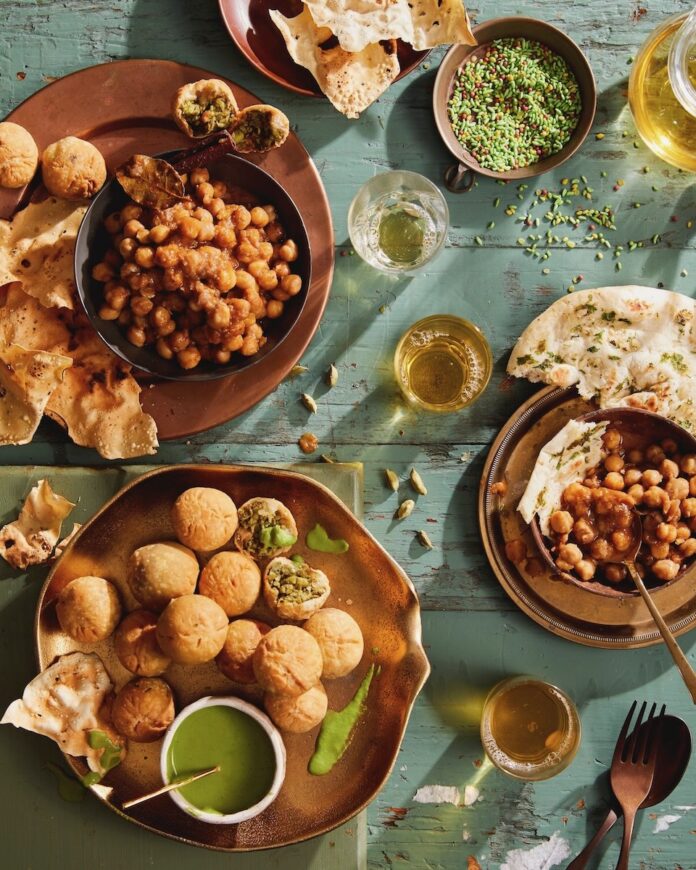
These Kachori fritters, compact packages of peas and edamame, are part of India’s annual Holi festival. Holi celebrates the return of spring and abundance. (You might recognize it as the “festival of colors” where people of all faiths come together to celebrate with colorful dyes and exuberantly joyful music and dance. Chef and Food Network star Palak Patel shares her recipe for Kachori fritters to celebrate the holiday.
What is Kachori?
Kachori is a round, deep fried pastry that can have many different kinds of fillings. People eat it all across South Asia, in India, Bangladesh, and Pakistan, but originally from the Indian province of Rajasthan. You make kachori out of maida, a special kind of wheat flour originating in India, though we used AP flour here to make it easier for US cooks. It’s a convenient travel snack for the many on-the-go professionals in India, as well as a filling (but not overly so) carb refuel on hot days. (The milder spices in it are more suited for a hotter climate). Our take on it has peas and edamame, but feel free to customize it to your liking!
To make the filling, add peas, edamame, coconut, and ginger to a food processor and pulse to a coarse paste and then remove to set aside.
Heat the oil in a saute pan over medium heat. Add pea mixture stirring well, for 4-5 minutes.
Stir in the cumin powder, garam masala, coriander powder, cayenne pepper, cinnamon powder, and turmeric powder, cook for another 5-7 minutes, or to ensure there is no moisture left in the pan but the peas are still brightly colored. Season the mixture with salt, add lime juice, cashews, and cilantro mix well.
Remove from heat and transfer the pea mixture to a bowl and set aside to cool completely.
For the dough and fritters:
To make the pastry dough, add flour into a mixing bowl and make a well in the center. Add the salt and oil to the well, then rub the mixture together using your fingertips and mixed thoroughly.
Add cold water one tablespoon at a time and knead the dough until it is soft to the touch.
Rest the dough for 30 minutes and cover.
When ready to make fritters, take a little oil and rub the dough doll to create a smooth surface.
Pinch a small piece of dough, approximately the size of a small plum, and then using a rolling pin roll into an even circle about 3 inches. Or use a pastry cutter to make an even circle.
Place the filling into the center about a tablespoon. Bring the edges of the circle and pinching tightly around the filling. Seal at the top by closing edges and trim any excess dough with a knife. Roll each ball into a ball using palms of the hands.
Heat oil at 300 and gently lower the kachori fritters into the hot oil using a strainer and gently fry until the pastry is golden brown.
What does Santa Fe style mean for a twenty-something starting his career here? In a town where the average age is mid-forties and the median sold home price around half a million, it’s not always easy. Cullen Curtiss talks with Zane Anderson, a recent young arrival who is finding his groove and embracing Santa Fe, old and new, in a conscientious and artful way.
Styling a Santa Fe Home as a Newcomer
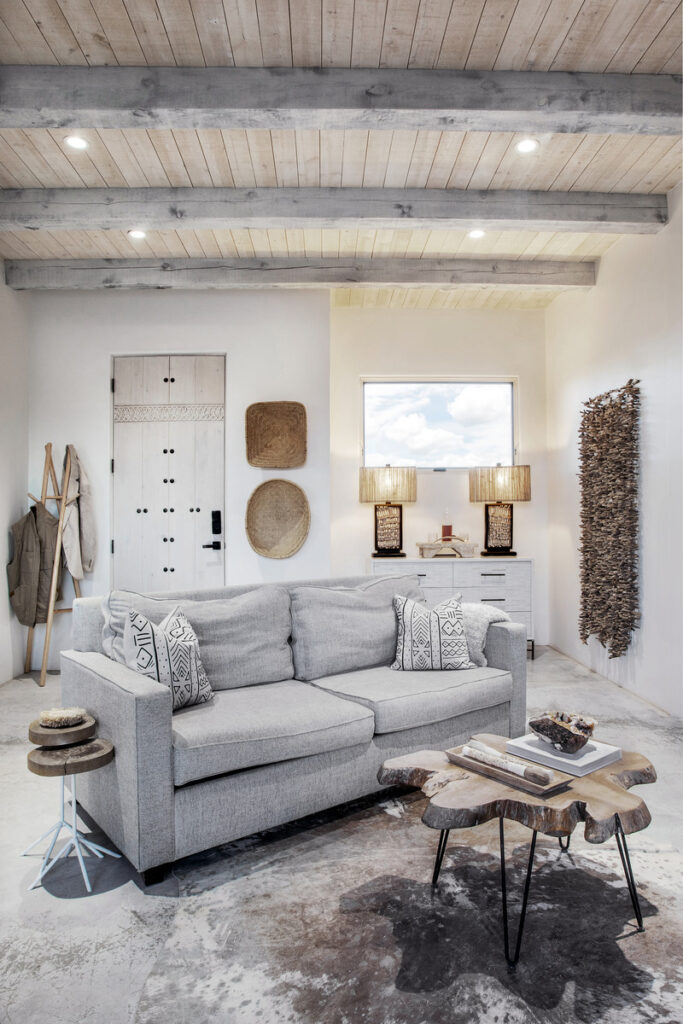
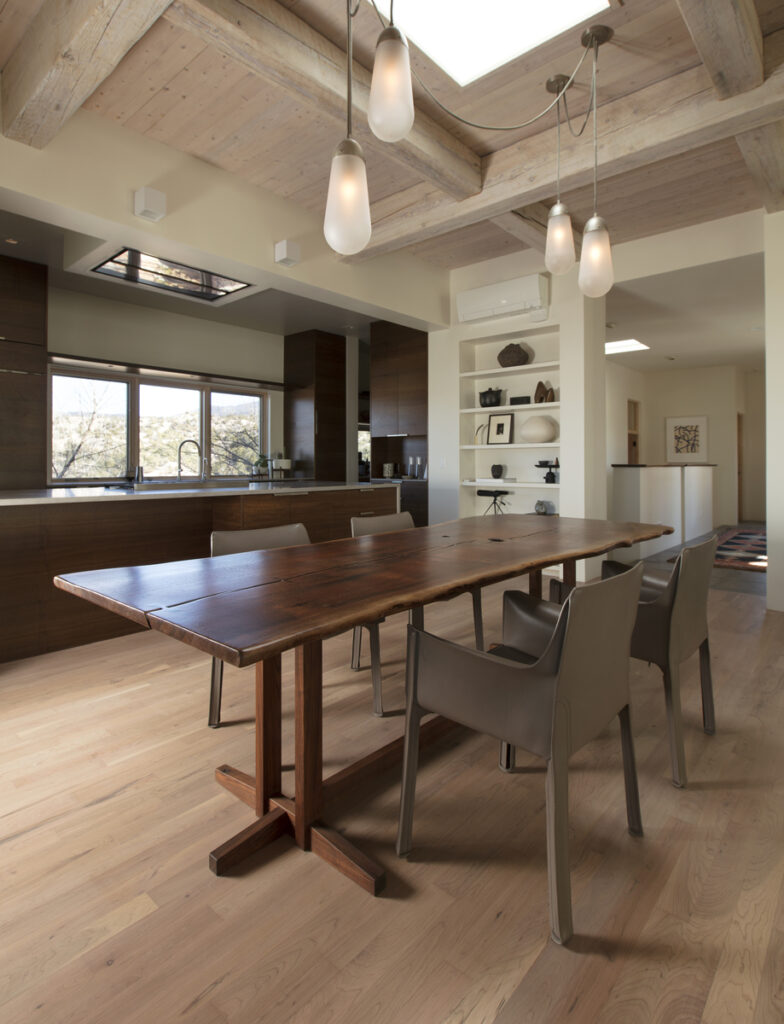
Zane Anderson is one of those remarkable people who exudes an effortless, natural style, even on a work-from-home day. Perched behind his laptop at a handcrafted Javillo-wood kitchen table, this manager at a major Santa Fe hotel wears a turquoise handkerchief and jeans like a second skin. A predictable pair of boots rests by the front door of his stylish solo habitat, an 800-square-foot contemporary casita in Lamy. It was designed by Zane’s sister (photographer Ashley Hafstead) and her husband with impeccable Southwestern grace and functional charm.
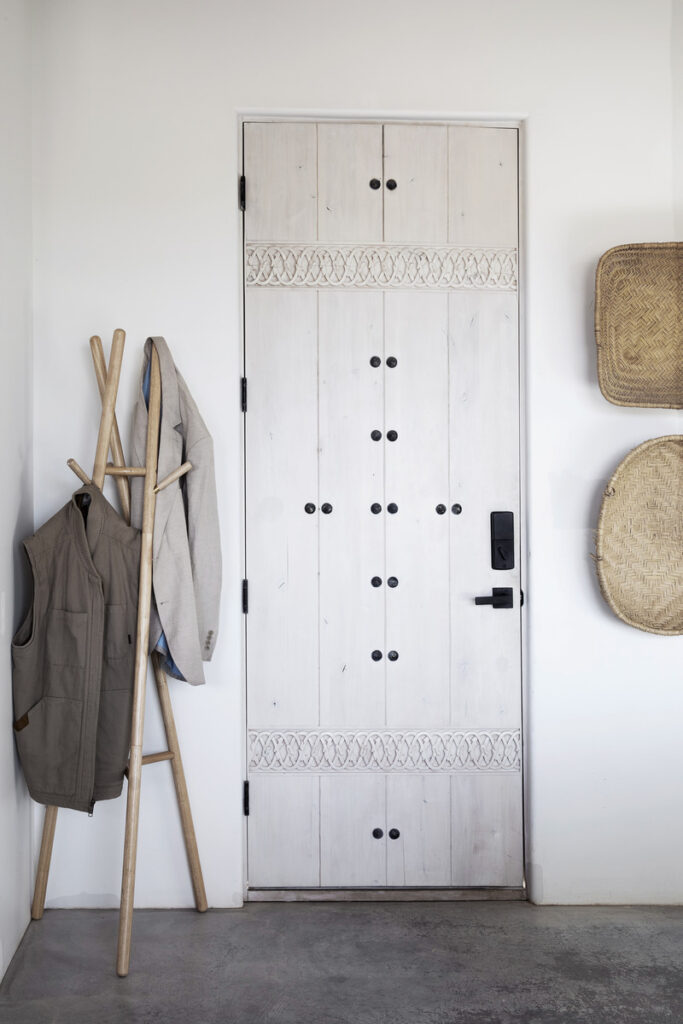
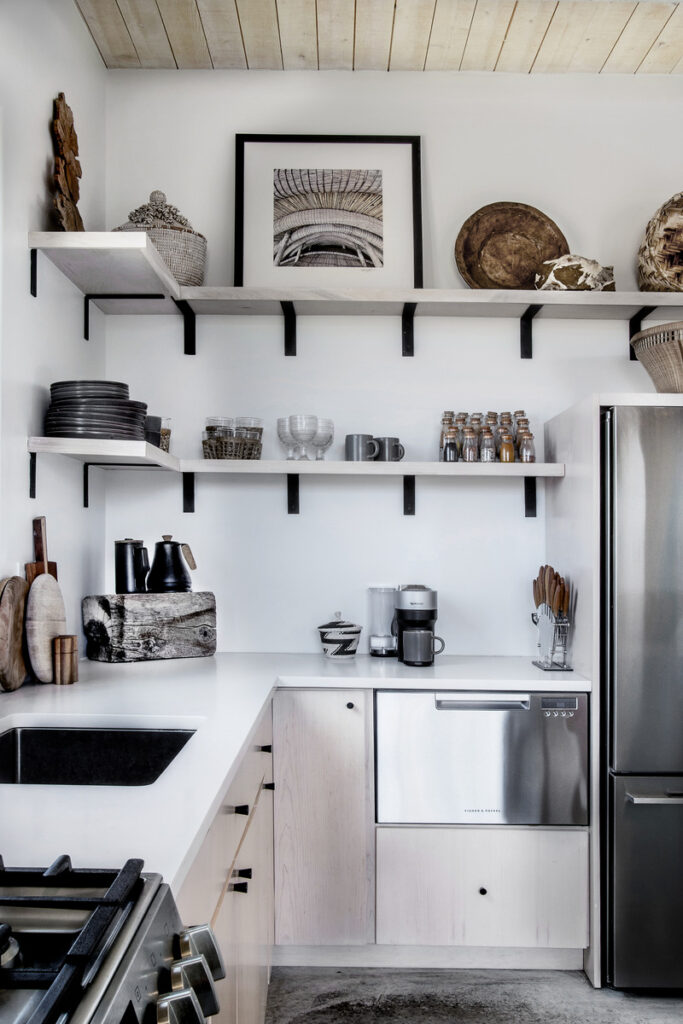
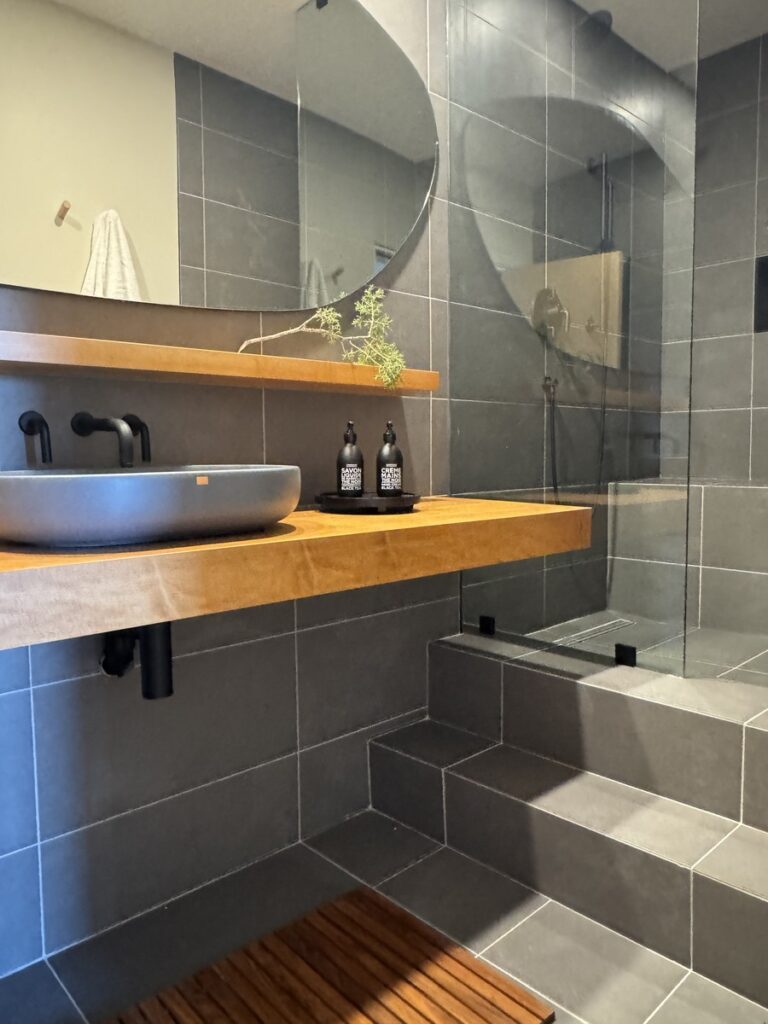
With pride, Zane points out the floating kitchen shelves and island countertop whose stylish appearance surprises with practical display and also storage features. His bathroom vanity also floats, and the open shower makes you think — why ever design one with a door or walls? The compact dishwasher is an utterly smart choice for a single occupancy home. The simple wooden bench behind the couch says casual Western living, but it’s remarkably convenient for putting on your shoes before stepping out into the acreage that surrounds the casita.
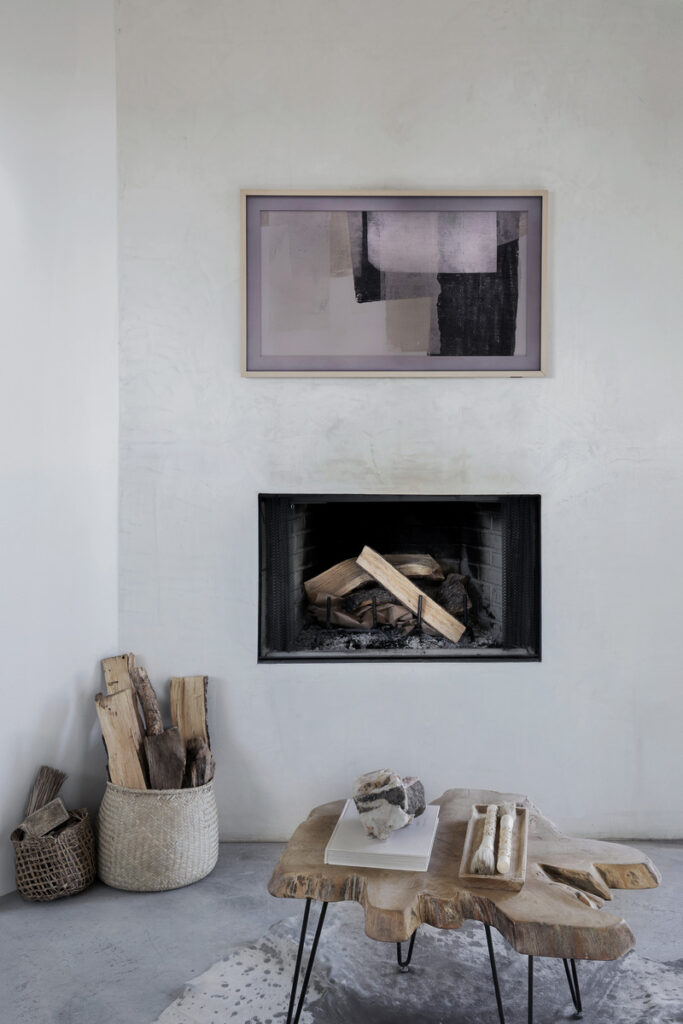
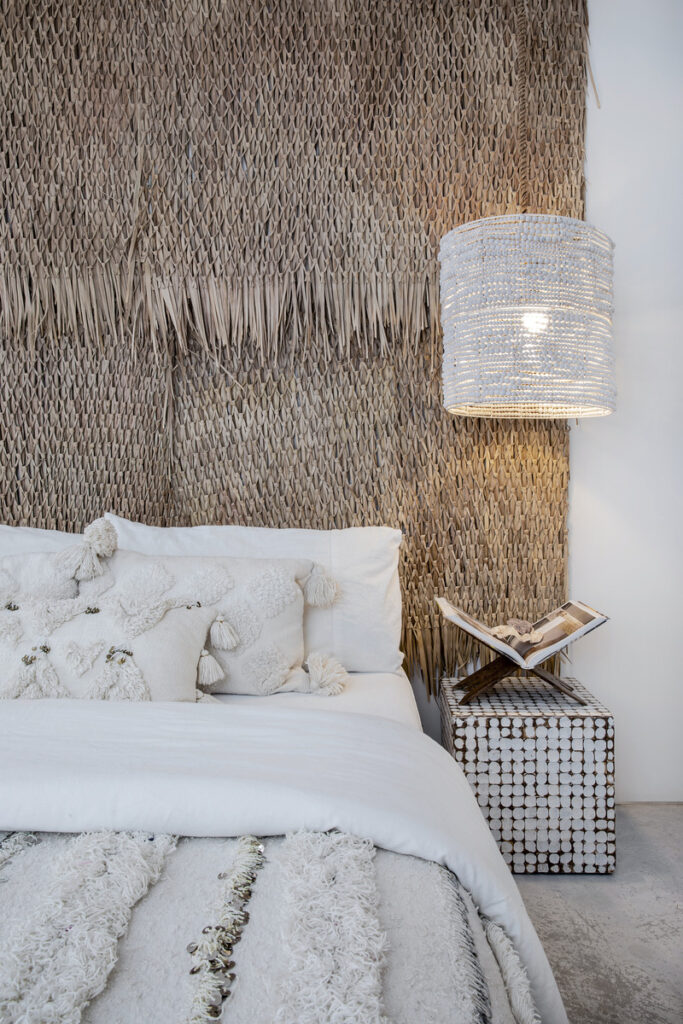
Other admirable features include Zane’s white-and-gold dresser which doubles as a bar-top, the kiva fireplace all ready for flame, and also the floor-to-ceiling curtains in his bedroom which draw your eye upward, giving the room a larger, more spacious feel.
Big Personality in a Small Home
On his way to this ideal single person’s home, Zane graduated with a Bachelor of Science in Hospitality Management from Johnson & Wales University, all while working full time at hotels in two major tourist towns — Charleston and Asheville — with big style personas.
“While in Charleston, I mirrored the bright and preppy coastal aesthetic. My favorite store was the family-owned M. Dumas & Sons, the epitome of ‘Come to us and we’ll get you all set up in your low country gear.’”
And in Asheville, Zane absorbed the blacks, grays, beiges, and navies, inspired by Appalachia and the Blue Ridge Mountains. He says, “There are generations of hardworking Appalachian mountain folk who don’t care about labels. And yet there was an aesthetic.”
A Deeper Connection to Santa Fe Style
But his original style roots look and feel more like Santa Fe, cultivated at a young age in Palm City Farms, Florida, where his family raised cows and horses. “We were in the middle of nowhere, had an ag program at my high school, and I was a blue jeans, cowboy boots, button-up jean or flannel shirt guy!” No wonder he was drawn to Santa Fe and the panorama just out his casita window — a vast, high-elevation piñon-juniper landscape, unfettered by other structures and dominated by the Sangres.
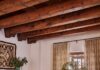
“After three years here, I’ve immersed myself in the style — very earthy, artistic, and deeply connected to its environment. You see it in the adobe architecture, the warm-toned palettes, and the handcrafted details, like wooden beams and the textured rugs. The major influence is, of course, the Native people who lived here first and then the Spanish.”
He continues, “It feels rooted in tradition, while also welcoming of contemporary adaptations. It prioritizes authenticity and connects to place.”
Making a Positive Impact
Zane’s professional role at the hotel requires that he understand the power of place, but it’s also quite meaningful for him personally. When he adds his 20-year-old bear claw bolo tie, accented with a bit of turquoise, to his “Johnny Cash, Man in Black look” or dons the turquoise ring he purchased from the Native American artisans at the Palace of the Governors on his first visit to Santa Fe, Zane says he’s celebrating this place.
“As a young person coming to a new place that is rooted in so much history — some nice, some not so nice — it’s a delicate balance. I pay homage to the people who originated the styles and deeply respect their culture and heritage.”
Reflecting more, Zane says creating a look, whether in his home or through his wardrobe, is an expression of his identity, and readily admits this process is his love language. As far as his muse goes, Zane says, “Santa Fe knocks it out of the park.”
Zane’s Santa Fe Hangout Recommendations
“Younger people are finding this beautiful, unique city and realizing there’s a sense of freedom here and a strong creative community with so much access to nature. It also has amazing restaurants, bars, libraries, bookstores, movie theaters, and museums. My friends and I hang out, go grab a cocktail, or have a nice dinner and go see a movie. I love that everything closes early, so I can get home, wash my face, maybe pour myself a glass of wine or make a fire, and be in bed by 10 o’clock so I am refreshed for the next day. Here are some of my favorite things to do!”
Destinations
“I really like Collected Works because it’s not only a bookstore, but also a cafe, and I love a good artisan coffee. There’s a good mix of people, you can really move around, and it’s in the heart of the city.” Violet Crown is another favorite with the “giant railroad car suspended from the ceiling, an immaculately clean theater, comfortable seats, and a great selection of spirits, wine, and food. The pizza is fantastic!” For shopping, he heads to the Portal outside the Place of the Governors. “Visitors and locals alike always want to get a piece of turquoise. The Portal is the way to support the actual artist swith ancestral ties to Pueblos and Nations.
Events
Zane loves to support artists and artisans, so the International Folk Art Market is a draw, particularly now that it’s at the Railyard, and “of course, Indian Market. The artists are so proud, and it just goes on for blocks. It feels like a holiday.” Also, the Candlelight Concerts at the St. Francis Auditorium are a must—“ … even if you are not a Classical music lover. With the acoustics and the tea lights, you cannot help but become awash with emotion.”
Outdoors
“In the winter, I love to hike up to Ski Santa Fe’s Totemoff’s to meet friends for a Bloody Mary and some food and be entertained by a local DJ or live band.
Restaurants and Bars
“The Bull Ring exudes timeless sophistication. Get a martini with a twist and the Bull Wings— which they fry and then bake!” He also loves Tonic and Nuckolls Brewing Co., where you can get the “best burger” (their signature with two Wagyu patties, cheese, and a German sauce). And while waiting patiently for a table at Cafe Pasqual’s where his go-to is the Durango Omelet, Zane recommends a “tasting moment” across the street at the Gruet Winery’s tasting room. Geronimo or Joseph’s are favorite spots for dressing up and dining out.
Soirées
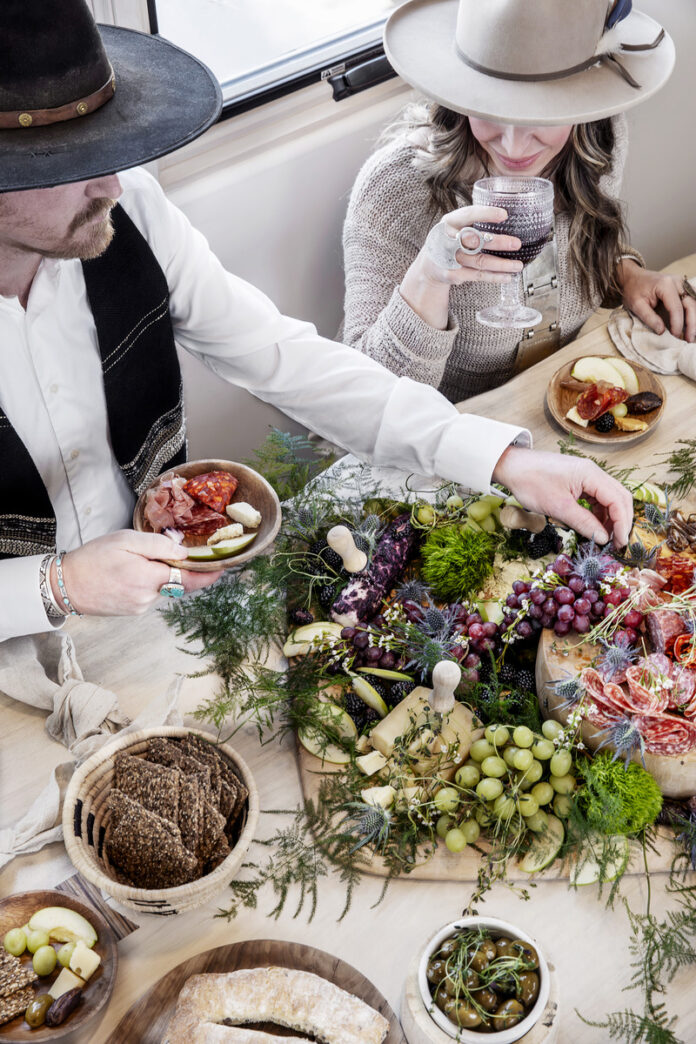
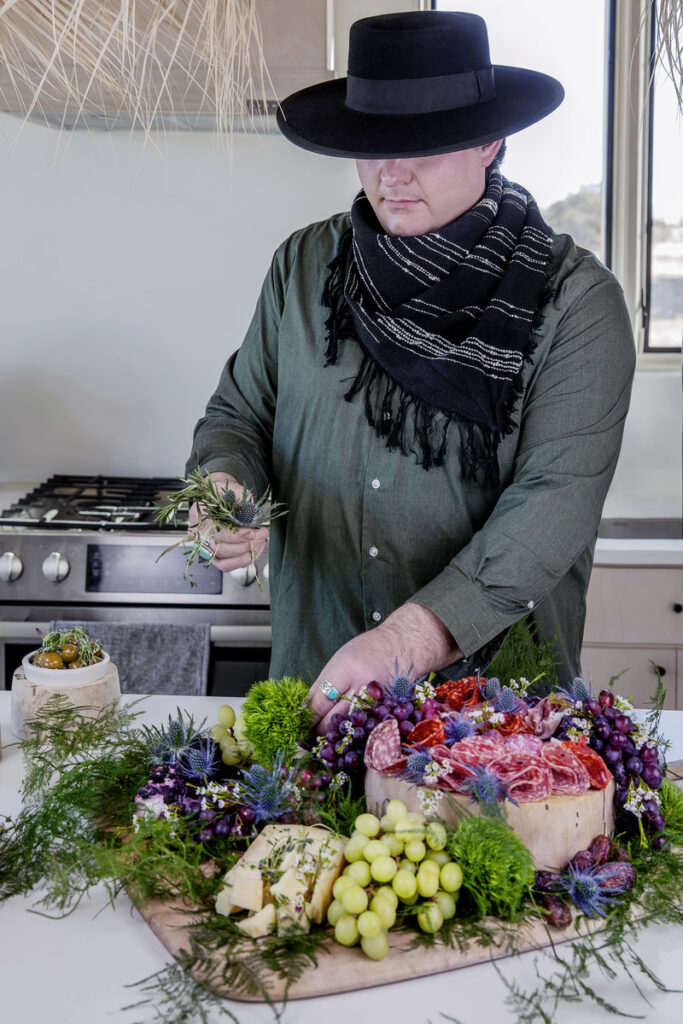
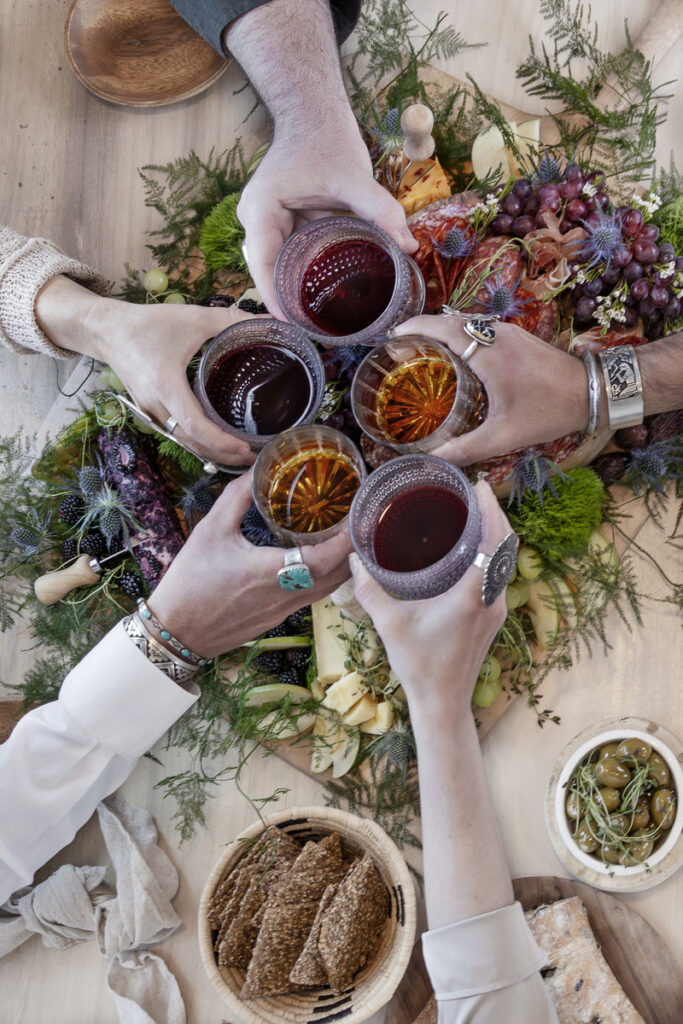
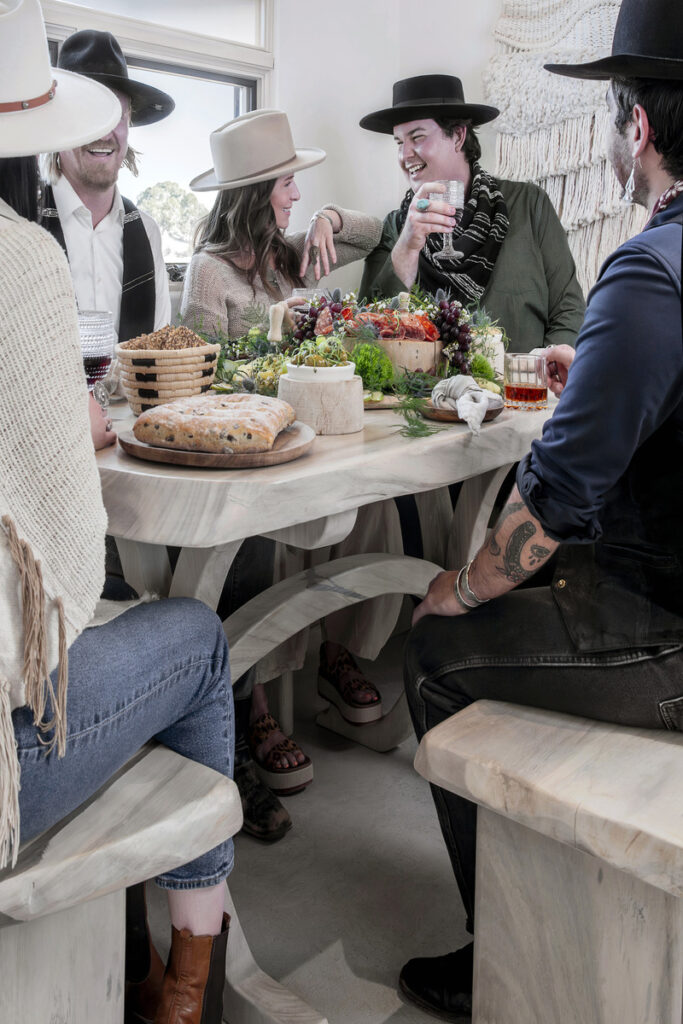
Zane adores hosting intimate soirées that are as curated as his living space. He’ll get a fire going, even in the summer, and encourage his guests to move freely from the charcuterie board to the covered patio for the sunset.
Story by Cullen Curtiss Photography by Ashley Hafstead
Historic homes are living places – made to live in today as much as they were when they were first built. Kelly Koepke visits a home on Upper Canyon Road in Santa Fe that has been home to families for almost a century. She finds a place that has changed, but still maintains its own spirit and distinctive Santa Fe style.
A Historical, Century-Old Santa Fe Home
Adelma and Tom Hnasko’s home is just right for their family. She remembers wandering the grounds as a girl, playing among the cottonwoods and evergreens which lie just across the Santa Fe River from her own childhood home on Cerro Gordo. When the couple purchased the 1937 adobe out of foreclosure in late December of 2002, it was like a homecoming for her.
The equally cozy and bright living area.
But the structure wasn’t move-in ready for them and their soon-to-arrive first son. The heat didn’t function. Rain and snow poured through the entry gallery’s ancient windows while the warmth escaped. The kitchen sink drained into a bubbling backyard cesspool. Switching small appliances on meant the lights would short out.
“I was pregnant, and the house was freezing,” says Adelma, an educator and arts consultant. “The bones of this house were so cold. The bank wouldn’t let us do inspections or due diligence before we signed the contract.”
Tom and Adelma add their own stamp to their almost 100-year old home, such as the kitchen cabinets by her father.
So naturally, they threw a New Year’s Eve party to celebrate the acquisition. Adelma lit fires in each of the four fireplaces every day to warm up the adobe walls. They invited a friend to DJ the evening in the bare rooms. Until this day, friends enthuse about the event as a beautiful way to christen the space with joy, goodwill, and love.
Creating Warmth and Comfort in a Historical Home
Then began the work of making the house habitable, while doing their best to maintain the integrity of the three bedrooms, two bathrooms, and 3,500 square feet. Six months after the party, with the installation of a snug roof and new boiler trucked in from Denver, the couple and their new baby finally moved in. In due course, Adelma delivered the Hnasko’s second child in their bedroom.
Family decor rests throughout the home.
Over the next two decades, the interior has been replastered, the pantry walls jacked up to prevent further collapse, the electrical system rewired, and a radon abatement system added. Kitchen drainage now meets the city water and sewer lines. Adelma’s woodworker father contributed by crafting a wall of kitchen cabinets and refacing the existing storage to match.
“It’s an old house, so it’s a work in progress, right?” says Tom, an environmental attorney with a passion for trees and improving the property’s landscape. “It means you have to have time and patience with a place, for it to let you know it. Some of the things you think you might have wanted to do, in fact you find you don’t ultimately want to do. We had those old leaky, single-paned entry gallery windows for 20 years. Every winter it would be freezing, and we would put plexiglass over them.”
Family entertaining in a sun-filled dining room.
Those windows, in what was originally an open, covered portal converted to enclosed living space, have now been replaced with energy efficient fenestration. It transforms the long passageway between common areas and bedrooms from a drafty space into a warm and light-filled one full of plants, seating, and an inviting view of the interior courtyard.
Windows bring the outdoors, inside.
Continuing on a Family Legacy
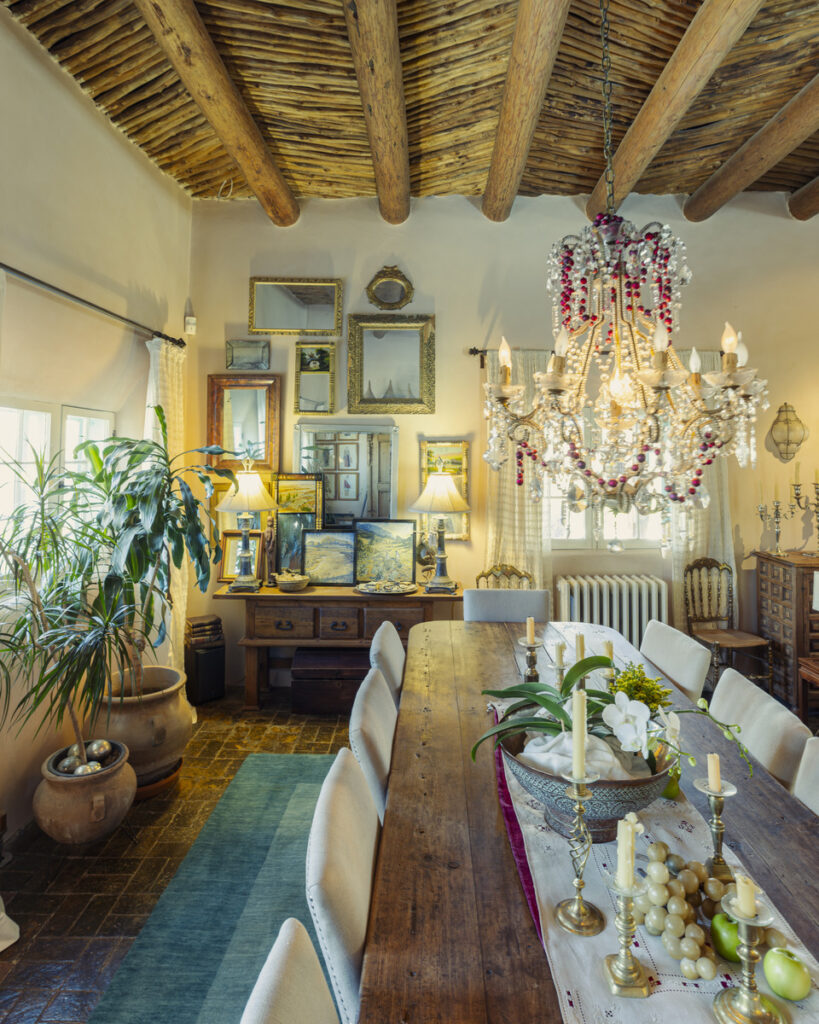
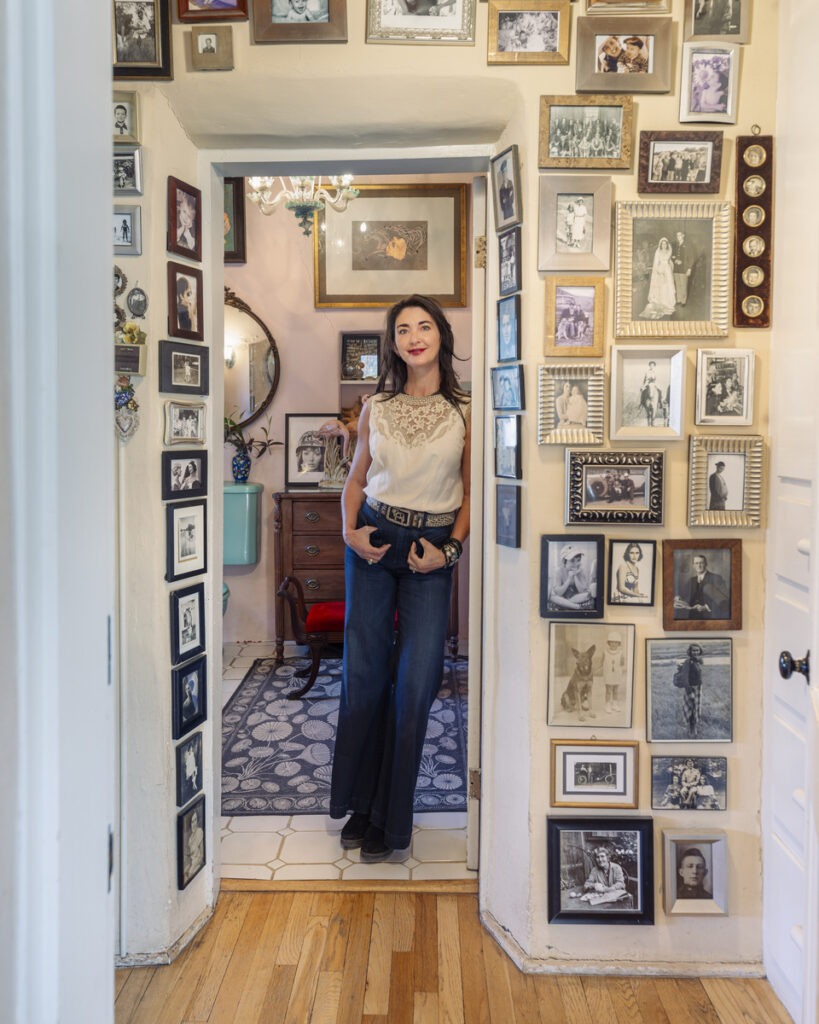
Family also played a big part in the decoration and décor of the house. The passage between the kitchen and original, 1930s-era, turquoise-fixtured bathroom has become an ancestral history wall with photographs from floor to ceiling. That, and other rooms, are full of eclectic artwork, furniture, and lighting collected by Adelma’s grandparents, who lived in thirteen different countries around the world. An engineer who built roads, her grandfather accumulated a vast assortment of folk and fine art, which sits on and against walls, on chests and ledges, and hangs from ceilings.
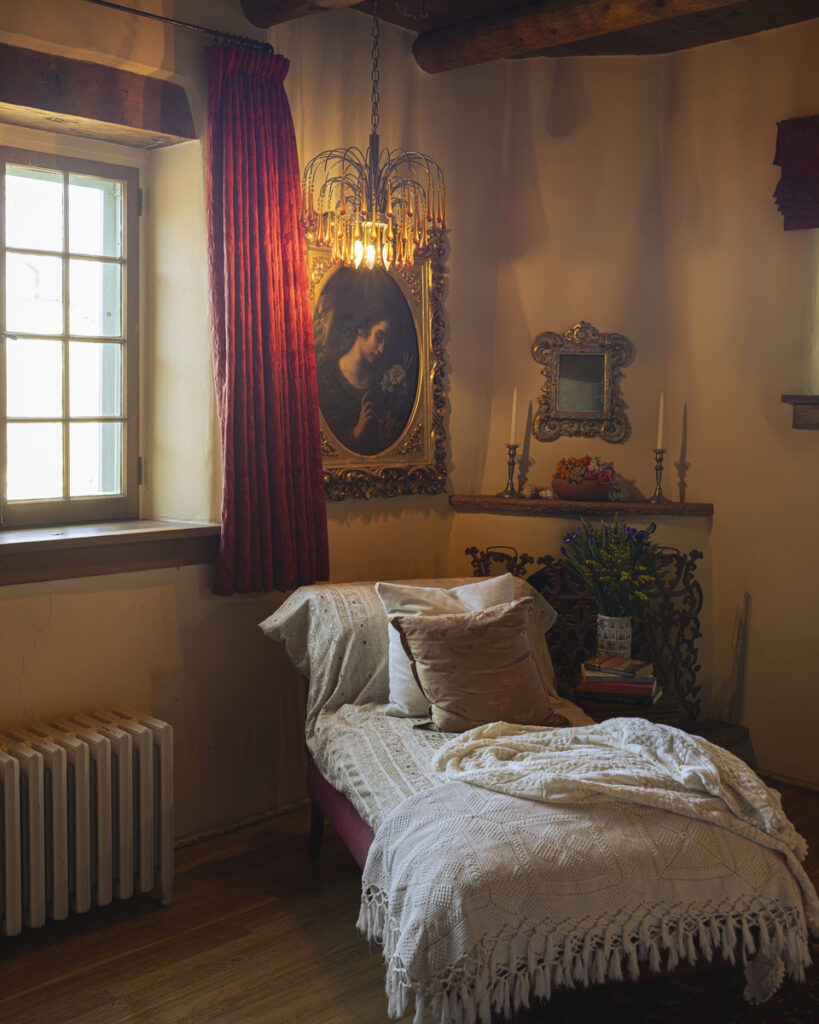
A chaise lounge baths in sunlight from the windows.
There are some serendipitous “it must be meant to be” connections between the Hnaskos and a long-time previous resident family, too. The poet Lucile Adler and her husband Nat lived in the home beginning in the 1940s marking more than 30 years of their own significant moments. Nat, a Harvard-trained architect whose more famous classmate was Louvre pyramid designer I.M. Pei, relocated his family from the East Coast after contracting tuberculosis during internment in a German World War II prison camp.
Renovation Connections
The Adlers replaced the original dirt floors of the grand sala living/dining room with a chevron pattern of bricks purportedly salvaged from a renovation of Santa Fe’s La Fonda on the Plaza hotel, possibly in the 1960s. Lucile, whose poetry was published in The New Yorker and other national magazines, presumably wrote much of her activist and anti-war poems around the kitchen table, even as she succumbed to dementia in her later years. The Adler’s daughter, Kathy, still lives in Santa Fe and has shared many of her memories with the Hnaskos, including that she and her brother had a treehouse in the same tree where Tom later built one for his boys.
Adelma stands in a hallway filled with family photos.
Nat’s illness prevented him from working much, but he did design and build the home’s wooden doors in a long-gone workshop where today sits a backyard gazebo. River rock, excavated during the back yard’s extensive irrigation system fed from the property’s well, form the gazebo’s walls.
Combining the Past and Present in This Historic Home
Adler would also rest and recline on the rear porch with its lush, peaceful view of almost two acres of mature trees. He passed away on that porch in the 1980s and his ashes were interred under a white fir tree seen from the kitchen window. Tom transplanted a volunteer off-shoot of that beautiful tree to a spot near the property’s driveway where it thrives today. In a true passion project, Tom has planted hundreds more in the decades since then.
The couple’s master bedroom, both light-filled and cozy.
In 2011, Adelma’s father spent his last weeks on that same back porch with the same peaceful, green view that Nat Adler enjoyed. “There was something so comforting for me in that. It was as if I could see this sweet, rutted northern New Mexico road, and know that there was already a rut that Mr. Adler had flown from the same spot. I knew that my dad would find exactly the path out, because it’s already happened. And I’m sure it’s happened many, many times. To feel like we’re part of that larger fabric with our own family has been really special for us. Birth and death here, right?” Adelma says.
Maintaining Structure
Of course, a piecemeal house from the 1930s, like many older Santa Fe homes, requires vigilance lest the adobe bricks crumble back into the earth from which they were made. “We walked into the living room (weeks before this article’s photoshoot) and the whole entire floor in the dining room around the radiator had sunk. And wow, guess what? We had squirrels living underneath who had excavated a void that fell in,” says Tom wryly.
It’s a small price to pay for a house that is more than walls and floor and brick and windows. It’s a home, layered in history and life and memories. Home to the Adlers, now the Hnaskos, and one day another family who will live in and treasure this special place as well.
Finding your dream home or deep into a new build or renovation? Then you know all too well that a home is more than walls, electricity, and running water. It’s all about the little — and not so little — touches that make a house a home. Some of Santa Fe’s top designers open up their little black books and share their favorite craftspeople — everyone from iconic ironworkers to master woodworkers — for inspiration for your next project.
The Talented Craftspeople of Santa Fe
The early days of our home renovation — turning an adobe chicken coop and rambling succession of rooms into a home — were slow-going. While we longed for the fun of fabrics and fittings, we were faced with the mundane tasks of demolition, concrete slabs, and plasterboard. Like many reno projects, things looked worse before they got better.
With the structure in place, we turned our eye to the look and feel of our home — everything from doorknobs to custom doors and fire screens. It’s these details that transform your home into a place that reflects your style, whether you’re living in an ultra-modern des res, a traditional Pueblo or Territorial adobe, or something in between.
Luckily, in northern New Mexico, we’re spoiled for choice when it comes to artisans who are keeping alive, and reinterpreting, traditional crafts such as woodworking, dry stone walling, iron and tin work, and custom furniture making.
Caleb Kullman combines traditional blacksmith forging techniques with modern machinery to create everything from entry doors and gates that look like they’ve stood for ages to practical yet stylish fireplace screens and tools. Designer Chandler Prewitt has worked with Kullman on several projects including custom gates and recently a beautiful fireplace tool kit. “Working with Caleb Kullman has been a seamless and inspiring collaboration,” he says. “His exceptional craftsmanship, attention to detail, and unique point of view consistently elevate our designs, bringing our creative visions to life with precision and artistry.”
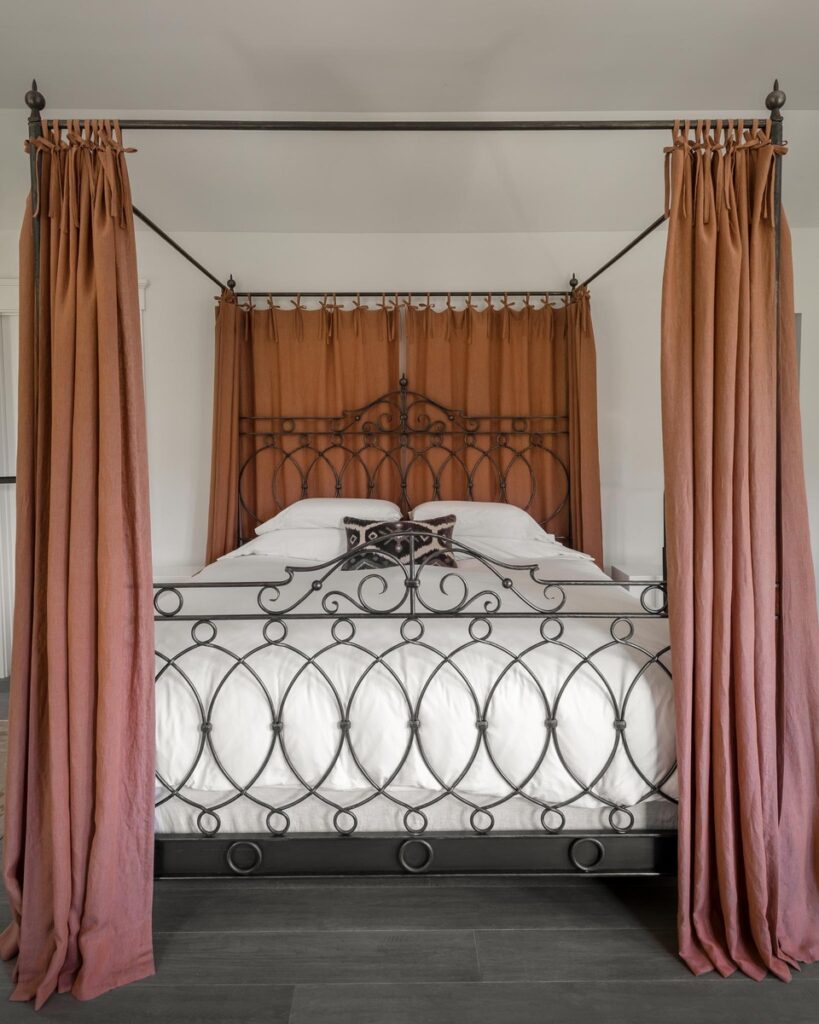
Steve Dulfer designs custom historical and contemporary ironwork. He ranges from furniture to lighting, gates, railings, and hardware. Designer Melinda Browning has worked with him on several projects for her clients, including a piece inspired by a historic gate she saw on a trip to Charleston. “Two years later, Steve and I were ruminating on a few pieces for a project I was working on, and I pulled out the photo of the gate and said, ‘What about a bed inspired by this gate?’” The result was a king-sized bed frame that spoke to that early inspiration. “Steve’s unique ability to take the seeds of an idea and refine them into something both useful and beautiful is a gift to the homeowners who live with his incredible work,” she says.
Woodworking
Roque Marquez
Jane Smith, interior designer and author of Santa Fe Sense of Place, has an eye for detail and the work of Roque Marquez is a case in point. “I first met him over 30 years ago,” she recounts, “when he was carving exquisite, lifelike birds out of a single piece of wood. He moved on to design his signature cross shutters (seen here in a home designed by Mary Clark) and now creates custom furniture, kitchen cabinets, doors, gates, windows, fences, and more,” Smith says. Call him at 505-501-1114.
Santa Fe-based French & French have collaborated with Christopher Thayer for years to create custom pieces for boutique commercial and residential clients. “Many of our projects with Christopher draw inspiration from historic New Mexican furniture designs, dating back as far as the 1700’s. Christopher’s deep expertise in historical furniture design, combined with his exceptional artistic vision, have resulted in breathtaking, one-of-a-kind creations for organizations and families alike.”
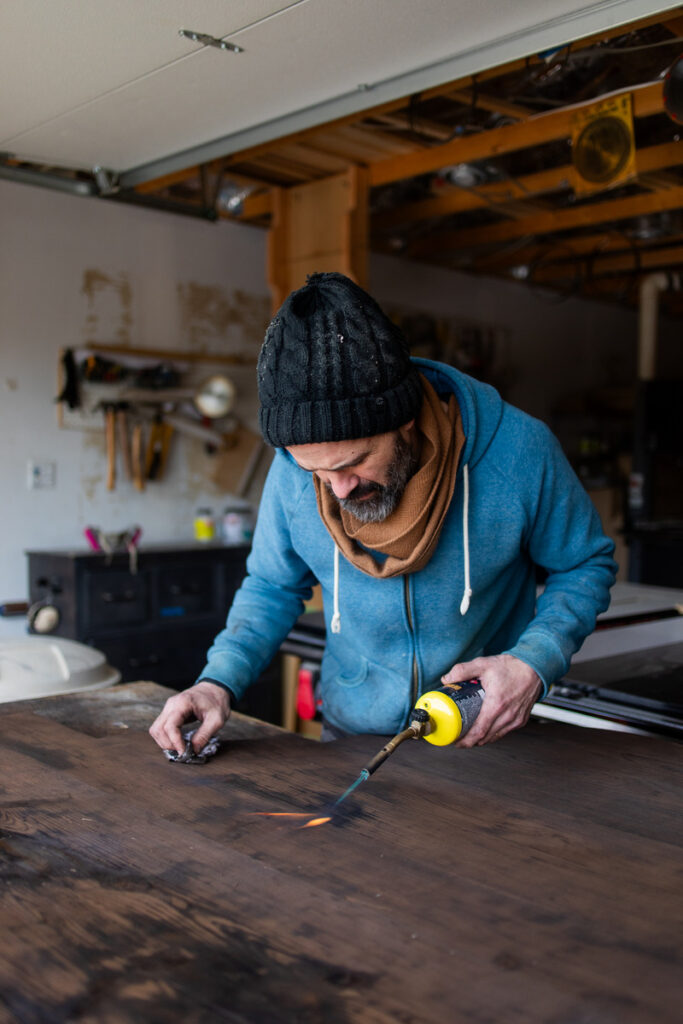
Another French & French favorite is Mike DeEmedio who relies heavily on hand tools – hand planes, scrapers, hand saws, chisels and such — to create his stunning artisan pieces including chairs, cabinets, and tables. “Our most recent collaboration with Mike was to create 14 custom headboards for the Modern Elder Academy’s campus in Santa Fe,” they say. “Mike employed the Shou Sugi Ban technique — a captivating Japanese tradition that not only strengthens the wood through charring but also imparts a striking elegance to its finish.”
Thea Mason, Interior Designer and co-owner of Three Roots, works closely with Rodrigo Rodríguez, a woodworker who creates furniture, décor and kitchen pieces for clients across the southwest in his Santa Fe workshop. “As a designer, I have a distinct vision of how I’d like to execute my designs,” says Mason. “Finding an artist to help make that reality happen is like striking gold. That’s why I respect and appreciate working with Master Carpenter Rodrigo Rodríguez. From concept to completion, he’s a great joy to work with.”
When they need bespoke furniture, V&R team John Hare and Kelly Collum often turn to Boyd & Allister for pieces that are not only durable and functional, but also works of art. “What sets them apart is their unwavering commitment to quality, sustainability, and innovative design,” the two say. Boyd and his team are deeply versed in traditional woodworking techniques. “They combine these methods with modern aesthetics to create timeless pieces that resonate with both contemporary and classic interiors.”
Bill Graveen
Emily Henry of Emily Henry Interiors works closely with Bill Graveen of Graveen Design Studio for high end cabinetry and furniture. “We have collaborated on many projects and the results are consistently superb. He operates very under the radar, doesn’t have a website or social media account, but people in the know, know about him,” she says. “He started his career working in NYC and Long Island and moved to Santa Fe about 30 years ago. If you ask him how he ended up in Santa Fe, he will tell you that he was traveling across country checking out places to live out west, and then he kinda ran out of money in Santa Fe,” she laughs. “The same day he got here, he landed a job and a place to live. Clearly Santa Fe wanted him here.” Reach him at bgraveen@comcast.net.
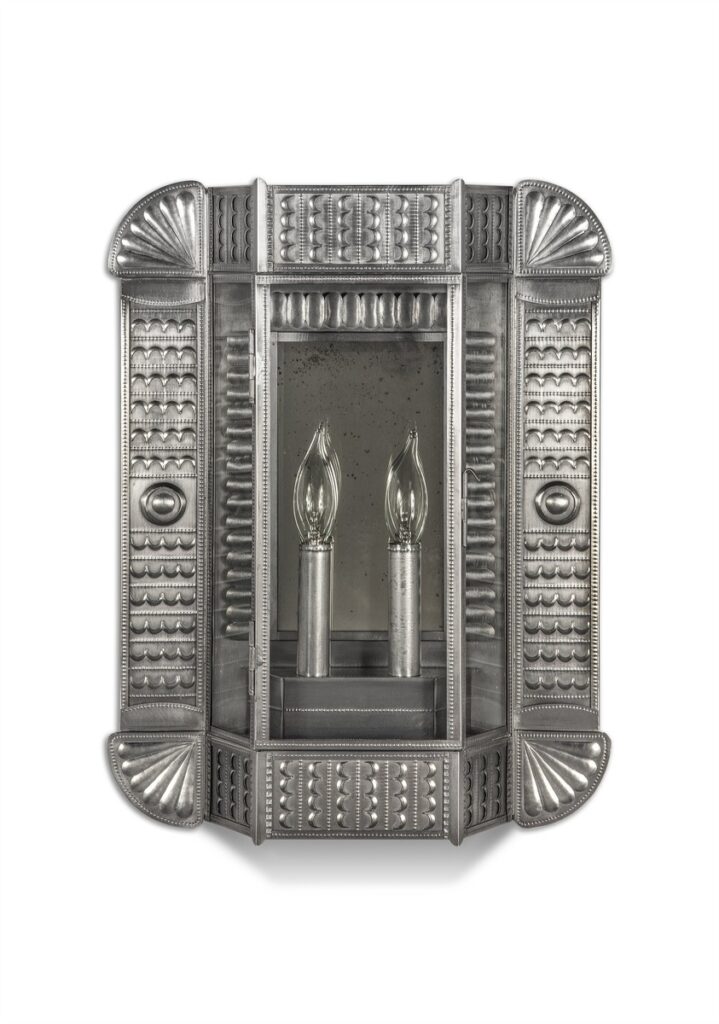
Justin Gallegos Mayrant is a master Santa Fe tinsmith whose work Jane Smith rates highly. “I first contacted Maurice Dixon, author of New Mexican Tinwork, whose chandeliers, sconces, and mirrors I had admired for years but he was no longer doing this, so he kindly recommended Justin Mayrant. I contacted Justin about two custom bath mirrors. He came over with ideas, photos, and tin, then custom designed and created the intricately innovative mirrors I still cherish. His designs are traditional New Mexican while adapting to the present. The Spanish Colonial Arts Society has also purchased pieces for their collections.”
Two gold leaf frames made their way safely from the east coast to our new home. After unpacking them, we discovered my father was expeditious with gorilla glue for repairs. Goldleaf Framemakers not only repaired an ornate Italian leaf frame and a French ‘bridal’ mirror but fitted each with custom silver-leafed glass, in keeping with their ages. Their work is meticulous – no wonder museums and galleries around the world turn to Goldleaf for both restoration as well as new frames.
Gallerist Aaron Payne of Aaron Payne Fine Art notes that the gilding techniques Goldleaf use are the same ones used during the Italian Renaissance. “We are lucky to have one of the finest framemakers in America here in Santa Fe. I encourage my clients from all over the country to have their work framed here,” Payne says. “The quality of the work is unsurpassed and they have deep knowledge about frames and what type of frame will work best with a particular work. They are a team of artists too, so they love what they are working with, and appreciate it.”
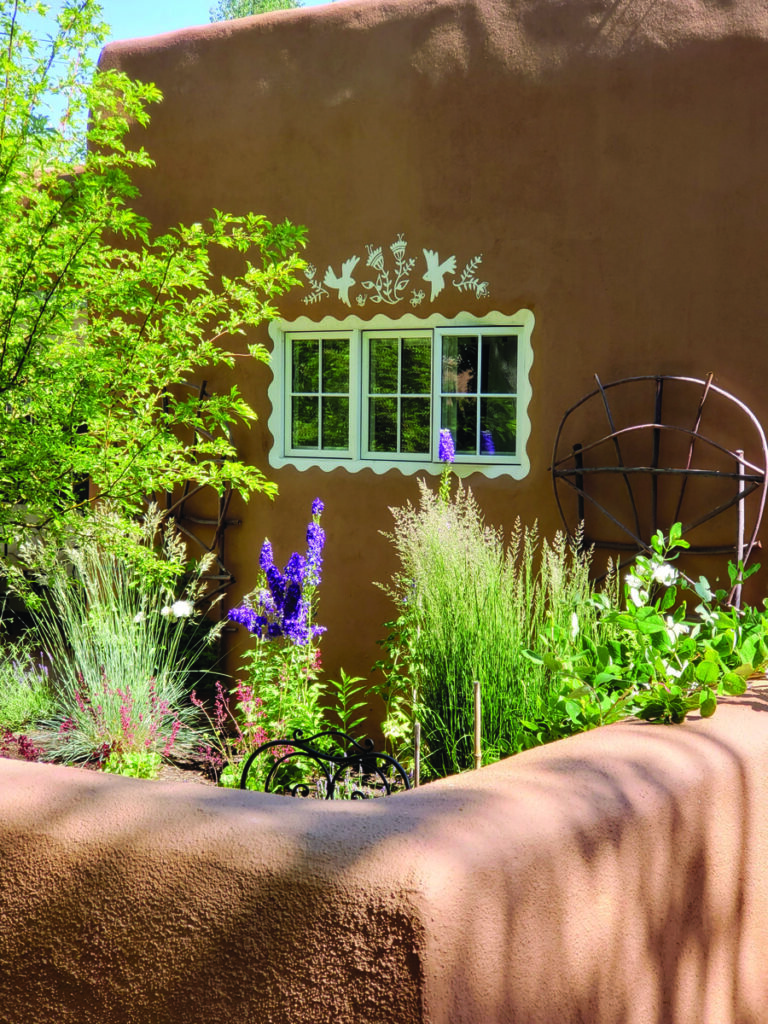
Drive around Santa Fe’s Eastside and you might notice beautiful paintings of birds and flowers that seem to float around exterior windows and doors. This is the work of Jessie Baca. Jane Smith is so smitten with the work that she had Baca create distinctive murals at her own home. “Jessie Baca paints in the Artisan tradition, which is deeply symbolic and often depicts animals and plants. Once she designs for you personally, she paints free hand on glass, plaster, and walls inside or out from small scale to large murals. Her art feels magical and adds joy and life around and in Santa Fe,” Smith says.
Rosas Doors
Rosas Doors, a family-run business, created the interior handcrafted doors for our own home renovation, including a series of arched doors that carry the eye down our hallways and create a sense of timeless elegance. Our inspiration was a series of 16th century Florentine doors that Rosas interpreted in perfect Santa Fe style. Give them a call at 505-795-2396.
For any stone or marble work, Sherpa Stone is a must. They cut and fabricate stone whether it’s for kitchen countertops or a shower walls. They also have an extensive selection of stone on site, like the mottled grey soapstone we fell in love with and chose for our bar and sink.
Doug Oliver makes hand-carved doors and mantel pieces, drawing on John Gaw Meem for inspiration for our fireplace. Oliver works in both wood and clay and says he’s inspired by nature, art, people, and history. “What I try to capture most in my sculptures is movement and light,” he says.
Lastly, to the great outdoors. For another project we worked with dry stone wall guru Joe Dinwiddy, aka Dry Stone Joe. He took a lackluster garden and created a series of low walls and also planters that gave the space depth and dimension. He learned his craft during its revival in central Kentucky in the mid-1990’s. Each stone is cut to fit seamlessly next to its neighbor, like the perfect jigsaw puzzle.
The Recommenders
When we wanted to create a resource guide to Northern New Mexico’s top craftspeople, we knew who to ask. Here are details for the designers and gallerists who kindly opened their little black books to share the artisans with whom they relish working.
The food and drink scene in Santa Fe today embraces the outside world, while maintaining a rootedness in this place. Gone – for the most part – is the kitsch of kokopellis and howling turquoise wolves, replaced with a matured scene of greater authenticity, and an embrace of contemporary restaurant design that leads to restful, tasteful vibe. Cultural diversity is also on the menu. And, of course, there’s deliciousness at every turn. Bill Smith takes us on a tour.
While the culinary style of Santa Fe has evolved over the past decades, a handful of restaurants continue to underscore the timelessness of exceptional dining that exudes Santa Fe style. This group includes restaurants like Canyon Road’s The Compound (established in 1966) and Geronimo (1991), as well as Coyote Café (1987) and SantaCafe (1982) downtown. Friends in from DC and no slackers when it comes to fine dining, couldn’t rave enough about Geronimo. The same for The Compound which was a finalist for the coveted national Outstanding Restaurant award, thanks to dishes like their iconic Maine lobster and bay scallop with avocado, squid ink brioche, fine herbs and mustard-chive beurre blanc.
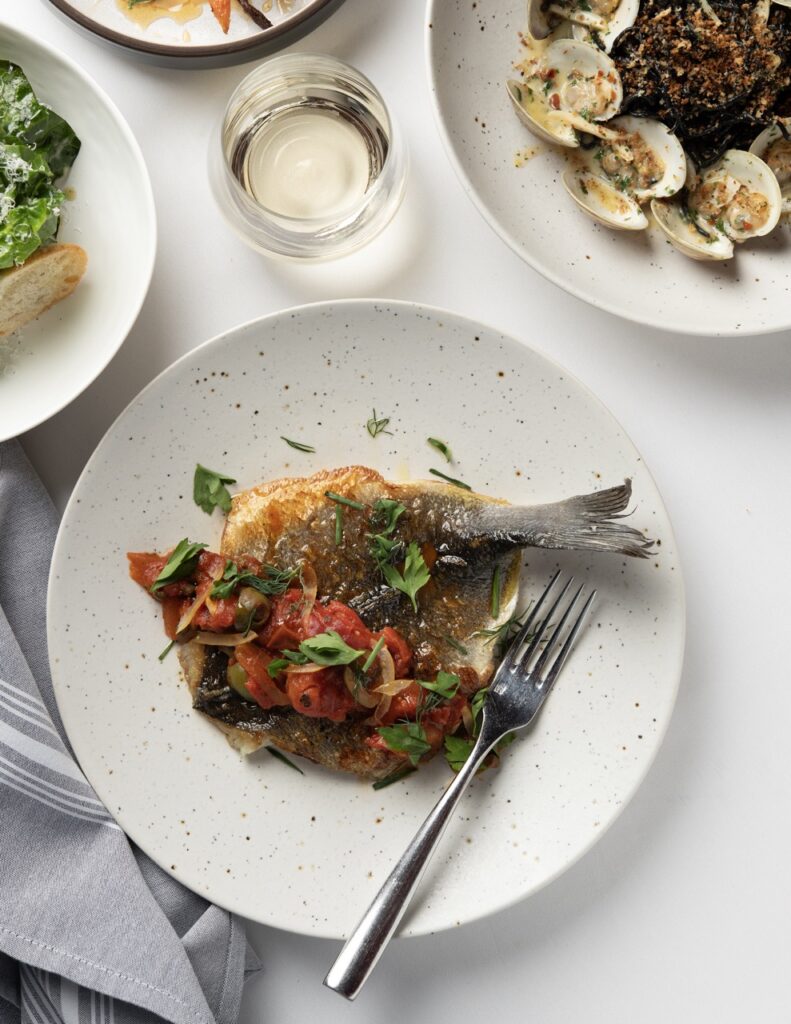
Palace’s Whole Branzino by Doug Merriam.
The Evolution of the Santa Fe Restaurant Scene
Today, both Coyote Café and SantaCafe are in the trusted stewardship of Quinn Stephenson, who began as a busboy at Coyote Café more than 25 years ago. “The old timers have seen (Coyote Café) go from cowhide chairs to LED artwork, from wooden mariachis to gorgeous murals, from hot dogs on the patio to filet mignon, from margaritas to liquid nitrogen martinis, and from a few dozen wines on a list to a curated global selection,” he says. “I enjoy the evolution and I’m proud that both of our restaurants are staying relevant.”
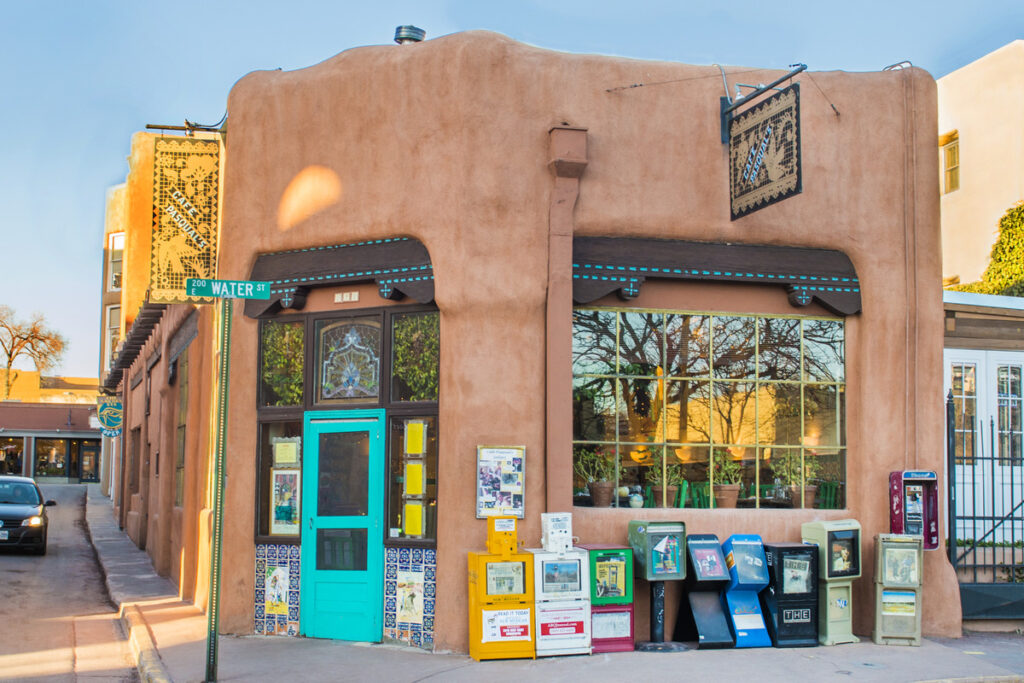
Long before the limelight of these restaurants, traditional New Mexican food was painstakingly prepared in legendary establishments like The Shed (1953) and thirty years later its sister restaurant, La Choza. Crowds of both locals and tourists, continue to line up for a table at these restaurants and others like Cafe Pasqual’s, where Katharine Kagel has been delivering the flavors of both Old and New Mexico since 1979.
Cocktails and at Santa Fe’s Alkeme by Doug Merriam.
Diversity has grown, thanks to the rise of food trucks which have popped up everywhere, serving everything from pizza to El Salvadoran pupusas, to Thai curries and the best tacos and burritos. Food halls, on the other hand, which have blossomed elsewhere, have struggled with just two, Capital Coal and Chomp. But plans to launch a new mega-food hall downtown by the same team behind Sawmill Market in Albuquerque may change that.
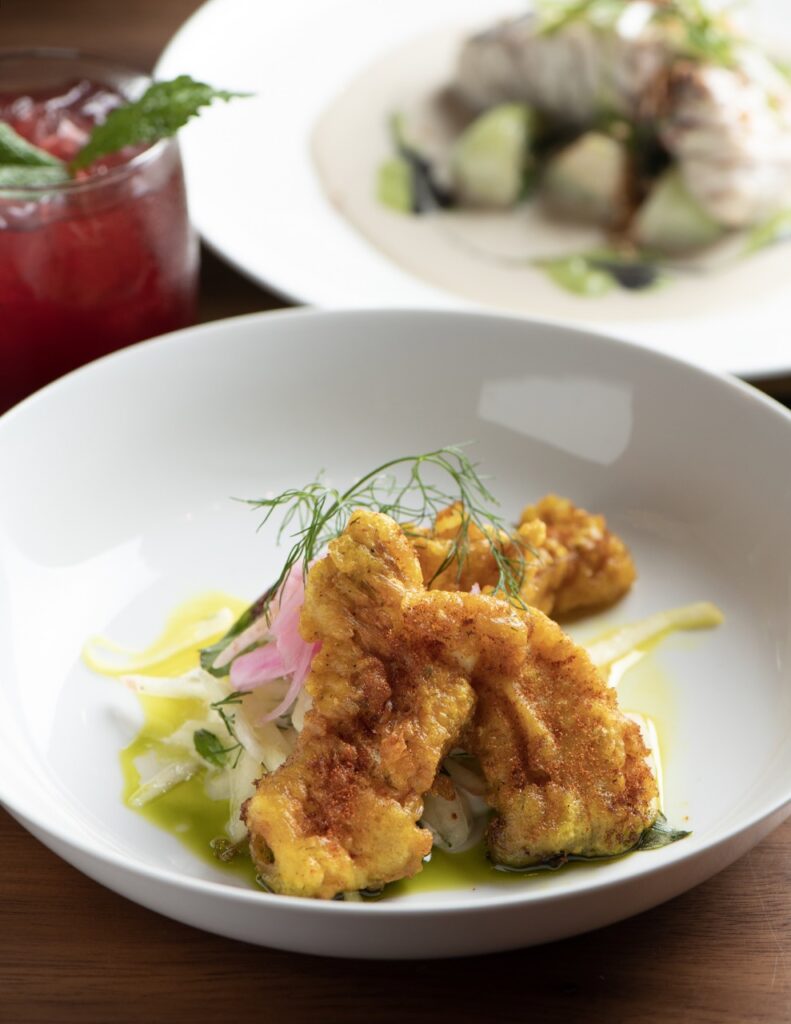
Chá Cá-Crispy Turmeric Cod at Alkeme.
Bite Into Something Contemporary
Contemporary international cuisine is flourishing with restaurants like Joseph’s Culinary Pub drawing crowds. Asian options are perhaps more sparse, with Alkeme and Izanami leading the way. Both have carved out niches and very loyal followings. Chef Ahmed Obo and his James Beard award-nominated Jambo Café reflect our growing love of and interest in different cuisines as well as the growing diversity of our population. His Caribbean spiced ox tail with mofongo and collard greens is a unique standout.
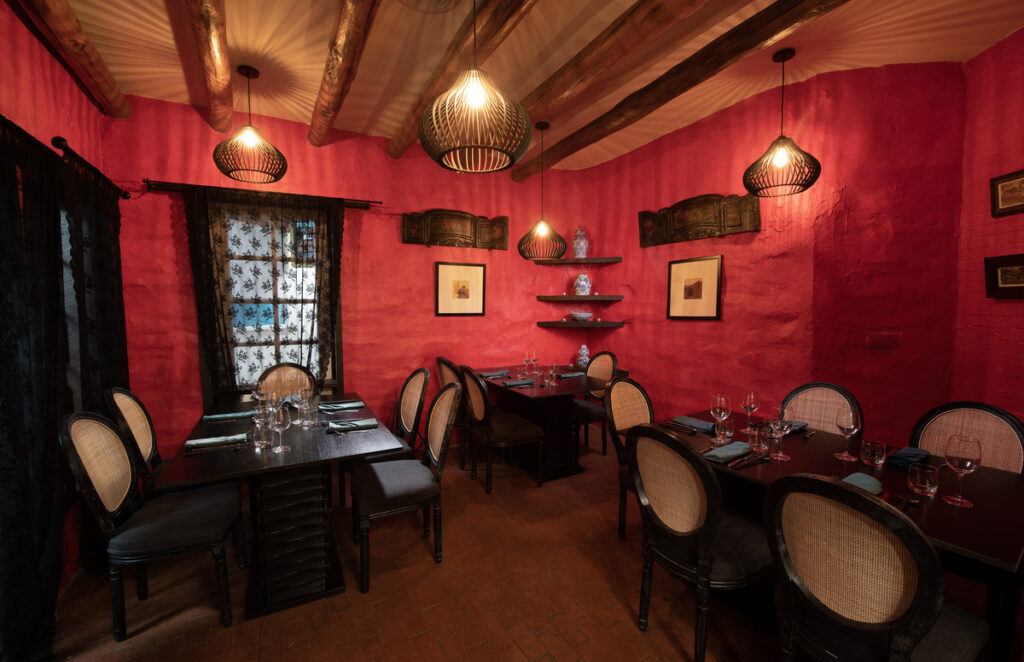
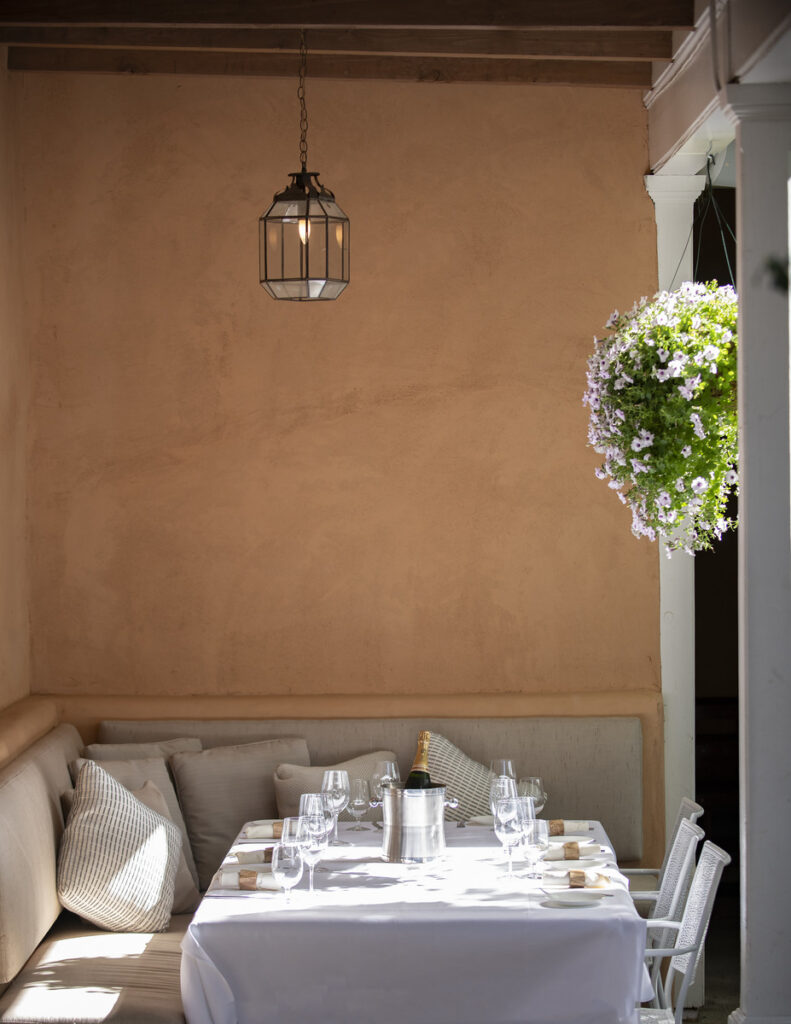
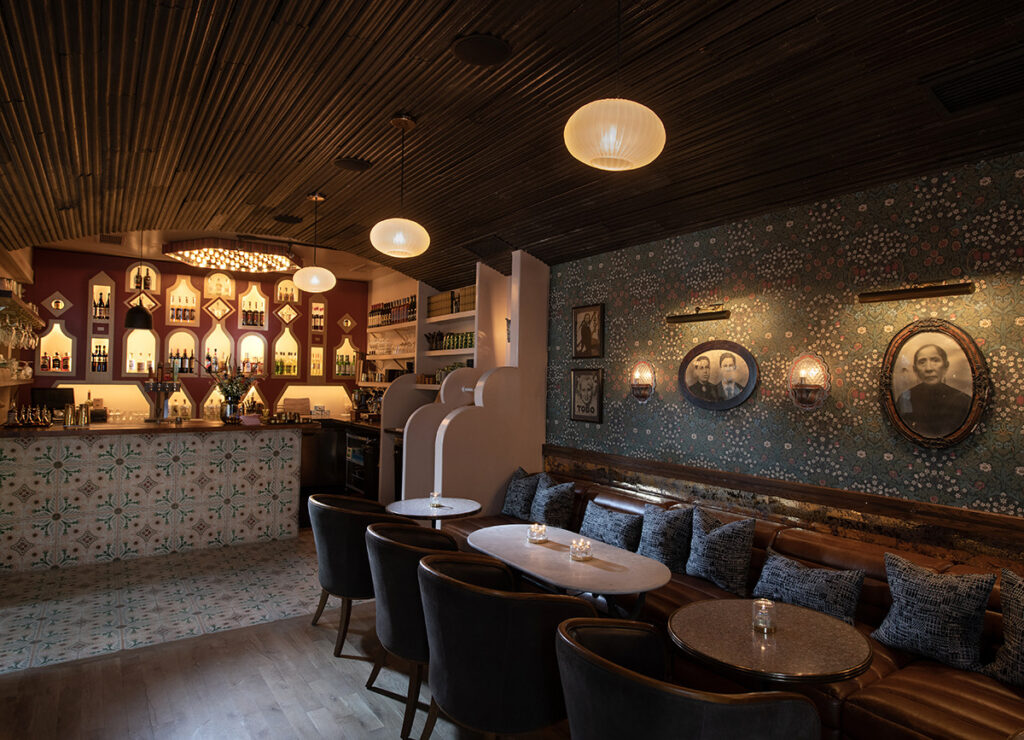
The dining area at Santa Fe’s Alkeme.
A Special Look at Santa Fe Bars
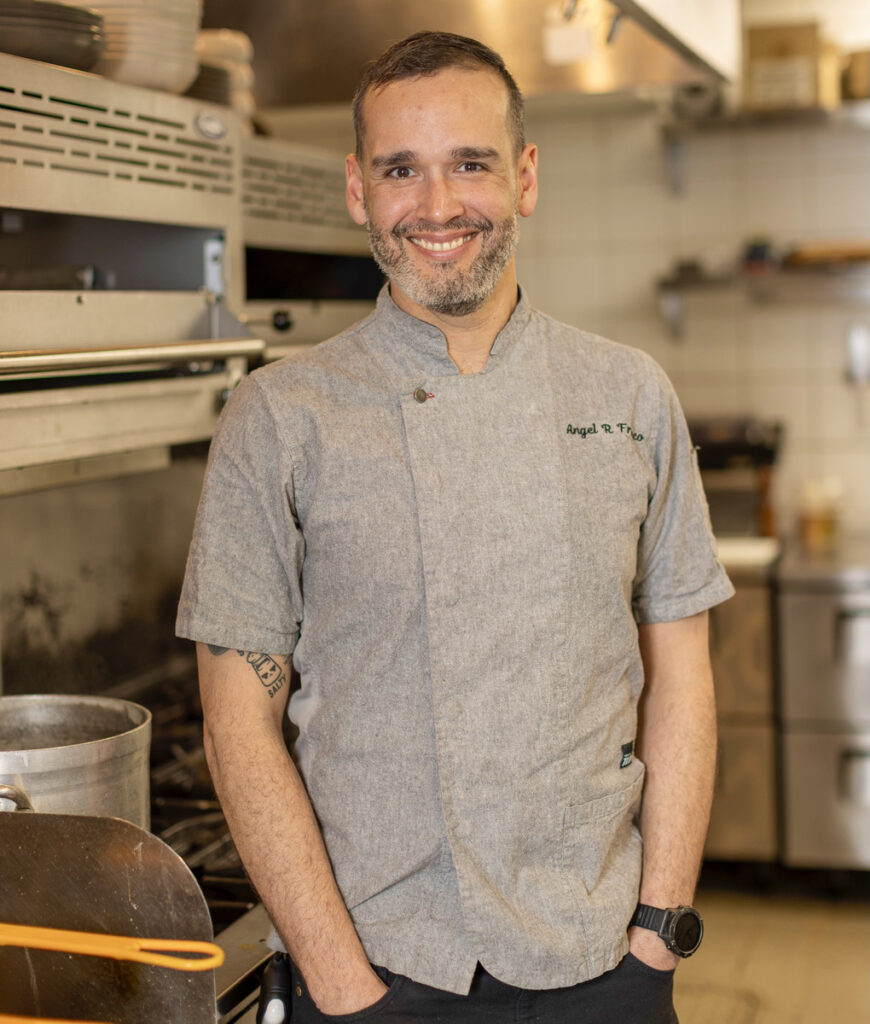
The bar scene has never been stronger. Watering holes like all-cash Evangelo’s as well as Tiny’s and The Matador blissfully persist while more recently opened establishments elevate the humble cocktail to star status. Places like the renovated bar at the Palace where the House Old Fashioned finds a perfect Santa Fe interpretation, replete with aged Mexican rum and mole bitters. At this new breed of bar, the food holds its own thanks to chefs like Palace’s Angel Franco – one of the most exciting new chefs to make Santa Fe his home – with dishes like his lamb tagliatelle with fresh pasta, merguez sausage, tomato and mint.
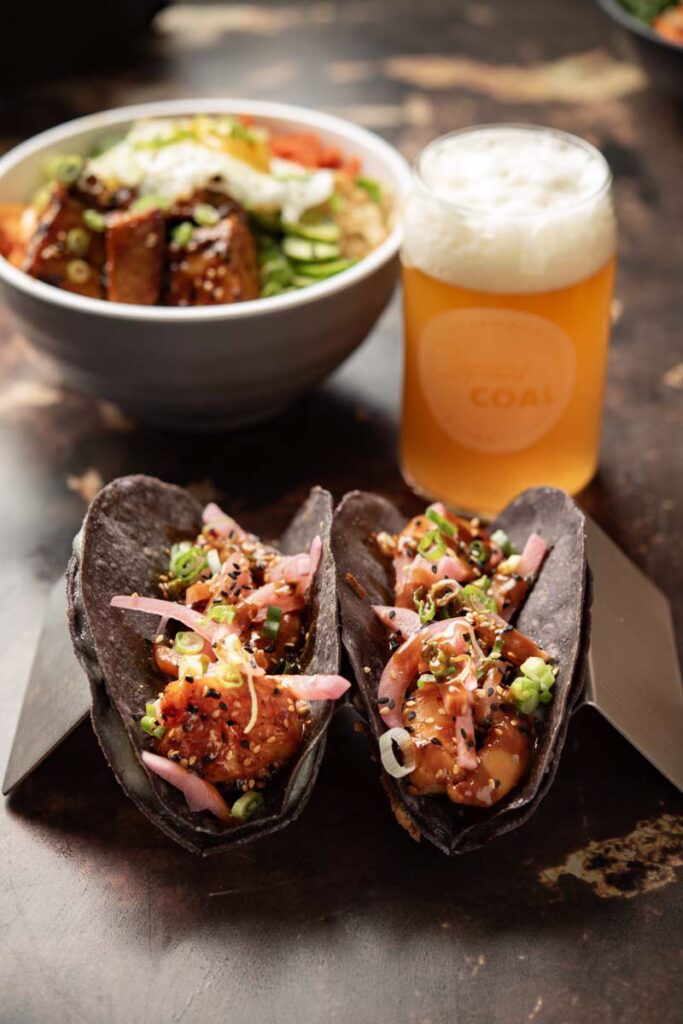
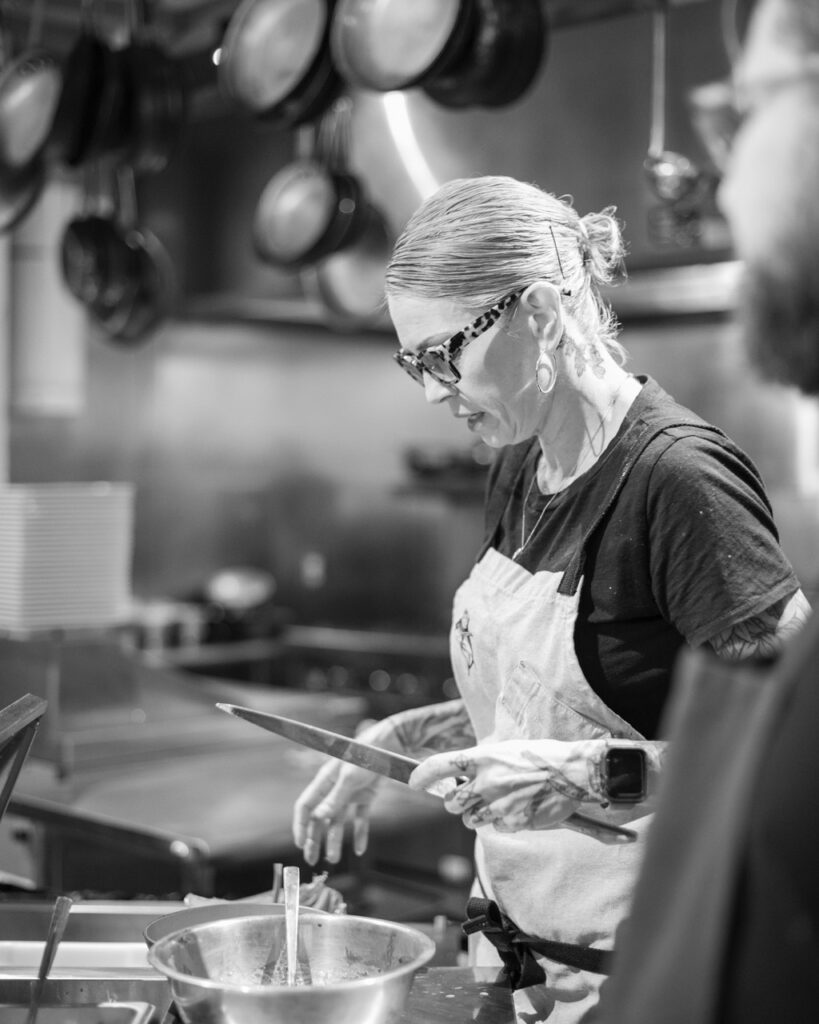
Capital Coal’s Tacodilla and Chef Dakota Weiss at work by Doug Merriam.
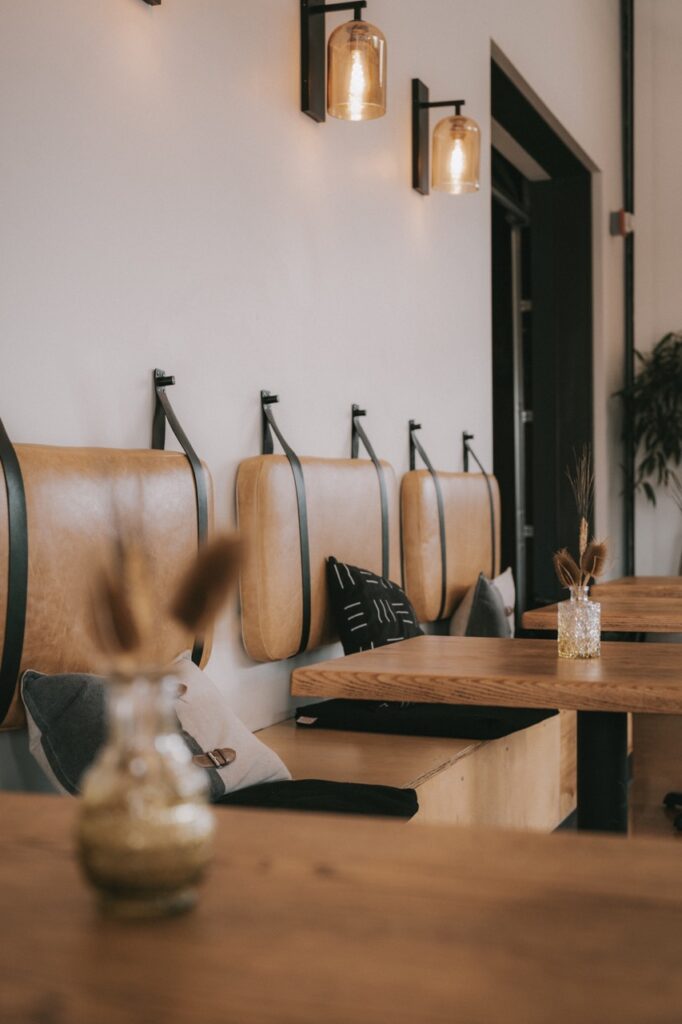
At the Tack Room, tucked into the recently re-opened Market Steer (where tapas-focused El Meson operated for a quarter of a century), the sexy, dreamy bar gleams under subtle lighting. It encapsulates the casual elegance and often neutral palette of today’s Santa Fe style. The cocktails deliver on the promise of the look of the place, like the Manhattan Steer, deploying barbeque bitters for a steak house vibe and the Tequila Mockingbird with muddled watermelon and jalapeño that might well entice Atticus Finch into intemperance. With the restaurant’s full menu available at the Tack Room, it’s the best of both worlds.
New Mexico-based microbreweries, distilleries, and vintners are another welcome addition to the scene. In the railyard, both Second Street Brewery (which has shuttered its namesake location) and Nuckolls Brewing are serving craft brews alongside great pub grub. And if, on one of our perfect, temperate afternoons, you’ve never been to Santa Fe Brewing’s location by their production facility out off Highway 14, you’re missing out.
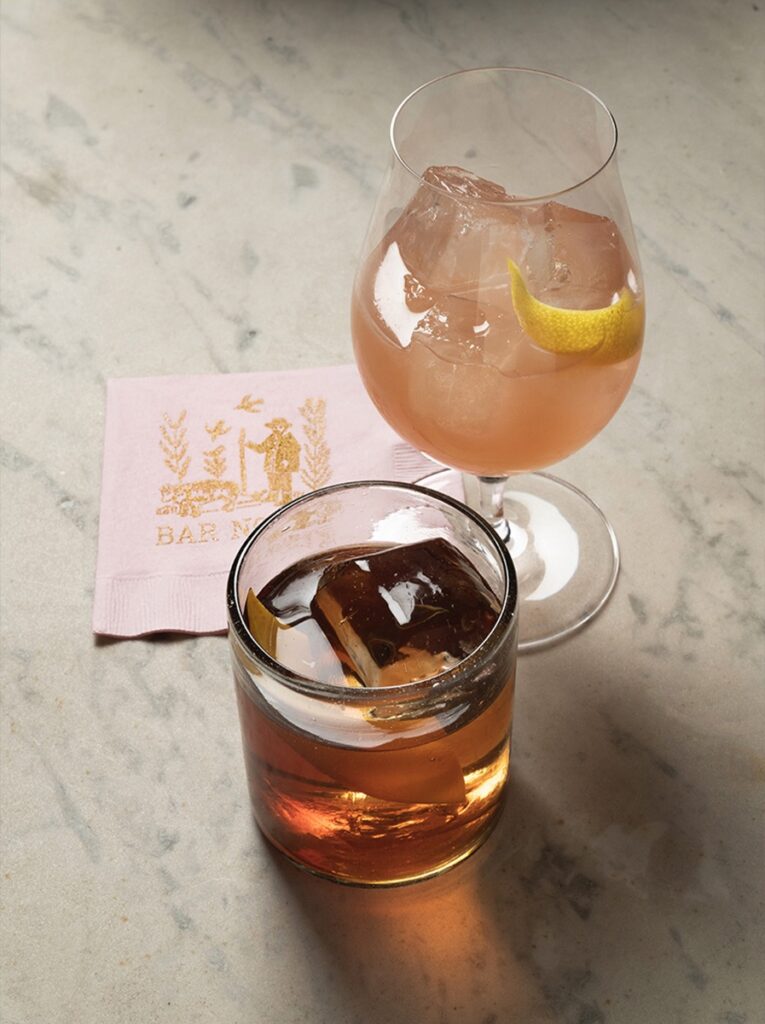
Distillers like Santa Fe Spirits, Tumbleroot, As Above So Below, and Los Poblanos (at their stylish Bar Norte location on Washington Street) are all creating an exciting cocktail culture that goes way beyond the standard fare. Los Poblanos’ Lavender Gin, with botanicals from their property in Los Ranchos de Albuquerque, is an exquisite expression of the spirit.
Chef/Owner Joseph Wrede and refined pub fare at Joseph’s Culinary Pub by Doug Merriam.
Similarly, winemakers across the state have established a presence in Santa Fe, demonstrating the staying power of wine making in the oldest wine making region of the United States. Both Hervé and more recently, Vara, have tastings rooms where you can not only imbibe reputable wines, but also partake in small bites and well-curated charcuterie.
Los Poblanos’ Santa Fe outpost Bar Norte by Doug Merriam.
Truly From Farm to Table
And finally, there is an increasing connection between local farmers and restaurants with an eye to creating a sustainable food ecosystem. I love bumping into local chefs at the farmer’s market, knowing they are assessing the availability of local produce and proteins that will shortly make their way to diner’s tables. The kitchen at Plants of the Southwest is another example of this trend, as is the array and quality of produce made available by the non-profit Reunity Resources.
Cocktails at Los Poblanos’ Santa Fe outpost Bar Norte by Doug Merriam.
And of course, we have just scratched the surface of the great diversity in offerings for all things food and beverage in Santa Fe. It is truly an embarrassment of riches that continues to evolve in exciting and inviting ways. Salud!
What is Santa Fe style? Where did it come from? Where is it going? These are some of the questions we ponder in this issue. Because TABLE is about all the things that make for a good life, we found ourselves wondering (as we always do) not just about the food we eat, but also about what we wear, where we live…and what we love about the whole of it.
Curating Santa Fe Style in Fashion, Home, Cuisine, and Beyond
New Mexico is all about the individual – the soft-spoken rule breaker rather than the strident rule maker. The murmuring iconoclast, not the shouting ideologue. The maverick over the nabob. As we contemplated the style of this beloved place, we found amazing interlocutors. From the always thoughtful Teresa Robinson of Living Threads, who curated our cover shoot with loot from local boutiques, to the six New Mexicans who modeled for us, each the epitome of individuality that is at the heart of Santa Fe style, we were dazzled by everyone we encountered. Photographer Ashley Lynn captured the magic.
What we learned is that Santa Fe style, indeed New Mexico style, is more eclectic and personal than ever. That it draws on an increasingly diverse, international-minded citizenry who value quality, connection with the maker, and clothes that are as comfortable as a second skin. Labels, fast fashion, and the hottest look are not for these souls. They’re devoted to a new wave only now being defined by trend forecasters: a post-trend era where we curate a life well-lived because it is not defined by consumerism and its hollow, short-lived pageantry, but by compassion, connoisseurship, and comfort.
And Christine Mather invited us into her home to meet her and Santa Fe Style co-author Sharon Woods. She discussed the age old, time-tested characteristics of a northern New Mexico home. But she also noted that nothing stays the same: if an idea is alive, there is movement and life in it. It inevitably evolves with the lives of the people who keep its flame alive, and the needs of the place it embodies. As she often says about the subject of her nearly forty-year-old tome: Santa Fe style is dead! Long Live Santa Fe style!
Diving Deeper into Santa Fe
Once you’ve strolled through the clothes and the homes in this issue, please ponder two deep-dive resource guides. First, some of our favorite designers and architects opened their little black books to share the names of master woodworkers, tinsmiths, furniture makers and painters with whom they love to work. Each one is a reminder that New Mexico is rich with what makes a house a treasured home.
As always, our gallery guide and cultural calendar keep your days – and nights – full, no matter the parameters of your Santa Fe style. Because at the end of the day, we live life differently here. Personality, individuality, and vision are as prized in “the 505” as always. May it always be so.
Story by Julia Platt Leonard and Keith Recker Photography by Ashley Lynn Modeling by Tira Howard
New Mexico is a thriving hub for movie and TV production. This spring gives an opportunity to focus on film through Experiments in Cinema at Guild Cinema in Albuquerque from April 16-20.
Explore Albuquerque Film at the Experiments in Cinema Festival
Sanctification, Kokou Ekouagou, Togo
Bryan Konefsky’s blood must surely be made of celluloid, so deep is his fascination with and appreciation of experimental films. His organization, Basement Films, has collected some 6,000 16-mm film prints housed at Central New Mexico Community College available for scholars, researchers and artists to browse. He also founded Experiments in Cinema, the oldest and most comprehensive artist-focused film festival in the Southwest, called one of the top 10 experimental festivals in the world, and the number one experimental festival in the country by Senses of Cinema magazine.
“We’re the only festival of its kind in New Mexico that celebrates the poets of the film world,” Konefsky says. “These aren’t filmmakers per se, but rather moving image artists who work in sub genres of dance, poems, essay, abstract films, etc.”
In 2025, the festival celebrates 20 years challenging the form, format, content and composition of film, with a roster of more than 100 experimental moving images and film artists from around the world. Special activities include workshops by Christian Haardt, head of the antiquated video archive department at the ZKMCenter for Art and Media in Karlsruhe, Germany, and Takashi Makino, a Japanese experimental filmmaker. This year’s artist in residence is Jeremy Rourke of San Francisco. The festival will also publish a yearbook featuring images of all 20 festival catalogues, a complete list of all the films and artists over the past 20 years, and special anecdotes.
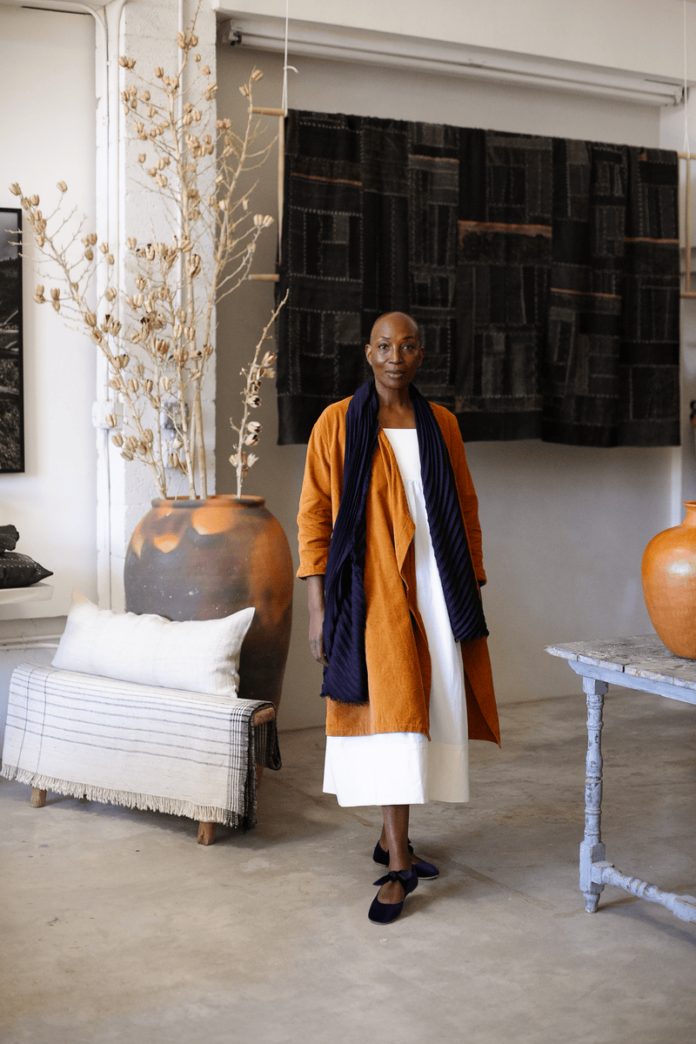
Tracee wears a Tibi dress and Issey Miyake scarf, both from W Department, with a Vlas Blomme coat from TOKo and Daniela Gregis ballerina flats from Santa Fe Dry Goods.
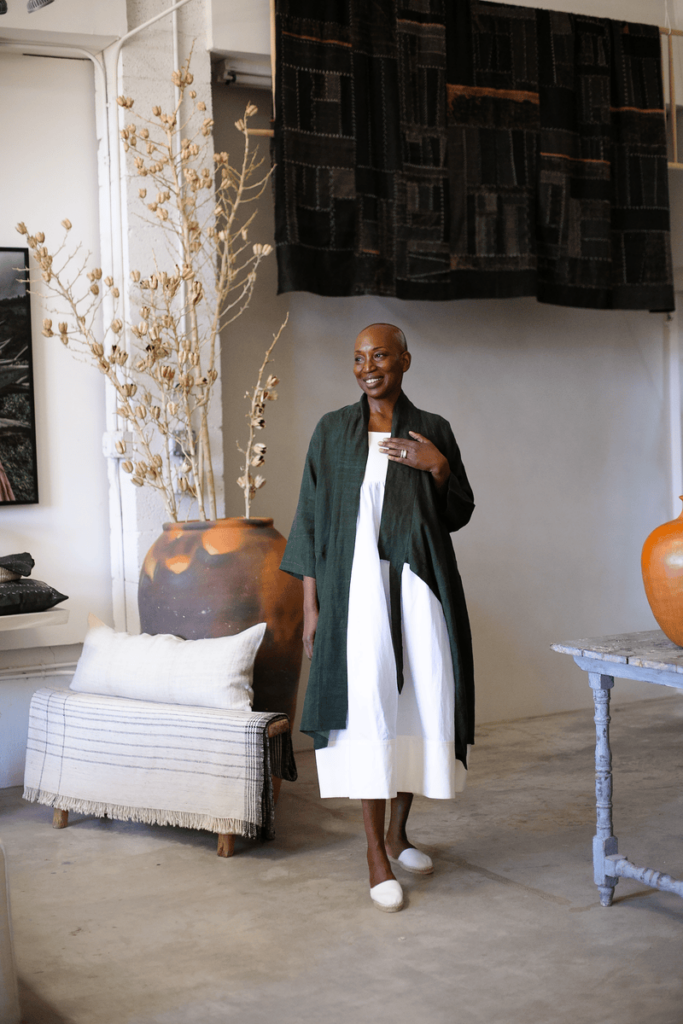
Six citizens of The City Different (Santa Fe) gathered at Lena Street’s Living Threads. They brought favorites from their own closets, layered them with clothes, jewelry, and accessories from Santa Fe shops and boutiques, and allowed TABLE to capture their style for our 2025 Spring Design Issue. A major theme emerged in this facet of our discussion of Santa Fe style: just be yourself.
“I feel like my style has always been a mixture of Obi-Wan Kenobi meets Grace Jones, meets Japanese Samurai warrior, monk-type vibe,” says Tracee. She practices yoga, Qigong and loves to dance. “So, all of those things need to be incorporated into how my wardrobe fits me. And it’s not about what the label is, it’s really about how it feels on my body.” Tracee likes to shop from designers she knows, like her friend Myrah Penaloza.
“I try to look for people that I know who make clothing so I know where it comes from and I know the intention behind it.” Her clothing also reflects her close connection to place and her rootedness in Santa Fe. “I want to feel like I’m part of the environment, and that the environment is part of me. It’s not like I’m looking to make myself stand out,” she says. “I’m more trying to make myself blend in, in a way.”
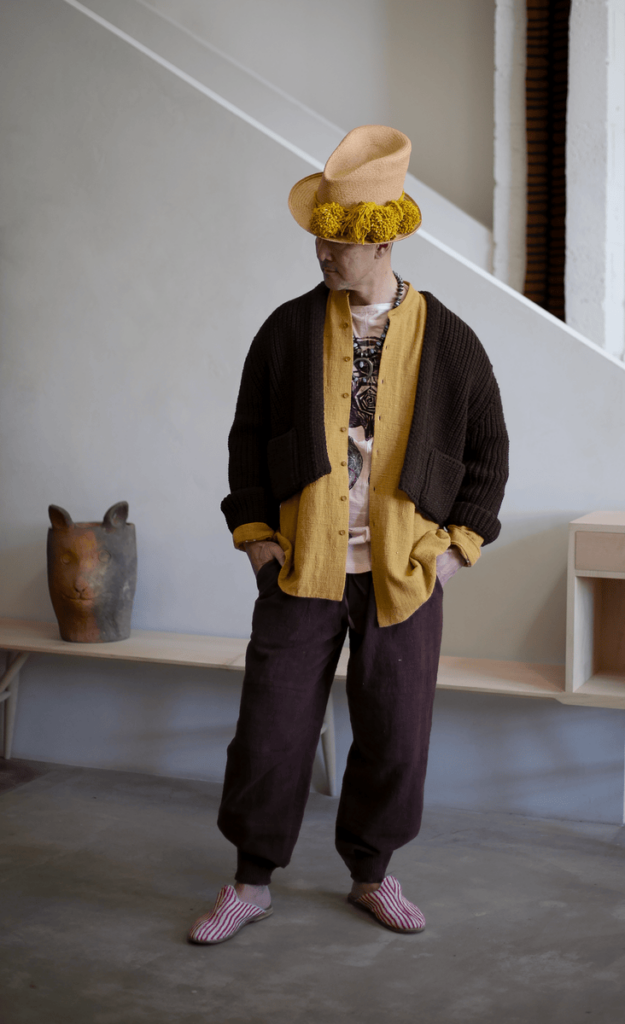
Matt is wearing a Jerry Kaye with Jimmy Dean Horn-design t-shirt from J Justice, vintage Peyote Bird Designs squash blossom necklace, Living Threads pomegranate skin-dyed shirt jacket, an undyed, handknit wool sweater, and pants from Living Threads. The shoes and hat are Matt’s own, decked out with pompoms from Living Threads.
If you’re looking for Matt, he’s probably in his home studio, doing beadwork, walking his dog Cooper or sipping a margarita at Bishop’s Lodge. Think Santa Fe style and many people think Southwest but visit the International Folk Art Market and you’ll see just how international it is, he says. “Santa Fe style is eclectic,” he says simply. His own style? “I’m all over the place. I can be very utilitarian. Sometimes, I’m just wearing things to survive the brutal weather. Sometimes I just like to be bold, which is something I never was when I was living in L.A.” (His go-to L.A. uniform was a favorite cut of jeans, a black t-shirt and maybe a leather jacket.)
“Here it’s a little more varied. Here, we have all four seasons. Maybe that has something to do with it. I feel like you’re more allowed to do whatever the hell you want here.” With more people moving to Santa Fe, he hopes this free spirit will continue. “I hope more people embrace their inner weirdo.”
You’re more likely to find TABLE Contributing Editor Tira Howard behind the camera, but for this issue we persuaded her to don some fabulous clothes and step out in front of the lens. She says this about Santa Fe style: “I think it’s really a blend of cultures and that anything goes. There’s a mix of casual and dressy and it’s almost like casual becomes dressy, and dressy becomes casual in certain environments.” Personally, she likes to take something old-fashioned and make it modern.
“I’ll have a character in mind and then take that hopefully in a slightly modern direction. Some days it’s cowgirl and some days it’s milkmaid, some days it’s a mime. Definitely I like dressing up. Dressing up is fun.” Asked to describe her style in three words, it’s pretty, soft and textured. When it comes to shopping, she’s looking for things that last and loves to shop vintage, including local favorite Santa Fe Vintage.
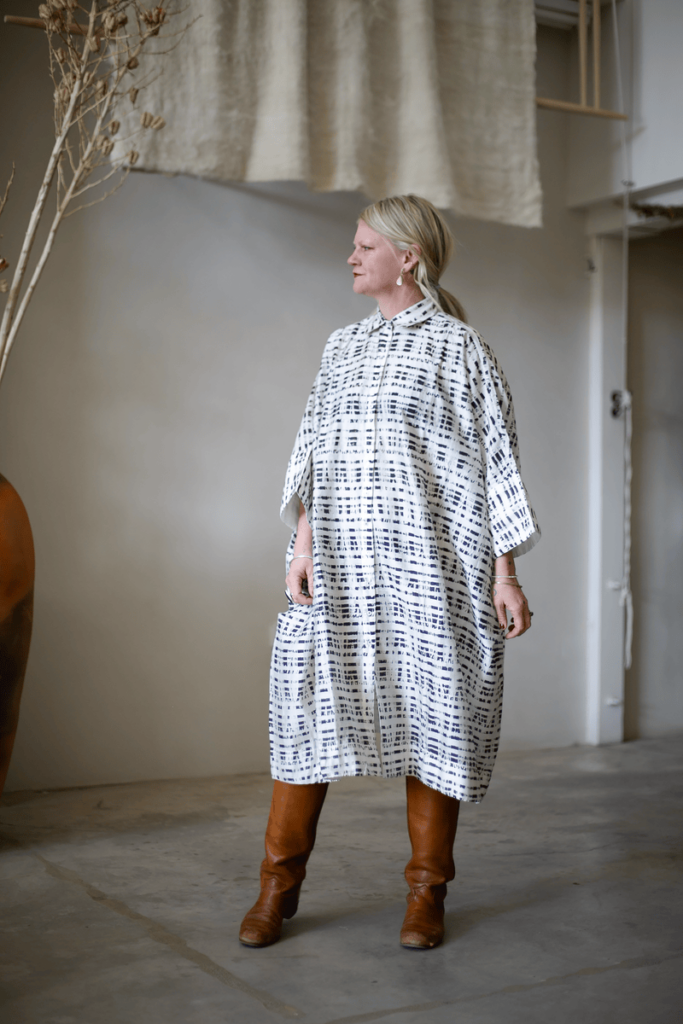
Black and white patterned tunic dress from Amrich at TOKo with Sara’s own boots.
Ask Sara to define her style in three words and there’s not much hesitation. “Artist, work-wear and well-made.” As an artist who divides her time between La Mama and art shop extraordinaire L’Ecole Des Beaux Arts, practicality, comfort, and functionality are key. “I have always tended towards work-wear and identified male clothing,” she says. “I do wear dresses, but it’s more layers and natural clothing and things that are functional and that you can paint in but also look sharp.”
Shopping finds are pieces from her own shop, Living Threads, Spirit of the Earth, La Boheme, Folklore, and 4KINSHIP. Sara says there is an elegance and fearlessness about Santa Fe style – that people are “…not afraid to put things together.” If she’s not at LDBA, La Mama, or home, you’ll find her in the desert, walking in the arroyo, or in Italy or France where she goes twice a year to collect pigments for her art store.
When he’s not at work, you’ll likely find Aaron relaxing at home, in the mountains hiking with his dog Bear, or shopping and visiting museums downtown. He’s noticed a change in Santa Fe style since he first lived here in 1996. “It’s more international, reflecting how the town has changed. Definitely comfortable clothing, definitely versatile, not fancy or dressy,” he says. For Aaron, that means clothes that he could wear hiking or to work at his gallery.
“I also like to wear clothes that would translate to places like Los Angeles or New York.” He describes his own style as classic, with subtle tones, and always comfortable. Favorite shopping haunts include Paul Smith, Agnes B. Rag & Bone in LA, and Living Threads and Spirit of Santa Fe, closer to home. And what’s the future of Santa Fe style? “I think it’s just more of an international style versus a Southwestern style, and I see it evolving that way.”
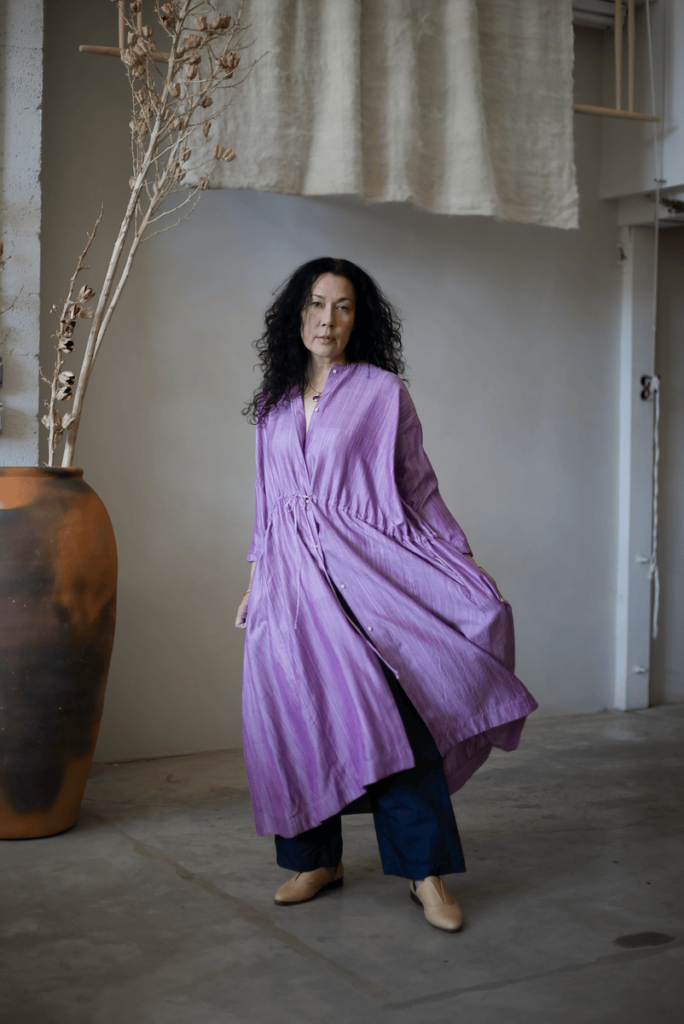
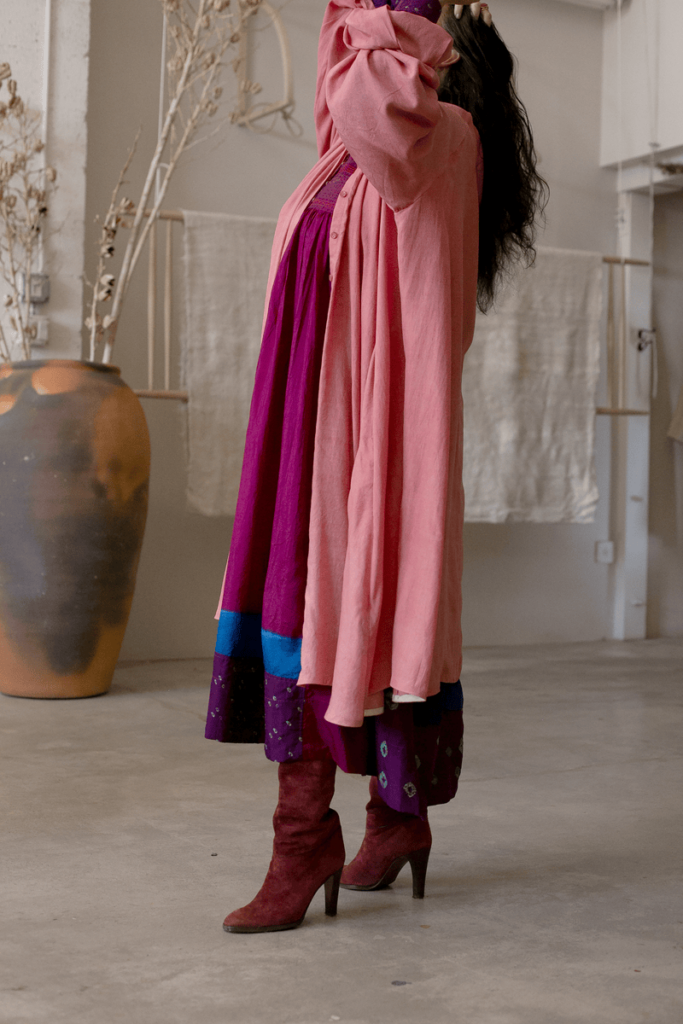
“I’ve been very blessed to have lived in very beautiful cosmopolitan cities,” says Chloe who splits her time between Santa Fe and Europe. “Coming here in this stage of my life is really connecting with silence, and nature, and the power of this land.” How would she describe her Santa Fe style? “It’s eclectic. It’s different. I don’t really follow any type of trend. I’m drawn to color – it’s like a painting for me.”
Her favorite places to shop reflect that personal style. “I go to flea markets. I love different Italian designers who work with indigenous communities, in India or Africa. When I’m here, I love La Boheme, I love Living Threads, and I do Santa Fe Dry Goods a lot.” What makes today’s Santa Fe style special? “What I love is that it’s very understated, it’s not pretentious. It’s not about a trend, it’s not about feeling or looking like they have to belong. Everyone’s very independent.”
Story by Julia Platt Leonard Photography by Ashley Lynn Styling by Teresa Robinson Shot on Location at Living Threads
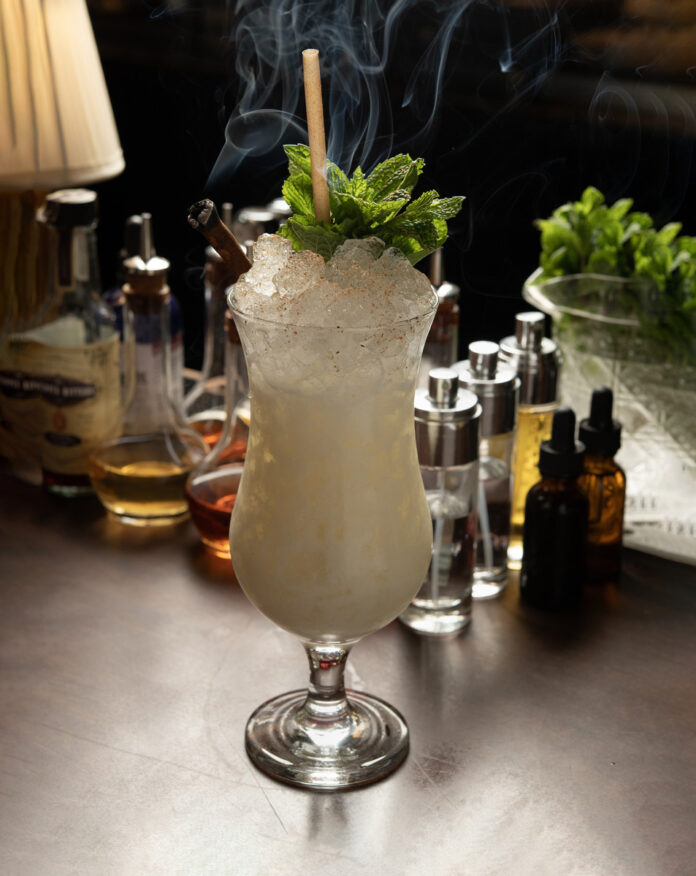
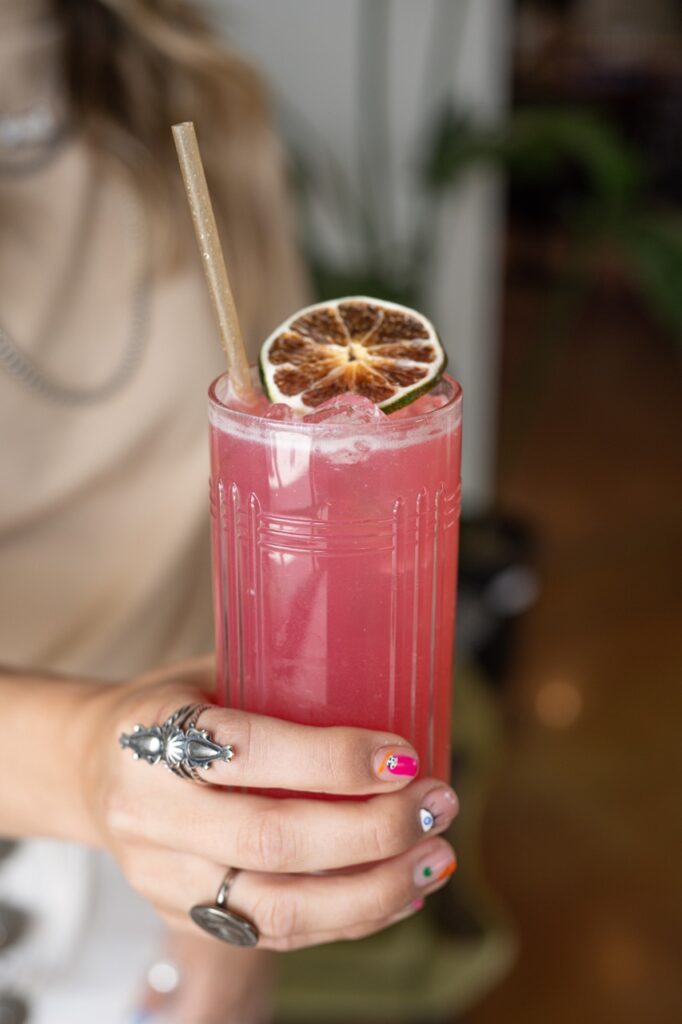
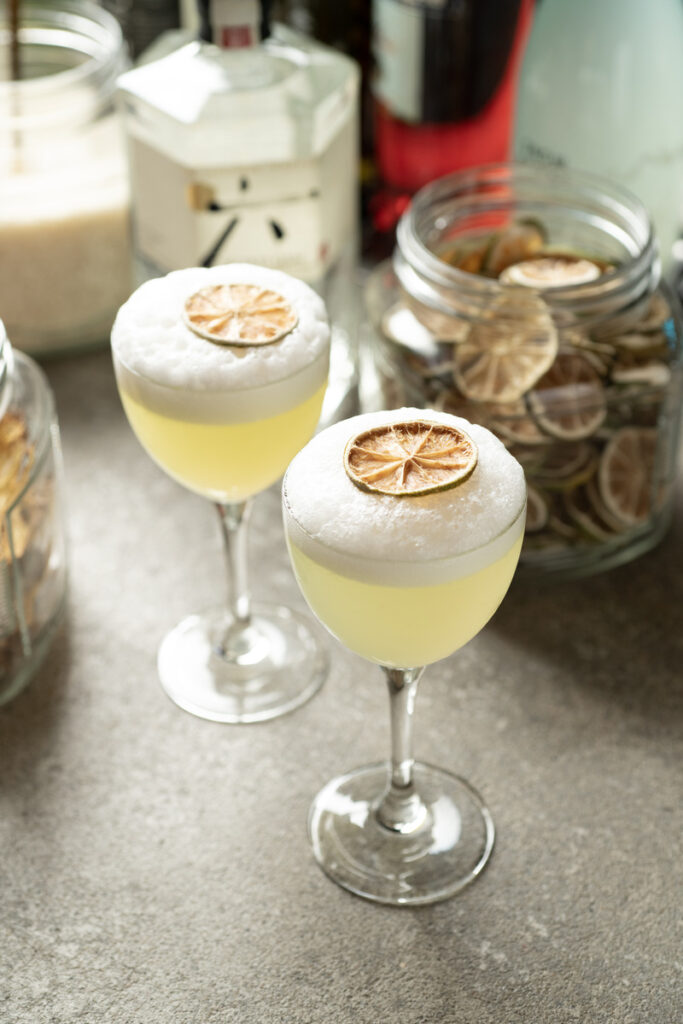
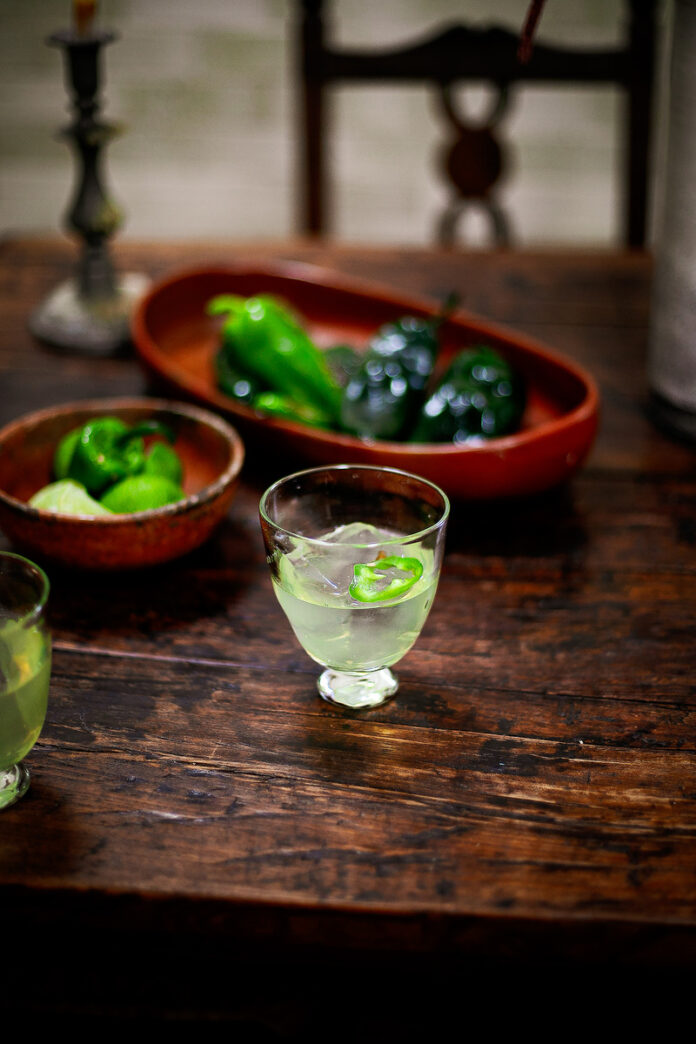
We asked Ashley Lynn – photographer and mixologist at Palace – if she would fashion (pardon the pun), a cocktail that is one part quirky, one part classic, with a generous dash of Santa Fe spirit – something as different as the city we call home. Stop by palace in the next few weeks to sip a Santa Fe Style Cocktail.
What Does Santa Fe Style Mean?
The Southwest has been a melting pot of ideas, cultures, and passions for centuries. Santa Fe is at the epicenter of this. The Santa Fe Style is an ode to both a classic cocktail, the Negroni, but also the flavors of Santa Fe, including NETA Espadin, a beautiful and traditionally made mezcal founded by Max Rosenstock, a New Mexico native, now living and working in Oaxaca, Salers Gentian Aperitif, Cocchi Americano, locally made As Above So Below Absinthe, using foraged Santa Fe botanicals, and Ancho Verde, a poblano liquor made in Mexico. Together these ingredients create a drink that is clear, elevated, and simplistic in appearance, yet the combination of international and local ingredients and flavors create something that truly says Santa Fe, subtly smoky, vibrant in flavor, vegetal, bitter, with a spicy sweetness.