For nearly two decades, Radius Books has shown that an art book can be much more than pages bound together. Based in Santa Fe, the nonprofit works closely with artists to create bold, thoughtful books while also making art more accessible through its wide-reaching donation program.
Radius Book Is Santa Fe’s Home for Art Books
We love artists because they liberate our notions of what’s possible and challenge our ways of seeing. Shouldn’t books about them do the same? David Chickey, founder, director, and publisher of nonprofit Radius Books in Santa Fe thinks so.
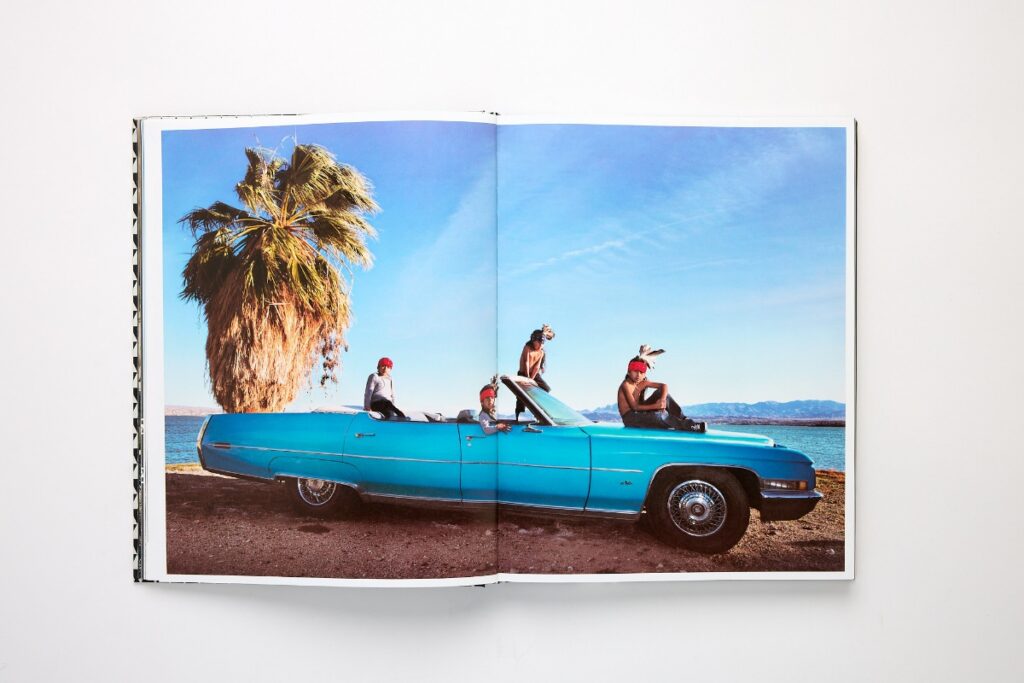
Each of the 240 titles in Radius’s catalog has an arresting singularity. They are bound and yet unbound. Reflecting on the nonprofit’s origins, David Chickey describes a group of friends exploring what wasn’t working in the for-profit publishing world. For instance, to boost sales, a publisher might adopt an incongruous celebrity association or conjure a merchandising hook.
“It felt so limiting in terms of what book objects are capable of doing. If you are committed to publishing an artist—their vision, ideas, and work—and expanding it with the audience, the artist is the biggest asset. So, if we do our job right, the book is a really good reflection of the artist, and it will take on very different forms. The opportunities are endless.”
Books That Reflect the Artist
One need only glance at Radius’s recently published books to feel the artist leap from the page.
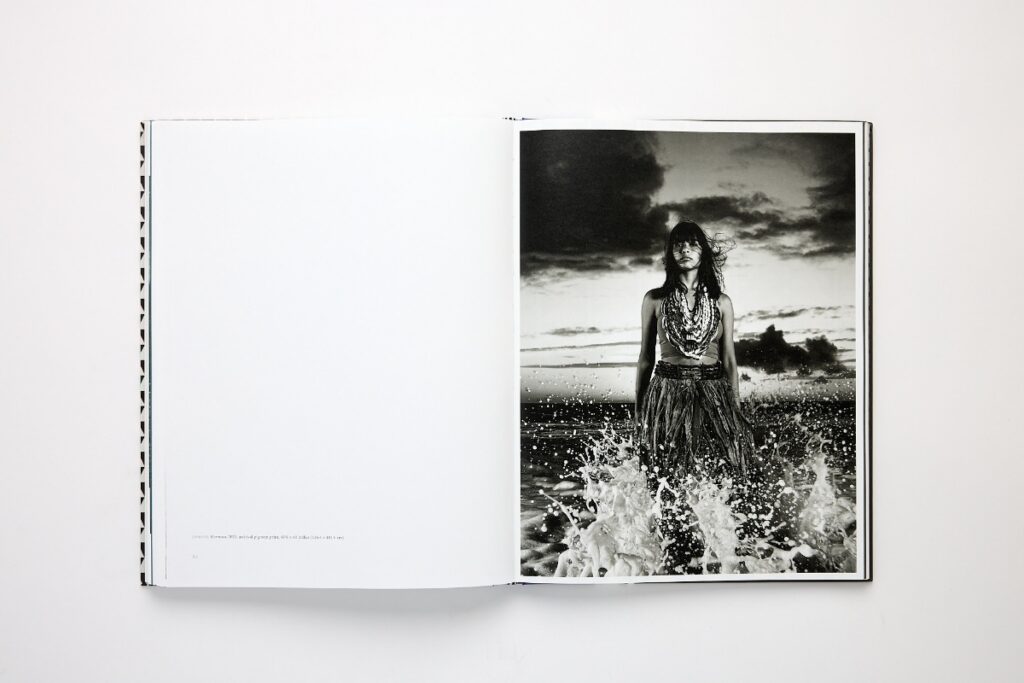
In Cara Romero’s Panûpünüwügai (Living Light), published in conjunction with her solo exhibition at the Hood Museum of Art, there are textural “short-cut” pages featuring Cara’s reflections as a working artist tucked inside and existing apart from the flow of images and scholarly text.
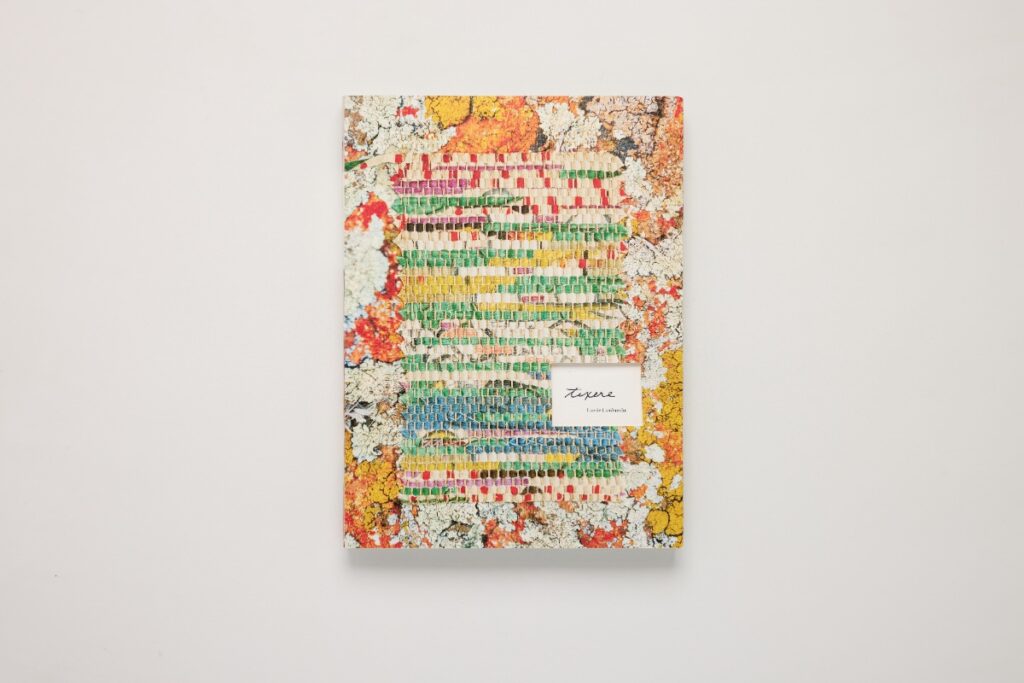
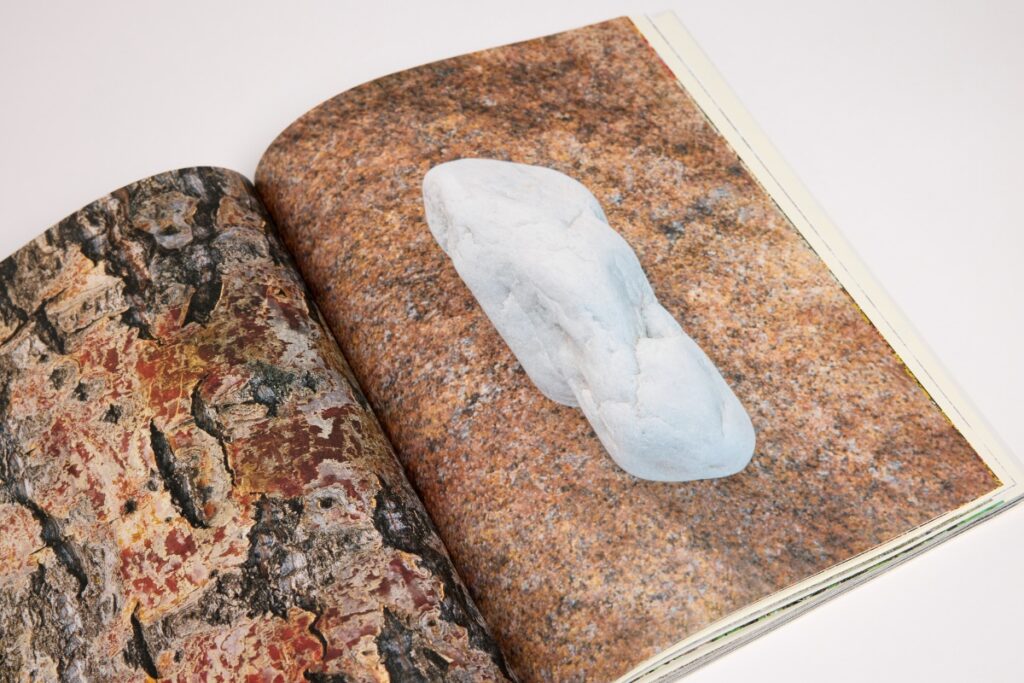
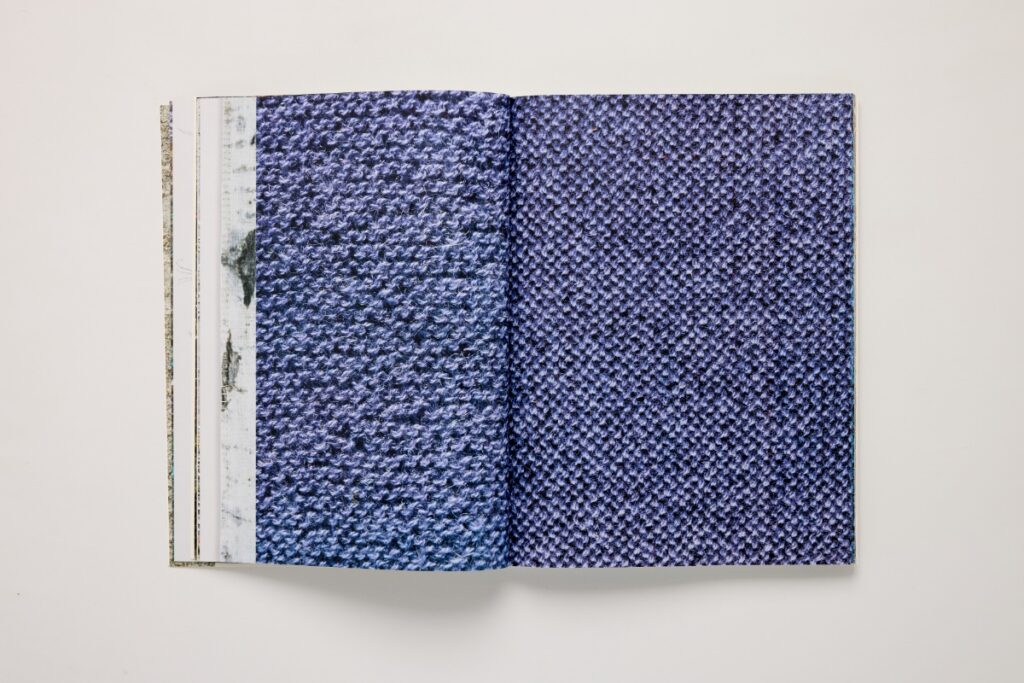
Laurie Lambrecht, working in photography and fiber, makes “fabric prints” and then stitches and weaves them together to create new compositions. In tēxēre, overlapping pages present photo-textile combinations. Her sparse text invites meditation.
Wired: Contemporary Zulu Telephone Wire Baskets
Wired: Contemporary Zulu Telephone Wire Baskets is the first book to document the development of telephone wire weaving in African art and emphasizes the superb detail and patterns of the vibrant baskets by printing them with intense focus on black paper.
In New Light
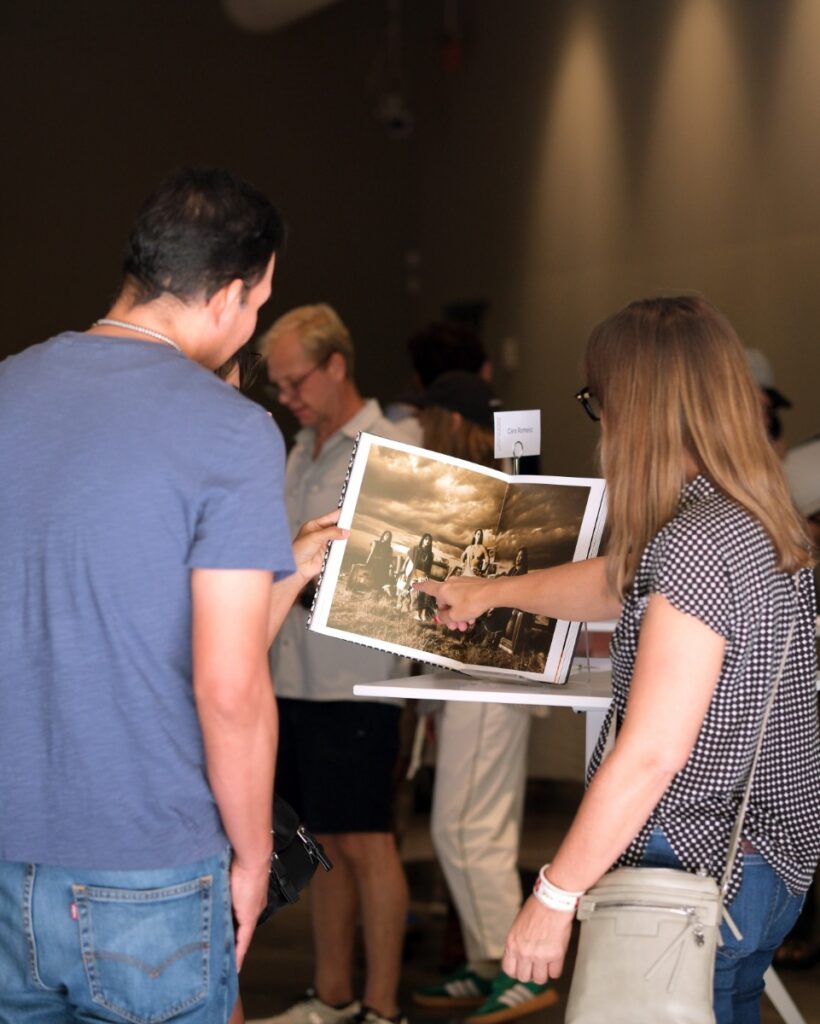
Aptly named In New Light, a book about Georgia O’Keeffe, raises questions about her work and legacy with a series of newly commissioned artistic, scholarly, and personal conversations, acknowledging that her innovation in and contribution to Modernist painting are equally as important as her persona and biography. Included is an illustrated summary of O’Keeffe’s work.
Another origin prong from that friendly roundtable nearly two decades ago was an emerging alarm that thousands of libraries in the United States were no longer prioritizing art book purchases. In a budget squeeze, the most expensive books (read: art books) don’t make the cut. “Publishers were losing that basis of sales, which made what they were publishing even riskier.”
Not only that, without the libraries, these books were losing a diversified audience. “Typically, art books only get into the hands of people wealthy enough to buy them, which is very limiting.”
So, how do you get these books into the hands of people who don’t have access? “You make it your mission to donate them,” David says.
Radius’s Donation Program
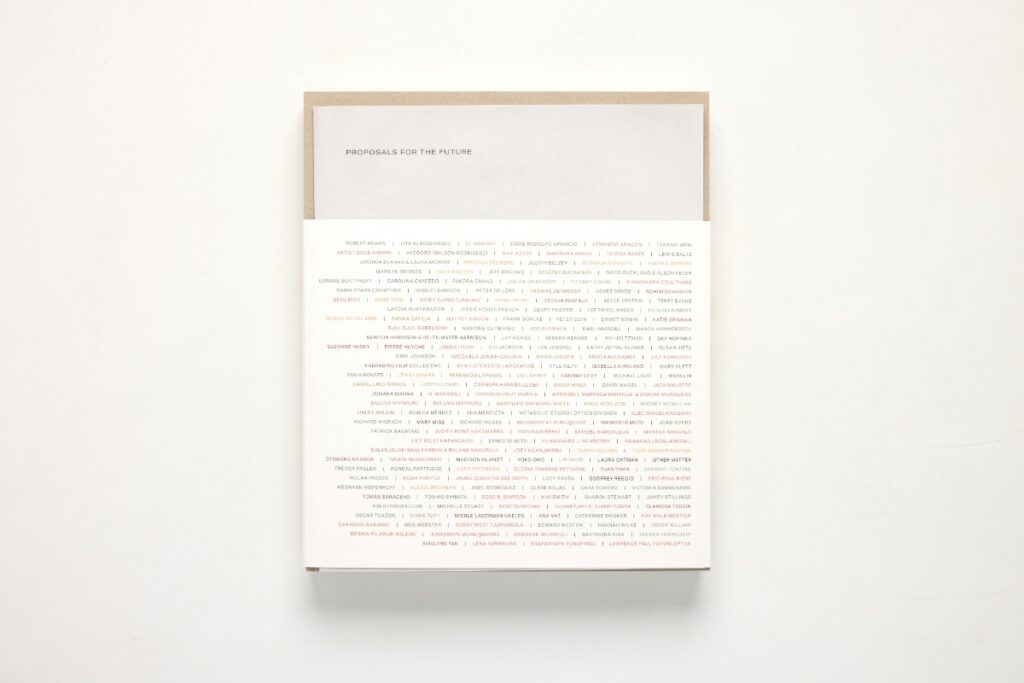
Inner city, rural libraries and schools, and prison systems are the foundational focus of Radius’s donation program, now 350 institutions strong, representing all 50 states and Puerto Rico, and there’s a waiting list. To date their Donation Program has gifted more than 100,000 books. ”It’s the core of what we do, however giving these books away is extremely expensive. So is making books like this and having enough staff to make the business viable.”
But as with any well-run and compelling nonprofit, Radius manages the costs with grant initiatives, fundraising efforts, individual donations, and institutional partnerships. “We work within budgets, but I would rather make the most special object we can with the funding that we have at the sacrifice of making fewer copies.”
“It takes a while for people to understand the nonprofit model, even though nobody has an expectation that a museum ticket is enough to cover the cost of sharing an artist’s vision. We’re very similar,” he says.
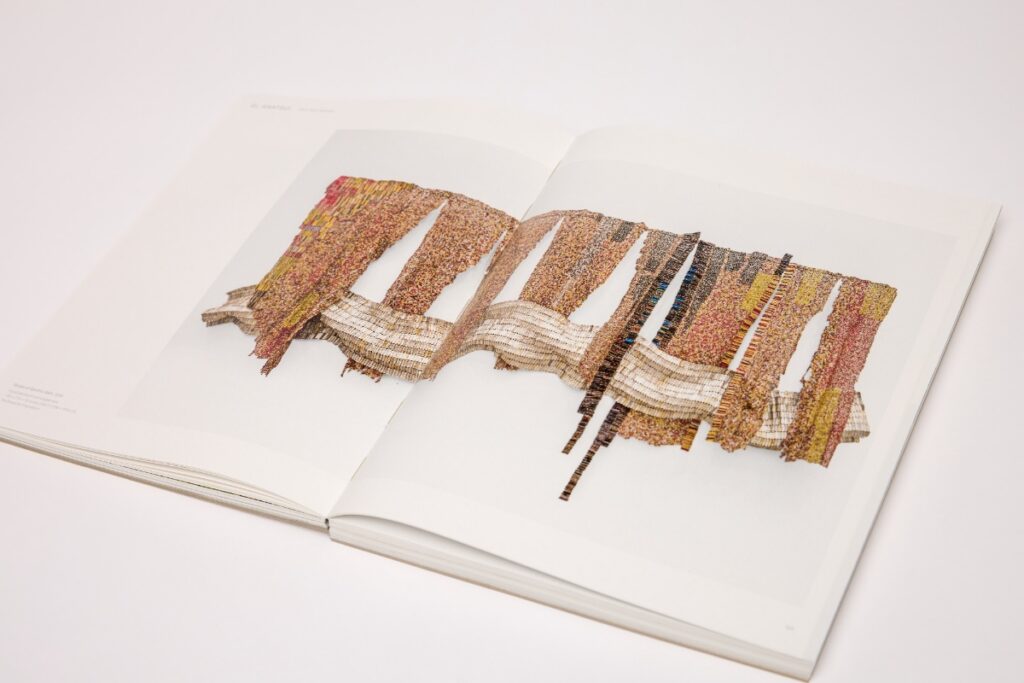
Though Radius turns 20 in 2027, David himself admits to being a bit scrappy at heart. He’s also open to sharing the field with others, buoyed by “…a burgeoning love of the art book object and so many interesting, young, small publishing houses making books that push the envelope.” After almost two decades, Radius is still an innovator and known and respected for its deep sense of collaboration—two characteristics that never grow old.
Story by Cullen Arlington Curtiss
Photos From Radius Books
Subscribe to TABLE Magazine‘s print edition.