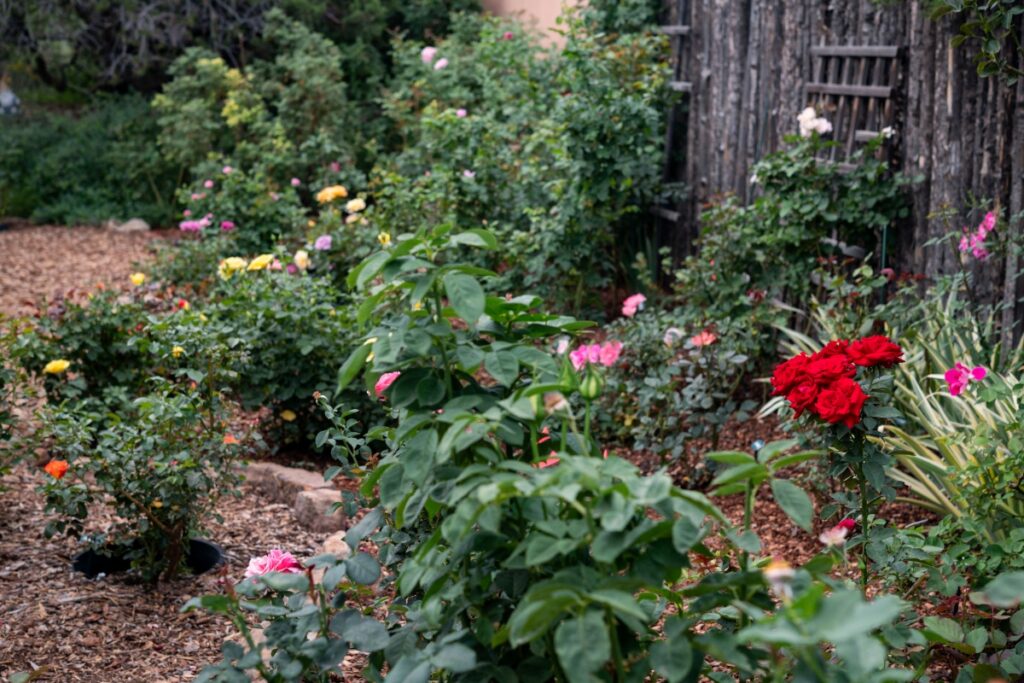
Jack and Juanita Ortega have turned their passion for growing florals into a garden filled with around 225 rose plants. Learn to grow your own flowering rose garden with practical tips on choosing, planting, watering, and caring for roses in a challenging climate.
Growing a Rose Garden in New Mexico
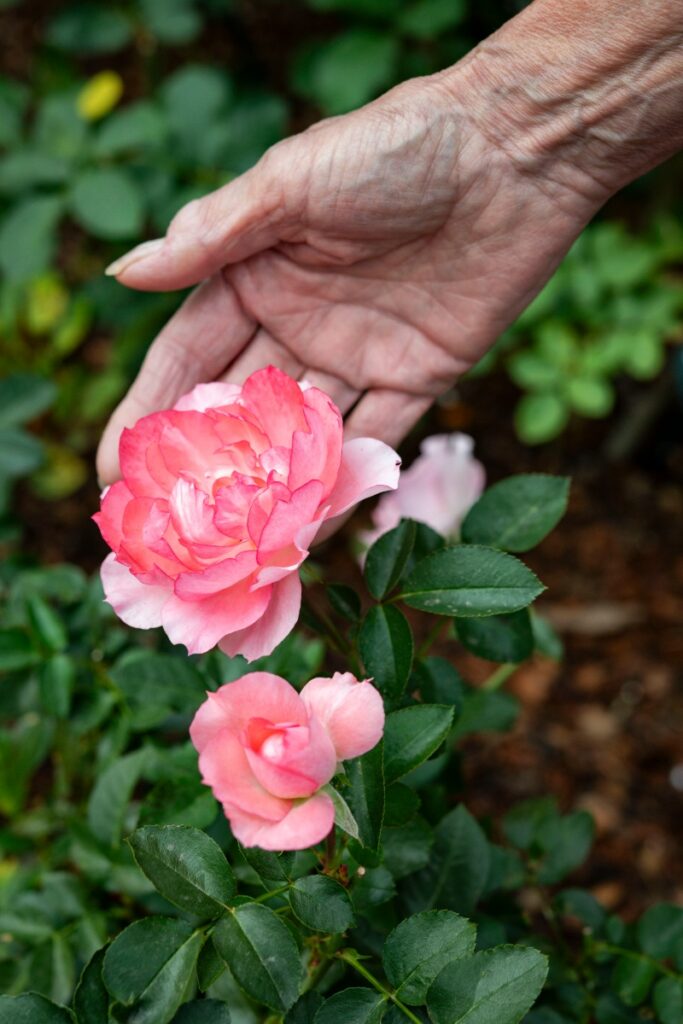
It started off as a lark. Husband and wife Jack and Juanita Ortega entered the Santa Fe Rose Society show back in 1979 and surprised themselves by winning two major prizes on their first go-round. Almost fifty years later, roses are still their passion.
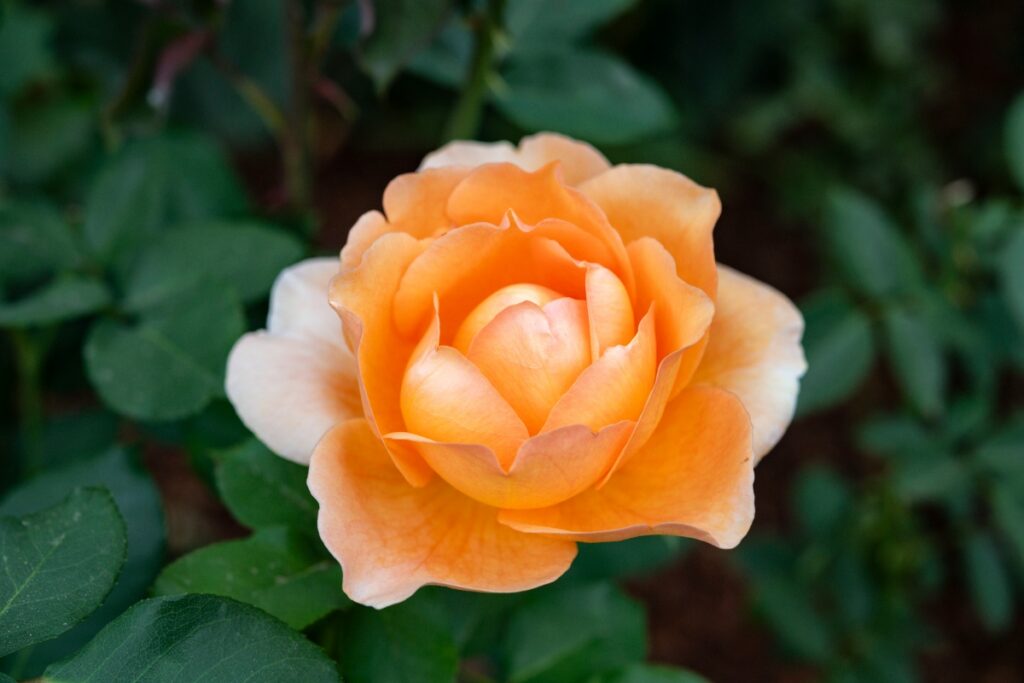
How deep is the love Jack and Juanita Ortega feel for roses? So deep that they’ve devoted their entire garden to growing – at last count – 225 individual rose plants. Like countless gardeners before them, they’re drawn to the fragrance and beauty of roses (It’s thought roses were cultivated as far back as the Chou Dynasty in China 5,000 years ago). “And of course, they’re very romantic flowers,” says Juanita. “I just fell in love with them.”
Gardening in a Challenging Climate
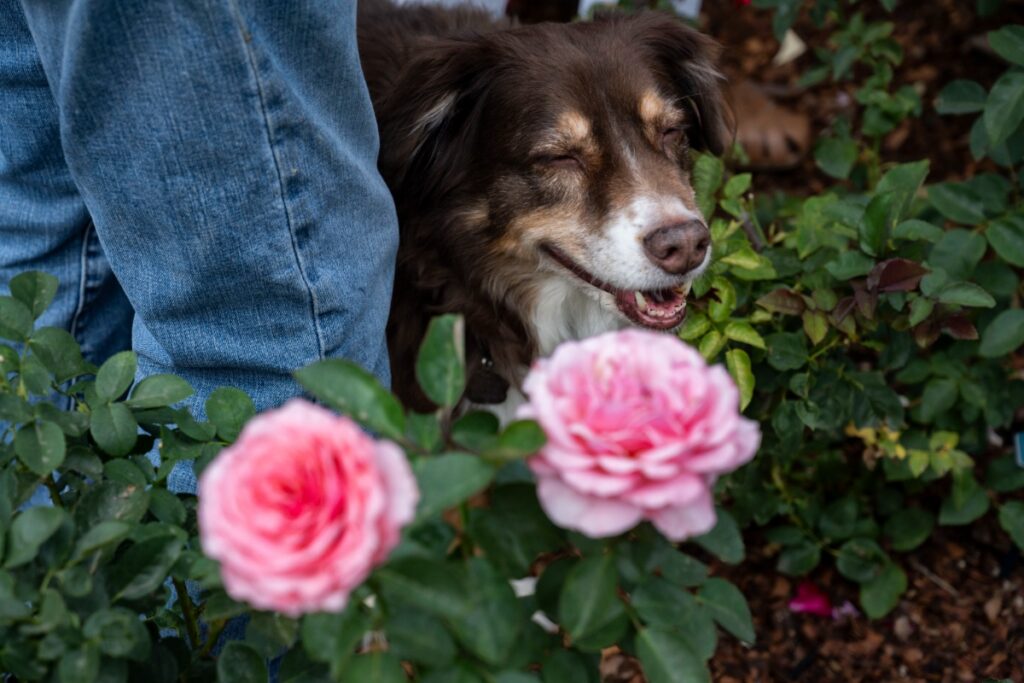
And while roses might look ethereal and oh-so delicate, they handle northern New Mexico’s climate remarkably well. “Our growing season is a little short for roses, but we’re not plagued with huge pest infestations or diseases in the fall, so we’re pretty fortunate in that respect,” explains Jack. A changing climate however, means that the gardening duo need to stay on their toes. “For example, this year, the winter was extremely warm and we had blooms probably for the first time, four-to-five weeks ahead of schedule,” says Jack. “You have to make adjustments based upon your prior knowledge and sometimes your adjustments work, and sometimes they don’t.”
The couple take a refreshingly pragmatic view when it comes to growing roses. New roses are placed in buckets which are then planted in the ground. “We keep them there in the ground for one or two years to make sure of two things: one that they’re going to grow and two, that they like the spot where we put them. Because sometimes – as crazy as this may seem – they may not like the spot. Moving them can make all the difference in the world,” Jack says.
It’s all part of giving each rose the best chance possible. “Just understanding what they like and what they don’t like is important and you have to treat them as individuals and pay attention,” Jack says. And Juanita agrees. “Some like a little more sun. Some can tolerate heat better. Some don’t really like that much. Well, I shouldn’t say they don’t like sun. Who doesn’t like sun?” she laughs.
The Vast World of Rose Varieties
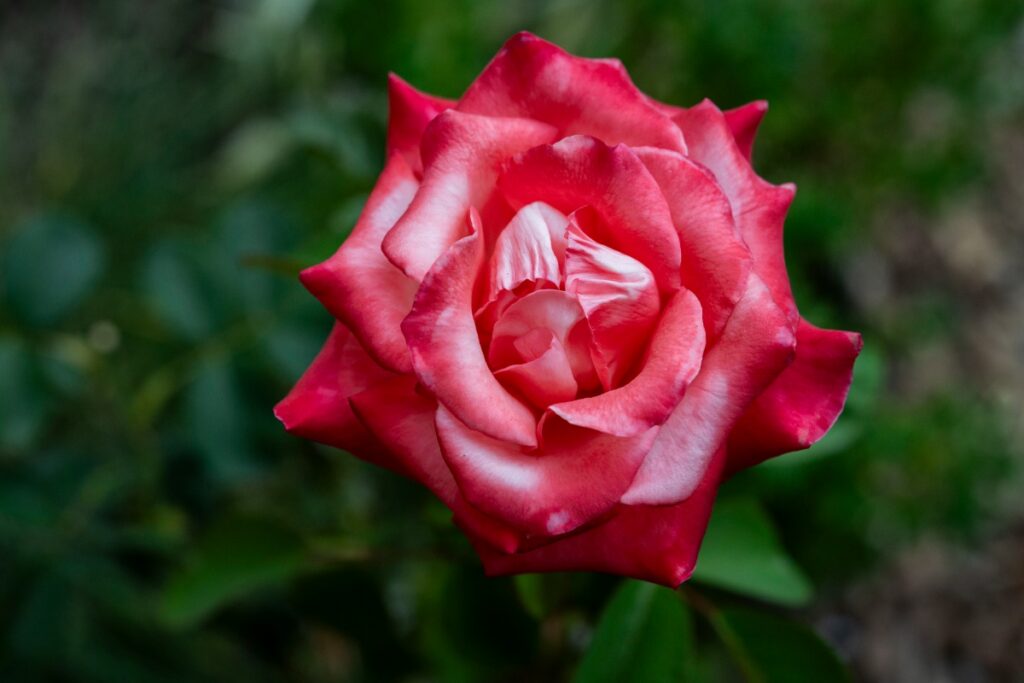
Of the thousands of varieties of roses, Jack estimates they probably have around 200 different ones in their garden. They’ve doubled up on some varieties as they’re stronger candidates for exhibiting. Tour the garden and you can’t help but smile at names like ‘Sexy Rexy’ or ‘Ring of Fire’, created by amateur hybridizer Chris Greenwood. It’s the love child of ‘Hotel California’ and ‘Marilyn Monroe and Jack’s favorite rose. “It’s the best exhibition rose you can buy at a nursery,” he says.
When I ask Juanita her favorite, she pauses – clearly torn – then chooses ‘Peace Rose’ – a variety whose serene name matches the delicate beauty of its yellow and pink blooms. But in reflection, it feels like a cruel question to ask. It’s clear that Jack and Juanita love all of their ‘babies’ – all 225 of them.
Tips for Growing Your Own Rose Garden
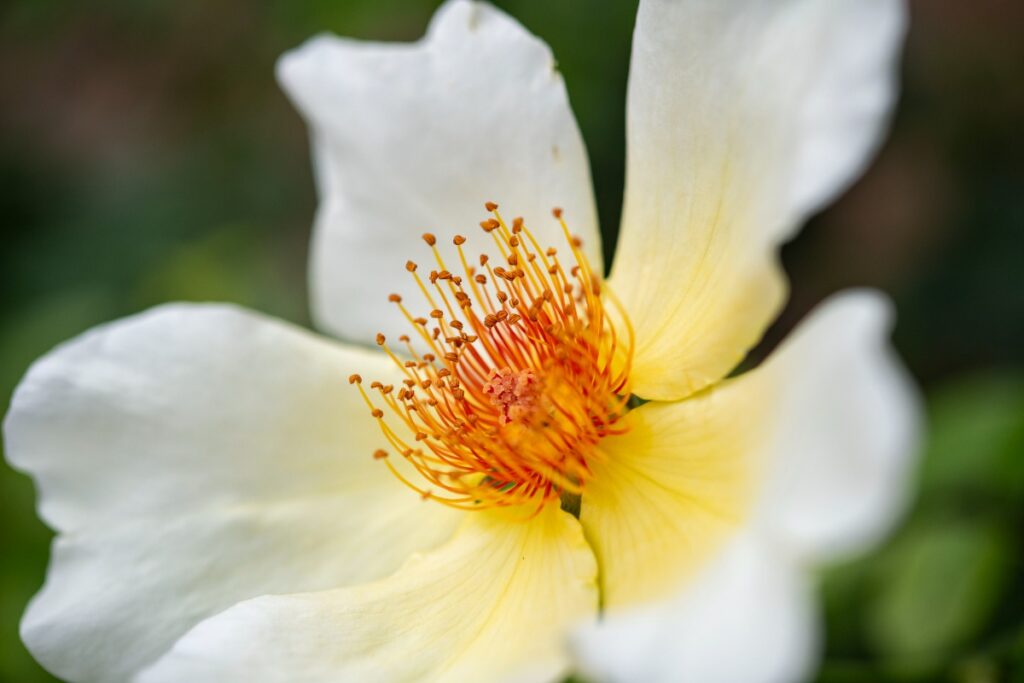
- For the best rose selection, visit local nurseries at the end of April to mid-May. Or place online orders in January for delivery late March through the beginning of May.
- Jack and Juanita plant their roses using 60 percent native soil mixed thoroughly in a wheelbarrow with 40 percent compost. Their favorite compost is Back to Earth Composted Cotton Burr Compost. “Always take the time to prepare the place where you’re going to plant it. It will save you a lot of headaches down the road,” says Jack.
- Make sure the rose gets at least six hours of sun every day and receives between six to eight gallons of water a week.
- Protect rose bushes the first year by mounding up soil around 6 inches up the plant and 8 inches around the base. This will help protect the graft and the entire plant. Slowly remove the mound around the end of May.
About the Author
Julia Platt Leonard is Regional Editor for TABLE Magazine’s New Mexico edition, covering Santa Fe’s food, shopping, and community scene. A graduate of the Cambridge School of Culinary Arts, she has worked as a pastry chef, food consultant, and television reporter, and is co-founder of the Santa Fe International Literary Festival. She is the author of the novel Cold Case (Simon & Schuster) and has written for publications including The Independent. Reach her at julia@tablemagazine.com.
Photos by Kim Hubbard
Subscribe to TABLE Magazine‘s print edition.