Yes, you can drink any kind of wine, anytime of the year, yet the vagaries of Spring make it ideal for keeping red wines on hand, whether for a chilly night by the fire pit or chiminea or to accompany a feast from the grill once it’s free from winter’s grip. Bill Smith shares some of his favorite finds.
Red Wines for Spring Tables
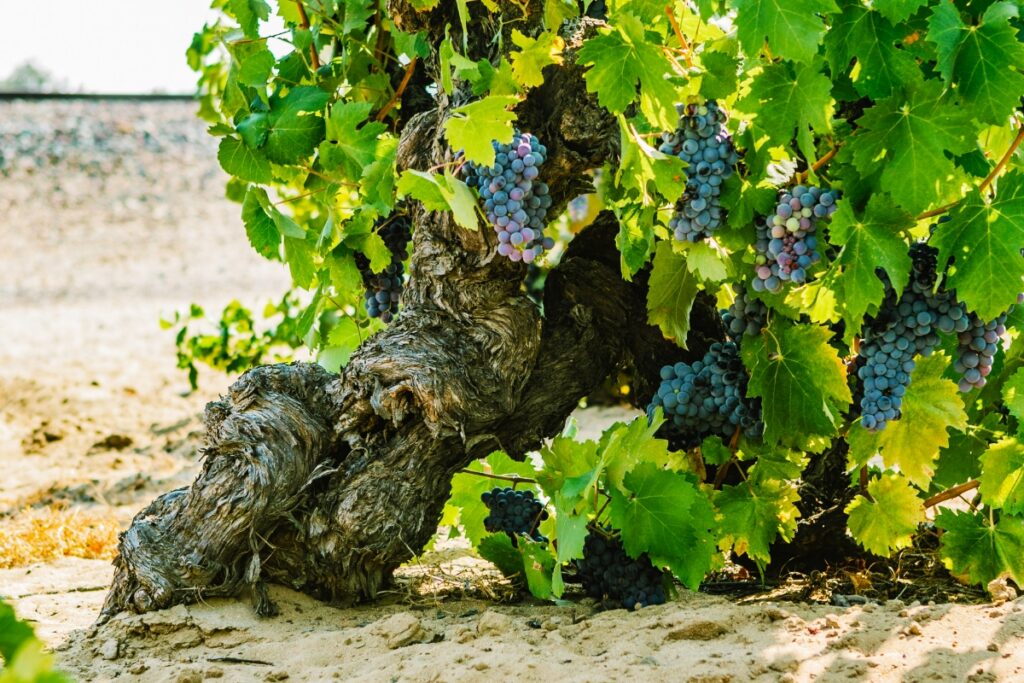
Cline Family Cellars 2022 Small Berry Mourvèdre
The first wine I ever tasted that made me go, “hmm” with genuine curiosity and glee was Cline Family Wine’s Cashmere, a Rhone-inspired, GSM-blend (Grenache-Syrah- Mourvèdre) from vineyards in both Sonoma and Contra Costa counties. I have come to revere the lauded vineyards and their old vines that create some of my favorite, most distinct, California wines. Foremost among these favorite’s is Cline’s Small Berry Mourvèdre.
The Big Break Vineyard is in Oakley, where much effort has gone into preserving the region’s rich history of viticulture, with members of the Cline family leading those efforts. We should thank them for many reasons, not the least of which is the profoundly unique characteristic of wines from Big Break – a telltale hint of eucalyptus imparted by trees that border two sides of the vineyard site.
Mourvèdre does exceedingly well in the sandy, dry-farmed vineyard where summer heat is often mitigated by breezes from the Sacramento-San Joaquin Delta. The resulting wine is not just distinct, but stellar. Dark ruby hued in the glass, everything is wonderfully intense, including the color. On the nose, unique, even funky, herbal notes of mint and eucalyptus emerge, followed on the palate with blueberry and blackberry compote, and stewed plums.
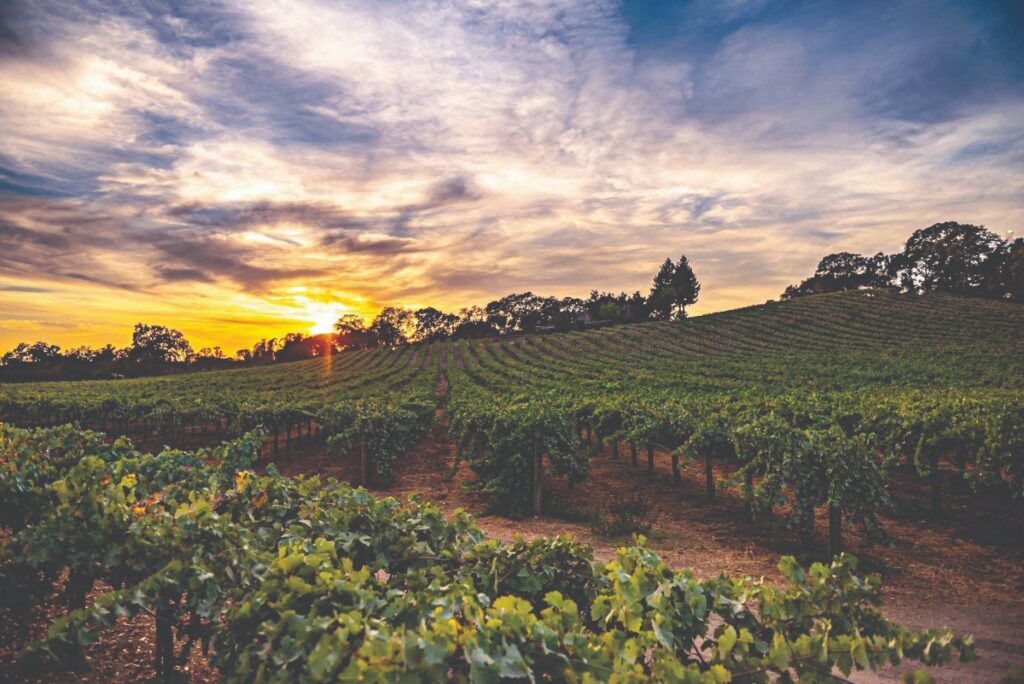
Ackerman Family Vineyards 2019 Memoir
I love a red blend. Whether from the Old World or the New, the right winemaker can make magic happen. Such is the case with the 2019 Memoir from Napa Valley-based Ackerman Family Vineyards.
In full transparency, founder Lauren Ackerman is a friend as well as a part-time resident in Santa Fe. It was at her home that I first encountered the exceptional estate grown Cabernet bottlings derived from her “Stonehaven” property in Napa’s Coombsville district. Ackerman’s Memoir label, more versatile and with restrain, benefits from the fact that 2019 is a stunning vintage for Napa. Based on traditional Bordeaux blends, the wine is Cabernet Sauvignon dominant (70%), followed by Petite Verdot (6%), Malbec (8%), Merlot (8%), and Cabernet Franc (8%).
With lots of juicy black fruit aromas and earthen notes on the nose and palate, it is medium bodied with some bold spice followed by jammy blueberry and then blackberry flavors. It’s a refined and lush experience in the mouth with balanced, harmonious tannins.
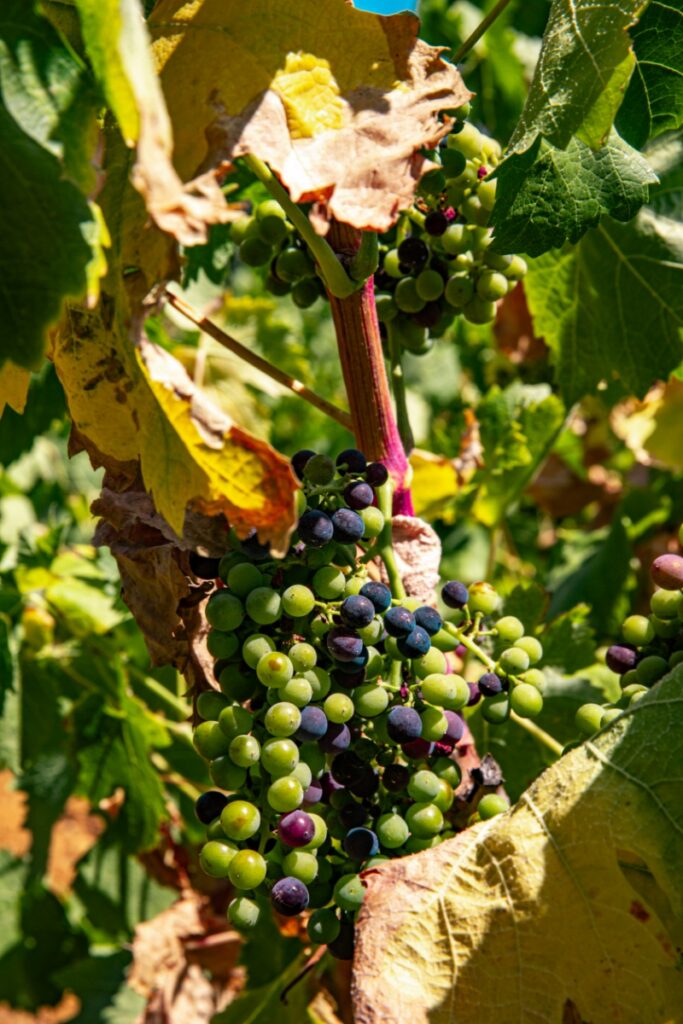
Chateau Musar 2021 Hochar Père et Fils
The origins of Lebanese wine making date back over 6,000 years. One contemporary winemaker emerged on the scene in 1930, when Gaston Hochar planted his first vineyards with knowledge from his time in Bordeaux.
Amazingly, grape cultivation and winemaking continued even during Lebanon’s sectarian civil war which lasted from 1975 to 1990. “It was a formative time for our wine and for its creator, Serge Hochar, who was only just beginning to trust his grapes (as he famously said) to ‘become what they wanted to be’.”
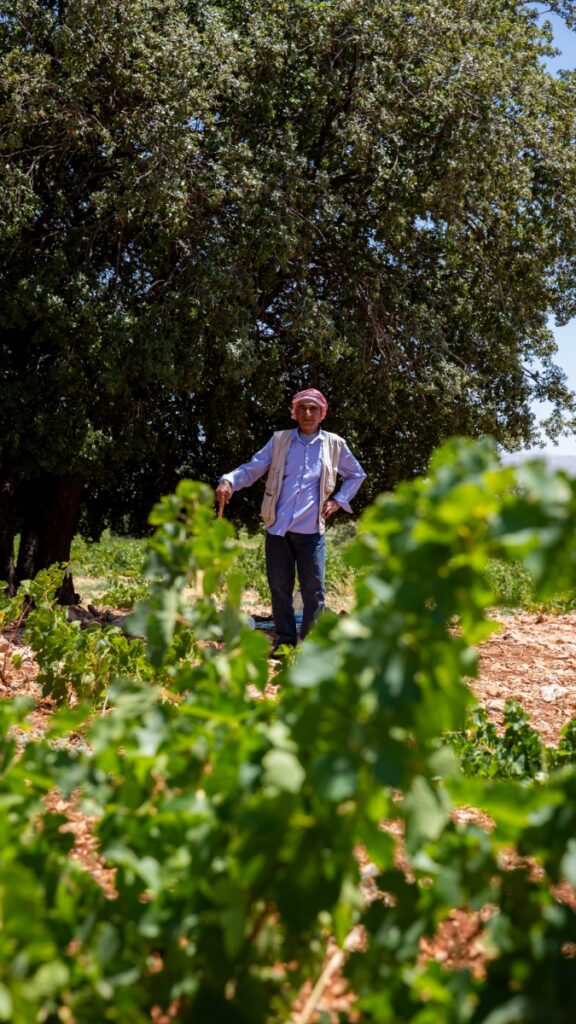
That history and fortitude is part of the legacy in the producer’s bottlings, including Hochar Père et Fils, a quaffable red blend launched in 1989 that is meant to be drunk much younger than the producer’s oak-aged flagship wines. Half Cinsault, 40% Grenache, and 10% Cabernet Sauvignon, the fruit is from the Western Bekaa Valley. A beautiful and deep garnet color in the glass, there are aromas of spice and ripe black and red brambles. On the palate, cherries, bursting ripe blackberries, as well as black currant flavors are delicious with lively, fresh acidity and restrained tannins. It’s inviting in every way and best slightly chilled.

Ana Maria Cumsille 2023 Lomas Coloradas Carignan
Some of the best and most interesting wines in the world are wines you’ve likely never heard of from small producers doing craft bottlings. That’s why when wine writers encounter such a producer making such a wine, we want to shout it from the rooftops.
The 2023 Lomos Colorados Cariñena comes from forty-five-year-old bush vines grown in granite soils of the Itata subregion of Ranquil. The concentration of this wine is insanely good – chock-full of ripe and vibrant cherry and with hints of cola and some pleasing vegetal notes from 50% whole cluster stem inclusion. A bit of spice on the middle of the palate, and the acidity, are pleasingly bracing, mellowed out by the freshness of fruit and well-integrated tannins. One of my favorite wines from 2025.
Tenuta di Trinoro 2022 Le Cupole
Andrea Franchetti is a master in crafting Super Tuscan wines from his Tenuta di Trinoro vineyard in Southern Tuscany. “Super Tuscan” is simply a way to describe blended wines from Tuscany that use non-Italian grape varieties and sidestep the traditional rules of winemaking in Italy. In other words, convention be damned.
Some refer to Le Cupole as this producer’s “Second Vin,” as the flagship eponymous wine plays first fiddle. Because Le Cupole captures much of the estate’s majesty but at roughly 1/10th of the flagship bottle’s $400 price tag, people widely consider it one of the best value buys from Italy.
A Merlot-leading (57%) blend, followed by Cabernet Franc (26%), Cabernet Sauvignon (11%), and Petit Verdot (6%), this is a gorgeous and bright fruit forward wine with lots of crunchy attributes – tannins, fruits, and spice are all there. Initial aromas of ripe red fruits mingle with sage and dried floral notes, but on the palate, the wine is intense with vivid fruits and a bright acidity.
Story by Bill Smith
Subscribe to TABLE Magazine’s print edition.